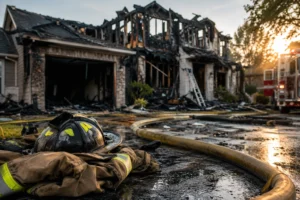

Smoke damage often extends far beyond what you can see. Even when flames never reach parts of a property, smoke can spread through walls, furniture, HVAC systems, and personal belongings, leaving behind contamination, odors, and costly repairs. That’s why Smoke Damage Insurance Claims can become more complicated than many homeowners expect. A successful claim starts with understanding the damage, documenting it properly, and knowing what your insurance policy covers. Whether the smoke comes from a house fire, kitchen fire, neighboring structure, or wildfire, taking the right steps early can help protect your financial recovery and improve your claim outcome.
What Is Smoke Damage?
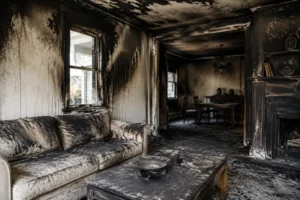
Smoke damage occurs when particles released during combustion travel throughout a structure and settle on surfaces. These particles can affect both the building itself and the contents inside. While many property owners focus on fire damage, smoke often impacts a much larger area. Smoke can:
- Stain walls and ceilings
- Damage electronics
- Contaminate furniture
- Penetrate fabrics
- Create persistent odors
- Affect indoor air quality
Even homes with little or no direct fire damage may require extensive restoration.
Types of Smoke Damage
Not all smoke behaves the same way. Different types of fires create different forms of contamination.
Wet Smoke
Wet smoke comes from low-heat, smoldering fires. It leaves behind a sticky residue that is difficult to clean and often produces strong odors.
Dry Smoke
Dry smoke is produced by fast-burning, high-temperature fires. Although easier to remove in some cases, it can spread extensively throughout a property.
Protein Smoke
Protein smoke commonly results from cooking fires. It often leaves little visible residue but creates powerful odors that penetrate surfaces.
Fuel Oil Smoke
Fuel oil smoke is typically associated with furnace or heating system malfunctions. It can leave greasy residue throughout the property.
Wildfire Smoke
Wildfire smoke has become an increasing concern for Texas property owners. Even if flames never reach a structure, smoke infiltration can cause significant damage.
Does Homeowners Insurance Cover Smoke Damage?
Most homeowners insurance policies provide coverage for smoke damage caused by a covered peril. However, coverage depends on the specific policy language and circumstances surrounding the loss.
Coverage Commonly Included
Insurance policies often cover:
- Structural cleaning and repairs
- Smoke residue removal
- Contents cleaning
- Personal property replacement
- Temporary housing expenses
- Professional restoration services
If the home becomes temporarily uninhabitable, additional living expense coverage may help pay for:
- Hotel stays
- Meals
- Temporary rentals
- Other necessary living expenses
Situations That May Affect Coverage
Certain factors may complicate coverage determinations:
- Long-term maintenance issues
- Pre-existing damage
- Vacant properties
- Policy exclusions
- Delayed reporting of the loss
Understanding your policy before negotiations begin can help prevent surprises later.
Common Areas Affected by Smoke Damage
Smoke travels quickly and often reaches areas homeowners never expect.
Structural Components
Smoke residue commonly affects:
- Walls
- Ceilings
- Flooring
- Trim
- Doors
- Attics
Even light staining can require specialized cleaning.
Personal Property
Contents losses frequently involve:
- Furniture
- Clothing
- Bedding
- Electronics
- Artwork
- Books
- Family heirlooms
Some items may be restored, while others require replacement.
Hidden Damage
Many Smoke Damage Insurance Claims become complicated because of hidden contamination. Smoke can infiltrate:
- Insulation
- HVAC systems
- Ductwork
- Crawl spaces
- Interior wall cavities
Without thorough inspections, these damages can easily be missed.
The True Cost of Smoke Damage
Many property owners underestimate the financial impact of smoke contamination. Smoke particles contain acids and chemicals that can continue damaging materials long after a fire is extinguished. In some situations, the contamination spreads farther than the visible fire damage itself.
| Damage Type | Potential Impact |
|---|---|
| Soot Contamination | Cleaning and restoration costs |
| Odor Penetration | Professional deodorization |
| Electronics Damage | Corrosion and replacement |
| HVAC Contamination | Duct cleaning and restoration |
| Contents Damage | Cleaning or replacement |
| Air Quality Issues | Additional remediation expenses |
Smoke particles can behave in surprisingly complex ways once they enter a structure. In some cases, their movement through ventilation systems, wall cavities, and porous materials resembles concepts studied in fluid dynamics and transport phenomena. Similar analytical approaches are used in fields such as Computational Fluid Dynamics, where airflow behavior is modeled and studied in detail.
What To Do Immediately After Smoke Damage Occurs
The first few days after a loss can significantly influence the outcome of Smoke Damage Insurance Claims.
Prioritize Safety
Before entering the property:
- Follow emergency instructions
- Obtain clearance from authorities
- Wear protective equipment when necessary
Document Everything
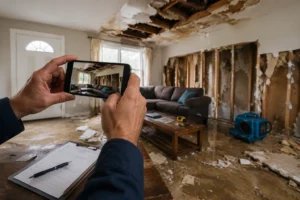
Take extensive photographs and videos before cleaning begins. Capture:
- Wide-angle room views
- Close-up damage photos
- Smoke staining
- Soot accumulation
- Damaged belongings
Create a Detailed Inventory
List damaged items and include:
- Item descriptions
- Estimated age
- Purchase costs
- Replacement values
Notify Your Insurance Company Promptly
Most policies require timely reporting. Prompt notification helps keep the claim process moving.
Filing Smoke Damage Insurance Claims
The claims process often involves several important steps.
Initial Claim Reporting
After reporting the loss, the insurance company typically:
- Assigns a claim number
- Schedules inspections
- Requests documentation
- Reviews coverage
Property Inspection
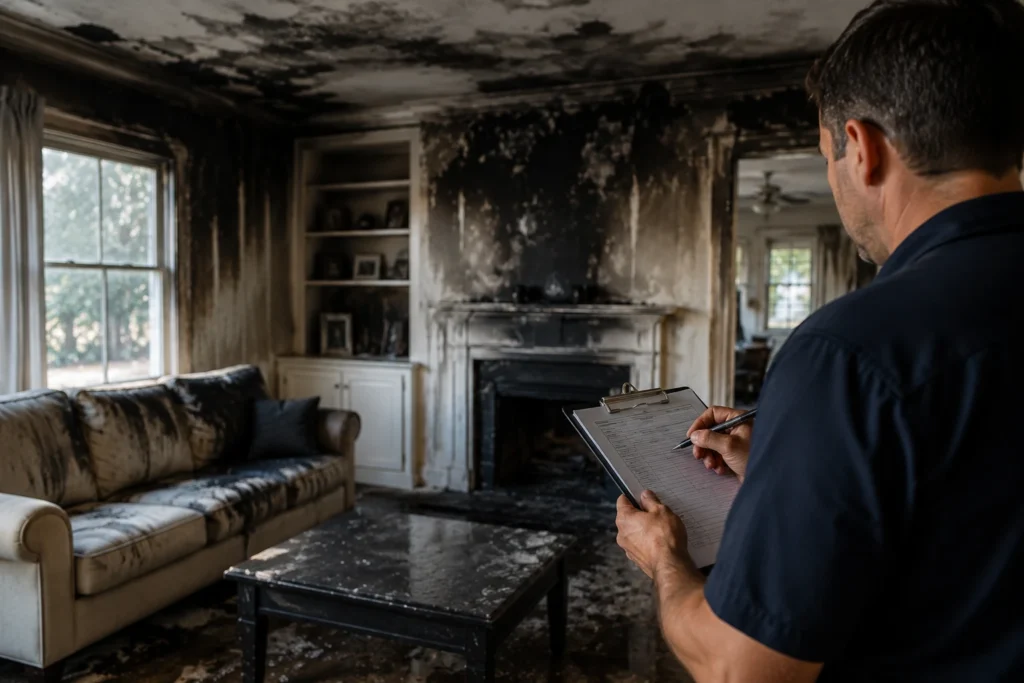
The insurance adjuster will inspect the property and evaluate the damage. This inspection often forms the foundation of the settlement.
Estimate Preparation
Accurate repair estimates help establish claim value.
These estimates may include:
- Cleaning costs
- Restoration expenses
- Reconstruction costs
- Contents losses
- Additional living expenses
Common Reasons Smoke Damage Claims Become Underpaid
Many underpaid claims stem from incomplete evaluations.
Incomplete Inspections
Short inspections can overlook hidden contamination and secondary damage.
HVAC Systems Are Overlooked
Smoke often enters ductwork and ventilation systems, creating ongoing odor and contamination issues.
Odor Removal Is Underestimated
Professional odor remediation frequently involves advanced restoration methods that increase costs.
Contents Are Undervalued
Personal property losses are commonly underestimated during claim evaluations.
Cleaning Versus Replacement Disputes
Insurance companies and policyholders sometimes disagree about whether damaged items should be restored or replaced.
Challenges Property Owners Face During Smoke Damage Claims
Smoke damage presents unique claim challenges.
Proving Smoke Migration
Contamination may exist throughout a property even when visible evidence is limited.
Determining the Full Scope of Damage
Additional damage often becomes apparent after restoration begins.
Understanding Policy Language
Insurance policies can contain detailed provisions that affect claim outcomes.
Negotiating Fair Settlements
Claim valuation disputes often arise regarding repair methods, replacement needs, and restoration standards.
How Public Adjusters Help With Smoke Damage Insurance Claims
Public adjusters represent policyholders during the claims process.
Independent Damage Assessments
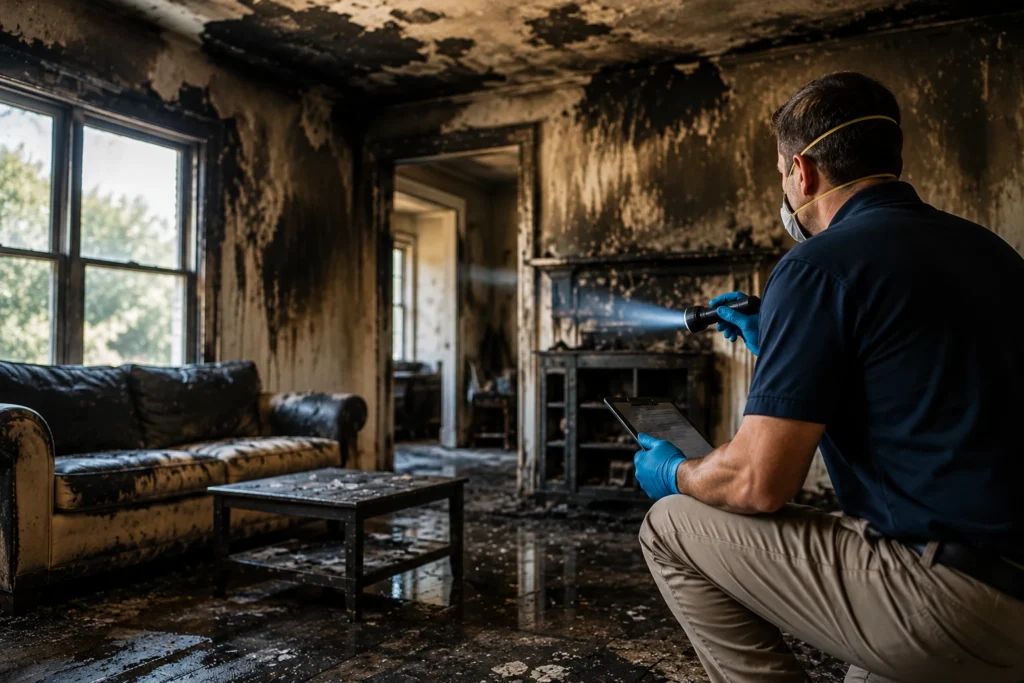
Public adjusters conduct their own inspections to identify overlooked damage.
Documentation and Evidence Collection
Strong documentation frequently leads to stronger claims.
Policy Review
Public adjusters evaluate policy provisions and applicable coverage.
Settlement Negotiation
Their role includes negotiating for a fair and accurate settlement based on documented damages.
Smoke Damage in Commercial Properties
Business owners face additional risks after smoke losses. Common commercial losses include:
- Inventory contamination
- Equipment damage
- Business interruption
- Lost income
- Operational disruptions
Business interruption coverage may help offset lost revenue during restoration.
Tips to Strengthen Smoke Damage Insurance Claims
The strongest claims are usually the most organized.
Keep Detailed Records
Maintain copies of:
- Photos
- Receipts
- Estimates
- Inspection reports
- Correspondence
Obtain Independent Evaluations
A second opinion may identify damages missed during the initial inspection.
Save Every Receipt
Temporary expenses may be reimbursable under the policy.
Avoid Rushing Settlements
Take time to understand the full scope of damage before accepting a final settlement.
Ask Questions
A better understanding of your policy often leads to better claim decisions.
Why Thorough Documentation Changes Outcomes
Insurance companies rely heavily on evidence when evaluating claims. The more organized your documentation, the easier it becomes to demonstrate the full scope of damage and justify repair costs. This type of structured information management is somewhat similar to concepts found in Ontology (Information Science), where information is categorized and organized to improve understanding and decision-making.
Final Thoughts
Smoke damage can affect far more than what appears on the surface. Residue, odors, contamination, corrosion, and hidden damage can spread throughout a property long after the fire is extinguished. Because of this, Smoke Damage Insurance Claims require careful documentation, thorough inspections, and a clear understanding of policy coverage. Property owners who act quickly, preserve evidence, and fully investigate the extent of damage often place themselves in a stronger position during the claims process. When handled properly, a smoke damage claim can provide the resources needed to restore both the property and peace of mind.
FAQs
Most homeowners’ insurance policies cover smoke damage caused by a covered peril, such as a fire. Coverage details depend on the specific policy language and circumstances of the loss.
Yes. If smoke from a nearby property causes damage to your home or belongings, your insurance policy may provide coverage for the resulting losses.
Insurance companies typically evaluate visible residue, odor contamination, affected materials, and restoration requirements through inspections and supporting documentation.
In many cases, persistent smoke odors may be covered because they can indicate contamination that requires professional cleaning or deodorization.
It is generally best to document the damage thoroughly before cleaning. Premature cleaning could remove evidence needed to support your claim.
Yes. Smoke particles can enter electronic devices and cause corrosion or performance issues, sometimes making repair or replacement necessary.
Depending on your policy, reimbursement may include temporary housing, meals, cleaning services, restoration costs, and damaged personal property.
The timeline varies based on the extent of damage, documentation quality, and whether coverage or valuation disputes arise during the process.
You can obtain independent inspections, request a claim review, provide additional evidence, or seek professional assistance to support a higher settlement.
Consider contacting a public adjuster if the damage is extensive, the claim is complex, or you believe important damages have been overlooked or undervalued.