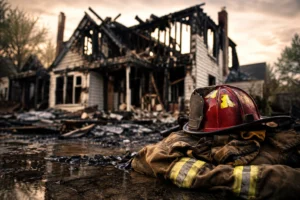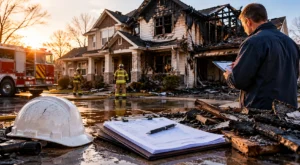

A fire can turn a family’s life upside down in a matter of minutes. Unfortunately, recovering financially can become just as challenging. Understanding How Insurance Companies Undervalue Fire Claims is critical because many homeowners discover that their settlement offer falls short of the actual cost of repairs, replacement, and recovery. While insurance policies are designed to help after a loss, claim valuations are not always as comprehensive as homeowners expect. Fortunately, knowing where undervaluation occurs can help you identify potential problems before accepting a settlement.
Understanding Fire Insurance Claims
Before exploring how insurance companies undervalue fire damage claims it’s important to understand what a fire insurance claim typically covers. Most homeowner policies provide protection for multiple categories of loss, not just the visible fire damage.
Common Fire Claim Coverages
| Coverage Type | Purpose |
|---|---|
| Dwelling Coverage | Repairs or rebuilds the structure |
| Personal Property Coverage | Replaces damaged belongings |
| Additional Living Expenses (ALE) | Covers temporary housing and related costs |
| Debris Removal | Pays for cleanup after the fire |
| Smoke Damage Remediation | Addresses smoke and soot contamination |
| Ordinance and Law Coverage | Covers code-required upgrades |
However, each category must be evaluated separately. As a result, errors in one area can significantly affect the total settlement.
Why Fire Claims Are More Complex Than Other Property Claims
Unlike many property losses, fire damage rarely affects only one area. Instead, a fire often creates multiple layers of damage simultaneously. Flames may destroy building materials, while smoke contaminates unaffected rooms. Meanwhile, water used to extinguish the fire can cause additional damage throughout the structure.
Consequently, fire claims often involve:
- Structural damage
- Smoke contamination
- Water damage
- Electrical system concerns
- Personal property losses
- Temporary housing expenses
Furthermore, some forms of damage remain hidden until repairs begin. For example, smoke residue can penetrate insulation, framing, and ventilation systems even when surfaces appear clean. Similarly, electrical wiring exposed to extreme heat may require replacement despite appearing functional. Because of this complexity, fire claims are among the most frequently disputed property insurance claims. In some situations, understanding material behavior can help explain why hidden damage occurs. Building materials often respond differently to heat and stress, a concept somewhat similar to anisotropy where properties vary depending on structure and direction.
Why Insurance Companies Sometimes Undervalue Fire Claims
Not every undervalued claim results from intentional misconduct. Nevertheless, the financial impact on homeowners can be substantial. In many cases, claim valuations fall short because inspections are limited, information is incomplete, or damage is discovered later.
The Initial Estimate Is Often Incomplete
Most fire claims begin with a property inspection. An adjuster visits the property, documents visible damage, and prepares an estimate based on initial observations. At first glance, that process sounds reasonable. However, visible damage rarely tells the entire story. Fire losses frequently involve hidden conditions that cannot be identified during a brief inspection. Insulation may require removal. Structural framing may be weakened. Smoke contamination may exist behind walls and above ceilings. As repairs begin, additional damage often emerges. Consequently, an initial estimate may represent only a portion of the actual restoration cost.
Hidden Fire Damage Is Frequently Overlooked
Fire damage extends far beyond the burned area. Heat, smoke, soot, and moisture can travel throughout the structure, affecting components that appear untouched. Common hidden damages include:
- Smoke contamination inside wall cavities
- HVAC system contamination
- Electrical wiring damage
- Damaged insulation
- Moisture trapped behind surfaces
- Structural weakening from heat exposure
Moreover, smoke residue can continue causing damage long after the fire is extinguished. Acidic soot particles may corrode electronics, stain surfaces, and create persistent odors. Therefore, professional testing is sometimes necessary to identify the full extent of contamination. While advanced scientific analysis is uncommon in residential claims, technologies such as piezoresponse force microscopy demonstrate how microscopic changes within materials can be detected after exposure to extreme conditions. Without proper investigation, these hidden damages may never appear in the insurance estimate.
Personal Property Valuations Can Be Too Low
Personal property losses represent another major source of disputes. After a fire, homeowners often focus on rebuilding the structure. Meanwhile, the value of lost belongings can be overlooked or underestimated. Furniture, clothing, electronics, tools, collectibles, and household items all contribute to the overall claim value. Unfortunately, insurance companies often apply depreciation when evaluating these items. As a result, settlement amounts may be significantly lower than replacement costs. For example: A television purchased for $1,500 several years ago may be assigned a much lower actual cash value because of depreciation. While depreciation is common under many policies, problems arise when:
- Item descriptions are inaccurate
- Replacement costs are underestimated
- Specialty items are overlooked
- Inventory lists are incomplete
- Product quality is misclassified
Consequently, homeowners may receive less compensation than necessary to replace their belongings.
Contractors and Adjusters May Use Different Repair Scopes
Another reason fire damage insurance claims become undervalued involves differences in repair estimates. Insurance adjusters and restoration contractors often evaluate damage differently. A contractor may identify extensive demolition requirements, code upgrades, smoke remediation procedures, and specialized cleaning needs. Meanwhile, an insurance estimate may include only basic repairs. This difference can dramatically affect settlement amounts. Consider the following example:
| Repair Item | Contractor Scope | Initial Insurance Scope |
|---|---|---|
| Insulation Replacement | Entire affected area | Partial replacement |
| HVAC Decontamination | Full system cleaning | Not included |
| Smoke Sealing | Multiple rooms | Limited treatment |
| Electrical Evaluation | Complete inspection | Spot review only |
| Code Upgrades | Included | Excluded |
Although each omission may seem minor individually, together they can create thousands of dollars in uncovered costs.
Common Areas Where Fire Claims Are Undervalued
Understanding where valuation gaps occur can help homeowners identify potential problems before agreeing to a settlement.
Structural Repairs
Structural damage is one of the most significant components of a fire claim. Unfortunately, it is also one of the easiest areas to underestimate. Fire may weaken:
- Roof structures
- Floor systems
- Wall framing
- Support beams
- Ceiling assemblies
Additionally, reconstruction often requires compliance with current building codes. As a result, repair costs frequently exceed initial estimates. Commonly overlooked structural expenses include:
- Engineering evaluations
- Structural inspections
- Framing replacement
- Insulation replacement
- Demolition work
- Debris removal
Therefore, obtaining independent contractor estimates can provide valuable insight into the true cost of repairs.
Smoke and Soot Remediation
Many homeowners assume smoke damage is primarily cosmetic. In reality, smoke contamination can affect nearly every surface inside a home. Tiny soot particles spread through:
- Air ducts
- Attics
- Cabinets
- Insulation
- Upholstery
- Electronics
Furthermore, lingering smoke odors often require specialized treatment. Proper remediation may involve:
- HEPA vacuuming
- Air scrubbing
- Thermal fogging
- Ozone treatment
- Surface sealing
- Specialized cleaning products
However, some estimates include only basic cleaning procedures. Consequently, homeowners may face ongoing odor and contamination issues after repairs are completed.
Electrical Systems
Electrical damage frequently receives less attention than visible structural damage. Yet electrical systems exposed to heat can become unsafe even when no obvious signs of damage exist. Common electrical claim expenses include:
- Wiring replacement
- Electrical panel replacement
- Outlet replacement
- Safety inspections
- Code compliance upgrades
Additionally, local building departments may require comprehensive electrical inspections before reconstruction proceeds. These costs can quickly increase the overall claim value.
Personal Property Losses
Inventory-related issues remain one of the leading causes of underpaid fire claims. After experiencing a devastating loss, many homeowners simply cannot remember every item they owned. Nevertheless, insurance companies rely heavily on inventory documentation. Frequently overlooked belongings include:
- Garage tools
- Holiday decorations
- Sporting equipment
- Home office equipment
- Kitchen accessories
- Storage room contents
Each omitted item reduces the total settlement. Therefore, creating a detailed inventory is one of the most important steps in the claims process.
Additional Living Expenses (ALE)
When a home becomes uninhabitable, Additional Living Expenses coverage helps families maintain normal living arrangements during repairs. These expenses may include:
- Hotel accommodations
- Rental housing
- Restaurant meals
- Laundry services
- Transportation costs
- Storage fees
However, disputes often arise regarding what expenses are reasonable and necessary. As a result, some homeowners receive less reimbursement than expected.
How Depreciation Reduces Claim Payments
One of the most misunderstood aspects of fire insurance claims involves depreciation. Insurance companies frequently calculate initial payments using Actual Cash Value (ACV). This method subtracts depreciation from replacement cost. For example:
| Item | Replacement Cost | Depreciation | Initial ACV Payment |
|---|---|---|---|
| Sofa | $2,500 | $1,000 | $1,500 |
| Refrigerator | $3,000 | $1,200 | $1,800 |
| Television | $1,500 | $600 | $900 |
Consequently, the first payment may be significantly lower than the amount required to purchase new items. Some policies allow homeowners to recover withheld depreciation after replacement purchases are completed. Therefore, understanding your policy’s settlement provisions is essential.
Common Depreciation Mistakes
While depreciation is normal, mistakes can occur. Examples include:
- Incorrect item ages
- Excessive depreciation percentages
- Wrong product categories
- Understated replacement costs
- Failure to release recoverable depreciation
Therefore, reviewing depreciation calculations carefully can uncover substantial discrepancies.
The Impact of Incomplete Fire Damage Inventories
Finally, even the best insurance policy cannot compensate for property that is never documented. Insurance companies can only evaluate items that appear in the claim inventory. As a result, incomplete inventories often lead directly to undervalued settlements. A strong inventory should include:
- Item descriptions
- Brand names
- Model numbers
- Purchase dates
- Estimated replacement costs
- Supporting photographs
- Receipts when available
The more detailed your documentation, the stronger your claim becomes. Ultimately, thorough documentation creates the foundation for recovering the full value of a fire loss and avoiding many of the valuation issues discussed throughout this article.
How Smoke Damage Is Commonly Underestimated
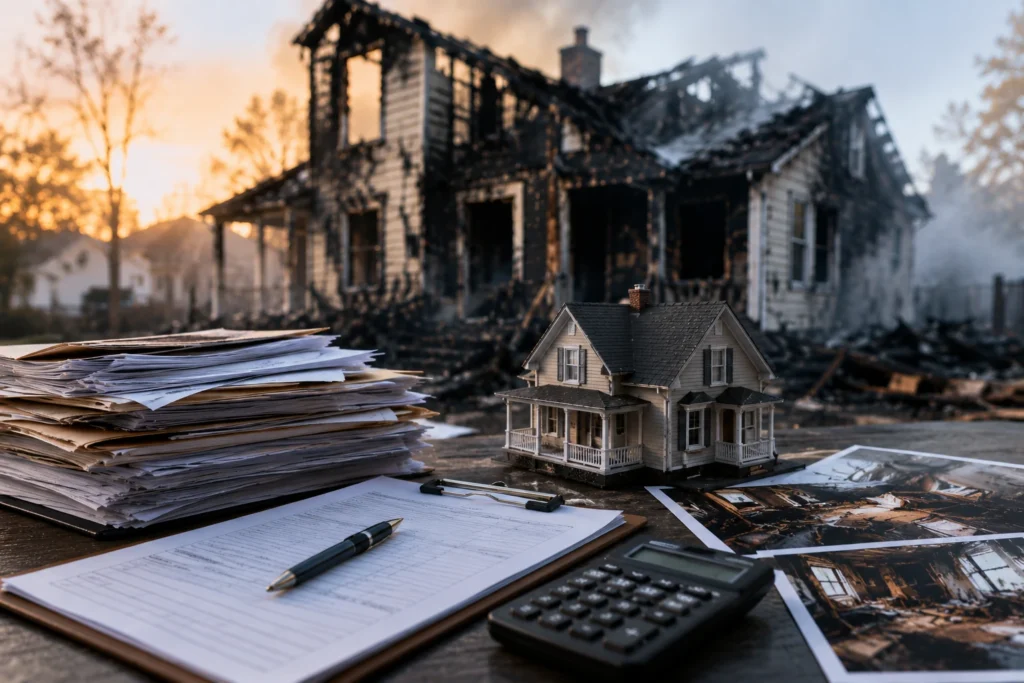
While flames often receive the most attention, smoke damage can create equally serious problems. In fact, many undervalued fire insurance claims involve smoke contamination rather than direct fire damage. Smoke travels quickly through a structure. Consequently, rooms that never experienced flames may still require extensive cleaning and restoration.
Smoke Damage Extends Beyond Burned Areas
Smoke particles can settle on nearly every surface inside a home. This includes:
- Walls
- Ceilings
- Furniture
- Electronics
- Clothing
- HVAC systems
Furthermore, soot particles are often acidic. Over time, they can corrode metal surfaces, damage electronics, and discolor building materials. As a result, a simple cleaning may not fully resolve the problem.
Long-Term Effects of Smoke Exposure
Even after repairs are completed, smoke contamination can continue causing issues. Common long-term effects include:
- Persistent odors
- Indoor air quality concerns
- Material deterioration
- Corrosion of electronic components
- Staining on surfaces
Therefore, professional smoke remediation is often necessary to restore a property properly.
Why Professional Testing May Be Necessary
In some situations, contamination is not visible. Consequently, restoration professionals may perform:
- Surface testing
- Air quality testing
- HVAC contamination assessments
- Moisture evaluations
These reports can provide valuable documentation when disputing an undervalued fire claim.
Fire Damage Claim Supplements: Recovering Missed Costs
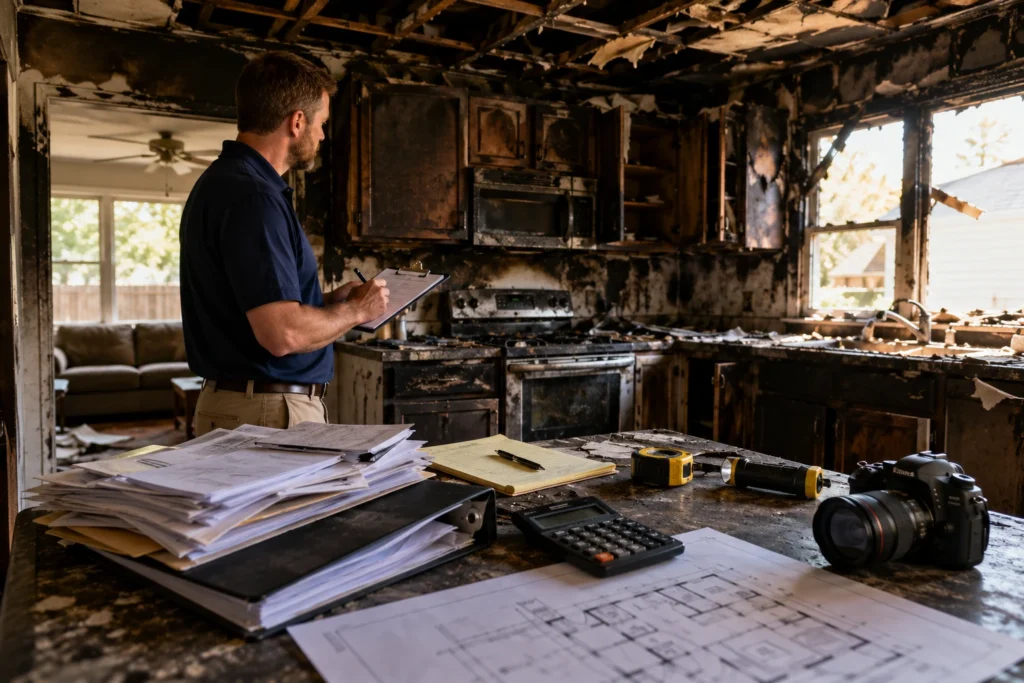
Even the most thorough initial inspection may miss damage. Therefore, supplements are common in fire claims.
What Is a Claim Supplement?
A supplement is an additional request for payment based on newly discovered damage or previously omitted repair costs. Rather than accepting an incomplete estimate, homeowners can submit supporting documentation that justifies additional compensation.
Situations That Often Require Supplements
Fire claim supplements frequently involve:
- Hidden structural damage
- Additional demolition requirements
- Smoke contamination discoveries
- Electrical system issues
- Code-related upgrades
- Water damage identified during repairs
As reconstruction progresses, these costs often become more apparent.
Documentation Needed for a Successful Supplement
Strong documentation remains essential. Helpful evidence includes:
- Contractor reports
- Photographs
- Engineering evaluations
- Smoke testing results
- Electrical inspection reports
- Detailed repair estimates
The stronger the evidence, the stronger the supplement request becomes.
Red Flags That Your Fire Claim May Be Undervalued
Not every settlement is unfair. However, certain warning signs deserve closer examination.
The Settlement Arrives Extremely Quickly
Although a fast response sounds appealing, complex fire losses typically require extensive evaluation. Therefore, unusually quick settlements may indicate that certain damages have not yet been identified.
Contractor Estimates Are Significantly Higher
If multiple contractors provide estimates that greatly exceed the insurance company’s valuation, further review may be necessary. While estimates will vary, substantial differences should not be ignored.
Important Damage Is Missing
Review the estimate carefully. Common omissions include:
- Smoke remediation
- HVAC cleaning
- Electrical inspections
- Insulation replacement
- Code upgrades
Missing items often signal an incomplete scope of work.
Personal Property Values Seem Unreasonably Low
Likewise, inventory valuations deserve close attention. If replacement costs appear unrealistic, additional documentation may support higher values.
Additional Living Expenses Are Limited
Temporary housing and related costs can become substantial after a major fire. Therefore, denied or reduced ALE reimbursements should be carefully reviewed.
What Homeowners Can Do Before Accepting a Settlement
Before signing any final settlement agreement, homeowners should perform their own review.
Review Every Line Item
Do not focus solely on the total amount. Instead, examine each category individually. Look for:
- Missing repairs
- Incorrect measurements
- Incomplete cleaning allowances
- Omitted personal property
Small errors can create large financial differences.
Obtain Independent Estimates
Additionally, seek estimates from qualified contractors and restoration professionals. Independent evaluations often identify damage that initial inspections overlooked.
Maintain Detailed Records
Documentation remains one of the most valuable tools during any claim. Keep:
- Photos
- Videos
- Receipts
- Contractor communications
- Inspection reports
- Expense records
The more evidence you have, the easier it becomes to support your position.
Understand Your Policy
Many disputes stem from misunderstandings about coverage. Therefore, review your policy carefully or seek professional guidance if necessary.
How a Public Adjuster Helps With Undervalued Fire Claims
When settlement disputes arise, many homeowners turn to public adjusters. Unlike insurance company adjusters, public adjusters represent the policyholder.
Independent Damage Evaluation
First, a public adjuster conducts an independent assessment of the loss. This evaluation often uncovers damages that were missed or underestimated.
Policy Interpretation
Insurance policies contain complex provisions. Therefore, understanding available coverages can significantly affect claim value. A public adjuster helps identify:
- Additional coverages
- Applicable endorsements
- Code upgrade provisions
- Recoverable depreciation opportunities
Documentation and Claim Preparation
Strong claims require strong evidence. Consequently, public adjusters assist with:
- Inventory preparation
- Damage documentation
- Repair estimates
- Supplement packages
Negotiation Support
Perhaps most importantly, public adjusters negotiate directly with insurance carriers. Their goal is to support a fair settlement based on documented damages rather than assumptions.
Real-World Examples of Fire Claim Undervaluation
Example 1: Hidden HVAC Contamination
A homeowner experienced a kitchen fire. Initially, the insurance estimate included basic cleaning. However, further inspection revealed smoke contamination throughout the HVAC system. Consequently, additional cleaning and component replacement increased the claim value significantly.
Example 2: Electrical Damage Discovery
In another claim, visible fire damage appeared limited. However, electricians later discovered heat-damaged wiring behind walls. As a result, substantial electrical repairs were added through a supplement.
Example 3: Incomplete Personal Property Inventory
A family initially listed major household items but overlooked garage contents, storage items, and seasonal decorations. After revising the inventory, the personal property portion of the claim increased considerably.
Example 4: Underpaid Additional Living Expenses
Temporary housing expenses exceeded the original reimbursement amount. Fortunately, detailed receipts and documentation supported additional payments.
Steps to Take If You Believe Your Fire Claim Is Underpaid
If you suspect your settlement is too low, act promptly.
Gather Supporting Documentation
First, collect all available evidence. This includes:
- Contractor estimates
- Photographs
- Inspection reports
- Receipts
- Correspondence
Compare Estimates
Next, compare independent repair estimates with the insurance company’s scope of work. Identify missing items and valuation differences.
Request a Claim Review
Many issues can be resolved through additional review. Therefore, submit supporting evidence and request reconsideration.
Submit Additional Documentation
If new damage is discovered, provide updated documentation immediately. Strong evidence often leads to successful supplements.
Consult a Public Adjuster
Finally, consider professional assistance if significant disputes remain unresolved. An experienced public adjuster can provide an independent evaluation and advocate for a fair settlement.
Final Thoughts
Ultimately, understanding How Insurance Companies Undervalue Fire Claims can help homeowners avoid costly mistakes. While many claims are handled fairly, incomplete estimates, hidden damage, depreciation issues, and documentation gaps can reduce settlements. Therefore, reviewing every aspect of your claim and supporting it with detailed evidence can make a significant difference in your financial recovery after a fire.
FAQs
Fire claims are complex, and some damages may be overlooked, underestimated, or discovered after the initial inspection. Incomplete documentation can also contribute to lower settlements.
If contractor estimates are significantly higher than the insurance estimate or important damages are missing from the scope of work, your claim may be undervalued.
Most standard homeowners’ insurance policies cover smoke damage resulting from a covered fire. Coverage details vary based on the policy and circumstances of the loss.
A fire claim supplement is a request for additional compensation when new damage is discovered or previously omitted repair costs are identified during restoration.
Yes. Smoke and soot particles can travel throughout a home, contaminating rooms, furniture, electronics, and HVAC systems far from the source of the fire.
Photographs, videos, receipts, contractor estimates, inspection reports, and detailed personal property inventories can all strengthen a fire claim.
Not necessarily. It is important to review the estimate carefully and compare it with independent repair evaluations before accepting any final settlement.
In some situations, claims can be reopened if additional damage is discovered or if policy provisions allow for supplemental payments. Requirements vary by insurer and policy.
Depreciation reduces the value assigned to damaged property based on age and condition, which can lower initial payments under Actual Cash Value settlements.
A public adjuster can evaluate the loss independently, document damages, prepare supplements, and negotiate with the insurance company on behalf of the policyholder.