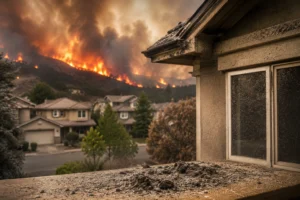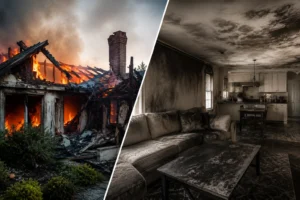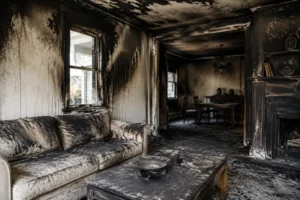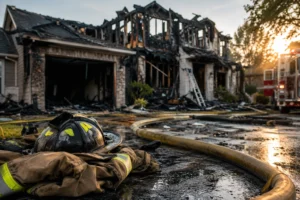

Wildfires can devastate communities without ever touching a home with flames. In many cases, smoke alone causes extensive property damage that leaves homeowners facing costly repairs and frustrating insurance disputes. That’s why understanding Wildfire Smoke Damage Claims is so important. I’ve seen many homeowners assume that if their house didn’t burn, they escaped major losses. However, that’s often not the case. Smoke can travel for miles. As a result, it can penetrate walls, insulation, furniture, HVAC systems, electronics, and personal belongings. Some damage is obvious, while much of it remains hidden. Furthermore, insurance companies may underestimate the full scope of contamination if the claim is not properly documented from the beginning.
Whether you’re currently dealing with wildfire smoke damage or simply want to understand the process before disaster strikes, this guide will help you navigate the challenges and protect your financial recovery.
What Is Wildfire Smoke Damage?
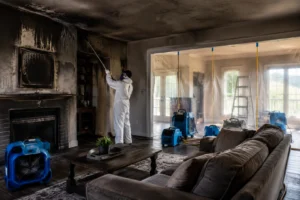
When most people think about wildfire losses, they picture flames consuming structures. However, smoke damage operates very differently. Wildfire smoke contains a mixture of microscopic particles, soot, ash, chemicals, and combustion byproducts. These contaminants can enter a property through doors, windows, vents, and even tiny openings in the building envelope. Once inside, they settle on surfaces and circulate through ventilation systems. Consequently, nearly every part of a home can be affected.
Common Types of Smoke Damage
Wildfire smoke can create several forms of property damage:
- Soot deposits on walls and ceilings
- Smoke odors embedded in materials
- HVAC contamination
- Corrosion of electronic components
- Staining of surfaces
- Contaminated insulation
- Reduced indoor air quality
- Damage to furniture and personal belongings
Some effects appear immediately. Meanwhile, others become noticeable weeks or even months later. Because of this, Wildfire Smoke Damage Claims are often more complicated than homeowners initially expect.
Smoke Damage Isn’t Always Visible
One of the biggest challenges involves invisible contamination. A home may appear relatively clean while smoke particles remain trapped inside:
- Drywall
- Carpet padding
- Upholstered furniture
- Insulation
- Air ducts
- Attics
- Crawl spaces
Therefore, the absence of visible soot does not necessarily mean the property is free from damage.
Does Homeowners Insurance Cover Wildfire Smoke Damage?
In many cases, yes. Most standard homeowners insurance policies provide coverage for smoke damage resulting from covered perils, including wildfires. However, coverage details can vary significantly between policies.
Areas Often Covered
Coverage frequently extends to:
| Coverage Type | Potential Benefits |
|---|---|
| Dwelling Coverage | Repairs to the structure |
| Personal Property Coverage | Damaged belongings |
| Additional Living Expenses (ALE) | Temporary housing costs |
| Debris and Cleanup | Smoke and soot remediation |
Even so, every claim depends on the policy language and specific circumstances of the loss.
Common Coverage Disputes
Insurance companies may challenge:
- Whether damage is wildfire-related
- The extent of contamination
- The necessity of replacing materials
- Indoor air quality concerns
- Personal property losses
As a result, these disagreements often become the central issue in Wildfire Smoke Damage Claims.
Why Policy Language Matters
Two homeowners on the same street may receive very different claim outcomes. Why? Because insurance policies differ. Coverage endorsements, exclusions, limits, and conditions can significantly affect recovery. Therefore, reviewing the policy carefully before accepting a settlement is often a wise decision.
Signs of Smoke Damage After a Wildfire
Some evidence is easy to spot. However, other signs require a trained eye. Therefore, homeowners should inspect both visible and hidden areas of the property whenever possible.
Visible Signs
Common indicators include:
- Ash accumulation
- Black soot residue
- Ceiling discoloration
- Stained walls
- Dirty air filters
- Dust-like residue on furniture
These symptoms often provide the first clues that smoke entered the property.
Hidden Signs
Many smoke-related problems remain concealed. Potential hidden damage includes:
- HVAC contamination
- Insulation contamination
- Air duct deposits
- Smoke intrusion into wall cavities
- Corrosion of sensitive electronics
Without thorough inspections, these issues may go unnoticed. Consequently, important repair costs may never be included in the insurance claim.
Persistent Odors
Odor is frequently one of the strongest indicators of contamination. If a smoke smell remains despite cleaning efforts, contaminants may still exist within building materials. This is where many homeowners encounter difficulties. For example, the insurer may approve basic cleaning while the odor persists because deeper contamination was never identified.
How Wildfire Smoke Damage Is Evaluated
Proper evaluation forms the foundation of successful claims. Consequently, obtaining professional assessments early can significantly strengthen the documentation process. The stronger the evidence, the stronger the claim.
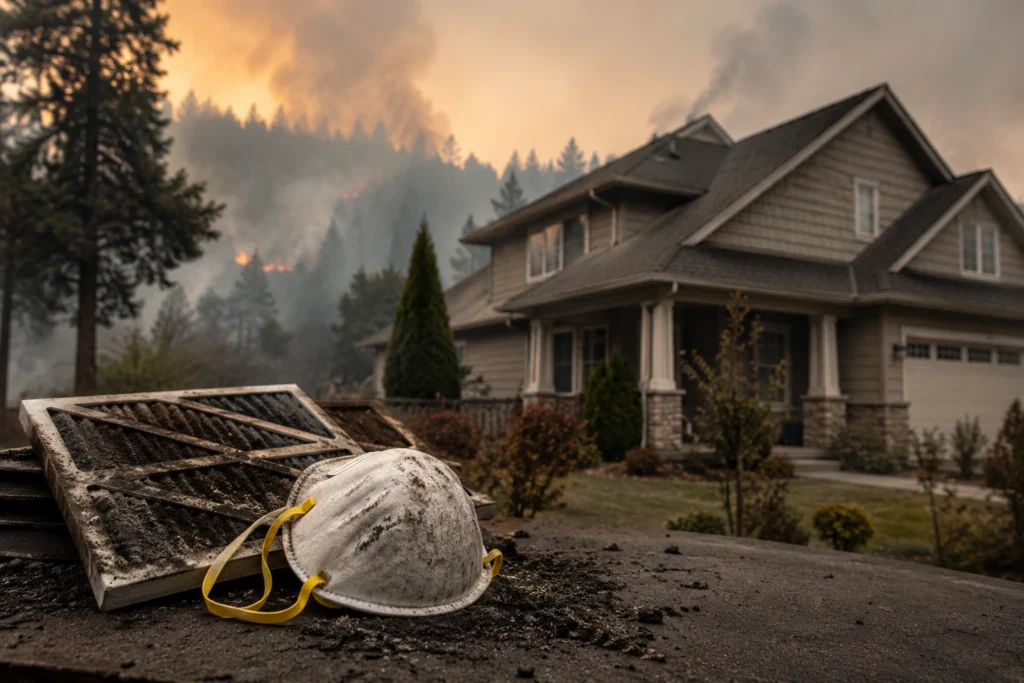
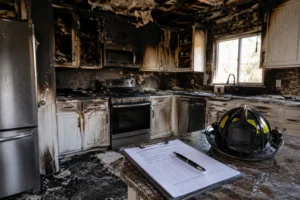
Professional Inspections
Experienced inspectors often evaluate:
- Visible soot damage
- Structural contamination
- HVAC systems
- Attics and crawl spaces
- Air filtration systems
A comprehensive inspection helps establish the full scope of loss. Professional inspections often involve a systematic evaluation process. In some cases, experts use methods similar to a taxonomy approach, organizing damage findings into categories to better understand the scope and severity of contamination throughout the property.
Environmental Testing
Testing may be necessary when contamination levels are disputed. Examples include:
- Air quality testing
- Surface sampling
- Soot analysis
- Particle testing
These reports can provide objective evidence supporting the claim. In addition, environmental testing can generate large amounts of data that require careful interpretation. Some specialists compare the process to studying a stochastic process, where numerous variables interact over time and influence overall outcomes. While smoke damage assessments are not mathematical models, the concept illustrates why professional analysis is often necessary.
Restoration Contractor Assessments
Restoration professionals may recommend:
- Cleaning
- Sealing
- Deodorization
- Material replacement
- HVAC remediation
Their findings often become important supporting documentation. Furthermore, contractor assessments frequently help identify hidden damage that may not appear during an initial insurance inspection.
Why Thorough Evaluation Matters
A quick inspection can overlook major issues. By contrast, a thorough inspection may uncover:
| Commonly Missed Area | Potential Problem |
|---|---|
| Attics | Smoke particle accumulation |
| Insulation | Embedded contamination |
| HVAC Systems | Distribution of contaminants |
| Electronics | Corrosion damage |
| Ductwork | Ongoing air quality issues |
As a result, small omissions can lead to significant underpayments later.
Common Challenges in Wildfire Smoke Damage Claims
Not every claim proceeds smoothly. In fact, many homeowners encounter resistance during the adjustment process.
Cleaning Versus Replacement Disputes
This is one of the most common disagreements. Insurance companies may argue that cleaning is sufficient. On the other hand, property owners and restoration experts may believe replacement is necessary. Examples include:
- Insulation
- Carpet padding
- Upholstered furniture
- Soft goods
- Certain building materials
Ultimately, the disagreement often centers on whether contaminants can truly be removed.
Hidden Damage Gets Missed
Smoke reaches places that people rarely inspect. I’ve seen situations where:
- HVAC systems remained contaminated
- Attics were overlooked
- Insulation was never evaluated
- Ductwork received only superficial cleaning
When these areas aren’t included in the original estimate, claim settlements may fall short of actual restoration costs.
Indoor Air Quality Concerns
Air quality issues create another challenge. Unlike a broken window or damaged roof, air contamination isn’t always visible. As a result, homeowners may experience:
- Lingering odors
- Irritated eyes
- Respiratory discomfort
- Reduced indoor comfort
Yet proving these conditions often requires professional testing and expert analysis.
Personal Property Disputes
Many homeowners focus on structural damage first. That’s understandable. However, personal property losses can be substantial. Smoke contamination may affect:
- Clothing
- Furniture
- Electronics
- Artwork
- Collectibles
- Appliances
Unfortunately, insurance companies sometimes undervalue these items or question whether replacement is necessary. Therefore, maintaining a detailed inventory becomes critical.
Documenting Smoke Damage for Your Insurance Claim
Documentation can make or break a claim. For that reason, homeowners should begin collecting evidence as soon as it is safe to do so. The goal is simple: create a clear, evidence-based record of damage.
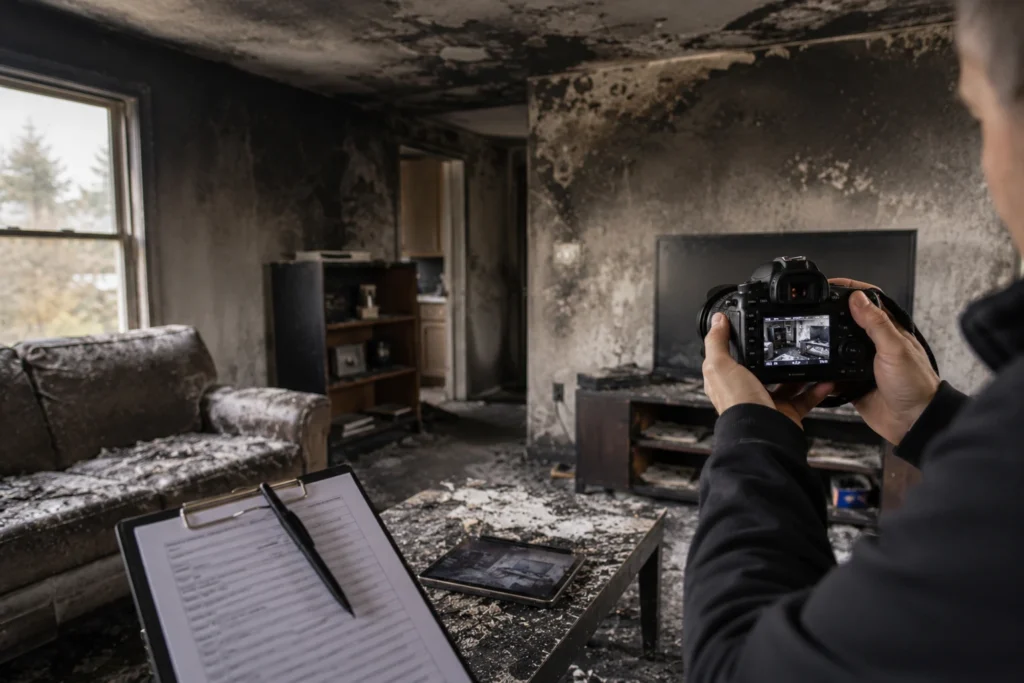
Take More Photos Than You Think You Need
Photograph:
- Every room
- Visible soot
- Ash accumulation
- Air filters
- Damaged belongings
- Exterior conditions
Wide-angle shots help show context. Meanwhile, close-up photos capture important details. Both matter.
Create a Detailed Inventory
List every affected item. Include:
- Description
- Age
- Estimated value
- Purchase information
- Photographs
A well-organized inventory can significantly strengthen Wildfire Smoke Damage Claims and help support the value of personal property losses.
Save Every Report
Keep copies of:
- Inspection reports
- Contractor estimates
- Environmental testing
- Air quality assessments
- Repair invoices
The more supporting evidence you have, the easier it becomes to justify the claim value. Furthermore, organized documentation can help resolve disputes more efficiently if questions arise later in the claims process.
Wildfire Smoke Damage Claims and Additional Living Expenses (ALE)
Smoke damage doesn’t just affect your property. It can also disrupt your daily life. In some situations, a home becomes temporarily uninhabitable due to contamination, restoration work, or poor indoor air quality. When that happens, Additional Living Expenses (ALE) coverage may help. ALE is designed to cover reasonable expenses that arise because you cannot live in your home during repairs. Therefore, understanding this coverage can be just as important as understanding the property damage portion of your claim.
When Relocation May Be Necessary
Every situation is different. However, temporary relocation is often considered when:
- Air quality poses health concerns
- Extensive smoke remediation is underway
- HVAC systems require replacement or cleaning
- Odors make the home difficult to occupy
- Restoration contractors recommend vacancy during repairs
Many homeowners hesitate to leave because they worry insurance will not reimburse their expenses. However, that can be a costly mistake. If professionals determine the property is unsuitable for occupancy, keeping detailed records of relocation costs becomes essential.
Expenses Often Covered Under ALE
Potential covered expenses may include:
| Expense Type | Examples |
|---|---|
| Temporary Housing | Hotels, rentals, short-term housing |
| Food Costs | Increased meal expenses |
| Transportation | Additional commuting costs |
| Laundry Services | When home facilities are unavailable |
| Storage Costs | Temporary storage of belongings |
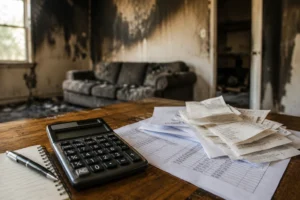
The key word is documentation. Therefore, save every receipt. In addition, create digital copies whenever possible. You may even want to maintain a spreadsheet to track expenses. As a result, reimbursement requests are often easier to support and process.
Common ALE Mistakes
Homeowners often run into avoidable problems. For example:
- Throwing away receipts
- Failing to track expenses
- Assuming all costs are automatically covered
- Waiting too long to submit documentation
Fortunately, a little organization can prevent major headaches later.
Why Smoke Damage Claims Are Frequently Underpaid
One of the most frustrating realities of Wildfire Smoke Damage Claims is that many settlements fail to reflect the true scope of loss. This doesn’t always happen because of bad intentions. Instead, the claim may simply lack sufficient documentation or a complete inspection. Either way, the result can be the same: insufficient funds to complete restoration.
Incomplete Inspections
Insurance inspections are often conducted under tight schedules. As a result, adjusters may focus on visible damage while overlooking hidden contamination. Areas frequently missed include:
- Attics
- Insulation
- Wall cavities
- Ductwork
- Crawl spaces
- Electronics
Unfortunately, smoke doesn’t limit itself to visible surfaces. Therefore, incomplete inspections can lead to incomplete estimates.
Underestimating Cleaning Requirements
Cleaning smoke contamination is rarely as simple as wiping down walls. Instead, proper remediation may involve:
- Specialized cleaning products
- HEPA vacuuming
- Thermal fogging
- Ozone treatment
- Sealants
- HVAC cleaning
If these procedures are not included in the estimate, repair costs can quickly exceed the insurance payment. Consequently, homeowners may find themselves paying out of pocket for necessary work.
Personal Property Is Often Undervalued
Homeowners frequently underestimate their own losses. A few shirts here. A damaged appliance there. Several contaminated pieces of furniture. Individually, these items may seem minor. However, together they can represent thousands of dollars in losses. For that reason, a complete inventory remains one of the most powerful tools available during Wildfire Smoke Damage Claims.
Long-Term Contamination Risks
Smoke damage is not always immediate. In fact, contaminants left behind can continue causing issues long after the wildfire is gone. Potential consequences include:
- Persistent odors
- Corrosion of electronics
- Reduced HVAC efficiency
- Ongoing air quality concerns
Therefore, failing to address these issues early may create larger problems down the road.
How a Public Adjuster Can Help With Wildfire Smoke Damage Claims
Many homeowners have never worked with a public adjuster before. That’s understandable. After all, most people don’t file major property claims regularly. A public adjuster works on behalf of the policyholder rather than the insurance company. Therefore, their focus is on documenting and presenting the full extent of covered damages.
Independent Damage Evaluation
One of the first benefits is obtaining an independent assessment. Rather than relying solely on the insurer’s evaluation, homeowners gain another perspective regarding:
- Scope of damage
- Restoration requirements
- Personal property losses
- Additional living expenses
Furthermore, a thorough evaluation often reveals items that were not initially included in the insurance estimate.
Organizing Claim Documentation
Strong claims rely on strong evidence. As a result, public adjusters often help organize:
- Photographs
- Inventories
- Inspection reports
- Contractor estimates
- Policy documentation
Organization matters. Consequently, claims supported by detailed records are generally easier to present and defend.
Negotiating Claim Disputes
Disagreements can occur regarding:
- Cleaning versus replacement
- Scope of repairs
- Personal property valuation
- ALE reimbursement
- Indoor air quality concerns
When these disputes arise, a public adjuster can help present evidence and communicate with the insurance company throughout the process.
When Homeowners Often Seek Assistance
Many property owners consider professional help when:
- The loss is substantial
- Smoke contamination is widespread
- Settlement offers appear low
- The claim becomes delayed
- Coverage disputes arise
Although every situation is unique, complex Wildfire Smoke Damage Claims often benefit from additional expertise.
Steps to Take Immediately After Wildfire Smoke Exposure
The actions taken during the first few days can significantly affect the outcome of a claim. Therefore, homeowners should act carefully and methodically.
Prioritize Safety First
Your health comes first. Before evaluating damage, consider:
- Wearing appropriate respiratory protection
- Limiting exposure to affected areas
- Following local air quality advisories
Property can be repaired. However, health concerns should never be ignored.
Document Conditions Immediately
Do not wait. Instead, begin documenting conditions as soon as it is safe to enter the property. Capture:
- Ash deposits
- Soot residue
- Exterior conditions
- Interior contamination
- Damaged belongings
Early documentation creates a valuable record before cleanup begins.
Notify Your Insurance Company Promptly
Most policies require timely reporting. Therefore, when contacting your insurer:
- Record claim numbers
- Save correspondence
- Document phone calls
- Keep copies of emails
A simple claim journal can prove extremely useful later.
Avoid Premature Disposal
Many homeowners make this mistake. They throw away contaminated items before documentation occurs. However, evidence is often one of the strongest components of a successful claim. Whenever practical:
- Photograph items first
- Obtain approval when required
- Keep samples if recommended
Once evidence is gone, it can be difficult to prove the extent of damage.
Obtain Professional Assessments Early
Waiting too long can complicate matters. Therefore, early inspections help identify:
- Hidden contamination
- Air quality concerns
- HVAC issues
- Necessary restoration work
The sooner problems are identified, the easier they are to document and support during the claims process.
Final Thoughts on Wildfire Smoke Damage Claims
Wildfire smoke can cause significant property damage even when flames never reach your home. In addition, hidden contamination, lingering odors, damaged belongings, and indoor air quality concerns can all increase restoration costs. That’s why Wildfire Smoke Damage Claims require thorough documentation, professional evaluations, and careful attention to detail. The stronger your evidence, the stronger your claim. Ultimately, if your property has been affected by wildfire smoke, act quickly, document everything, and review your policy carefully. By doing so, you can place yourself in a stronger position throughout the claims process and improve your chances of achieving a fair settlement.
FAQs
In many cases, yes. Most homeowners’ insurance policies cover smoke damage from a nearby wildfire even if flames never reach the property.
It can. Persistent smoke odors may indicate contamination within building materials, insulation, HVAC systems, or personal belongings.
The deadline depends on your insurance policy and state laws. It’s best to report the damage as soon as possible after discovering it.
Potentially. Smoke particles can corrode internal components, and many policies provide coverage if the damage is directly related to the wildfire event.
Minor steps to prevent further damage may be appropriate, but extensive cleaning should generally wait until the damage is documented and inspected.
Photographs, videos, inspection reports, air quality tests, contractor estimates, inventories, and receipts can all help support your claim.
It depends on the level of contamination and the recommendations of restoration professionals. Some situations require replacement to fully address smoke damage.
If the home becomes uninhabitable and your policy includes Additional Living Expenses coverage, temporary housing costs may be covered.
Claims may be underpaid when inspections miss hidden contamination, personal property losses are undervalued, or restoration requirements are underestimated.
You may want to consider a public adjuster if your claim is large, complex, delayed, disputed, or if you believe the settlement offer does not reflect the full extent of your loss.