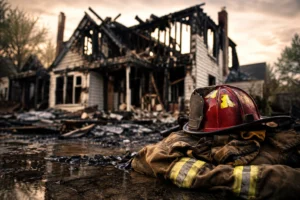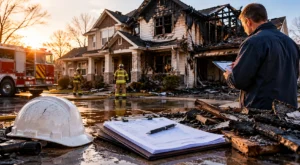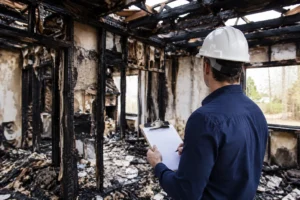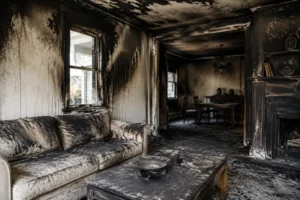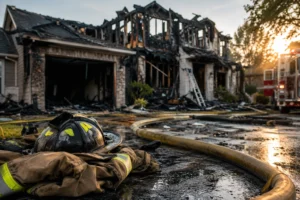

A fire can cause devastating damage in a matter of minutes. Beyond the visible destruction, property owners often face smoke contamination, water damage, temporary housing costs, and a complicated insurance claim. That’s why one question becomes incredibly important: What Does Fire Insurance Actually Cover? Many homeowners and business owners assume their policy covers every loss associated with a fire. Unfortunately, that’s not always true. Coverage depends on the policy language, coverage limits, exclusions, and the specific circumstances of the loss. Understanding What Does Fire Insurance Actually Cover? before disaster strikes can help you avoid surprises, better protect your property, and navigate the claims process with greater confidence.
What Is Fire Insurance?
Fire insurance is coverage designed to protect property owners from financial losses caused by a covered fire event. Most homeowners, condominium, renters, and commercial property insurance policies include fire coverage as part of the overall policy. However, not all policies provide the same protection. Coverage can vary based on:
- Policy type
- Coverage limits
- Deductibles
- Endorsements
- Exclusions
- Settlement methods
As a result, two policyholders with similar fire damage may receive very different claim payments. Therefore, understanding your specific policy is one of the most important steps you can take before a loss occurs.
Why Understanding Fire Coverage Matters
Many property owners don’t review their insurance policies until after a disaster happens. Unfortunately, that’s often when surprises emerge. Some discover their coverage limits are too low. Others learn certain types of property have coverage restrictions. Meanwhile, some find out their policy pays actual cash value rather than replacement cost. The more you understand your coverage before a fire occurs, the better prepared you’ll be to make informed decisions during the recovery process. Furthermore, understanding What Does Fire Insurance Actually Cover? helps set realistic expectations and reduces confusion during a claim.
What Types of Fire Damage Are Typically Covered?
When most people think about fire damage, they picture flames destroying part of a structure. In reality, fire losses often involve multiple types of damage.
Structural Damage
Structural damage is typically the largest component of a fire insurance claim. Coverage may include repairs or replacement of:
- Roofing systems
- Exterior walls
- Interior walls
- Ceilings
- Flooring
- Doors
- Windows
- Built-in cabinetry
- Attached garages
If a kitchen fire spreads into nearby rooms or the attic, insurance may help pay for restoring those damaged areas. In severe cases, entire sections of a structure may need to be rebuilt. Additionally, reconstruction costs may include demolition, debris removal, permits, and labor expenses depending on policy terms.
Smoke Damage
Smoke often causes damage far beyond the area touched by flames. In many cases, smoke travels throughout a property through hallways, air ducts, and ventilation systems. As a result, smoke contamination may affect:
- Furniture
- Walls
- Ceilings
- Carpeting
- Clothing
- Electronics
Soot residue can permanently stain surfaces if not addressed quickly. Moreover, smoke odors can linger for months without proper remediation. Professional restoration companies frequently use specialized cleaning techniques to remove contamination and restore indoor air quality. In some complex losses, specialists may use analytical methods similar to those found in spectroscopy to evaluate contamination levels and determine the extent of restoration needed.
Water Damage From Firefighting Efforts
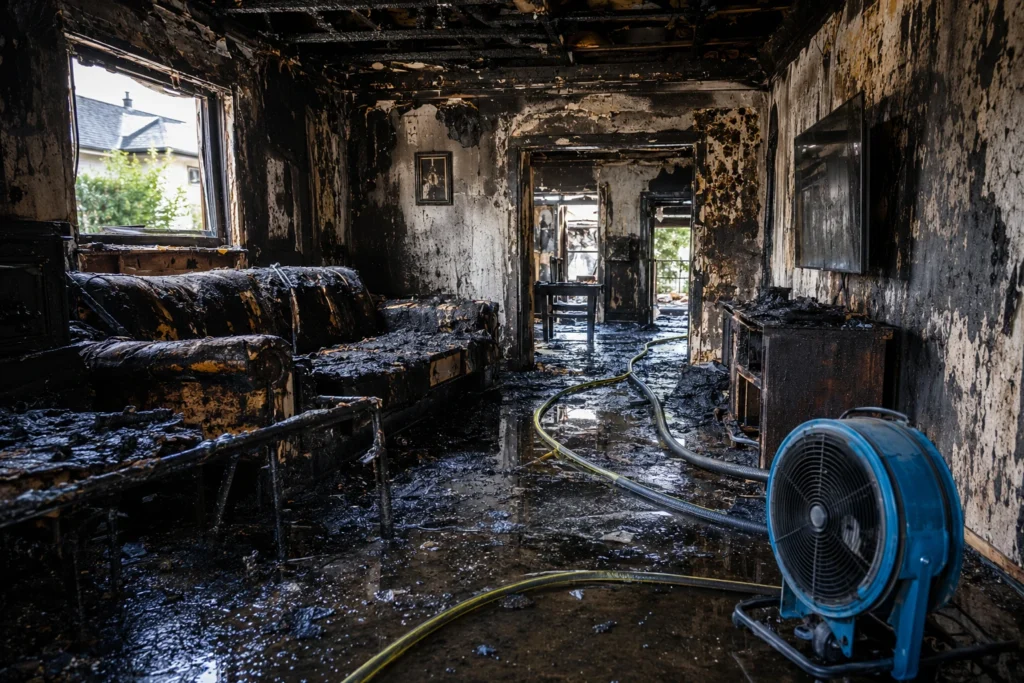
Ironically, one of the most common forms of damage after a fire is water damage. Firefighters often use large volumes of water to extinguish flames. While necessary, those efforts can create significant secondary damage throughout the property. Coverage may include:
- Water extraction
- Structural drying
- Dehumidification
- Moisture monitoring
- Mold prevention services
Consequently, many fire insurance claims involve both fire restoration and water mitigation work. Without prompt drying, additional problems can develop, increasing repair costs and extending restoration timelines.
Electrical System Damage
Fires frequently affect electrical systems. Heat, smoke, and direct flame exposure can damage:
- Electrical wiring
- Breaker panels
- Outlets
- Switches
- Light fixtures
In some cases, damage may not be immediately visible. Therefore, licensed electricians often perform detailed inspections to identify hidden hazards before repairs begin. Most insurance policies may cover reasonable electrical repairs necessary to restore safe operation.
Coverage for Personal Property
While structural damage often receives the most attention, personal belongings can represent a substantial portion of a fire claim. Replacing years of accumulated possessions can be surprisingly expensive.
Furniture and Household Goods
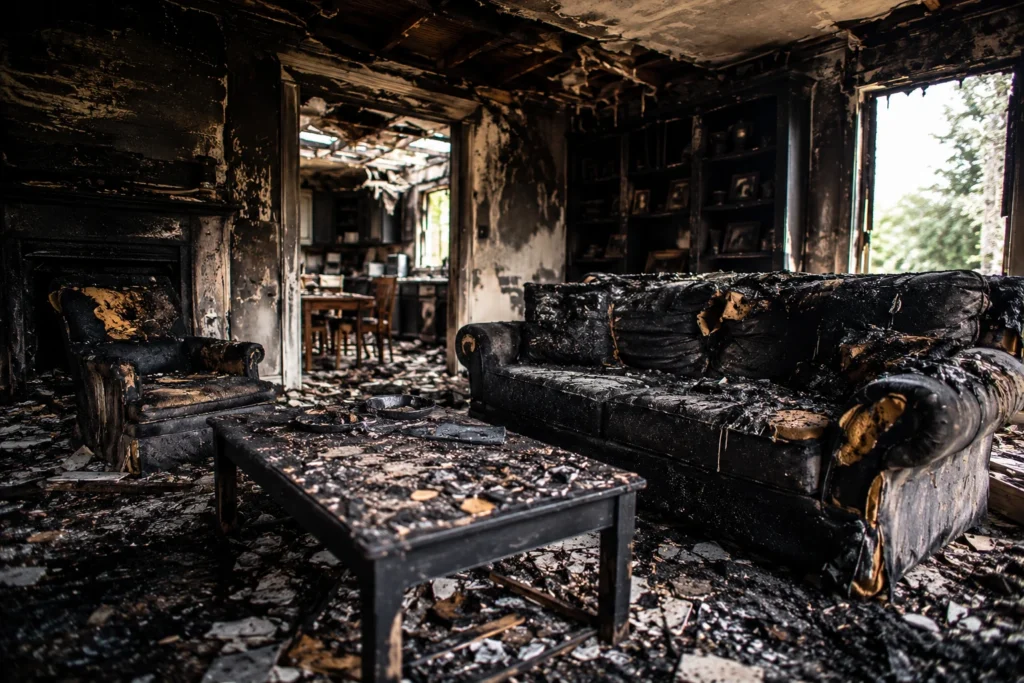
Fire insurance typically covers common household items such as:
- Sofas
- Beds
- Dining furniture
- Appliances
- Decorative items
- Rugs
- Household furnishings
Even if an item isn’t burned, smoke contamination may make cleaning or replacement necessary.
Electronics and Technology
Modern homes contain significant investments in technology. Coverage may include:
- Televisions
- Desktop computers
- Laptops
- Tablets
- Gaming systems
- Smart home devices
Smoke particles can damage sensitive electronic components long before visible signs of damage appear. As a result, electronics often require specialized evaluation after a fire.
Clothing and Personal Items
Many homeowners underestimate the value of their clothing and personal belongings. A single closet may contain thousands of dollars worth of property. Coverage often extends to:
- Clothing
- Shoes
- Handbags
- Personal accessories
- Household goods
However, proper documentation remains critical. The more detailed your inventory, the stronger your claim may become.
High-Value Property
Certain categories of property may have coverage limitations. Examples include:
| Property Type | Potential Coverage Limitation |
|---|---|
| Jewelry | Sublimits may apply |
| Artwork | Special endorsements may be required |
| Collectibles | Coverage restrictions possible |
| Antiques | Appraisal requirements may exist |
| Luxury watches | Limited coverage amounts |
Because these limits vary significantly, reviewing your policy before a loss occurs is extremely important.
Does Fire Insurance Cover Additional Living Expenses?
One of the most valuable coverages available under many homeowners policies is Additional Living Expense coverage, often called ALE. When a fire makes a home uninhabitable, families still need a place to live. Fortunately, many policies help cover those temporary costs.
Temporary Housing
Coverage may include:
- Hotels
- Rental homes
- Apartments
- Extended-stay accommodations
The goal is to help maintain a reasonable standard of living while repairs are completed. Without this coverage, housing costs can become overwhelming very quickly.
Food and Daily Living Costs
Living away from home often increases everyday expenses. Coverage may help pay for:
- Restaurant meals
- Laundry services
- Transportation expenses
- Pet boarding
However, insurance typically pays only for costs above your normal living expenses. For example, if you normally spend $200 per week on groceries but spend $350 on restaurant meals while displaced, the policy may cover the difference.
How Long Does Additional Living Expense Coverage Last?
Coverage duration depends on the policy. Generally, benefits continue until:
- Repairs are completed
- Rebuilding is finished
- Policy limits are reached
Therefore, understanding your ALE limits before a loss occurs can prevent unexpected financial strain during recovery.
What Fire Insurance Usually Covers for Businesses
Business owners face unique challenges after a fire. Property damage alone can be devastating. However, lost income often creates an even greater financial burden. Commercial property policies frequently include several forms of fire-related protection.
Building Damage
Coverage may apply to:
- Office buildings
- Retail stores
- Warehouses
- Manufacturing facilities
- Commercial structures
Repairs may include structural restoration, debris removal, and rebuilding expenses.
Business Personal Property
Businesses often rely on valuable assets to operate. Coverage may include:
- Equipment
- Furniture
- Inventory
- Machinery
- Computers
- Office supplies
Documenting these assets before a loss occurs can significantly simplify the claims process.
Business Interruption Coverage
One of the most important commercial coverages is business interruption insurance. When a fire forces a business to suspend operations, this coverage may help pay for:
- Lost revenue
- Ongoing payroll
- Rent obligations
- Operating expenses
Without business interruption coverage, many companies struggle to survive prolonged shutdowns.
Common Fire-Related Expenses That May Be Covered
When asking What Does Fire Insurance Actually Cover?, many property owners focus only on repairing the building or replacing damaged belongings. However, fire insurance often covers additional expenses that arise during the recovery process. These expenses can add up quickly. Fortunately, many policies recognize this reality and provide coverage for certain related costs.
Debris Removal
After a fire, cleanup is often one of the first major tasks. Burned materials, damaged building components, and unsafe debris must be removed before repairs can begin. Coverage may include:
- Debris removal
- Demolition of unsafe areas
- Hauling and disposal costs
- Site cleanup services
In large losses, debris removal alone can cost thousands of dollars. Therefore, this coverage can provide significant financial relief.
Emergency Services
Protecting the property after a fire is essential. A damaged building can be vulnerable to theft, vandalism, weather exposure, and additional deterioration. As a result, insurance may cover emergency measures such as:
- Board-up services
- Temporary fencing
- Roof tarping
- Security measures
- Emergency mitigation services
These actions help prevent further damage while the claim is being evaluated.
Professional Services
Some fire losses require specialized expertise. Insurance may cover services provided by:
- Engineers
- Environmental consultants
- Industrial hygienists
- Restoration experts
- Building specialists
These professionals can identify hidden damage, evaluate safety concerns, and help develop repair recommendations. Their findings often become important components of the claim documentation.
What Fire Insurance Does NOT Cover
Understanding coverage is important. Understanding exclusions is equally important. Many claim disputes occur because policyholders assume certain losses are covered when they are not.
Intentional Acts
Insurance is designed to protect against accidental losses. Therefore, intentionally setting a fire is not covered. Arson committed by a policyholder typically results in claim denial and may lead to criminal consequences. Likewise, fraudulent claims can create serious legal issues.
Lack of Maintenance
Insurance is not a substitute for routine maintenance. For example, problems resulting from neglected property conditions may not be covered. Examples include:
- Known electrical hazards
- Long-standing structural defects
- Deferred maintenance issues
- Unsafe property conditions
Insurance companies may investigate whether maintenance problems contributed to the loss.
Vacant Property Restrictions
Vacancy can affect coverage. Many policies contain provisions that limit coverage if a property remains vacant for an extended period. This is particularly important for:
- Rental properties
- Investment properties
- Seasonal properties
- Vacant commercial buildings
Property owners should review vacancy clauses carefully to avoid unexpected coverage issues.
Losses That Exceed Policy Limits
Even covered claims have limits. If rebuilding costs exceed available coverage, the policyholder may be responsible for the difference. Unfortunately, many property owners discover after a fire that their coverage limits have not kept pace with rising construction costs. Consequently, periodic policy reviews are essential.
Understanding Replacement Cost vs. Actual Cash Value
One of the most important aspects of What Does Fire Insurance Actually Cover? involves understanding how insurance companies calculate payments. The difference between replacement cost and actual cash value can dramatically affect claim outcomes.
Replacement Cost Coverage
Replacement cost coverage generally pays the amount necessary to replace damaged property using current market prices. Benefits include:
- Higher claim payments
- Better financial recovery
- Reduced out-of-pocket expenses
For example, if replacing a damaged roof costs $25,000 today, replacement cost coverage may help pay that amount, subject to policy limits and deductibles. Because construction costs fluctuate, replacement cost coverage often provides stronger protection.
Actual Cash Value Coverage
Actual cash value coverage accounts for depreciation. In other words, the insurance company reduces the payment based on the age and condition of the property before the loss occurred. For example:
- A ten-year-old roof may be depreciated significantly.
- Older furniture may receive a lower valuation.
- Aging electronics may be worth far less than replacement cost.
As a result, actual cash value settlements are often substantially lower.
Why This Difference Matters
Consider the following example:
| Property | Replacement Cost | Actual Cash Value |
|---|---|---|
| Roof | $25,000 | $14,000 |
| Furniture | $12,000 | $6,500 |
| Electronics | $8,000 | $3,500 |
The difference can be substantial. Furthermore, determining value often involves complex calculations. While insurance valuation is not a scientific process, it can resemble concepts found in a stochastic process, where multiple variables influence the final outcome. Understanding which valuation method applies to your policy is critical before a fire occurs.
Common Reasons Fire Insurance Claims Become Underpaid
Not every fire claim is handled perfectly. Even when coverage exists, claim payments may sometimes fall short of what is needed to fully restore the property. Understanding common problems can help policyholders avoid costly mistakes.
Incomplete Damage Documentation
Documentation drives claim outcomes. If damage is not properly documented, it may not be included in the claim. Important documentation includes:
- Photographs
- Videos
- Contractor estimates
- Inventory lists
- Repair invoices
The more evidence you provide, the stronger your claim becomes.
Hidden Damage Is Overlooked
Some fire damage is obvious. Other damage remains hidden. Examples include:
- Smoke contamination inside walls
- Damaged insulation
- Electrical issues
- Water trapped within building materials
These conditions may not become apparent during an initial inspection. Therefore, thorough evaluations are essential.
Incomplete Personal Property Inventories
Many policyholders underestimate the value of their belongings. During a stressful situation, it is easy to forget hundreds of items accumulated over many years. A complete inventory should include:
- Item descriptions
- Purchase dates
- Estimated values
- Photographs
- Receipts when available
Detailed inventories often result in more accurate claim settlements.
Disputes Over Repair Scope
Contractors and insurance companies do not always agree. One party may recommend replacing a damaged component, while another believes repairs are sufficient.
These disagreements can affect:
- Repair costs
- Project timelines
- Final settlement amounts
Consequently, professional evaluations often play an important role in complex claims.
Policy Interpretation Disputes
Insurance policies contain detailed language.
Occasionally, disagreements arise regarding:
- Coverage applicability
- Policy exclusions
- Code upgrade coverage
- Smoke damage scope
- Temporary housing benefits
When these disputes occur, understanding the policy language becomes extremely important.
Steps to Take Immediately After a Fire
The actions taken during the first few days after a fire can significantly affect both recovery and claim outcomes.
Prioritize Safety
Safety must come first. Never re-enter a damaged building until emergency responders or qualified professionals determine it is safe. Structural instability, electrical hazards, and toxic contaminants may remain present after the fire is extinguished.
Document Everything
Once it is safe to do so, begin documenting the damage. Take photographs and videos of:
- Structural damage
- Personal property losses
- Smoke contamination
- Water damage
- Temporary repairs
Comprehensive documentation can become one of the most valuable tools during the claims process.
Notify Your Insurance Company Promptly
After documenting the damage, contact your insurance company as soon as possible. Most policies require prompt notice of a loss. Delays can complicate the investigation and may create unnecessary challenges during the claims process. When reporting the fire:
- Provide accurate information
- Share known facts only
- Avoid speculation about the cause
- Keep records of all communications
- Save claim numbers and adjuster information
Additionally, maintain a dedicated file containing emails, letters, estimates, receipts, photographs, and notes from conversations related to the claim. Good organization can make a significant difference as the claim progresses.
Preserve Evidence
It may be tempting to begin throwing damaged items away immediately. However, doing so can create problems. Whenever possible, preserve damaged property until the insurance company has had an opportunity to inspect it. This includes:
- Furniture
- Appliances
- Electronics
- Clothing
- Building materials
These items may serve as important evidence supporting your claim. If emergency cleanup becomes necessary, document everything thoroughly before disposal occurs.
Mitigate Further Damage
Most insurance policies require property owners to take reasonable steps to prevent additional damage. This responsibility is often referred to as the duty to mitigate. Examples include:
- Tarping damaged roofs
- Boarding broken windows
- Removing standing water
- Securing the property
Failing to take reasonable protective measures could potentially affect portions of the claim. Therefore, temporary mitigation should begin as soon as conditions safely allow.
When a Public Adjuster May Help
Many fire claims proceed smoothly. Others become far more complicated. When significant damage, valuation disputes, or coverage questions arise, some property owners choose to work with a public adjuster. Unlike insurance company adjusters, public adjusters represent policyholders. Their goal is to help document, prepare, and present the claim on behalf of the property owner.
Large Fire Losses
Major fire losses often involve extensive documentation. A large claim may include:
- Structural damage
- Smoke contamination
- Water mitigation
- Personal property inventories
- Additional living expenses
- Code upgrade requirements
Managing all of these components can become overwhelming. Consequently, professional assistance may help simplify the process.
Underpaid Claims
Sometimes property owners believe the settlement offered does not fully reflect the extent of the damage. Common concerns include:
- Missing items
- Incomplete repair scopes
- Undervalued property
- Insufficient smoke remediation allowances
- Disputed rebuilding costs
In these situations, additional documentation and negotiation may be necessary.
Coverage Disputes
Policy interpretation issues occasionally arise. Disputes may involve:
- Smoke damage coverage
- Temporary housing benefits
- Personal property valuation
- Code compliance costs
- Business interruption losses
Understanding the policy language becomes critical when these disagreements occur.
Claim Documentation Support
One of the most valuable services a public adjuster can provide is claim preparation. This may include:
- Reviewing policy provisions
- Documenting damages
- Preparing inventories
- Obtaining estimates
- Organizing supporting evidence
Strong documentation often leads to stronger claim presentations.
Fire Insurance Coverage Checklist
If you’re evaluating your current policy, use this simple checklist.
| Coverage Area | Review Status |
|---|---|
| Dwelling Coverage Limits | □ |
| Personal Property Coverage | □ |
| Additional Living Expense Coverage | □ |
| Replacement Cost Coverage | □ |
| Jewelry and Valuable Items Limits | □ |
| Business Property Coverage | □ |
| Vacancy Restrictions | □ |
| Deductible Amounts | □ |
| Code Upgrade Coverage | □ |
| Fire-Related Exclusions | □ |
Reviewing these items annually can help ensure your coverage remains aligned with current rebuilding costs and personal needs.
Common Myths About Fire Insurance
Several misconceptions continue to create confusion among policyholders.
Myth: Fire Insurance Covers Everything
Not necessarily. Every policy contains limitations, exclusions, deductibles, and coverage limits. Reading the policy carefully is essential.
Myth: Smoke Damage Is Always Minor
In reality, smoke damage can become one of the most expensive aspects of a fire loss. Professional cleaning, odor removal, and contamination remediation often require specialized services.
Myth: The Insurance Company’s Estimate Is Always Final
Insurance estimates are important, but they are not necessarily the last word. Additional damage may be discovered during repairs, and supplemental claims may sometimes be necessary.
Myth: Small Fires Create Small Claims
Even a relatively small fire can generate extensive smoke damage, water damage, and temporary living expenses. The visible burn area often represents only part of the total loss.
How to Prepare Before a Fire Happens
The best time to prepare for a fire claim is before one occurs. Property owners can take several proactive steps.
Create a Home Inventory
Photograph valuable belongings. Store records electronically and update them periodically. This simple step can save countless hours during a future claim.
Review Coverage Annually
Construction costs change. Property values change. Personal belongings accumulate over time. Reviewing your policy annually helps ensure coverage remains adequate.
Store Important Documents Safely
Keep copies of:
- Insurance policies
- Receipts
- Appraisals
- Property records
- Photographs
Cloud storage can provide an additional layer of protection.
Understand Your Policy
Most importantly, take time to understand your coverage. Knowing the answer to What Does Fire Insurance Actually Cover? before a loss occurs can reduce stress and improve decision-making when it matters most.
Conclusion
So, What Does Fire Insurance Actually Cover? In most cases, fire insurance covers structural damage, smoke damage, water damage from firefighting efforts, personal property losses, temporary living expenses, and various recovery-related costs. However, coverage depends on your policy’s terms, limits, and exclusions. Understanding your coverage before a fire occurs can help you avoid surprises and navigate the claims process more effectively. With proper documentation, preparation, and professional guidance when needed, you’ll be in a stronger position to protect your property and financial recovery after a fire loss.
FAQs
Yes, most fire insurance policies cover smoke damage, including soot cleanup, odor removal, and restoration of affected areas, subject to policy terms and limits.
In many cases, yes. Water damage resulting from firefighting efforts is typically considered part of a covered fire loss.
Many homeowners’ policies include Additional Living Expense coverage that may help pay for temporary housing and other increased living costs while repairs are being completed.
Most policies provide coverage for personal property such as furniture, clothing, electronics, and household items that are damaged by a covered fire.
Not always. Many policies have coverage limits for high-value items, so additional endorsements may be needed for full protection.
Replacement cost coverage pays to replace damaged property at current prices, while actual cash value coverage reduces payment based on depreciation.
Commercial policies may cover building damage, business personal property, and lost income through business interruption coverage, depending on the policy.
Prioritize safety, document all damage with photos and videos, notify your insurance company, and take reasonable steps to prevent additional damage.
Yes. Claims may be denied if the loss involves fraud, intentional acts, certain policy exclusions, or other circumstances that fall outside the policy’s coverage.
A public adjuster may be helpful when dealing with a large fire loss, a disputed claim, complex documentation requirements, or concerns about underpayment.