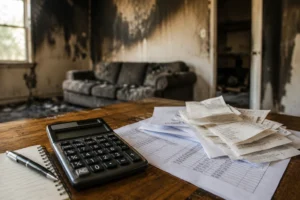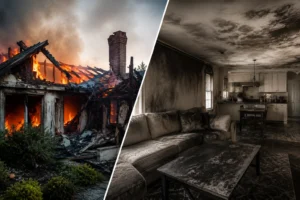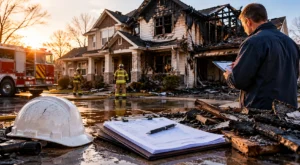

Smoke damage is often misunderstood. Many homeowners assume that if flames never reached a room, there is no real damage to claim. Others believe smoke damage must be severe, obvious, and spread throughout the entire property before insurance coverage applies. In reality, the answer to “How Much Smoke Damage Is Needed for an Insurance Claim?” is often surprising. The threshold may be far lower than most people think. A small kitchen fire can create thousands of dollars in restoration costs. A garage fire can contaminate an entire home’s HVAC system. Even smoke from a neighboring property or wildfire can leave behind odors, soot, and residue that require professional remediation. The biggest mistake I see homeowners make is waiting too long because they assume the damage is minor. Unfortunately, smoke damage rarely stays minor. Understanding what qualifies for coverage, how insurers evaluate losses, and what evidence matters most can help you make informed decisions after a fire-related event.
Understanding Smoke Damage After a Fire
What Is Smoke Damage?
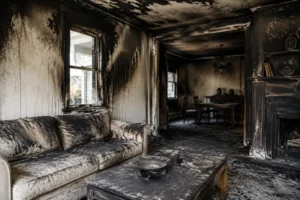
Smoke damage refers to contamination caused by airborne particles, soot, ash, and chemical residues produced during a fire. Unlike fire damage, which is usually visible and localized, smoke damage can spread throughout a structure quickly. That’s what makes it so challenging. A room that never experienced direct flames may still suffer extensive contamination. Smoke particles are microscopic. They settle on surfaces, penetrate fabrics, enter ventilation systems, and become trapped in porous materials. The result can be damage that extends far beyond the original source of the fire.
How Smoke Travels Through a Property
Smoke follows airflow. Once a fire begins, smoke can move rapidly through:
- Hallways
- Attics
- Air ducts
- Ceiling cavities
- Open doors
- Ventilation systems
Many homeowners are shocked when smoke damage appears in rooms located far from the fire itself. That’s because smoke doesn’t need flames to create damage. It only needs a pathway. In larger homes, contamination can occur throughout multiple rooms within minutes.
Common Sources of Smoke Damage
Smoke damage claims are not limited to major house fires. Common causes include:
- Kitchen grease fires
- Electrical fires
- Garage fires
- Fireplace malfunctions
- Appliance fires
- Wildfires
- Neighboring structure fires
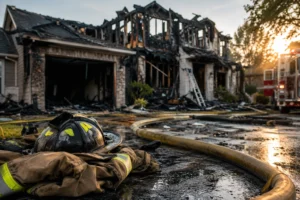
Even incidents that appear relatively small can create significant smoke-related losses. The size of the fire does not always determine the size of the claim.
Is There a Minimum Amount of Smoke Damage Required for an Insurance Claim?
The Short Answer: Usually No
One of the most common questions homeowners ask is whether there is a minimum amount of smoke damage required before insurance coverage applies. Generally speaking, the answer is no. Most homeowners insurance policies do not establish a specific smoke damage threshold. Instead, coverage is typically triggered when a covered event causes physical loss or damage. That means a relatively small amount of smoke contamination may still qualify if professional cleaning, restoration, or repairs are necessary.
When Smoke Damage Usually Qualifies
Insurance companies commonly consider coverage when smoke causes:
- Visible staining
- Soot accumulation
- Lingering odors
- Damage to personal belongings
- Structural contamination
- HVAC contamination
- Restoration expenses
The focus is often on the cost to restore the property rather than the visual severity of the damage.
Why Minor Smoke Damage Can Become Expensive
This is where many homeowners get caught off guard. What looks like a simple cleanup may involve:
- Professional smoke remediation
- Specialized cleaning agents
- Air scrubbers
- Ozone treatments
- HVAC cleaning
- Content restoration
Costs can escalate quickly. A faint odor in one room may actually indicate contamination behind walls, within insulation, or inside ventilation systems.
Signs Smoke Damage May Justify Filing a Claim
Visible Smoke Staining
Discoloration is one of the most obvious indicators. Look for:
- Yellowing ceilings
- Black soot marks
- Wall discoloration
- Smoke shadows around vents
- Residue around windows
These visible signs often indicate broader contamination.
Persistent Smoke Odors
Smoke odors can be surprisingly difficult to eliminate because microscopic smoke particles often attach themselves to surfaces through a process known as Adsorption. Odors matter. In fact, lingering smoke odor is one of the most common reasons smoke damage claims become disputed. If the smell remains after basic cleaning, smoke particles are likely still present somewhere within the structure. Smoke odors frequently become trapped in:
- Drywall
- Insulation
- Carpet
- Furniture
- Curtains
- Upholstery
The odor itself can signal a legitimate restoration need.
Soot Accumulation
Soot is more than a cosmetic issue. It can be corrosive. Over time, soot may damage:
- Electronics
- Metal surfaces
- Appliances
- HVAC components
- Decorative finishes
Different fires create different types of soot, and some forms are significantly harder to remove than others.
Damage to Personal Property
Contents losses often represent a substantial portion of smoke damage claims. Affected items may include:
- Furniture
- Clothing
- Electronics
- Artwork
- Books
- Family heirlooms
- Business equipment
Even items that appear unaffected may require professional cleaning or testing.
HVAC System Contamination
This is one of the most overlooked aspects of smoke damage. Once smoke enters a ventilation system, it can circulate contaminants throughout the property. The HVAC system essentially becomes a delivery mechanism for smoke particles. Professional inspection is often necessary to determine the full scope of contamination.
How Insurance Companies Evaluate Smoke Damage Claims
The Initial Inspection
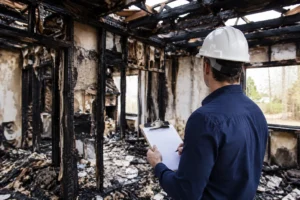
Following a claim, the insurance company will typically send an adjuster to evaluate the loss. The adjuster may:
- Photograph affected areas
- Review visible damage
- Interview the homeowner
- Prepare an estimate
- Determine the scope of repairs
This inspection plays a major role in the claim outcome. However, not all smoke damage is visible. That creates challenges.
Factors Insurers Consider
Several variables influence how insurers evaluate smoke-related claims. These include:
| Factor | Why It Matters |
|---|---|
| Cause of loss | Determines coverage eligibility |
| Areas affected | Influences restoration scope |
| Severity of contamination | Impacts repair costs |
| Odor penetration | Affects cleaning requirements |
| Property type | Influences restoration methods |
| Personal property damage | Increases overall claim value |
Every claim is different. There is no universal formula.
Why Smoke Damage Claims Are Frequently Disputed
Smoke damage often creates disagreements because much of the damage cannot be seen immediately. Homeowners may notice:
- Lingering odors
- Health concerns
- Continued contamination
Meanwhile, the insurer may believe standard cleaning is sufficient. This difference in opinion can significantly affect claim value.
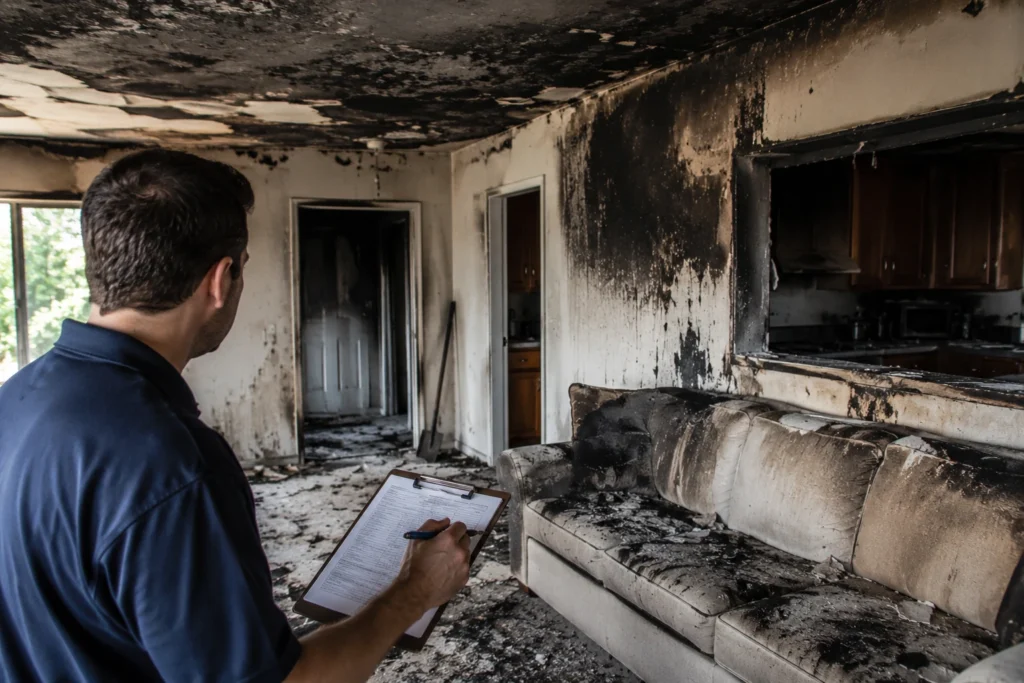
Smoke Damage That Often Leads to Larger Claims
Structural Smoke Damage
Structural materials can absorb smoke surprisingly quickly. Affected materials may include:
- Drywall
- Insulation
- Wood framing
- Ceiling materials
- Flooring systems
In severe situations, cleaning alone may not restore affected materials. Replacement may become necessary.
Smoke Damage to Contents
Personal property losses frequently exceed homeowner expectations. Consider how smoke affects:
- Fabric
- Leather
- Electronics
- Artwork
- Documents
Restoration specialists often evaluate whether items can be cleaned or must be replaced. That distinction can substantially impact settlement amounts.
How Insurance Companies Evaluate Smoke Damage Claims
The Initial Inspection Process
After a claim is filed, the insurance company typically assigns an adjuster to inspect the property. The inspection may include:
- Photographs
- Measurements
- Interviews
- Damage assessment
- Estimate preparation
The findings often play a significant role in determining claim value.
Factors Insurers Consider
Insurance companies commonly evaluate:
| Factor | Impact on Claim |
|---|---|
| Cause of loss | Determines coverage eligibility |
| Areas affected | Influences restoration scope |
| Extent of contamination | Impacts repair costs |
| Odor penetration | May require specialized treatment |
| Personal property damage | Increases claim value |
| HVAC involvement | Often increases remediation costs |
Every claim is unique. No universal formula exists.
Why Smoke Damage Claims Are Frequently Disputed
Many smoke damage disputes occur because contamination is not always visible. Homeowners may continue experiencing odors while insurers believe cleaning efforts were sufficient. This difference can create disagreements regarding:
- Cleaning versus replacement
- Scope of repairs
- Contents restoration
- Odor removal methods
Smoke Damage That Often Leads to Larger Claims
Structural Smoke Damage
Structural materials can absorb smoke rapidly. Affected materials may include:
- Drywall
- Insulation
- Ceiling systems
- Flooring
- Wood framing
Severe contamination may require replacement rather than cleaning.
Smoke Damage to Contents
Personal property losses can add up quickly. Affected items often include:
- Electronics
- Furniture
- Clothing
- Artwork
- Family heirlooms
Professional restoration companies may determine whether cleaning is possible.
Smoke Damage Following Wildfires
Wildfires create unique smoke damage challenges. Even when flames never reach a home, smoke may infiltrate:
- Attics
- Ventilation systems
- Open windows
- Crawl spaces
Many smoke odors are caused by residual volatile organic compounds (VOCs) released from combustion byproducts, which can continue affecting indoor air quality if contamination is not properly addressed.
Commercial Property Smoke Damage
Commercial claims may involve:
- Equipment contamination
- Inventory damage
- Lost revenue
- Business interruption expenses
These claims often become significantly more complex than residential losses.
How Much Smoke Damage Is Typically Worth Claiming?
Situations Where Filing Usually Makes Sense
The answer to “How Much Smoke Damage Is Needed for an Insurance Claim?” often depends on restoration costs rather than visual appearance.
| Situation | Worth Evaluating? |
|---|---|
| Multiple rooms affected | Yes |
| Strong odors throughout property | Yes |
| HVAC contamination | Yes |
| Personal property losses | Yes |
| Professional remediation required | Yes |
Comparing Costs to Your Deductible
One of the most important considerations is your deductible. If cleanup costs barely exceed the deductible, filing may not provide significant financial benefit. However, smoke damage costs frequently exceed initial expectations.
Why Homeowners Underestimate Smoke Damage Costs
Professional restoration may include:
- Air scrubbers
- Thermal fogging
- Ozone treatment
- Duct cleaning
- Surface restoration
- Content cleaning
Costs can climb rapidly. A claim that appears small may ultimately involve thousands of dollars in remediation expenses.
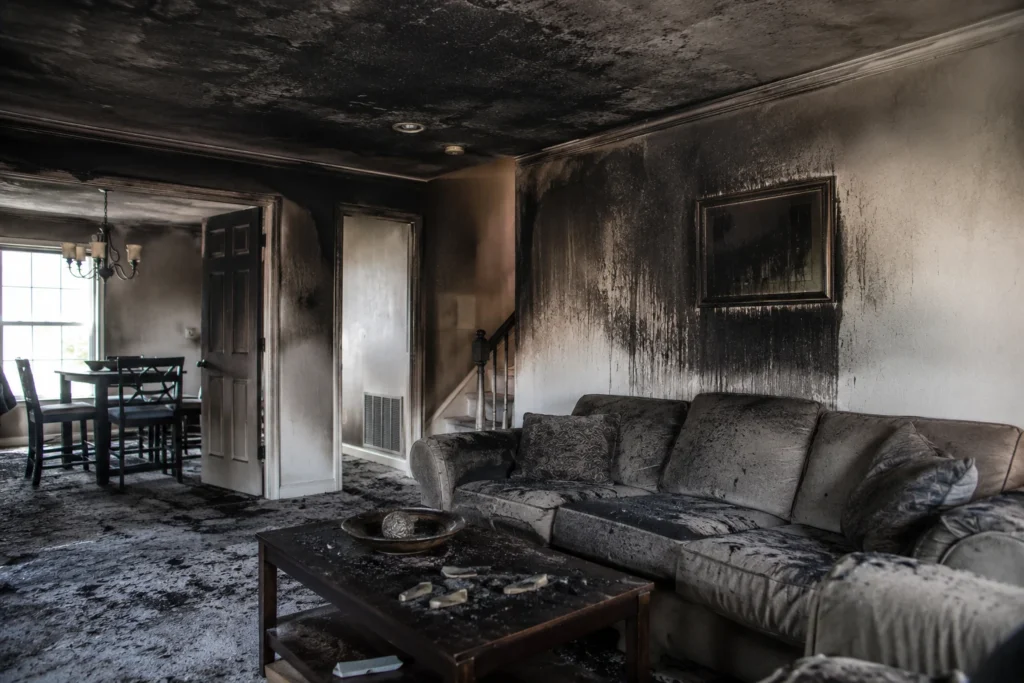
Common Smoke Damage Expenses Covered by Insurance
Depending on policy terms, coverage may include:
Professional Smoke Remediation
Specialized restoration contractors remove contamination and restore affected materials.
Soot Removal
Soot often requires specialized cleaning methods.
Structural Cleaning
Walls, ceilings, floors, and fixtures may require extensive cleaning.
Odor Elimination Treatments
Persistent odors frequently require advanced remediation techniques.
HVAC Cleaning
Contaminated ventilation systems often require professional cleaning.
Personal Property Restoration
Furniture, electronics, and clothing may be cleaned, restored, or replaced.
Additional Living Expenses
If the home becomes temporarily uninhabitable, coverage may include:
- Hotel costs
- Temporary housing
- Additional food expenses
- Other necessary living costs
Documentation Tips Before Filing a Smoke Damage Claim
Documentation often determines claim success. Many homeowners focus on cleaning up the damage as quickly as possible. That instinct is understandable. Unfortunately, rushing into cleanup can sometimes make proving the full extent of smoke damage more difficult. The strongest claims are usually supported by clear evidence.
Photograph Everything
Take photographs before any cleanup begins. Document:
- Entire rooms
- Close-up damage
- Smoke staining
- Soot deposits
- Damaged belongings
- HVAC vents and registers
- Exterior damage if applicable
Take more photographs than you think you need. You can always choose not to use extra photographs later. You cannot recreate evidence that was never documented.
Create a Detailed Inventory
Contents losses are often overlooked. Create a list that includes:
- Item description
- Approximate age
- Original purchase price
- Estimated replacement cost
- Current condition
This information can become extremely valuable if the insurer questions the scope of personal property damage.
Save Damaged Materials
Whenever practical, preserve damaged items until inspections are completed. Examples include:
- Damaged furniture
- Smoke-stained fabrics
- Electronics
- Decorative items
Physical evidence often helps support the claim.
Obtain Professional Restoration Estimates
Independent restoration contractors can provide valuable insight into the actual cost of remediation. Professional estimates may identify issues such as:
- Hidden contamination
- HVAC involvement
- Insulation damage
- Odor penetration
These findings can help homeowners better understand the true scope of the loss.
Keep Receipts and Communications
Maintain organized records of:
- Emergency repairs
- Temporary housing expenses
- Contractor estimates
- Restoration invoices
- Insurance correspondence
Good recordkeeping frequently becomes one of the most important tools during claim negotiations.
Avoid Premature Cleanup
Cleaning before documentation can create problems. Insurance companies need evidence to evaluate losses. Before discarding damaged items or performing extensive cleaning, make sure the damage has been properly documented and inspected whenever possible.
When a Smoke Damage Claim Is Underpaid or Denied
Not every claim dispute involves a complete denial. In many cases, homeowners receive a settlement but believe the payment falls short of what is needed to restore the property.
Common Reasons for Claim Disputes
Smoke damage claims may become disputed because:
- Inspections are incomplete
- Hidden contamination is overlooked
- Odor damage is underestimated
- Personal property losses are minimized
- HVAC contamination is ignored
Smoke damage can be difficult to evaluate because much of it is not immediately visible.
Signs Your Settlement May Be Too Low
Several warning signs may indicate the settlement does not fully account for the damage. These include:
- Contractor estimates significantly exceed the insurer’s estimate
- Smoke odors remain after cleaning
- Damaged contents were excluded
- HVAC cleaning was not included
- Restoration professionals recommend additional work
When these situations occur, homeowners should carefully review the claim before accepting the outcome.
How a Public Adjuster Can Help
Public adjusters represent policyholders rather than insurance companies. Their services may include:
- Independent inspections
- Documentation support
- Damage evaluation
- Estimate review
- Claim negotiations
- Supplemental claim preparation
In some situations, an independent evaluation uncovers damage that was initially missed or underestimated. For homeowners asking, “How Much Smoke Damage Is Needed for an Insurance Claim?” an independent assessment can often provide a clearer answer than visual observations alone.
Smoke Damage Claims in Texas: What Homeowners Should Know
Texas property owners face unique challenges when dealing with smoke damage. Wildfires, residential fires, electrical incidents, and severe weather-related events can all create smoke contamination issues. Large homes can be particularly vulnerable because smoke has more opportunities to travel through attics, ventilation systems, and interconnected living spaces. Acting quickly matters. The sooner smoke damage is documented, the easier it is to preserve evidence and establish the full scope of contamination. Early inspections also reduce the risk of secondary damage and help ensure important details are not overlooked during the claims process. For Texas homeowners, thorough documentation and prompt action often make a significant difference in claim outcomes.
Conclusion
Finding Katy apartments that accept evictions can feel challenging, but options do exist. Many communities evaluate applications individually, considering factors such as income, rental history, and how much time has passed since the eviction. The key is to be prepared, honest, and proactive during the application process. With the right approach, securing a new apartment after an eviction is often more achievable than many renters expect.
FAQs
Yes, some apartments may consider applicants with past evictions, especially if the eviction is older and other parts of the application are strong.
An eviction can remain on tenant screening reports for several years, depending on the reporting agency and local regulations.
Most apartment communities perform some form of background screening, but approval criteria vary from one property to another.
Possibly. Some landlords may require a larger security deposit or additional fees to offset perceived risk.
It may be more difficult, but some properties will review applications on a case-by-case basis depending on the amount owed and other qualifications.
Yes. Verifiable income and stable employment can help demonstrate your ability to meet future rent obligations.
In many cases, older evictions are viewed more favorably, especially if you have maintained a positive rental history since then.
Honesty is usually the best approach. Being upfront can help avoid surprises during the screening process.
Some apartment communities may accept a qualified co-signer or guarantor to strengthen an application.
Ask the property for the reason for the denial and continue searching for communities that offer flexible screening criteria or case-by-case reviews.