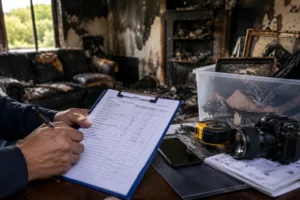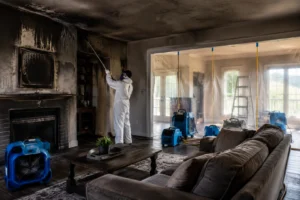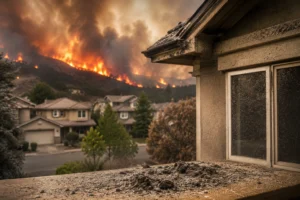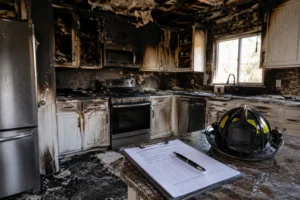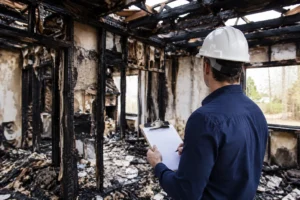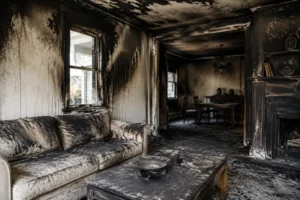

A house fire can leave homeowners facing far more than property damage. In addition to repairing or rebuilding the home, many families suddenly need a place to stay, meals away from home, and other day-to-day necessities. These unexpected costs can add up quickly. Fortunately, Additional Living Expenses After a Fire coverage may help reduce the financial burden while your home is being restored. However, many homeowners are unfamiliar with how this coverage works until they need it. Therefore, understanding your benefits before expenses start piling up can help you avoid costly mistakes and maximize your insurance claim.
What Are Additional Living Expenses?
Additional Living Expenses (ALE) refer to the extra costs you incur when a covered loss makes your home temporarily uninhabitable. In other words, ALE coverage is designed to help maintain your normal standard of living while repairs are underway. Rather than paying for every expense you incur, insurance typically covers the increase in living costs caused by the fire. For example, suppose your family normally spends $800 per month on groceries. After a fire, you move into a hotel and spend $1,500 per month eating at restaurants. In that case, the difference may qualify as an additional living expense. Likewise, temporary housing costs may also be covered when you cannot safely occupy your home. As a result, understanding Additional Living Expenses After a Fire is essential because coverage often extends beyond hotel accommodations and includes many daily expenses homeowners overlook.
When Does ALE Coverage Apply?
Not every fire automatically triggers ALE benefits. Generally, coverage begins when the property becomes unsafe or unsuitable for occupancy. Several circumstances may qualify.
Structural Damage
First, severe fire damage can compromise walls, ceilings, flooring systems, roofing components, and other structural elements. Consequently, if the home cannot be safely occupied, ALE coverage may begin immediately.
Smoke Damage
In some situations, smoke causes more problems than the flames themselves. Even when portions of a home remain intact, extensive smoke contamination can create air quality concerns, lingering odors, and health risks. Therefore, insurance carriers may determine that the property is uninhabitable until proper remediation is completed.
Water Damage From Firefighting Efforts
Additionally, firefighters often use substantial amounts of water to extinguish a blaze. While this protects the structure from further fire damage, it can also create moisture problems, water intrusion, and potential mold growth. As a result, homeowners may need temporary housing during the drying and restoration process.
Utility Interruptions
Similarly, a home may become uninhabitable if critical services are unavailable. These services may include:
- Electricity
- Natural gas
- Water service
- Sewer service
Without these necessities, daily living becomes difficult or impossible.
Government Restrictions
Furthermore, local authorities may issue occupancy restrictions following a fire. Even if portions of the home appear usable, official safety concerns can trigger ALE coverage until repairs are completed.
What Expenses Are Typically Covered?
Although every policy differs, many insurance carriers cover similar categories of expenses under ALE provisions.
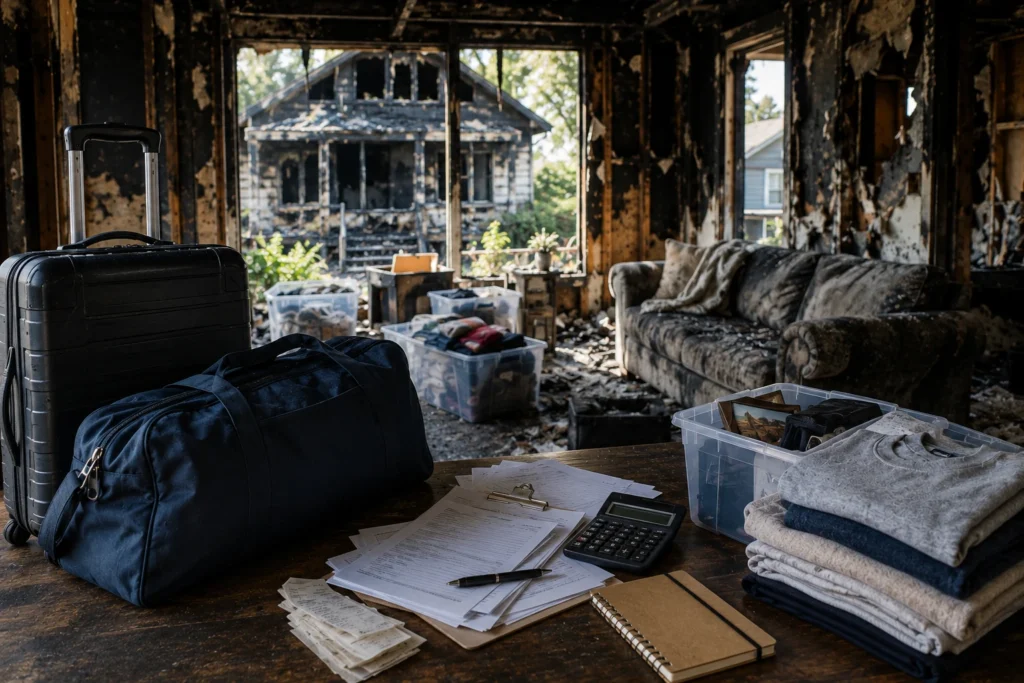
Temporary Housing
For most families, housing becomes the largest expense after a fire. Depending on the situation, covered accommodations may include:
- Hotels
- Extended-stay hotels
- Apartment rentals
- Furnished rental homes
- Temporary housing coordinated through insurance providers
Generally, the housing should be reasonably comparable to your pre-loss living arrangements.
Increased Food Costs
After displacement, preparing meals at home is often difficult. Consequently, many families rely heavily on restaurants, takeout meals, and prepared foods. Insurance companies typically compare your normal food spending to your temporary food expenses and may reimburse the difference.
Transportation Expenses
Relocation often creates additional transportation costs as well. For example, homeowners may incur:
- Increased fuel expenses
- Parking fees
- Public transportation costs
- Longer commuting distances
If these expenses result directly from the displacement, they may qualify for reimbursement.
Laundry Costs
Likewise, temporary housing arrangements may not include standard laundry facilities. Therefore, expenses associated with laundromats, wash-and-fold services, or other laundry solutions may be covered.
Pet Boarding Expenses
Many homeowners are surprised to learn that pet-related expenses may qualify. For instance, if your temporary accommodations do not allow animals, pet boarding costs could be considered a covered additional living expense.
Storage Expenses
Meanwhile, personal belongings often need to be removed from the property during repairs. As a result, expenses related to storage units, moving services, and temporary warehousing may qualify when reasonably necessary.
Commonly Covered vs. Commonly Excluded Expenses
The following table provides a general overview.
| Often Covered | Often Not Covered |
|---|---|
| Hotel stays | Mortgage payments |
| Temporary rentals | Property taxes |
| Additional meal costs | Regular utility bills |
| Laundry expenses | Luxury upgrades |
| Pet boarding | Entertainment purchases |
| Storage units | Vacation expenses |
| Increased transportation costs | Non-essential shopping |
Ultimately, your policy language will determine what is covered and what is excluded.

Understanding ALE Limits
One of the most common surprises homeowners encounter involves coverage limits. At first, many assume ALE benefits are unlimited. However, most policies impose restrictions based on either dollar amounts, percentages, time periods, or a combination of all three.
Policy Limits
In many policies, ALE coverage is calculated as a percentage of the dwelling limit. For example:
| Dwelling Coverage | ALE Percentage | Available ALE Coverage |
|---|---|---|
| $300,000 | 20% | $60,000 |
| $500,000 | 20% | $100,000 |
| $750,000 | 20% | $150,000 |
Therefore, reviewing your policy early in the claim process can help you understand how much protection is available.
Time Limits
In addition to financial limits, most policies also impose time restrictions. Coverage generally continues until one of the following occurs:
- Repairs are completed
- The home is rebuilt
- Coverage limits are exhausted
- The policy’s maximum benefit period ends
Consequently, understanding these deadlines can help homeowners plan more effectively during the recovery process.
The Importance of “Reasonable and Necessary” Expenses
Insurance companies frequently evaluate ALE claims using the standard of “reasonable and necessary” expenses. In practical terms, this means your temporary living arrangements should generally reflect your normal lifestyle rather than significantly exceed it. For example, if you previously lived in a modest three-bedroom home, an insurance carrier may question the necessity of renting a luxury estate while repairs are underway. Likewise, unusually high restaurant bills may trigger additional scrutiny. However, this does not mean you must select the cheapest option available. Instead, the expenses should reasonably meet your family’s needs while remaining consistent with your pre-loss living conditions. Because of this, proper documentation becomes extremely important.
How to Document Additional Living Expenses Properly
Strong documentation can make the reimbursement process significantly smoother. Therefore, homeowners should begin organizing records immediately after the fire.
Keep Every Receipt
Save receipts for:
- Hotel stays
- Rental housing
- Restaurant meals
- Fuel purchases
- Storage fees
- Laundry services
- Pet boarding
Additionally, store digital copies in a secure folder to prevent accidental loss.
Maintain an Expense Log
A detailed expense log helps create a clear record of every ALE-related cost. Your log should include:
- Date
- Expense type
- Amount
- Purpose
- Receipt reference
Furthermore, keeping organized records may feel tedious at first. However, creating a systematic process can prevent confusion later. Think of your documentation strategy as a form of taxonomy, where every receipt, invoice, and communication is categorized for easy retrieval during the claim process.
Save Insurance Communications
In addition, maintain copies of:
- Emails
- Letters
- Claim notes
- Temporary housing approvals
- Reimbursement requests
These records may become valuable if disagreements arise later.
Photograph Living Arrangements
Meanwhile, photographs can help establish the circumstances surrounding your displacement. Likewise, continue documenting repair progress at the damaged property. This creates a timeline demonstrating why ALE benefits remain necessary.
Common ALE Claim Problems Homeowners Face
Although ALE coverage can be extremely valuable, disputes are not uncommon.
Delayed Reimbursements
First, reimbursement delays are among the most common frustrations homeowners experience. Often, delays occur because documentation is incomplete or additional information is requested. Therefore, submitting organized records can help speed up the process.
Disputes Over Housing Costs
Sometimes insurance companies believe temporary housing expenses are excessive. However, local rental availability, family size, school districts, and commuting requirements may justify higher costs. Consequently, homeowners should gather market data and supporting evidence when selecting temporary accommodations.
Coverage Misinterpretations
Policy language can be confusing. As a result, disagreements may arise regarding which expenses qualify for reimbursement. In many cases, reviewing the policy carefully can clarify misunderstandings before they become larger disputes.
Premature Termination of Benefits
Occasionally, insurance carriers attempt to end ALE benefits before repairs are fully completed. However, if the property remains uninhabitable, homeowners may have grounds to challenge the decision. Therefore, maintaining repair records and contractor updates can be extremely helpful.
How a Public Adjuster Can Help With ALE Claims
Many homeowners assume the insurance company will automatically identify every available benefit. Unfortunately, that is not always the case. Therefore, working with a public adjuster may provide significant advantages.
Reviewing Policy Language
First, a public adjuster can analyze your policy and identify available ALE benefits. In some situations, homeowners may overlook coverage provisions that could provide additional reimbursement.
Calculating Eligible Expenses
Next, a public adjuster can help determine which expenses may qualify under the policy. As a result, homeowners often feel more confident submitting reimbursement requests.
Negotiating With the Insurance Company
If disputes arise, a public adjuster can communicate directly with the carrier. Furthermore, they can present supporting documentation and advocate for fair treatment throughout the claims process.
Coordinating ALE With the Entire Fire Claim
ALE is only one portion of a fire loss claim. At the same time, homeowners may be pursuing compensation for:
- Structural damage
- Personal property losses
- Smoke damage
- Water damage
- Code upgrade requirements
Consequently, coordinating all portions of the claim can help create a more complete recovery strategy.
Tips for Maximizing Additional Living Expense Benefits
Although every claim differs, several best practices can help homeowners maximize benefits.
Notify Your Insurance Company Immediately
The sooner the claim is reported, the sooner ALE benefits can begin. Therefore, avoid unnecessary delays.
Obtain Written Approvals
Whenever possible, request written approval for major expenses. As a result, misunderstandings may be reduced later.
Stay Organized
Organization is one of the most powerful tools available during a claim. In fact, insurance companies often evaluate expenses based on patterns and supporting evidence. In some ways, this review process resembles heuristic decision-making, where adjusters use documented information and established guidelines to determine whether an expense appears reasonable under the policy.
Track Every Expense
Even small purchases can become significant over several months. Therefore, document everything.
Understand Your Coverage
Finally, reviewing your policy early can help prevent unpleasant surprises later in the process.
Real-World Example: ALE After a House Fire
Consider a family whose kitchen fire caused extensive smoke damage throughout the home. Initially, they expected repairs to take only a few weeks. However, smoke remediation, structural repairs, and reconstruction ultimately required six months. During that time, the family incurred:
| Expense Category | Estimated Cost |
|---|---|
| Temporary Rental Housing | $18,000 |
| Additional Meal Expenses | $4,200 |
| Storage Costs | $1,500 |
| Transportation Costs | $1,200 |
| Laundry Services | $500 |
| Pet Boarding | $800 |
Total additional expenses exceeded $26,000. Fortunately, because they maintained detailed documentation and communicated regularly with the insurance company, most of these costs were successfully reimbursed through ALE coverage. This example highlights why understanding Additional Living Expenses After a Fire before problems arise can significantly reduce financial stress.
Frequently Asked Questions About Additional Living Expenses After a Fire
How long does ALE coverage typically last?
Coverage generally continues until repairs are completed, policy limits are reached, or the policy’s benefit period expires.
Does ALE cover restaurant meals?
Yes. Typically, the additional cost above your normal food expenses may qualify for reimbursement.
Can I choose any hotel or rental property?
Usually, the accommodations must be reasonable and appropriate for your family’s needs.
Are pet boarding costs covered?
In many cases, yes, especially when temporary housing does not allow pets.
What receipts should I keep?
Keep receipts for all housing, food, transportation, storage, laundry, and pet-related expenses.
Can ALE claims be denied?
Yes. Claims may be denied if expenses are not covered, lack documentation, or exceed policy limitations.
Does ALE apply to smoke damage claims?
Often, yes. Severe smoke contamination can make a home uninhabitable even without major structural damage.
What happens if repairs take longer than expected?
Coverage may continue if policy limits and time restrictions have not been exhausted.
Does ALE cover furniture rentals?
Depending on the policy and circumstances, furniture rental expenses may qualify.
Should I hire a public adjuster for an ALE dispute?
If substantial benefits are at stake or disputes become complicated, a public adjuster may help protect your interests.
Final Thoughts
Recovering from a fire is challenging enough without worrying about temporary living costs. Fortunately, Additional Living Expenses After a Fire coverage can help bridge the gap while your home is repaired or rebuilt. Therefore, keep thorough records, understand your policy, and seek professional guidance when needed. A well-documented claim can make the recovery process far less stressful.
FAQs
Additional Living Expenses (ALE) are the extra costs you incur when a covered fire loss makes your home temporarily uninhabitable.
Many homeowners’ insurance policies include ALE coverage, but coverage limits and terms vary. Review your policy or speak with your insurance representative to confirm your benefits.
Yes. Hotel expenses are commonly covered when your home cannot be safely occupied due to fire, smoke, or related damage.
Insurance may cover the increased cost of meals while you’re displaced. Typically, the carrier compares your normal food expenses to your temporary dining costs.
Yes. Rental homes, apartments, and extended-stay accommodations are often covered when they are reasonable and necessary for your situation.
Coverage generally lasts until repairs are completed, the policy limit is reached, or the maximum coverage period expires under your policy.
They may be. If your temporary housing does not allow pets, pet boarding costs can sometimes qualify as an additional living expense.
Save all receipts, invoices, rental agreements, mileage records, and communication with your insurance company. Good documentation helps support reimbursement requests.
Yes. Expenses may be denied if they are considered unreasonable, unrelated to the displacement, or unsupported by documentation.
A public adjuster may help if your claim involves significant expenses, denied reimbursements, or disagreements regarding coverage and benefits.