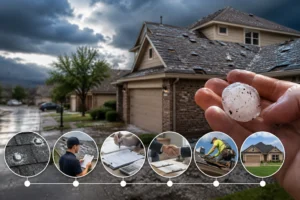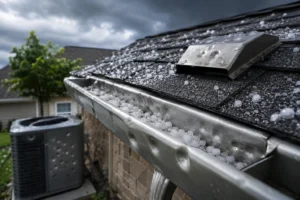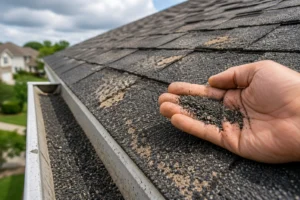

If you are asking, “do I need a public adjuster for my Austin home,” you are probably already dealing with a stressful insurance claim. Maybe hail damaged your roof, pipe burst overnight. Maybe the insurance estimate feels too low to realistically cover repairs. That situation is becoming increasingly common in Austin. Property claims today are more complicated than many homeowners expect. Repair costs have increased. Storm damage has intensified. Insurance paperwork feels overwhelming. And when communication starts breaking down, frustration builds fast. Some homeowners handle claims successfully on their own. Others benefit enormously from professional representation. The key is knowing the difference before costly mistakes happen.
Understanding What a Public Adjuster Actually Does
A public adjuster works for the homeowner. That is the most important thing to understand immediately. Insurance company adjusters represent the carrier. Public adjusters represent policyholders during the claim process. Their job is to evaluate damage, organize documentation, review the policy, and negotiate the claim on behalf of the homeowner. That distinction matters. Especially during large losses. If you are wondering, “do I need a public adjuster for my Austin home,” the answer often depends on how complex the claim becomes. Public adjusters commonly assist with:
- Roof hail damage
- Water losses
- Fire and smoke damage
- Freeze-related claims
- Storm losses
- Interior structural damage
- Documentation disputes
And honestly, many claims become far more technical than homeowners expect.
Why Austin Homeowners Face More Complicated Insurance Claims
Austin has changed rapidly over the last several years. Construction pricing increased dramatically. Labor shortages affected repair timelines. Severe weather events became more disruptive. Roofing costs climbed. Contractor availability tightened after storms. All of that affects insurance claims. Especially large ones.
Hail and Wind Damage
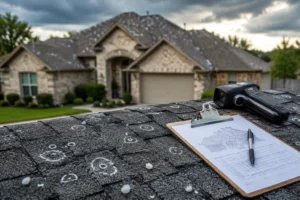
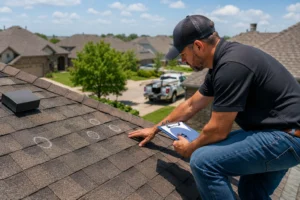
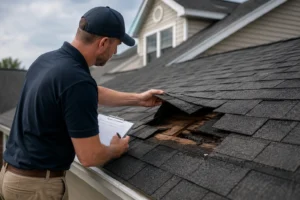
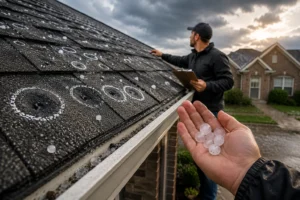
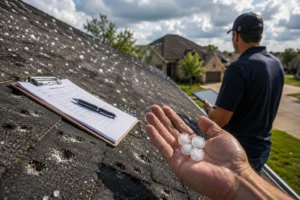
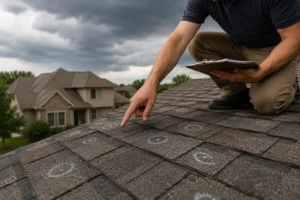
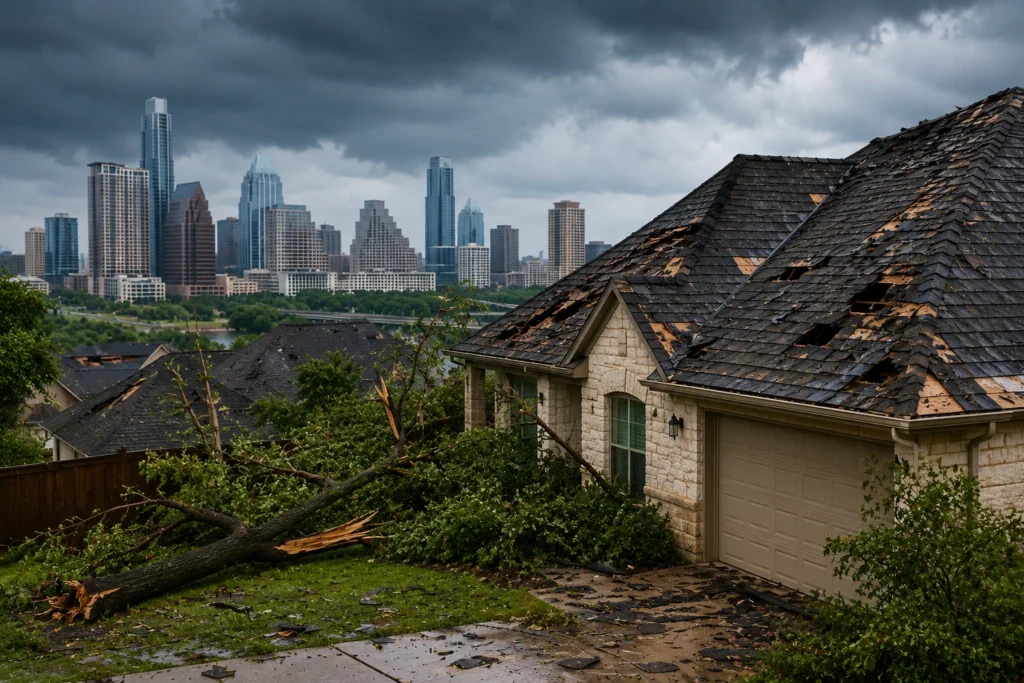
Texas storms move aggressively. One neighborhood may suffer major roof impacts while another barely experiences damage at all. Roofing systems also respond differently depending on age, installation quality, ventilation, and material type. That creates disputes. Some insurance estimates may approve only partial repairs while contractors recommend full replacement. Soft metal impacts, lifted shingles, flashing damage, and hidden water intrusion often become major discussion points during inspections. This is one reason many homeowners ask, “do I need a public adjuster for my Austin home” after hailstorms. Because the damage is not always obvious immediately.
Water Damage Claims
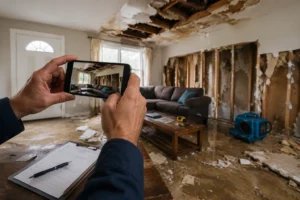
Water claims escalate quickly. A hidden plumbing leak behind drywall can quietly spread moisture throughout flooring, insulation, cabinetry, and framing materials before visible staining ever appears. Then the coverage questions begin. Insurance companies often distinguish between sudden accidental damage and long-term deterioration. That distinction can heavily influence claim outcomes. Documentation becomes critical.
Freeze Damage and Pipe Bursts
Texas freeze events changed how many homeowners view insurance claims entirely. Burst pipes caused widespread interior destruction across thousands of homes. Flooring buckled. Ceilings collapsed. Mold concerns spread quickly. Contractor demand exploded. Many homeowners suddenly found themselves managing enormous losses with very little preparation. That experience pushed many people to seriously ask, “do I need a public adjuster for my Austin home” for the first time.

Signs You May Need a Public Adjuster
Not every claim requires professional representation. But some warning signs deserve immediate attention.
Your Insurance Estimate Feels Too Low
Trust your instincts. If contractor bids are significantly higher than the insurance estimate, investigate further before approving repairs. Commonly overlooked items may include:
| Potentially Missed Items | Why They Matter |
|---|---|
| Code upgrades | Can increase total repair costs |
| Flashing replacement | Important for roof performance |
| Paint blending | Needed for visual consistency |
| Water mitigation | Prevents secondary damage |
| Debris removal | Often underestimated |
| Temporary repairs | Sometimes reimbursable |
Large estimate gaps are one major reason homeowners begin asking, “do I need a public adjuster for my Austin home.”
Communication Keeps Breaking Down
This is a major warning sign. If emails remain unanswered for weeks, inspections repeatedly get reassigned, or explanations constantly change, the claim process may already be heading toward confusion. Strong claims rely heavily on organization. Save everything. That includes:
- Emails
- Voicemails
- Inspection dates
- Contractor reports
- Temporary repair receipts
- Estimate revisions
- Photographs
The homeowners who maintain organized records usually place themselves in much stronger positions later.
You Feel Overwhelmed by the Process
This matters more than many people admit. Insurance claims are mentally exhausting. Especially while balancing family responsibilities, work schedules, temporary housing issues, and financial pressure simultaneously. If you constantly feel confused by:
- Deductibles
- Depreciation
- Coverage exclusions
- Scope sheets
- Replacement cost language
- Supplement requests
- professional guidance may genuinely help reduce costly mistakes.
Situations Where You May Not Need a Public Adjuster
This conversation should stay realistic and balanced. Some claims move smoothly without outside representation.
Smaller, Straightforward Claims
Minor interior damage or smaller wind claims may resolve efficiently without major disputes. If communication remains transparent and the repair scope appears accurate, homeowners often manage these situations successfully on their own.
Claims Below the Deductible
Sometimes repairs barely exceed the deductible. In those situations, hiring additional representation may not make financial sense. Evaluate the economics carefully.
The Insurance Company Is Handling the Claim Properly
Not every claim becomes adversarial. Some carriers communicate clearly, inspect thoroughly, and process payments fairly. When that happens, homeowners may not need additional help at all.
How Public Adjusters Help Strengthen Claims
The strongest public adjusters do not simply argue louder. They build stronger documentation. That difference matters enormously.
Detailed Damage Documentation
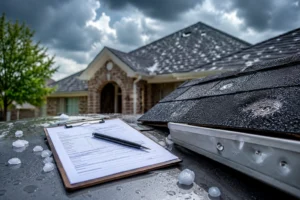
Good documentation changes outcomes. Strong claim files often include:
- Wide-angle photographs
- Close-up damage images
- Moisture readings
- Roofing reports
- Repair estimates
- Inventory spreadsheets
- Timeline summaries
The stronger the evidence becomes, the harder it is for legitimate damage to be overlooked. Some roofing materials also react differently under stress because of Anisotropy, especially during severe hail or wind events.
Policy Review and Interpretation
Insurance policies are dense. Coverage limitations, exclusions, endorsements, and depreciation language quickly become confusing during large claims. Public adjusters often help homeowners better understand:
- What may be covered
- What limitations exist
- Which repairs may qualify
- How supplemental damage gets reviewed
That clarity matters before major rebuilding decisions begin.
Negotiating Supplements
Initial estimates are not always final. Additional damage frequently appears during repairs, especially involving:
- Roofing systems
- Water intrusion
- Structural framing
- Insulation
- Electrical systems
- Flooring transitions
Supplement negotiations become extremely important in these situations. Without organized support, legitimate costs sometimes go unaddressed.
Questions Austin Homeowners Should Ask Before Hiring Anyone
If you decide to explore professional representation, slow down and evaluate carefully. Not all public adjusters operate the same way.
Verify Licensing
Texas licensing matters. Always confirm credentials before signing agreements.
Ask About Austin Claim Experience
Local experience can make a major difference. Austin homes vary dramatically in age, roofing systems, building materials, and repair pricing. Familiarity with regional weather patterns and local construction costs often improves claim accuracy.
Understand the Fee Structure
Most public adjusters work on contingency percentages. Ask direct questions:
- What percentage do you charge?
- Are additional fees involved?
- What services are included?
- What happens if the claim is partially denied?
Transparency matters.
Evaluate Communication Style
Pay close attention to responsiveness. If communication already feels vague during the initial consultation, it probably will not improve later.
Common Mistakes Homeowners Make During Claims
Many claim problems are preventable. Unfortunately, homeowners often realize mistakes too late.
Waiting Too Long to Document Damage
Take photographs immediately. Before cleanup starts, contractors arrive, temporary repairs happen. Evidence disappears quickly.
Throwing Away Damaged Materials
Do not discard major damaged items too early. Especially roofing materials, appliances, flooring, or plumbing components connected to disputed claims. Preservation matters.
Accepting the First Settlement Too Quickly
Some homeowners rush into settlements because they feel exhausted by the process. Slow down. Review estimates carefully. Compare contractor pricing. Ask questions. Especially when repair numbers feel unrealistic.
Poor Record Keeping
Disorganized claims become harder to manage quickly. Keep one centralized file containing:
- Emails
- Receipts
- Inspection notes
- Repair invoices
- Hotel expenses
- Photographs
- Contractor estimates
Claims become dramatically easier when documentation stays organized. Some inspectors also evaluate long-term material wear patterns similar to concepts studied in Tribology when analyzing roofing deterioration and friction-related surface damage.
Public Adjuster vs Attorney
These roles are completely different. Public adjusters primarily focus on evaluating, documenting, and negotiating insurance claims. Attorneys handle legal disputes. Most property claims never require lawsuits. That is important to understand. But when serious bad-faith disputes develop, legal guidance may eventually become necessary. For many homeowners, however, stronger documentation and organized negotiations resolve issues before litigation becomes relevant.
Why Rising Austin Construction Costs Matter So Much
Austin repair pricing has changed dramatically. Labor shortages, material inflation, contractor demand spikes, and permitting delays all affect rebuilding costs after major storms. That creates estimating problems. Insurance estimates sometimes fail to reflect actual local repair pricing accurately, especially during catastrophe events when contractor demand surges rapidly. This pricing gap frustrates homeowners constantly. And it is another major reason people ask, “do I need a public adjuster for my Austin home.” Because modern property claims have become far more complicated than they used to be.
Practical Steps Homeowners Should Take Immediately
Whether you hire representation or not, these actions can help strengthen your claim significantly.
Document Everything
Take extensive photographs. You will never regret having too much evidence.
Prevent Additional Damage
Most insurance policies require homeowners to mitigate ongoing losses. That may include:
- Tarping roofs
- Drying wet areas
- Stopping active leaks
- Protecting personal belongings
Save every receipt.
Review Your Policy Carefully
Read the actual policy language. Pay close attention to:
- Deductibles
- Exclusions
- Coverage limits
- Endorsements
- Replacement cost provisions
Get Independent Repair Opinions
Do not rely solely on one inspection for major losses. Independent contractor evaluations often provide valuable perspective.
Final Thoughts
So, do you need a public adjuster for your Austin home? Maybe. Some homeowners successfully manage claims alone. Others benefit tremendously from experienced representation, especially during large, complicated, or disputed losses. The real deciding factors usually involve:
- Claim complexity
- Damage severity
- Communication quality
- Documentation strength
- Your comfort level handling negotiations
If your claim feels organized, transparent, and fair, additional representation may not be necessary. But if delays continue, estimates seem incomplete, documentation becomes overwhelming, or communication breaks down repeatedly, professional support may help improve clarity and claim accuracy significantly. Insurance claims are stressful enough already. Especially in a fast-growing market like Austin where repair costs and storm-related losses continue increasing every year. So if you are still asking, “do I need a public adjuster for my Austin home,” focus less on fear and more on facts. Review the estimates carefully. Document everything thoroughly. Track communication consistently. Understand the policy language. Then make the decision based on the complexity of the claim itself not panic after the storm.
FAQs
A public adjuster represents the homeowner during the insurance claim process by documenting damage, reviewing the policy, and negotiating with the insurance company.
No. Public adjusters work for policyholders, while insurance company adjusters work for the carrier.
You may want to hire one if your claim is large, delayed, disputed, or if the insurance estimate seems far lower than repair costs.
Yes. Public adjusters often assist with hail claims by documenting roof damage, reviewing estimates, and handling supplement negotiations.
Most public adjusters work on a contingency fee basis, meaning they receive a percentage of the claim settlement.
Not always. Smaller and straightforward claims are often manageable without additional representation.
In some situations, yes. Stronger documentation and additional evidence may help support reconsideration of a denied or underpaid claim.
Document the damage immediately, prevent further loss, save receipts, and review your insurance policy carefully.
Claim timelines vary depending on damage severity, inspection scheduling, contractor availability, and whether disputes arise during the process.
Yes. Independent contractor estimates help homeowners compare actual repair costs against the insurance company’s proposed settlement.