When an insurance adjuster looks at water damage, the first thing they decide is not how much it costs to fix. It is what caused the water and how long it was there. Most homeowners policies cover sudden and accidental discharges, such as a burst supply line or a failed water heater, and exclude damage from water that leaked, seeped or caused rot over weeks or months. Your job in the first days is to stop the water, dry the house, and preserve evidence that answers those two questions in your favor.
The first 48 hours
Water keeps doing damage while you wait. Drywall wicks it upward, hardwood cups, and mold can begin growing within days in a warm Texas house. Your policy also requires you to take reasonable steps to prevent further damage. So mitigate first, and document as you go.
- Stop the source. Shut off the main water valve or the fixture valve. If water is near outlets or the panel, shut off power to that area.
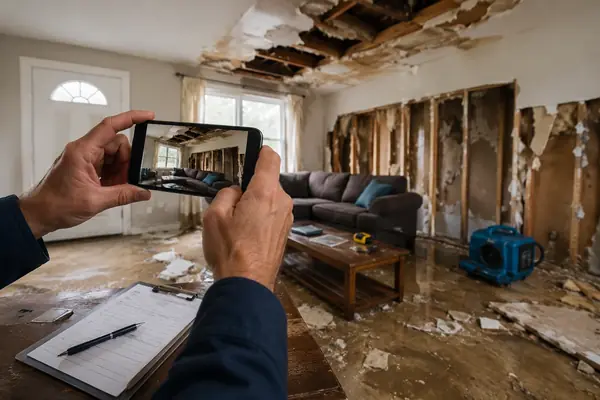
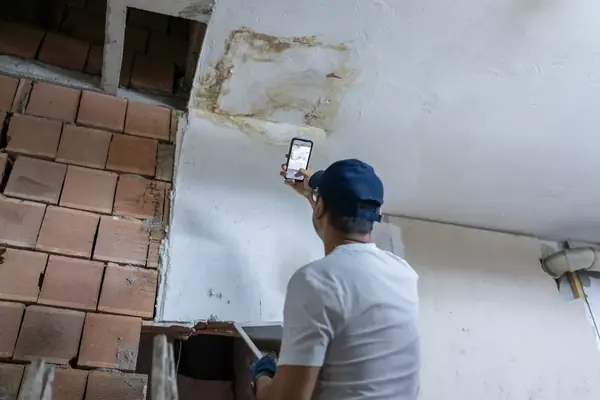
- Photograph before you move anything. Wide shots of each room, then close-ups of standing water, waterlines on walls, wet cabinets and the source itself. Video helps.
- Save the failed part. Keep the cracked supply line, the split fitting, the failed water heater valve. That part is the best evidence of a sudden failure. Do not let a plumber haul it off.
- Report the claim. Call or file online, note the claim number and the date. Ask whether the insurer wants to inspect before tear-out.
- Call a mitigation company. Professional extraction and drying with dehumidifiers and air movers. You choose the company; the insurer may suggest one but you do not have to use it.
- Keep samples and receipts. Cut a small square of wet carpet and pad, keep a piece of removed baseboard, and save every receipt for fans, shop vacs, hotel nights or meals.
Watch for: removing wet drywall and flooring is often necessary to prevent mold, and you should not leave a house wet waiting for an inspection. But photograph every wall before it is cut, and keep the moisture map. Undocumented tear-out is one of the most common reasons water claims get cut.
Moisture readings: the evidence most owners never see
A good mitigation company takes moisture readings with meters on the first day and every day after, and records them on a moisture map of the affected rooms. Those logs do three things for your claim:
- They define the scope. Readings show how far the water traveled under flooring and up walls, including into rooms that look dry. The repair estimate should match the map.
- They support sudden loss. High readings in fresh materials that dry down over several days look like a recent event. Old, stable moisture with rot looks like a long-term leak.
- They justify the drying bill. Equipment counts and daily readings explain why drying took the number of days it did.
Ask the mitigation company for copies of the daily logs, the moisture map, photos and the equipment record. We take our own moisture readings on water losses as well, so the documentation does not depend only on the vendor.
What the field adjuster is looking for
Expect the adjuster to spend as much time on the cause as on the damage. Typical things they check:
- The source: is there a failed part, and does the failure look sudden?
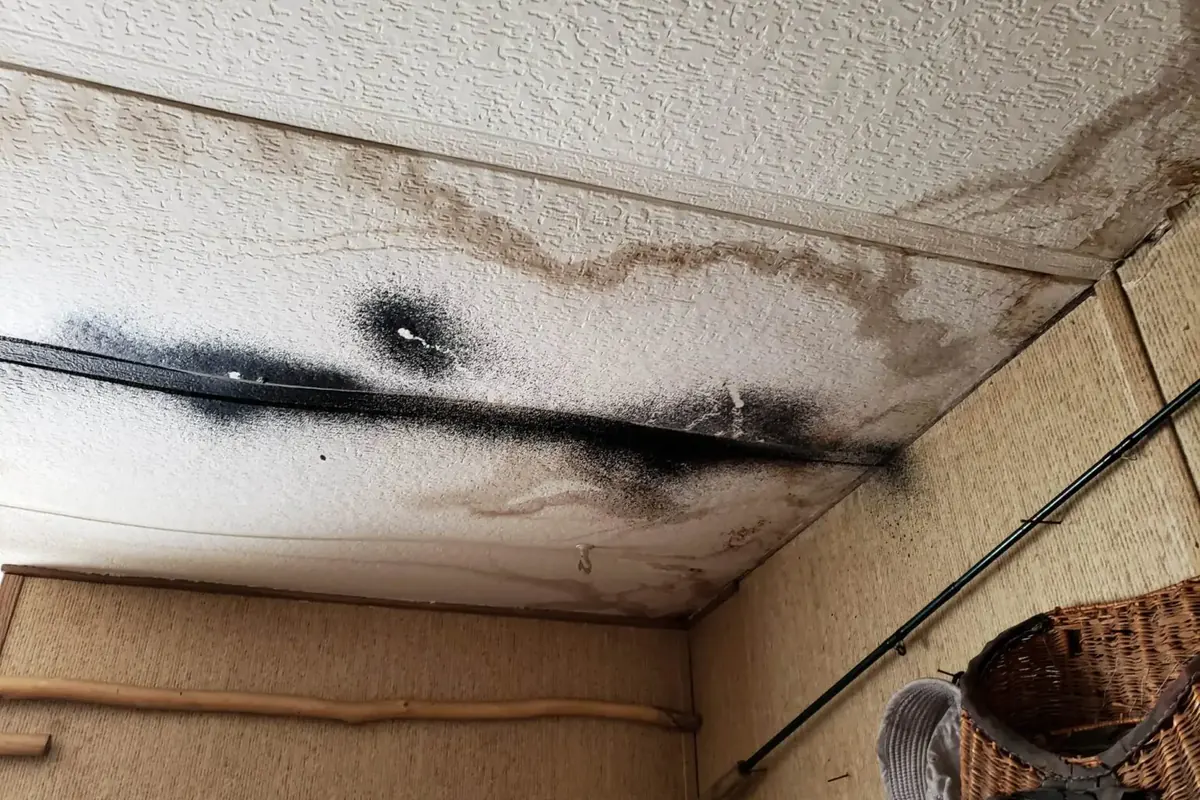
- Staining patterns: a single fresh waterline versus rings of old tide marks
- Rot, delamination and corrosion under sinks, around toilets and at shower pans that suggest long-term seepage
- Mold growth, and whether it looks recent or established
- Prior repairs or patched drywall near the leak
- Whether the water came from outside (flood or surface water, which a homeowners policy excludes) or from a plumbing system inside the house
- What mitigation was done, and when it started
Sudden vs. long-term leaks
Usually treated as sudden and accidental
- Burst supply line or pipe, including freeze breaks like those after Winter Storm Uri
- Failed water heater or tank
- Washing machine hose rupture
- Ice maker or dishwasher line failure discovered quickly
- AC drain pan overflow that is caught right away
Often argued as long-term or excluded
- A slow drip under a sink that rotted the cabinet floor
- Shower pan or grout seepage over months
- Recurring roof leaks with old staining
- Foundation or slab moisture without a clear pipe failure
- Rising water from outside, which is flood
Many claims fall in between. A pipe can fail suddenly inside a wall where nobody sees it for weeks. In that case the policy wording matters a great deal: some policies exclude continuous or repeated leakage over a set period, and some give back coverage for hidden leaks you could not have known about. Read the exclusion and any exception carefully before accepting a denial. A slab leak also raises a separate question of whether the policy pays to access the pipe (tearing out and replacing the floor) even when the pipe itself is not covered.
Mold limits
Many Texas homeowners policies cap mold remediation with a sublimit or exclude mold unless it results from a covered water loss. The amount and wording vary, so check your endorsements. Two practical points:
- Mold that grows because of a covered sudden leak is often treated differently from mold caused by long-term humidity or neglect. Prompt mitigation is your best evidence that you did not let it grow.
- Even where mold remediation is capped, the underlying water damage (drywall, flooring, cabinets, insulation) is usually adjusted separately. Make sure the estimate does not lump repairs into the mold limit.
How to handle the inspection meeting
- Prepare a one-page summary. Date you discovered the water, the source, what you did and when, and who did the mitigation. Stick to facts you know.
- Have the evidence on the table. The failed part, the moisture logs, your photos from before tear-out, and the receipts.
- Walk every affected room. Including closets, adjacent rooms and the ceiling below a second-floor leak. Point out what is out of sight.
- Do not guess about dates. If you are asked when the leak started and you do not know, say so. A guess like "maybe a few weeks" can become the basis for a long-term leakage denial.
- Ask what happens next. When will you get the estimate, and is the insurer waiting on anything from you? Follow up by email the same day.
Don't forget contents and living expenses
Water claims are often adjusted as if only the building was damaged. Furniture legs that wicked water, rugs, boxes in a closet, electronics on the floor and clothing in a flooded laundry room are all personal property claims. List them room by room with photos as you remove them; the contents inventory builder exports a list you can send to the adjuster. If the kitchen or the only bathroom is out of service, or drying equipment makes the house unlivable, ask whether Additional Living Expense applies and keep every receipt from the first night.
Reviewing the water damage estimate
Water estimates often come in short because they price only what was visibly wet. Look for flood cuts and drywall replacement that match the moisture map, insulation behind removed drywall, baseboard and casing, paint for whole rooms rather than patches, cabinet replacement where swollen boxes cannot be repaired, flooring continuity through open rooms, and contents cleaning or replacement. If you want an independent estimate and someone to deal with the adjuster, see our water damage claims service.
For the broader list of what to collect, use the claim documentation checklist, and avoid the errors in common property insurance claim mistakes.
Frequently asked questions
Does homeowners insurance cover water damage in Texas?
It usually covers sudden and accidental water damage from inside the house, such as a burst pipe. It typically excludes flood, surface water and damage from long-term leaks. Your policy wording controls.
Should I wait for the adjuster before removing wet drywall?
No. You are expected to prevent further damage. Photograph everything first, keep moisture readings and samples, then let the mitigation company remove wet materials.
Do I have to use the water mitigation company my insurer recommends?
No. You can choose your own. Keep their daily moisture logs, photos and invoices for the claim.
Why did my insurer deny my water claim as a long-term leak?
Adjusters look for rot, old staining and corrosion as signs of repeated leakage. If the leak was hidden or the failure was sudden, the failed part and moisture records can support a challenge. See our water damage claims service.
Is mold covered after a water leak?
Often only up to a sublimit, or only when it results from a covered water loss. Check your mold endorsement, and make sure water repairs are not lumped into the mold limit.

Joseph inspects, documents and negotiates residential and commercial property claims across Texas, working only for policyholders.