
When to Hire a Public Adjuster: A Practical Guide for Property Owners Navigating Insurance Claims
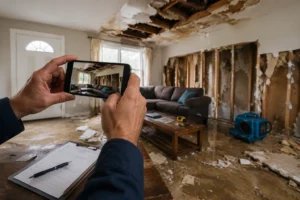
Property damage can flip your world upside down in minutes. One storm. One kitchen fire. One burst pipe. Suddenly you’re staring at soaked floors, broken drywall, and a mountain of paperwork. And somewhere in the middle of all that chaos, the insurance claim process begins.
This is exactly when many property owners start asking a critical question: when to hire a public adjuster.
Timing matters. A lot. The moment you decide to bring in professional help can shape the outcome of your claim, the speed of your settlement, and even the amount of money you recover. Insurance policies are complicated, inspections can miss damage, and settlement offers don’t always reflect the full cost of repairs.
In this guide, I’ll walk through when to hire a public adjuster, what situations make their help valuable, and how to decide whether bringing one in is the right move for your claim.
What Is a Public Adjuster?
Definition and Role
A public adjuster is a licensed professional who represents policyholders, not insurance companies. Their job is simple in theory but powerful in practice: they evaluate property damage, prepare insurance claims, and negotiate settlements on behalf of the property owner.
Think of them as your advocate during the insurance claim process.
Insurance companies have their own adjusters. Those professionals work for the insurer. A public adjuster works for you.
That difference can significantly affect how damage is documented and how claim values are calculated.
Public Adjuster vs Insurance Company Adjuster
Here’s where confusion often starts.
Many homeowners assume the adjuster sent by their insurance company is there to help them maximize their payout. In reality, that adjuster represents the insurer.
A quick comparison makes the distinction clear:
| Type of Adjuster | Who They Work For | Primary Goal |
| Insurance Company Adjuster | Insurance company | Evaluate claim for insurer |
| Independent Adjuster | Insurance company (contracted) | Inspect damage and report findings |
| Public Adjuster | Policyholder | Advocate for maximum fair settlement |
Understanding this difference helps explain when to hire a public adjuster. When your financial recovery depends on the accuracy of the claim, having someone on your side matters.
Types of Claims Public Adjusters Handle
Public adjusters commonly assist with complex or high-value losses, including:
- Fire damage
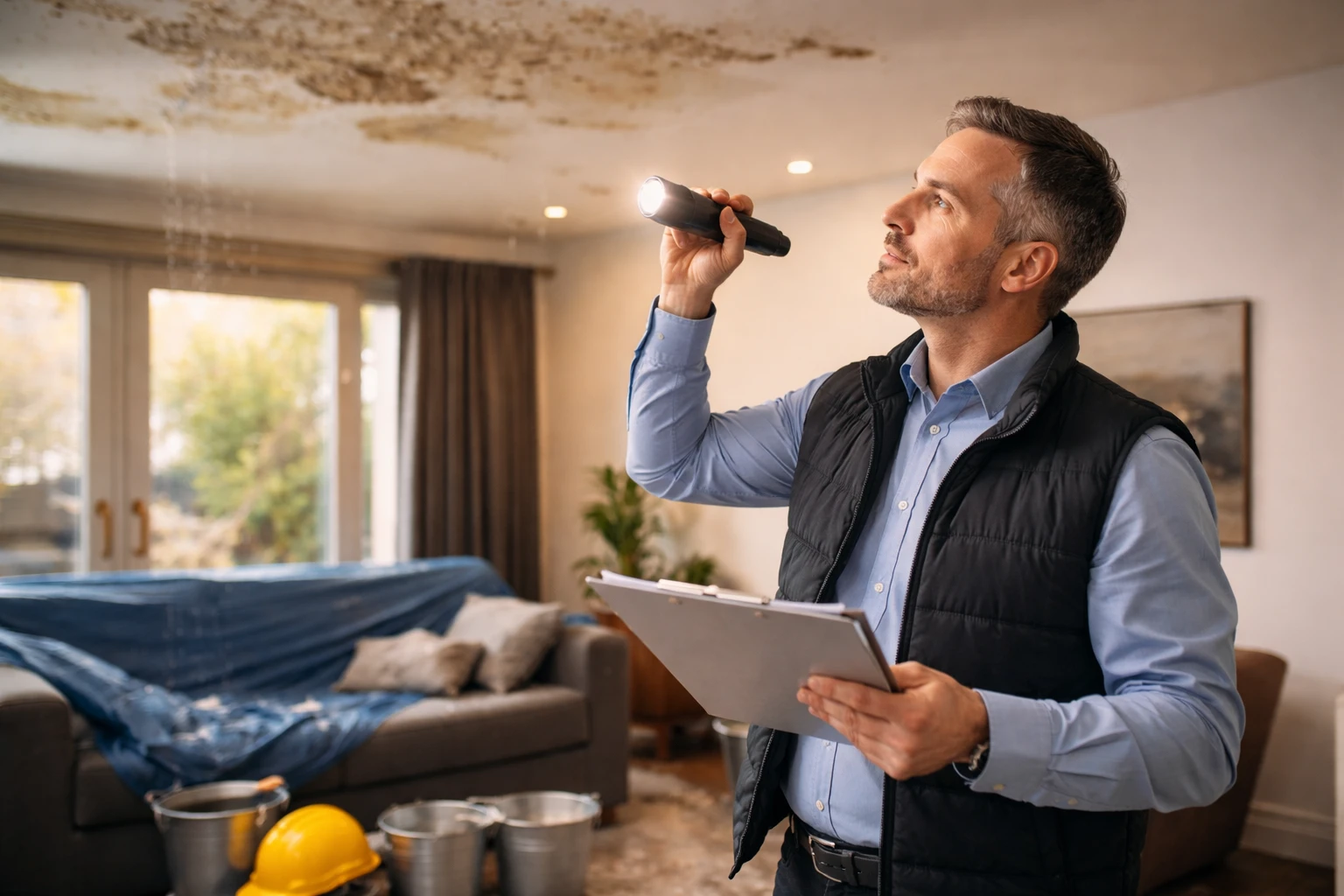
- Water damage
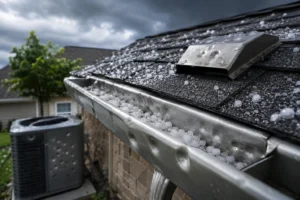
- Storm and hail damage
- Hurricane and wind damage
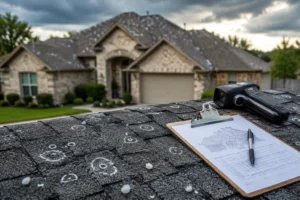
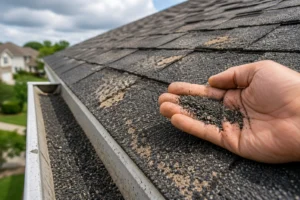
- Roof damage
- Commercial property losses
- Business interruption claims
These claims often involve extensive documentation and negotiations.
Why Timing Matters in Insurance Claims
Insurance claims follow a process. But that process can change depending on how quickly damage is documented and how thoroughly the claim is prepared.
Waiting too long to get help can limit your options.
How Early Claim Decisions Affect Settlements
The early stages of a claim are critical.
Damage must be documented. Evidence must be collected. Repair estimates must be prepared. If these steps are rushed or incomplete, the claim value can drop dramatically.
When property owners understand when to hire a public adjuster, they often avoid these early mistakes.
Common Mistakes Property Owners Make
After a loss, many people try to handle the process alone. That’s understandable. But it can lead to costly oversights.
Some of the most common issues include:
- Accepting the first settlement offer without review
- Missing hidden damage during inspections
- Failing to document all affected areas
- Misinterpreting insurance policy language
- Underestimating repair costs
These problems can reduce the final payout. Sometimes significantly.
When to Hire a Public Adjuster
So let’s get to the core question: when to hire a public adjuster.
The answer depends on the complexity of the loss and the challenges in the claim process.
After Major Property Damage
Large losses are one of the clearest indicators.
Major disasters often create complicated claims involving multiple contractors, structural inspections, and detailed estimates.
Examples include:
- House fires
- Hurricane damage
- Severe roof failures
- Major water leaks
- Tornado or wind damage
In these situations, knowing when to hire a public adjuster can help ensure every part of the damage is documented.
When the Insurance Claim Is Complex
Some claims are simply harder than others.
Commercial buildings, multi-family properties, and businesses often face layered claims involving:
- Structural damage
- Equipment losses
- Lost income
- Temporary relocation costs
These cases require extensive documentation. Public adjusters specialize in organizing this information and presenting it to insurers.
When You Receive a Low Settlement Offer

Initial settlement offers can sometimes be lower than expected.
That doesn’t always mean the insurance company acted unfairly. Sometimes the claim simply wasn’t fully documented.
A public adjuster reviews the claim and may identify:
- Missing repair items
- Undervalued materials
- Incomplete damage assessments
- Policy benefits that weren’t applied
If you’re wondering when to hire a public adjuster, a surprisingly low offer is often the moment.
When the Claim Is Delayed or Denied
Insurance claims occasionally stall.
Phone calls go unanswered. Adjusters change. Inspections repeat. Weeks pass without progress.
Delays can happen for many reasons, but they’re frustrating for property owners who need repairs completed quickly.
Hiring a public adjuster at this stage can help restart the process. They communicate directly with the insurer and keep the claim moving forward.
When You Don’t Have Time to Manage the Claim
Handling an insurance claim takes time. A lot of it.
Consider what the process often requires:
- Scheduling inspections
- Reviewing policy language
- Communicating with adjusters
- Collecting contractor estimates
- Documenting damage with photos
- Preparing claim reports
For many homeowners or business owners, managing all of that while dealing with property damage is overwhelming.
Knowing when to hire a public adjuster can relieve that pressure.
Signs You Should Hire a Public Adjuster Immediately
Some situations call for quick professional help.
Here are clear warning signs:
- The property damage is extensive
- Multiple areas of the structure were affected
- Your insurance company disputes parts of the claim
- The policy coverage seems confusing
- The loss involves commercial property
- The claim amount could be very large
When several of these signs appear at once, bringing in an expert early can make a significant difference.
Situations Where You May Not Need a Public Adjuster
Not every claim requires outside help.
Small and straightforward losses may be manageable without professional assistance.
Examples include:
- Minor roof repairs
- Small plumbing leaks
- Limited damage to one room
- Claims with clear repair estimates
In these cases, the insurance process may be simple enough for homeowners to manage on their own.
Still, understanding when to hire a public adjuster helps you recognize when a claim begins to grow beyond a routine repair.
Benefits of Hiring a Public Adjuster
When the situation calls for it, the advantages can be significant.
Accurate Damage Assessment
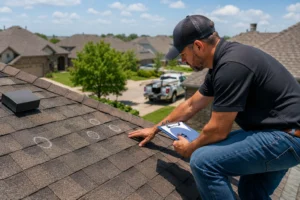
Public adjusters perform detailed inspections.
They look beyond surface damage and examine:
- Structural components
- Hidden water damage
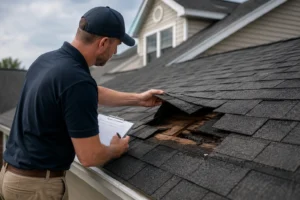
- Roof systems
- Electrical and mechanical elements
This thorough evaluation often uncovers issues that might otherwise be missed.
Professional Claim Documentation
Insurance claims depend heavily on documentation.
Public adjusters prepare comprehensive reports that include:
- Detailed damage descriptions
- Photo evidence
- Contractor estimates
- Policy references
These documents help support the full value of the claim.
Negotiation With Insurance Companies
Negotiation is a key part of the claims process.
Public adjusters present the evidence, discuss claim values with the insurer, and work toward a fair settlement.
Their experience with claim negotiations often improves outcomes.
Reduced Stress During the Claims Process
Let’s be honest. Property damage is stressful.
Repairs disrupt daily life. Businesses lose revenue. Families may need temporary housing.
When you understand when to hire a public adjuster, you gain someone who manages the claim process while you focus on recovery.
How the Public Adjuster Hiring Process Works
The process is typically straightforward.
Initial Consultation
Most adjusters begin with a consultation and property inspection.
During this step they review:
- The damage
- The insurance policy
- The claim status
They determine whether they can assist and estimate the claim potential.
Claim Investigation and Documentation
Next comes the investigative stage.
The adjuster documents the loss and prepares the claim file. This may involve contractor estimates, engineering reports, and detailed inspections.
Negotiation and Settlement
Once the claim package is complete, negotiations begin.
The public adjuster communicates with the insurance company to reach a settlement that reflects the documented damage.
How Public Adjusters Are Paid
Public adjusters typically work on a contingency fee.
That means they are paid a percentage of the final settlement.
Typical fees range between:
| Claim Size | Typical Fee Range |
| Small claims | 10% – 15% |
| Large losses | 5% – 10% |
Because payment depends on the settlement, public adjusters are motivated to maximize the claim value.
How to Choose the Right Public Adjuster
Choosing the right professional is just as important as knowing when to hire a public adjuster.
Here are key factors to evaluate.
Verify Licensing and Credentials
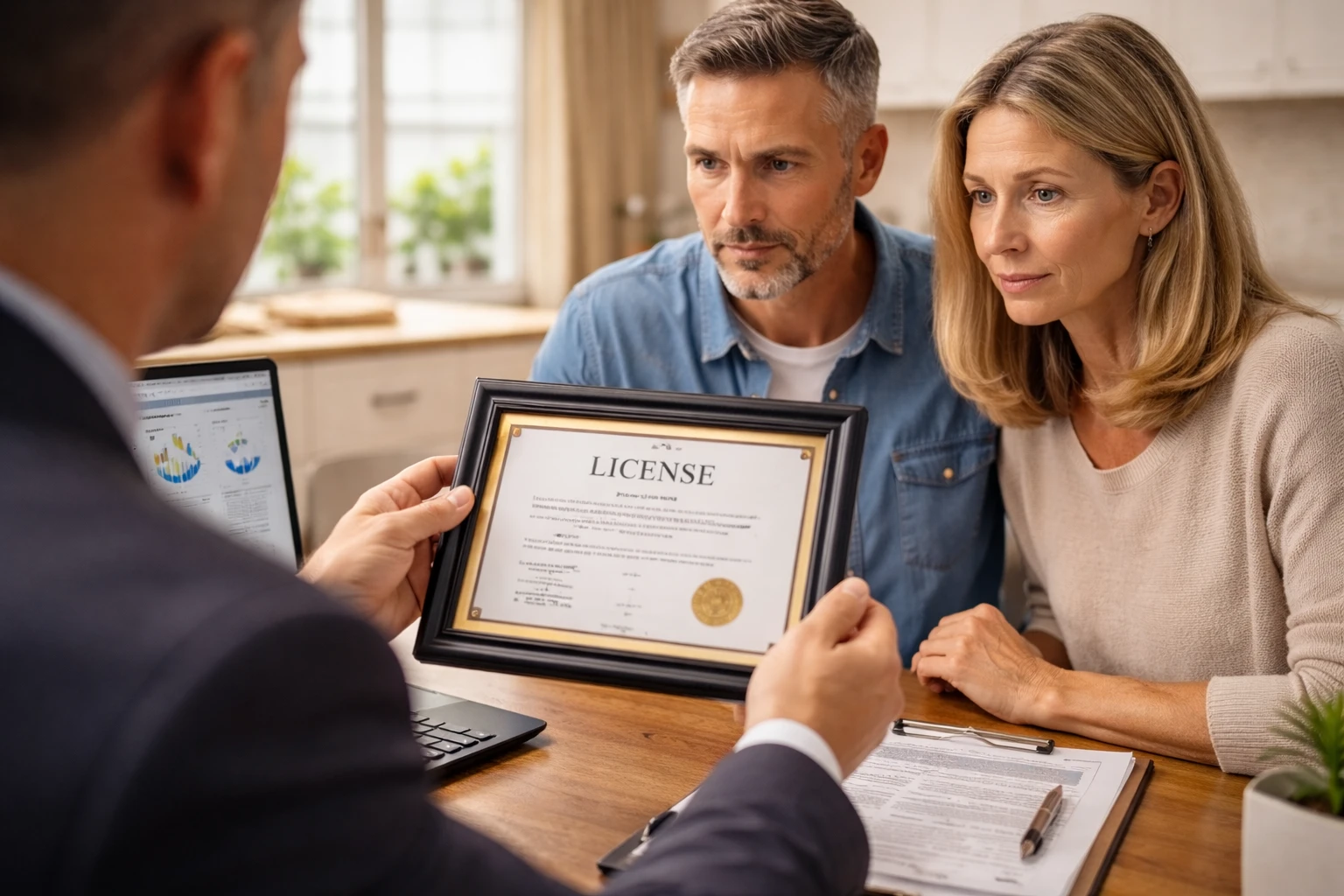
Public adjusters must hold a state license.
Always verify credentials before signing a contract.
Check Experience With Similar Claims
Experience matters.
An adjuster who regularly handles fire losses may not specialize in commercial storm damage claims.
Ask about previous cases similar to yours.
Ask About Their Claim Strategy
A strong adjuster will explain their plan.
They should clearly outline:
- How they document damage
- How negotiations will be handled
- Estimated timelines for settlement
Review Client Testimonials
Past client experiences can reveal a lot about professionalism and communication.
Look for consistent positive feedback and successful claim outcomes.
Questions to Ask Before Hiring a Public Adjuster
Before signing an agreement, ask a few important questions.
- Are you licensed in my state?
- What percentage fee do you charge?
- How long do claims like mine usually take?
- Will you personally handle my claim?
- What documentation will you prepare?
These questions help you feel confident about the decision.
Quick Timeline: When Hiring a Public Adjuster Makes the Most Sense
| Claim Stage | Should You Hire a Public Adjuster? |
| Immediately after damage | Often helpful |
| Before filing the claim | Useful for documentation |
| During negotiations | Very helpful |
| After claim denial | Often necessary |
The earlier professional documentation begins, the stronger the claim can become.
Final Thoughts
Insurance claims can be complicated. They involve inspections, estimates, negotiations, and detailed paperwork. For many property owners, navigating the process alone feels overwhelming.
That’s why understanding when to hire a public adjuster is so important.
If the damage is significant, the claim is complex, or the settlement offer seems low, professional help can protect your financial recovery. A skilled public adjuster documents the full scope of the loss, negotiates with insurers, and helps ensure the claim reflects the real cost of repairs.
Not every claim requires one. But when the situation calls for expert guidance, hiring the right adjuster at the right time can make a major difference.
And sometimes, that difference is measured in thousands of dollars.
FAQs
A public adjuster represents the policyholder during an insurance claim. They assess property damage, prepare documentation, and negotiate with the insurance company.
Many property owners hire one shortly after major damage occurs so the claim can be documented properly from the beginning.
Yes, you can hire a public adjuster at any stage of the claim process, even if the claim has already been filed or partially settled.
For minor damage with clear repair costs, a public adjuster may not be necessary because the claim is usually straightforward.
Public adjusters typically work on a contingency fee, meaning they receive a percentage of the final insurance settlement.
Yes, a public adjuster can review the denial, reassess the damage, and negotiate with the insurer to reopen or dispute the claim.
They often help identify additional damages and ensure accurate documentation, which can lead to a higher settlement in some cases.
Yes, most states require public adjusters to be licensed and follow regulations that govern how they represent policyholders.
The timeline varies depending on the damage and negotiations, but a public adjuster helps manage the process and keep communication moving.
Look for proper licensing, experience with similar claims, transparent fees, and strong client reviews before making a decision.