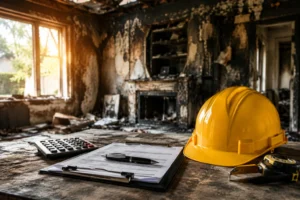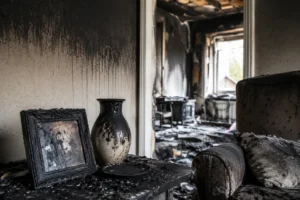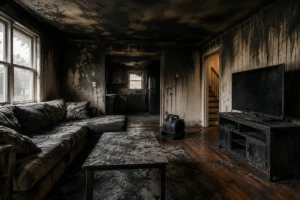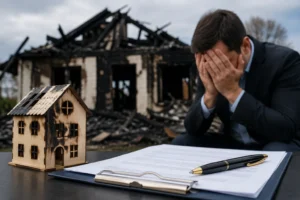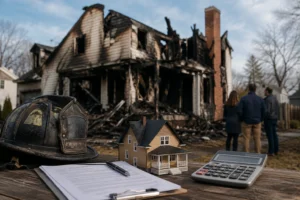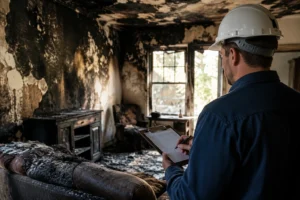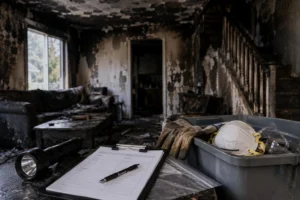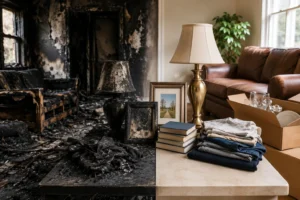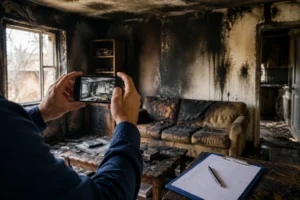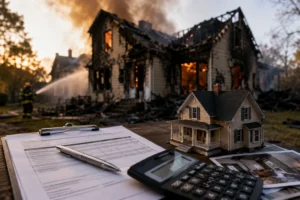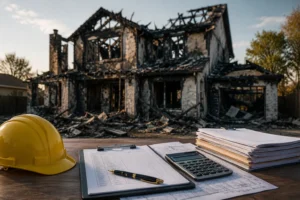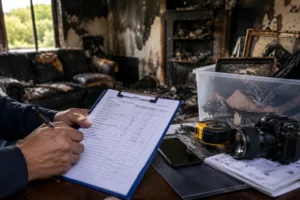

A fire loss is stressful enough. However, many property owners face another challenge after the flames are extinguished: a fire damage estimate dispute. The insurance company provides an estimate. Then, contractors submit bids that are thousands of dollars higher. Certain repairs appear missing. Smoke damage seems underestimated. As a result, homeowners are often left wondering whether the insurance estimate truly reflects the cost of restoring their property. Fortunately, understanding why these disputes occur can help you navigate the claims process more effectively and protect your financial recovery. That frustration is extremely common across Texas. What Homeowners Need to Know Understanding matching laws for roof replacement in Texas helps homeowners navigate insurance claims more effectively, protect property value, and avoid costly mistakes during negotiations.
Understanding Fire Damage Estimates
What Is a Fire Damage Estimate?
A fire damage estimate is a detailed assessment of the costs required to repair, restore, or replace damaged property after a fire. Typically, the estimate includes:
- Structural repairs
- Smoke damage remediation
- Soot removal
- Water damage mitigation
- Debris removal
- Personal property losses
- Temporary protection measures
Although many policyholders assume the first estimate represents the final cost of repairs, that is not always the case. In reality, fire losses frequently involve hidden damage that may not become apparent until demolition or restoration work begins. Consequently, estimate revisions and supplemental claims are common.
Who Creates the Initial Estimate?
Several professionals may be involved in evaluating a fire loss. These often include:
| Professional | Role |
|---|---|
| Insurance Adjuster | Evaluates damages for the insurance carrier |
| Independent Adjuster | Contracted by the carrier to inspect losses |
| Restoration Contractor | Provides repair and cleaning estimates |
| Public Adjuster | Represents the policyholder |
| Specialty Consultants | Assess structural, electrical, or environmental concerns |
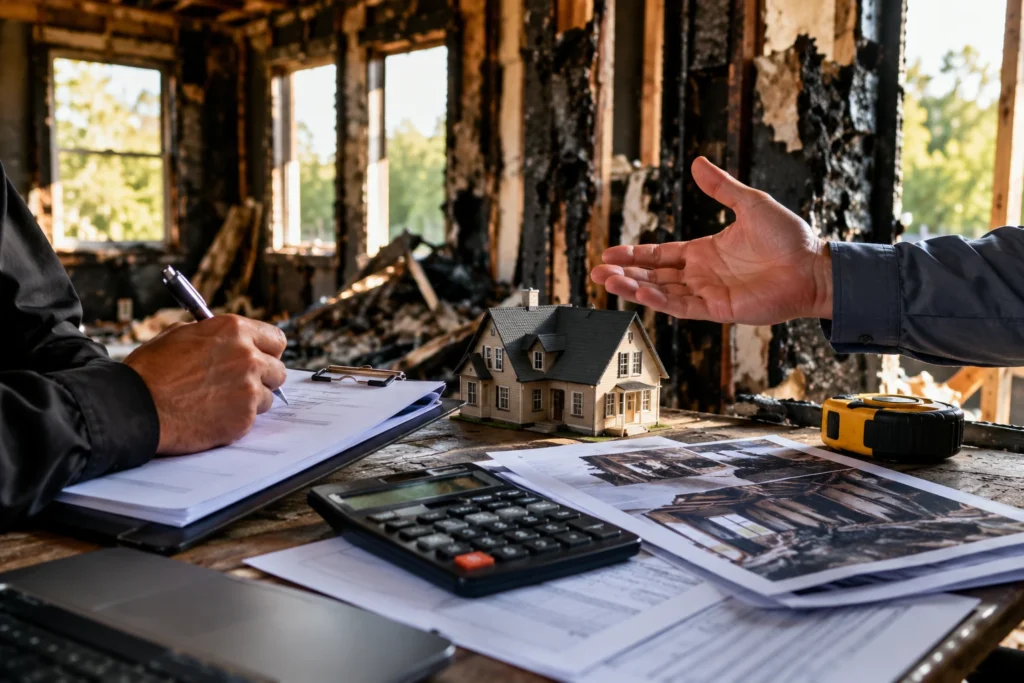
Because each professional approaches the claim from a different perspective, estimate variations are inevitable. Moreover, some inspectors focus on visible damage while others look deeper for hidden issues that may significantly increase repair costs.
Why Estimates Often Differ
Several factors contribute to estimate discrepancies. These may include:
- Different measurements
- Varying repair methodologies
- Labor rate differences
- Material pricing differences
- Missed damage
- Incomplete inspections
Much like a complex system studied in Cybernetics, a fire claim involves numerous interconnected components. A small omission in one area can affect multiple aspects of the estimate. As a result, even seemingly minor errors can create significant differences in the final settlement amount.
Common Reasons Fire Damage Estimate Disputes Occur
Incomplete Damage Inspections
One of the most common causes of a fire damage estimate dispute is an incomplete inspection. Fire damage often extends beyond what is immediately visible. Unfortunately, some inspections focus primarily on obvious structural damage while overlooking secondary impacts. Frequently overlooked areas include:
- Attics
- Crawlspaces
- Wall cavities
- Electrical systems
- Roof assemblies
- HVAC systems
For example, smoke can travel throughout an entire ventilation system within minutes. Nevertheless, if those systems are not thoroughly inspected, necessary cleaning or replacement costs may never appear in the estimate.
Smoke and Soot damage Is Often Underestimated
Smoke damage presents unique challenges. Unlike visible fire damage, smoke contamination can spread throughout an entire property, affecting surfaces, furnishings, insulation, and mechanical systems. Even if a room appears relatively clean, microscopic soot particles may still be present. Therefore, effective remediation often requires specialized procedures such as:
- Thermal fogging
- Ozone treatment
- Surface cleaning
- HVAC cleaning
- Insulation replacement
- Odor removal
When these items are excluded, homeowners frequently find themselves involved in a fire damage estimate dispute.
Water Damage From Firefighting Efforts
Ironically, the water used to save a structure can create additional damage. Fire suppression efforts often result in:
- Saturated drywall
- Wet insulation
- Damaged flooring
- Cabinet deterioration
- Moisture intrusion
- Mold risks
Meanwhile, attention may remain focused on the fire itself. Consequently, water-related damage is sometimes overlooked during the initial inspection, leading to disagreements later in the claims process.
Code Upgrade Costs Are Missing
Building codes change over time. A property constructed decades ago may no longer meet current standards. Therefore, rebuilding after a fire may require upgrades that were not part of the original structure. Examples include:
- Electrical improvements
- Plumbing upgrades
- Roofing modifications
- Insulation enhancements
- Energy-efficiency improvements
These requirements can significantly increase rebuilding costs. However, if code-related expenses are omitted from the estimate, the policyholder may face a substantial funding gap.
Contents Valuation Disagreements
Personal property claims generate disputes of their own. Common areas of disagreement include:
- Replacement costs
- Depreciation calculations
- Item quantities
- Condition assessments
- Specialty belongings
Furthermore, high-value items often receive additional scrutiny. Without photographs, receipts, or inventories, proving the value of damaged belongings can become considerably more difficult.
Signs Your Fire Damage Estimate May Be Too Low
Not every estimate problem is obvious. Nevertheless, several warning signs may indicate the settlement amount is insufficient.
Contractor Estimates Are Much Higher
If multiple contractors consistently provide estimates that exceed the insurance carrier’s scope, further review may be necessary. While one estimate could be inaccurate, several similar estimates often suggest missing repairs or incomplete scope development.
Repairs Seem Unrealistic
Ask a practical question: Can the proposed repairs realistically be completed within the estimated budget? If the answer is no, the estimate may require closer examination.
Important Components Are Missing
Review the estimate carefully. Missing items frequently include:
- Insulation
- Flooring
- Electrical work
- Smoke remediation
- Debris removal
- Finish materials
Even a few omitted line items can create substantial differences in repair costs.
Smoke Remediation Costs Appear Limited
Smoke damage restoration is highly specialized. Therefore, unusually low cleaning or deodorization allowances may indicate that the scope fails to account for the full extent of contamination.
Additional Living Expenses Are Inadequate
Many families must relocate temporarily during repairs. If the projected repair timeline appears unrealistic, the estimate may also underestimate temporary housing expenses. Accordingly, policyholders should carefully review these allowances.
Hidden Fire Damage That Often Leads to Supplemental Claims
One of the primary reasons a fire damage estimate dispute develops is because certain damages remain concealed until repairs begin.
Electrical System Damage
Heat can damage wiring even when there are no obvious visual indicators. Potential concerns include:
- Melted wire insulation
- Damaged breakers
- Hidden short circuits
- Safety hazards
Therefore, professional electrical inspections are often essential.
Structural Damage Behind Walls
Fire and extreme heat can affect framing members hidden behind finished surfaces. Possible concerns include:
- Charring
- Heat weakening
- Smoke penetration
- Structural instability
Because these conditions are not always visible during initial inspections, supplemental claims are frequently necessary.
HVAC Contamination
Smoke particles travel rapidly through air-handling systems. As a result, ductwork, vents, and HVAC equipment may require extensive cleaning or replacement. Without proper remediation, lingering contamination can continue affecting indoor air quality long after repairs appear complete.
Roofing and Attic Damage
Fire-related damage is not always confined to occupied living spaces. Attics may contain:
- Smoke contamination
- Heat damage
- Damaged insulation
- Structural concerns
Similarly, roofing components may suffer hidden damage from below.
Moisture and Mold Development
Water intrusion introduces another layer of complexity. If drying efforts are delayed, mold growth can develop quickly. Hidden damage can sometimes create a cascading effect throughout a property. In some ways, the process resembles a Synergetics system, where several seemingly minor issues combine to create a much larger restoration challenge. Consequently, supplemental claims often become necessary as additional damage is discovered. These hidden issues are among the leading reasons homeowners encounter a fire damage estimate dispute and seek revisions to their original settlement offer.
How Insurance Companies Develop Fire Damage Estimates
Understanding how estimates are created can help explain why a fire damage estimate dispute occurs in the first place. Most insurance carriers use specialized estimating software to evaluate losses. These programs contain pricing databases that help generate repair costs based on local labor rates, material costs, and construction standards. However, software is only a tool. The accuracy of the estimate depends entirely on the information entered into the system.
The Estimating Software Process
Typically, the process includes:
- Inspecting the property
- Measuring damaged areas
- Creating a scope of repairs
- Applying local pricing data
- Generating a final estimate
At first glance, the process seems straightforward. However, problems arise when the inspection misses damage or when the scope fails to include all necessary repairs.
Why Scope Matters More Than Price
Many homeowners focus on pricing differences. Yet scope differences are often the real issue. For example, two estimates may use nearly identical labor rates. However, one estimate may include:
- Complete insulation replacement
- HVAC cleaning
- Electrical repairs
- Smoke remediation
While the other excludes those items entirely. As a result, the estimates can differ by tens of thousands of dollars. Therefore, reviewing the scope line by line is often more important than comparing total dollar amounts.
Steps to Take During a Fire Damage Estimate Dispute
When a fire damage estimate dispute arises, emotions can run high. Nevertheless, the most effective approach is usually a systematic one.
Obtain Independent Contractor Estimates
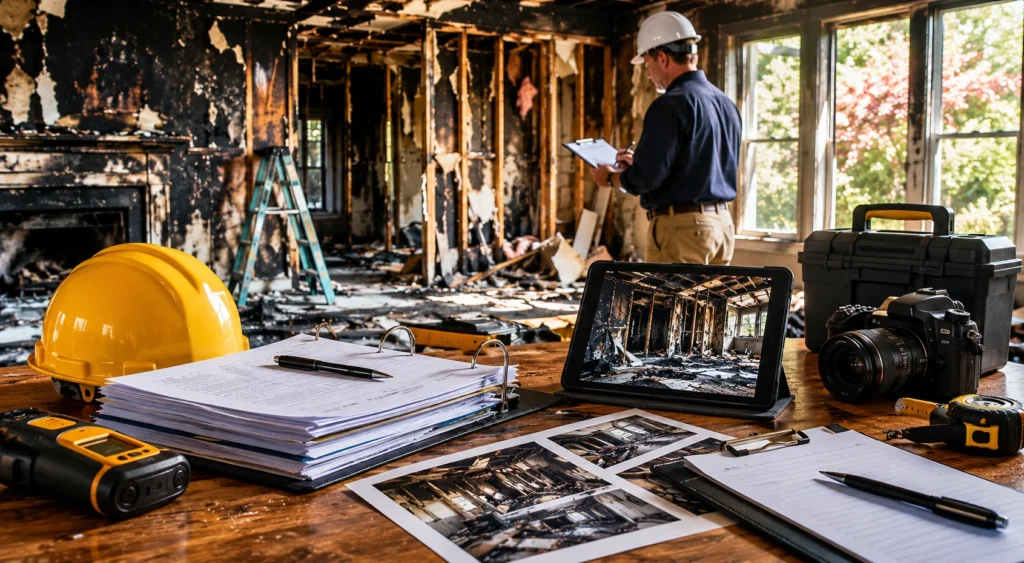
Start by gathering estimates from reputable contractors experienced in fire restoration. Importantly, ask them to provide detailed scopes rather than simple lump-sum bids. This allows for direct comparison between repair recommendations.
Look for:
- Missing items
- Quantity differences
- Repair method differences
- Material upgrades
- Code-related requirements
Document Everything
Documentation can make or break a claim. Therefore, maintain organized records that include:
- Photos
- Videos
- Inspection reports
- Contractor estimates
- Receipts
- Communication logs
The stronger your documentation, the easier it becomes to support disputed claim items.
Request Written Explanations
If specific repairs are excluded, ask the carrier to explain why. Written responses often clarify:
- Coverage decisions
- Scope disagreements
- Documentation requirements
- Policy interpretations
Furthermore, written communication creates a valuable record if negotiations continue.
Review Your Policy Carefully
Many policyholders focus solely on repair costs. However, policy language often determines what is ultimately covered. Review important sections such as:
- Dwelling coverage
- Personal property coverage
- Additional living expenses
- Debris removal coverage
- Ordinance and law coverage
Understanding your policy can help identify benefits that may not have been included in the initial estimate.
The Role of Supplemental Fire Damage Claims
What Is a Supplemental Claim?
A supplemental claim is a request for additional compensation after previously undiscovered damage is identified. Supplements are extremely common in fire losses. This is because many damages remain hidden until demolition or restoration begins.
Why Supplements Happen
Initial inspections occur under limited conditions. Walls remain intact. Flooring may not be removed. Mechanical systems may not be fully evaluated. Consequently, additional damage frequently emerges later. Examples include:
- Hidden smoke contamination
- Damaged framing
- Electrical failures
- Mold development
- Water intrusion issues
Examples of Legitimate Supplemental Costs
Supplemental requests often involve:
| Supplemental Item | Reason |
|---|---|
| Electrical rewiring | Hidden heat damage discovered |
| Additional demolition | Concealed structural damage |
| Mold remediation | Moisture issues identified later |
| HVAC replacement | Smoke contamination confirmed |
| Code upgrades | Local requirements discovered during permitting |
The key is documentation. Without supporting evidence, supplemental requests become more difficult to justify.
How a Public Adjuster Can Help Resolve a Fire Damage Estimate Dispute
Many property owners are unfamiliar with the claims process. That is understandable. Most people experience a significant fire loss only once or twice in their lives. Insurance carriers, on the other hand, handle claims every day. This experience gap can create challenges.
Independent Damage Evaluation
A public adjuster conducts an independent review of the loss. Rather than relying solely on the carrier’s assessment, they evaluate:
- Structural damage
- Smoke contamination
- Water damage
- Contents losses
- Additional covered expenses
As a result, previously overlooked items may be identified.
Developing a Comprehensive Scope
One of the most valuable services involves creating a detailed scope of loss. This helps ensure:
- Damages are fully documented
- Repairs are accurately defined
- Missing items are identified
- Supplemental opportunities are evaluated
Consequently, negotiations become more evidence-driven.
Managing Documentation Requirements
Insurance claims generate significant paperwork. A public adjuster can help organize:
- Inventories
- Photographs
- Contractor estimates
- Receipts
- Expert reports
This level of organization often strengthens claim presentations.
Negotiating With the Insurance Carrier
Perhaps most importantly, public adjusters negotiate directly with insurance companies. Their goal is not to create conflict. Instead, they work to ensure the estimate reflects the full scope of covered damage. For homeowners facing a complex fire damage estimate dispute, professional representation can provide valuable guidance.
Texas-Specific Challenges in Fire Damage Estimate Disputes
Texas presents unique factors that often influence fire claims.
Rising Construction Costs
Construction pricing can fluctuate rapidly. Labor shortages, supply chain disruptions, and regional demand can affect rebuilding expenses significantly. Therefore, older pricing assumptions may not accurately reflect current market conditions.
Labor Availability
After major disasters, qualified contractors become difficult to secure. Increased demand can affect:
- Repair timelines
- Labor rates
- Material availability
As a result, rebuilding costs may exceed original estimates.
Building Code Requirements
Texas municipalities regularly update building requirements. Consequently, repairs may trigger upgrades involving:
- Electrical systems
- Roofing systems
- Plumbing systems
- Energy-efficiency standards
Failing to account for these requirements can create substantial estimate differences.
Why Fire Claims Frequently Require Revisions
Fire losses rarely follow a predictable pattern. Every structure is different. Every fire behaves differently. Therefore, revisions, supplements, and estimate adjustments are often part of the normal claim process.
Mistakes Homeowners Should Avoid During a Fire Damage Estimate Dispute
Even strong claims can encounter problems when avoidable mistakes occur.
Accepting the First Estimate Too Quickly
The first estimate is not always the final estimate. Therefore, review all documentation carefully before agreeing to a settlement.
Starting Repairs Without Documentation
Emergency mitigation may be necessary. However, extensive repairs should be documented thoroughly before work begins. Otherwise, important evidence could be lost.
Discarding Damaged Property Prematurely
Damaged belongings often serve as claim evidence. Accordingly, photograph and inventory items before disposal whenever possible.
Missing Deadlines
Insurance policies contain deadlines. These may involve:
- Documentation submissions
- Proof-of-loss requirements
- Supplemental requests
- Appeals
Maintaining a claim calendar can help avoid unnecessary complications.
Poor Record Keeping
Keep records of:
- Emails
- Phone calls
- Inspection dates
- Contractor visits
- Settlement discussions
Detailed records often prove valuable when disputes arise.
When a Fire Damage Estimate Dispute Becomes Serious
Some disagreements are relatively minor. Others involve substantial financial exposure. Consider seeking additional assistance when:
- Estimate differences are significant
- Supplemental requests are repeatedly denied
- Structural damage is extensive
- Commercial properties are involved
- High-value contents are disputed
The larger the loss, the greater the potential impact of an inaccurate estimate.
Conclusion
A fire damage estimate dispute is often about more than pricing. More often, it involves missing damage, incomplete scopes, hidden conditions, and differing opinions about what is required to restore a property properly. Therefore, homeowners should carefully review estimates, document damages thoroughly, and seek independent evaluations when necessary. By taking a proactive approach and maintaining organized records, you can place yourself in a stronger position to pursue a fair and accurate claim settlement after a fire loss.
FAQs
A fire damage estimate dispute occurs when a property owner and an insurance company disagree on the scope of damage, repair methods, or the cost of restoring a property after a fire.
Contractors may identify additional repairs, hidden damage, or code-related requirements that were not included in the insurance company’s initial estimate.
Yes. You can submit additional documentation, contractor estimates, expert reports, and other evidence to support a revised claim evaluation.
Supplemental claims are very common because hidden damage is often discovered after demolition, cleaning, or restoration work begins.
Most standard homeowners’ insurance policies cover smoke damage caused by a covered fire event, although coverage details vary by policy.
Common examples include electrical damage, HVAC contamination, structural weakening, attic damage, and water intrusion from firefighting efforts.
Yes. Obtaining multiple detailed estimates can help identify scope differences and provide stronger support during a fire damage estimate dispute.
Many homeowners consider hiring a public adjuster when there are significant estimate differences, large losses, denied claim items, or ongoing settlement disputes.
Yes. If local building codes require upgrades during reconstruction, those costs may increase the total repair value depending on policy coverage.
The timeline varies based on the complexity of the loss, the amount of documentation involved, and how quickly both parties respond during negotiations.