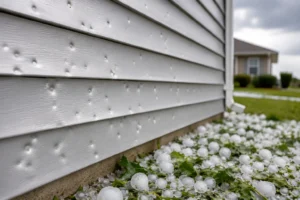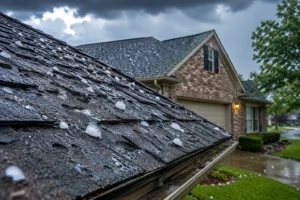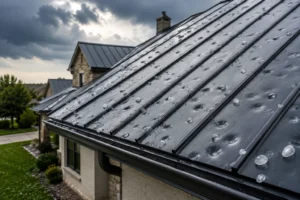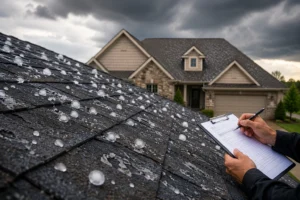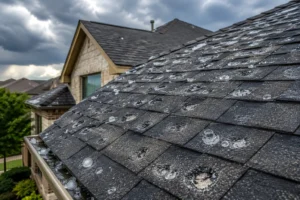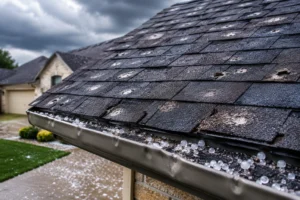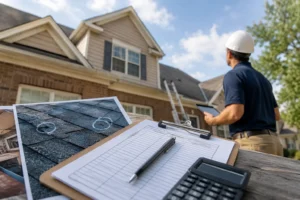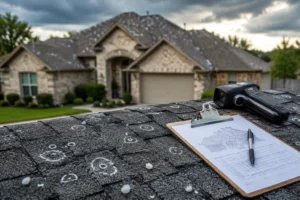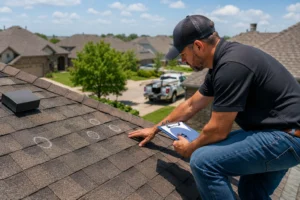

Hail can damage more than just your roof. It can leave aluminum siding covered with dents, impact marks, and visible blemishes that affect both appearance and value. Understanding aluminum siding hail damage insurance is important because insurance companies do not always view siding damage the same way they view roof damage. Some claims are approved quickly. Others become complicated by questions about cosmetic damage, matching issues, or the age of the siding. That’s why homeowners need to know how claims are evaluated, what documentation matters most, and what steps can improve their chances of a fair settlement.
How Insurance Companies Evaluate Aluminum Siding Damage
Insurance inspections involve evaluating numerous variables, some of which may not be immediately obvious during a brief site visit. The process often requires understanding how materials respond to impact and long-term wear. This concept is similar to Tribology, the study of friction, wear, and material interactions. While adjusters are not scientists, understanding material behavior can help explain why some hail impacts create lasting damage.
Documenting Aluminum Siding Hail Damage Properly
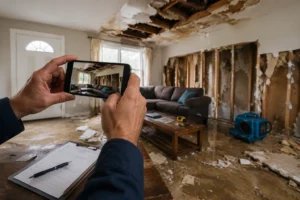
Accurate documentation can significantly strengthen a claim. Homeowners should take photographs from multiple angles and distances to create a complete visual record of the damage. This approach is similar to the principles used in Photogrammetry, where images are used to capture and analyze physical objects in detail. The more complete the documentation, the easier it becomes to demonstrate the true extent of the loss.
Common Signs of Aluminum Siding Hail Damage
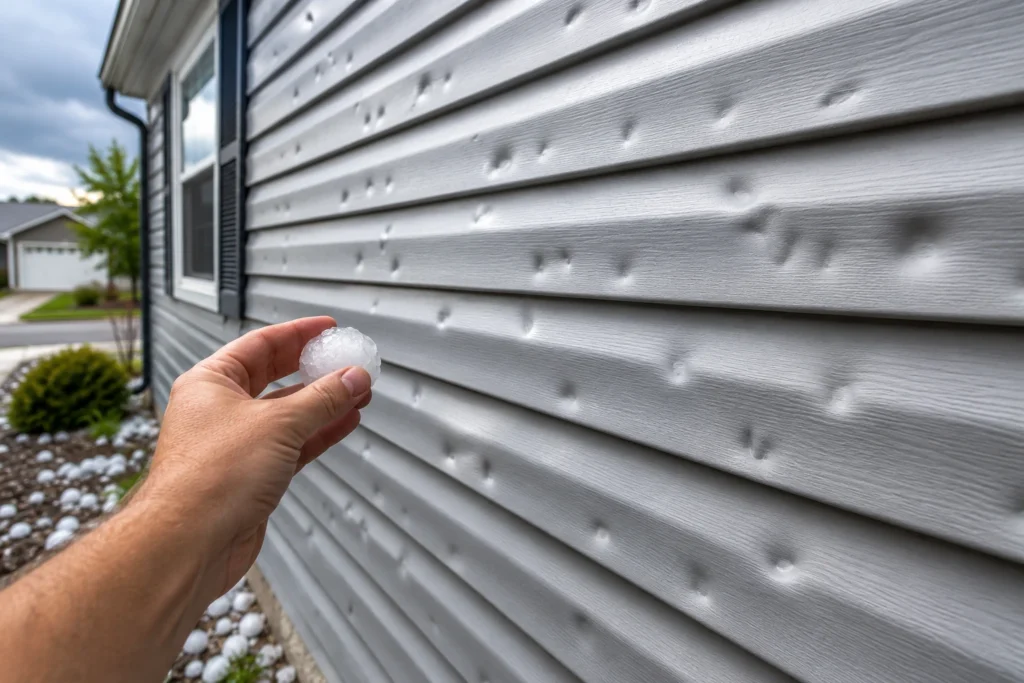
Not all hail damage is immediately obvious. In fact, many homeowners discover damage weeks or months after a storm while performing routine maintenance or inspecting another area of the property. Some of the most common signs include:
- Circular dents scattered across siding panels
- Impact marks concentrated on one side of the home
- Chipped or scratched paint
- Distorted panel edges
- Loose or bent trim pieces
- Damage around corners and window frames
Lighting can make a significant difference when searching for damage. Early morning or late afternoon sunlight often reveals dents that are difficult to see during midday. Viewing the siding from multiple angles may uncover damage that would otherwise go unnoticed. Because aluminum is a softer metal, even relatively small hailstones can leave visible impressions. The sooner damage is identified and documented, the easier it becomes to support an aluminum siding hail damage insurance claim.
Common Reasons Claims Become Underpaid
Many homeowners assume that once a claim is approved, the process is complete. Unfortunately, underpayments are common. Sometimes the issue stems from an incomplete inspection. Other times, it results from pricing discrepancies, missing line items, or differences in opinion regarding the scope of repairs. A few commonly overlooked costs include:
- Removal and disposal expenses
- Additional labor requirements
- Material delivery charges
- Matching-related replacement needs
- Access and setup costs
- Permit fees where applicable
Even small omissions can add up quickly. Homeowners should carefully compare insurance estimates with independent contractor estimates.
Strengthening Your Claim
The most successful homeowners treat the claim process like a project. They maintain organized files, save every document, and track every communication. Consider creating a dedicated claim folder containing:
- Photographs
- Inspection reports
- Insurance correspondence
- Contractor estimates
- Repair invoices
- Weather reports
- Claim notes
Keeping everything organized can make negotiations easier and reduce delays. Many disputes occur because important information gets lost or overlooked. A well-organized file helps ensure critical evidence remains available throughout the process.
Matching Issues Can Create Major Challenges
Matching concerns are among the most disputed aspects of aluminum siding hail damage insurance claims. Older homes frequently have siding products that are no longer manufactured. Even if replacement materials are available, exact color matches are often impossible due to years of weathering and sun exposure. Imagine replacing only a handful of damaged panels on the front of a home. The new panels may technically repair the damage, but they could stand out dramatically from the surrounding siding. The result can be visually distracting. Homeowners often argue that restoring the property’s appearance requires broader replacement. Insurance companies may take a different position. These disagreements frequently lead to negotiations regarding the appropriate scope of repairs. Professional inspections and detailed documentation can help support matching-related concerns when they arise.
Why Independent Inspections Are Valuable
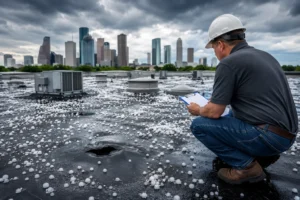
Insurance adjusters play an important role. However, they are not the only source of information. Independent inspections performed by qualified contractors or public adjusters can provide valuable additional perspectives. These inspections often identify:
- Previously overlooked damage
- Matching issues
- Additional repair requirements
- Scope deficiencies
- Pricing concerns
Independent evaluations can be particularly useful when claim settlements appear lower than expected. The goal is not conflict. The goal is accuracy. When multiple professionals reach similar conclusions, homeowners gain greater confidence in the repair scope and overall claim value.
Additional Documentation Tips for Homeowners
Good documentation does more than prove damage exists. It tells the story of the loss. Insurance companies review evidence to determine what happened, when it happened, and how extensive the damage may be. The more complete your documentation, the easier it becomes to answer those questions. Consider creating a simple timeline. Include:
- Date of the hailstorm
- Date damage was discovered
- Inspection dates
- Claim filing date
- Adjuster inspection date
- Contractor visits
- Estimate revisions
This timeline helps organize information and provides a clear overview of the claim process. Homeowners should also keep copies of all estimates, invoices, emails, and claim-related correspondence. Even seemingly minor documents can become important if disagreements arise later. Organization may not seem exciting, but it often becomes one of the most valuable tools during a claim.
Why Repair Costs Often Exceed Initial Estimates
Many homeowners are surprised when contractor estimates differ significantly from insurance estimates. There are several reasons for this. Insurance estimates are often prepared using standardized pricing systems. Contractors, however, must account for actual site conditions, material availability, labor costs, and project-specific challenges. Some factors that may increase repair costs include:
- Difficult access areas
- Multi-story homes
- Material shortages
- Additional damaged components
- Disposal requirements
- Permit costs
- Matching concerns
As repairs begin, additional damage may also be discovered. For example, removing damaged siding can reveal hidden problems that were not visible during the initial inspection. These findings sometimes require supplemental claim requests to address newly identified issues. This is one reason why thorough inspections are so important from the beginning.
The Long-Term Impact of Unrepaired Hail Damage
Some homeowners choose to ignore siding damage if the dents appear minor. That decision can carry risks. Visible damage may affect curb appeal and reduce property value. Potential buyers often notice exterior defects immediately, especially when damage is concentrated on highly visible elevations. In some situations, hail impacts may contribute to additional deterioration over time. Damaged paint finishes can become more vulnerable to weather exposure, while distorted panels may create opportunities for moisture intrusion. Even if the damage appears cosmetic today, future repair costs may increase if issues worsen over time. Addressing damage promptly helps protect both the appearance and value of the property. It also reduces the likelihood of future disputes regarding when the damage occurred.
Why Professional Guidance Can Make a Difference
Insurance claims can become complicated. Policy language, inspection findings, repair estimates, and documentation requirements all influence the outcome. Many homeowners successfully navigate the process on their own. Others benefit from professional assistance when claims become disputed or settlements appear inadequate. Professionals can help evaluate repair scopes, identify overlooked damage, review estimates, and provide additional documentation. The goal is not confrontation. The goal is ensuring the claim accurately reflects the damage sustained during the hailstorm. When homeowners understand their options and seek assistance when necessary, they are often better equipped to make informed decisions throughout the claims process.
The Financial Impact of Underpaid Claims
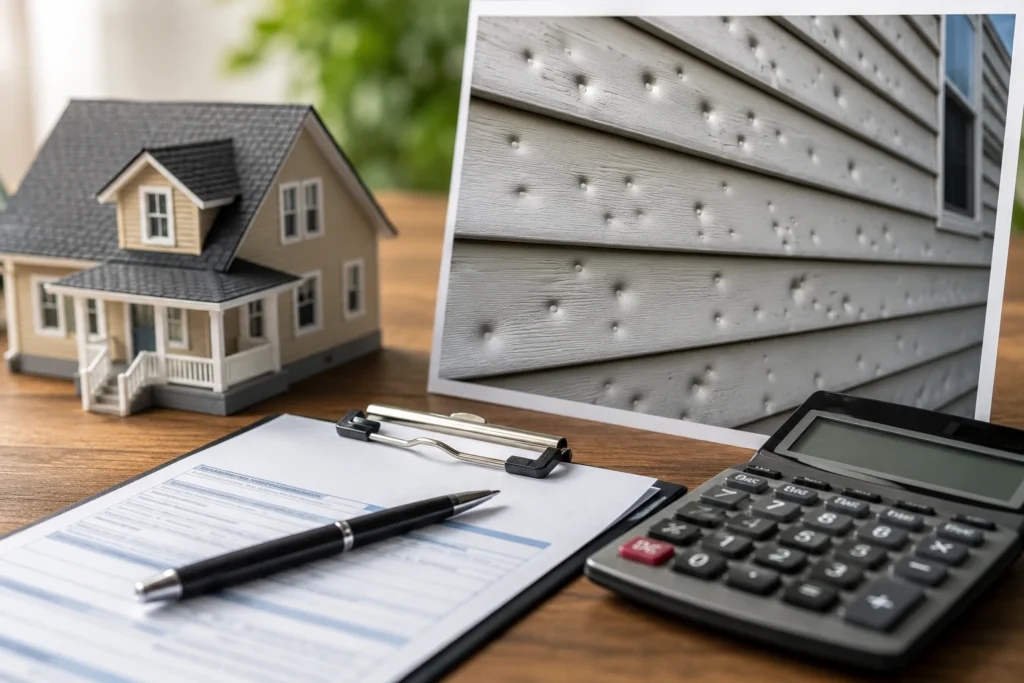
Many homeowners focus on obtaining claim approval. That is understandable. However, approval alone does not guarantee adequate compensation. An underpaid claim can create significant financial challenges. If settlement funds are insufficient to complete repairs, homeowners may be forced to cover the difference out of pocket. Unexpected expenses can include:
| Expense Category | Potential Impact |
|---|---|
| Additional Materials | Higher replacement costs |
| Labor Adjustments | Increased contractor pricing |
| Matching Requirements | Expanded repair scope |
| Disposal Fees | Added project costs |
| Permit Expenses | Local compliance costs |
Even a modest difference between actual repair costs and insurance payments can become financially stressful. This is why reviewing estimates carefully remains one of the most important steps in the entire claims process.
Working Effectively With Your Insurance Company
Good communication matters. Keep interactions professional and organized. Whenever possible:
- Save all emails
- Retain letters and reports
- Keep inspection notes
- Document phone conversations
- Request clarification in writing
These habits create a clear record of the claim. If questions arise later, written documentation can help eliminate confusion and support your position. Patience is also important. Complex claims sometimes require multiple inspections, estimate revisions, and additional documentation requests. Staying organized throughout the process helps reduce frustration and improves efficiency.
Final Thoughts
Aluminum siding may be durable, but it is not immune to hail damage. Dents, impact marks, matching concerns, and claim disputes can all create challenges for homeowners after severe weather strikes. Fortunately, knowledge is a powerful tool. Understanding how aluminum siding hail damage insurance works allows homeowners to approach the claims process with confidence. From documenting damage and gathering evidence to reviewing estimates and addressing matching concerns, every step plays a role in protecting your financial interests. Take action early. Document everything thoroughly. Maintain organized records. And never assume a quick inspection tells the whole story. When homeowners stay informed and proactive, they often place themselves in a stronger position to achieve fair claim outcomes and restore their property properly after a hailstorm.
FAQs
In many cases, yes. Most homeowners’ insurance policies cover sudden and accidental hail damage, subject to policy terms and conditions.
Look for dents, impact marks, chipped paint, or distorted panels. A professional inspection can help identify damage that may not be obvious from the ground.
Coverage depends on the policy language.
Document the damage with photos, gather weather information, and notify your insurance company as soon as possible to begin the claims process.
Claims may be denied if the insurer believes the damage resulted from wear and tear, age, poor maintenance, or conditions unrelated to the reported storm.
Matching issues can become a significant factor in claim negotiations. Depending on policy language and local regulations, additional replacement may be necessary to achieve a reasonably uniform appearance.
Yes. If you believe damage was missed or underestimated, you can submit additional evidence, obtain independent inspections, or request a re-evaluation.
The deadline varies by policy and state regulations. It is generally best to report damage as soon as possible after discovering it.
An independent inspection can provide a second opinion and may identify additional damage, repair challenges, or matching concerns that affect the claim value.
A public adjuster works on behalf of the policyholder by documenting damage, reviewing estimates, and negotiating with the insurance company to pursue a fair settlement.