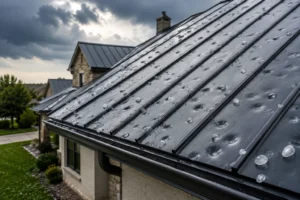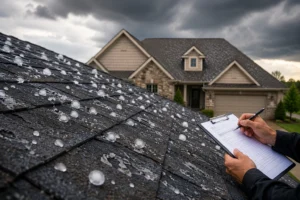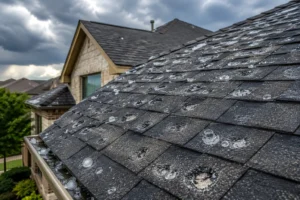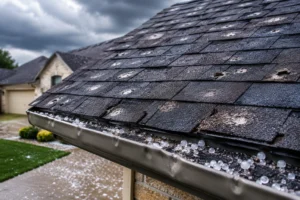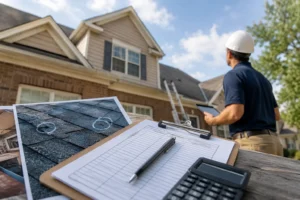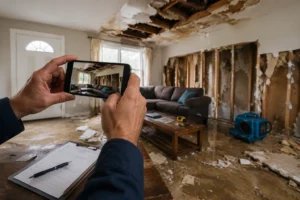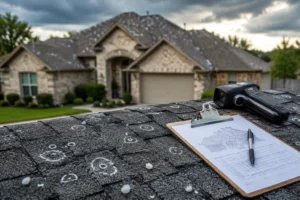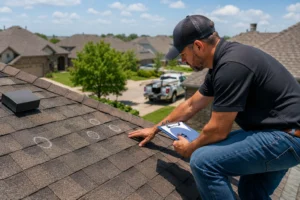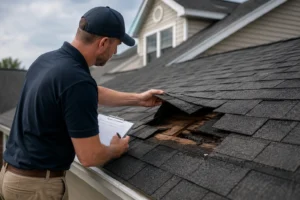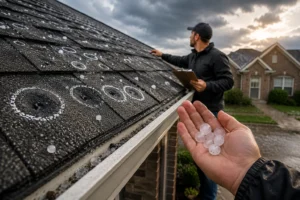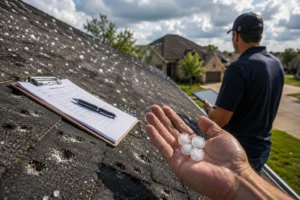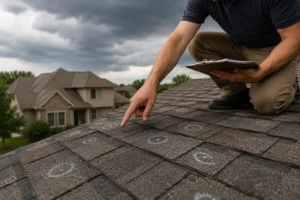

Hailstorms hit Texas hard every year. And after the storm passes, many homeowners immediately ask the same question: will insurance pay hail damage metal roof claims? Sometimes yes, Sometimes disputes happen quickly. Metal roofs are durable, but they are not indestructible. Hail can dent panels, damage seams, loosen fasteners, and create hidden moisture problems that are not always obvious during a quick inspection. Insurance companies may cover the damage if it affects the roof’s function or lifespan, but cosmetic damage disputes often complicate the process. That is why understanding how metal roof hail claims work is incredibly important before accepting any insurance decision.
Why Metal Roofs Are Popular in Texas
Metal roofing systems continue growing in popularity across Texas for good reason. Homeowners deal with:
- Severe hailstorms
- Intense heat
- Heavy rain
- Strong wind
- Long storm seasons
Metal roofs are often marketed as stronger and longer-lasting than traditional shingles. Many homeowners also like their energy efficiency and modern appearance. Common types of metal roofs include:
| Metal Roof Type | Common Features |
|---|---|
| Standing Seam | Hidden fasteners and sleek appearance |
| Corrugated Metal | Durable and cost-effective |
| Stone-Coated Metal | Mimics shingles or tile |
| Aluminum Roofing | Lightweight and corrosion resistant |
| Steel Roofing | Extremely durable in harsh weather |
But even durable roofing systems can suffer major hail damage. And when that happens, homeowners begin wondering whether insurance will pay hail damage metal roof repair or replacement costs.
How Hail Damages Metal Roofs
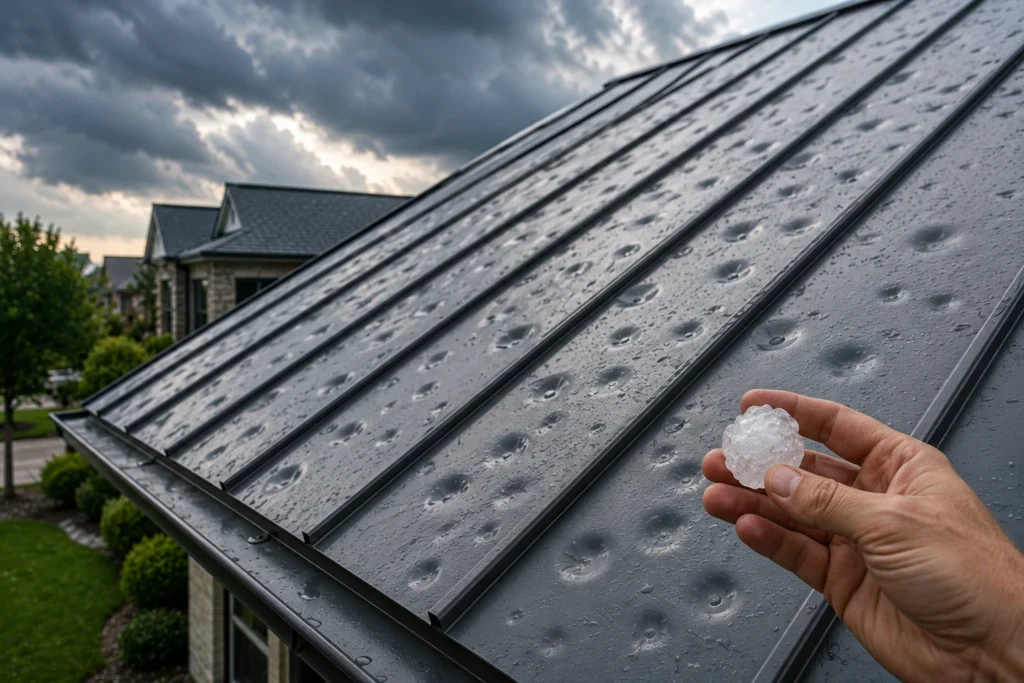
Some hail damage is obvious immediately. Other damage stays hidden for months. That is one reason metal roof claims become complicated. Common hail-related damage includes:
- Panel dents
- Surface impact marks
- Paint coating damage
- Scratches exposing raw metal
- Seam separation
- Flashing damage
- Fastener loosening
- Water intrusion
- Underlayment deterioration
In some cases, damage may appear minor at first but worsen over time. For example, damage to protective coatings may eventually expose the metal surface to corrosion, especially on roofing systems that rely on proper Galvanization for long-term durability. That is why professional inspections matter after severe storms.
Will Insurance Pay Hail Damage Metal Roof Claims?
The short answer is yes, insurance often pays hail damage metal roof claims when the damage affects the roof’s functionality or creates measurable loss. Insurance coverage may apply when hail causes:
- Roof leaks
- Structural deformation
- Damaged flashing
- Water penetration
- Compromised seams
- Reduced roof lifespan
- Unsafe roofing conditions
However, many insurance companies separate damage into two categories:
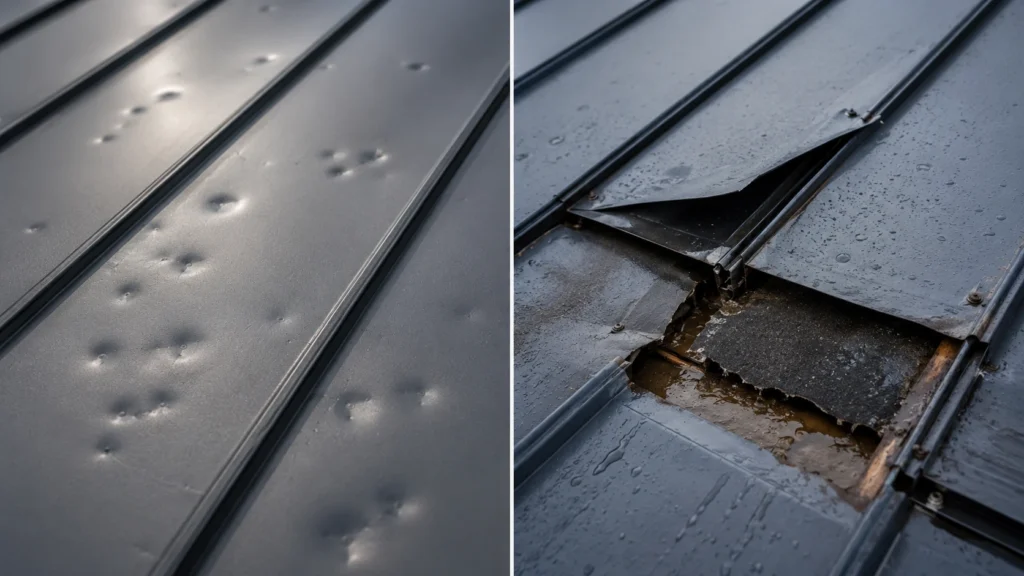
- Cosmetic damage
- Functional damage
And that distinction becomes the center of many disputes.
Cosmetic Damage vs Functional Damage
This is where many homeowners run into problems.
Cosmetic Damage
Insurance carriers often classify dents or visible imperfections as cosmetic damage if they believe the roof still functions normally. Examples may include:
- Small dents
- Surface dimpling
- Minor visual blemishes
Some insurance policies specifically limit or exclude cosmetic metal roof damage entirely.
Functional Damage
Functional damage affects the roof’s ability to protect the structure. Examples include:
- Broken seams
- Leaks
- Exposed metal
- Damaged flashing
- Moisture intrusion
- Structural weakening
Functional damage is usually far more difficult for insurers to deny. The challenge is that determining whether damage is cosmetic or functional can become subjective. And subjective disputes often lead to low estimates or partial denials.
Why Metal Roof Claims Become Complicated
Metal roof hail claims are rarely simple. Several issues create complications during inspections and negotiations.
Matching Problems
Metal roofing materials may become discontinued over time. Colors fade too. If insurers approve only partial repairs, replacement panels may not match the original roof appearance at all. That creates disputes involving:
- Appearance consistency
- Property value concerns
- Material availability
- Manufacturer differences
Hidden Damage Beneath Panels
Not all hail damage appears on the surface. Storm impacts may affect:
- Underlayment systems
- Roof decking
- Fasteners
- Moisture barriers
- Structural supports
Without detailed inspections, these issues can remain hidden until leaks appear later.
Multiple Storm Exposure
Texas properties often experience repeated hailstorms. Insurance companies sometimes argue the damage occurred during earlier weather events rather than the reported storm. That creates timeline disputes. Detailed weather records and early documentation become extremely important in those situations.
How Insurance Adjusters Inspect Metal Roofs
Insurance inspections influence the entire claim outcome. Some inspections are detailed and thorough. Others move very quickly after widespread storms because adjusters face enormous claim volume. During inspections, adjusters commonly evaluate:
- Roof slopes
- Metal panels
- Flashing systems
- Fasteners
- Gutters and downspouts
- Roof penetrations
- Interior moisture evidence
- Surface coating conditions
Insurance inspections sometimes involve analyzing impact patterns and surface wear behavior, which relates closely to concepts studied in Tribology. The quality of the inspection matters tremendously. Missed damage can significantly reduce settlement amounts.
Common Reasons Metal Roof Claims Get Underpaid
Underpayment disputes happen frequently after large Texas hailstorms. Especially with metal roofing systems.
Incomplete Damage Scope
Some insurance estimates overlook important components such as:
- Ridge caps
- Flashing
- Sealants
- Fasteners
- Underlayment damage
- Ventilation components
Small omissions can add thousands of dollars to repair costs later.
Labor Costs Are Too Low
Metal roofing work often requires specialized labor. Certain systems involve custom fabrication, precise panel installation, or advanced repair techniques. Low labor estimates may fail to reflect actual local market costs.
Code Upgrades Are Missing
Local building codes may require additional upgrades during roof replacement. Those costs can become significant. Yet some initial estimates fail to include them.
Partial Repairs Instead of Full Replacement
This becomes one of the biggest dispute areas involving metal roofs. Partial repairs can create:
- Mismatched appearance
- Warranty concerns
- Long-term performance issues
- Reduced resale value
Homeowners should review partial repair approvals carefully before accepting settlements.
What Homeowners Should Do After Hail Hits a Metal Roof
The steps homeowners take immediately after a storm can directly affect the claim later. Fast action matters.
Inspect the Property Safely
Avoid climbing dangerous roofs. Instead:
- Walk around the property
- Check gutters and siding
- Look for visible dents
- Photograph obvious damage
Take Detailed Photos Immediately
Documentation is critical. Capture:
- Wide-angle roof photos
- Close-up hail impacts
- Dented flashing
- Damaged vents
- Skylights
- Downspouts
- Detached materials
Time-stamped photos help preserve early evidence.
Save Every Record
Keep:
- Emails
- Inspection reports
- Contractor estimates
- Repair invoices
- Weather reports
- Communication summaries
Organized documentation strengthens claims tremendously.
Report the Claim Promptly
Delays create problems. Insurance companies may argue:
- Evidence deteriorated
- Additional storms affected the roof
- Damage worsened naturally
Prompt reporting reduces those disputes.
Schedule an Independent Inspection
Independent roofing inspections often identify issues overlooked during insurance inspections. That second opinion can become extremely valuable during negotiations.
Why Public Adjusters Help With Metal Roof Claims
Metal roof claims can become highly technical very quickly. Public adjusters help policyholders navigate those complexities. A qualified public adjuster may assist by:
- Reviewing policy language
- Documenting damages thoroughly
- Preparing detailed estimates
- Organizing evidence
- Identifying overlooked damage
- Supporting supplements
- Negotiating disputed items
The goal is not exaggeration. The goal is accuracy. And accuracy matters enormously when homeowners ask whether insurance will pay hail damage metal roof claims fairly. Strong documentation changes negotiations.
Questions Homeowners Should Ask Before Accepting a Settlement
Never rush into accepting the first insurance offer. Instead, ask detailed questions.
Does the Estimate Include Full Panel Replacement?
Partial repairs may create major matching issues later.
Are Matching Problems Addressed?
Different panel colors and finishes can reduce curb appeal and resale value.
Were Building Code Requirements Included?
Code-related upgrades may increase repair costs substantially.
Were All Roofing Components Inspected?
Roof systems involve much more than visible panels.
Was Hidden Damage Evaluated?
Surface inspections alone may not reveal underlayment or structural problems. These questions help homeowners avoid costly surprises later.
Tips to Strengthen a Metal Roof Hail Claim
The strongest claims are organized claims. Practical steps that help include:
| Action | Why It Matters |
|---|---|
| Take immediate photos | Preserves evidence |
| Save maintenance records | Counters neglect arguments |
| Get multiple inspections | Identifies overlooked damage |
| Keep written communication | Creates accountability |
| Review policy exclusions | Clarifies coverage |
| Track repair timelines | Supports negotiations |
Consistency matters. Documentation matters even more.
Why First Insurance Decisions Are Not Always Final
This is important. Very important. A denial or low estimate does not automatically mean legitimate storm damage does not exist. Initial inspections can miss issues. Supplemental claims happen frequently after contractors or independent inspectors uncover additional damage later. Reinspection’s also occur regularly after stronger documentation is presented. That happens throughout Texas every storm season.
Final Thoughts
So, will insurance pay hail damage metal roof claims? In many cases, yes. But the outcome often depends on the quality of inspections, policy wording, documentation, and how effectively the damage is supported during the claims process. Metal roof claims involve unique challenges. Cosmetic damage disputes. Matching issues. Hidden moisture problems. Underestimated repair scopes. All of these factors can affect settlement outcomes dramatically. That is why homeowners should approach metal roof hail claims carefully and strategically. Take photos immediately. Save records carefully. Get independent inspections. Review estimates thoroughly. And most importantly, never assume the first insurance decision is automatically correct. Because when it comes to metal roof hail claims, the details often determine everything.
FAQs
Sometimes. Insurance companies may cover dents if they affect the roof’s function, protective coating, or long-term performance rather than appearance alone.
Yes, many insurers argue dents are cosmetic only, especially if the roof still appears functional after inspection.
You should report hail damage as quickly as possible after the storm to avoid disputes about delayed reporting or deteriorated evidence.
Functional damage may include leaks, seam separation, flashing damage, exposed metal surfaces, or compromised structural performance.
Not always. Some roofs can be repaired, while others require full replacement depending on the severity of damage and material matching issues.
Yes, hail can damage underlayment, fasteners, and protective coatings before visible leaks appear inside the home.
Insurance estimates may overlook labor costs, code upgrades, flashing, underlayment damage, or other roofing components.
Yes, independent inspections often identify overlooked damage and provide valuable documentation during claim negotiations.
A public adjuster may help document damages, review policy language, prepare estimates, and negotiate disputed settlement amounts.
Review the estimate carefully, confirm all damage was included, and make sure matching issues and code-related costs were properly addressed.