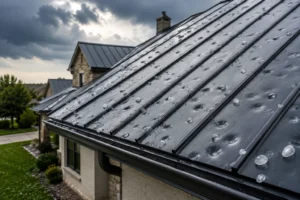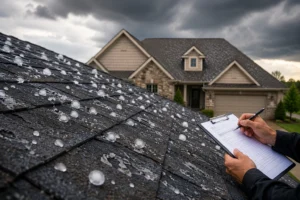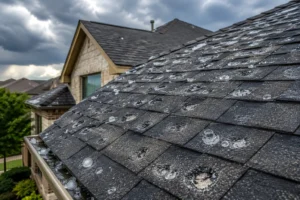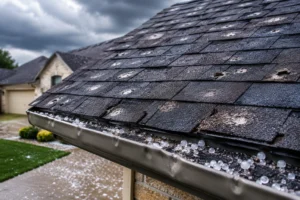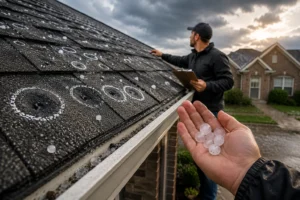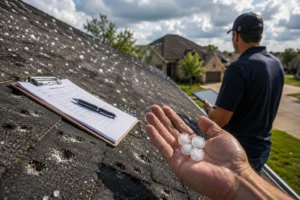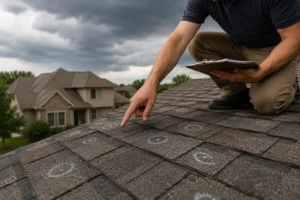

Texas storms do not play around. One afternoon of heavy hail can leave homeowners staring at shattered shingles, dented gutters, cracked windows, and water stains spreading across ceilings. And once the storm passes, the real challenge often begins navigating the hail damage insurance claim process. That process can become overwhelming quickly. Insurance paperwork starts piling up. Adjusters schedule inspections. Contractors offer conflicting opinions. Homeowners hear different advice from every direction. Some claims move smoothly. Others turn into frustrating disputes involving missing damage, low estimates, or denied repairs. I’ve seen one thing repeatedly: homeowners who stay organized and proactive during the hail damage insurance claim process usually place themselves in much stronger financial positions. Preparation matters. Documentation matters. Timing matters too. Understanding how the process works before problems arise can help homeowners avoid costly mistakes and improve the chances of receiving a fair settlement after severe storms hit Texas properties.
How Hail Damage Impacts Homes in Texas
Hailstorms create far more damage than many homeowners realize at first glance. Some damage appears immediately. Other issues stay hidden for weeks or months. Common areas affected by hail include:
- Asphalt shingles
- Metal roofing components
- Gutters and downspouts
- Window screens
- Siding panels
- Skylights
- HVAC systems
- Garage doors
- Exterior paint surfaces
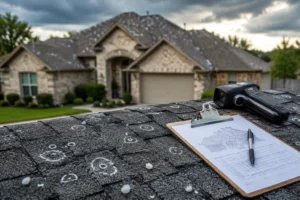
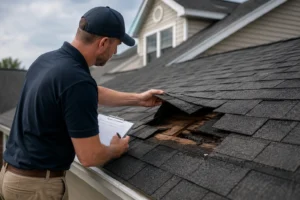
Roofing systems often suffer the most severe impact. The problem is that hail damage is not always obvious from the ground. Small bruises beneath shingles may weaken roofing materials without creating immediate leaks. Granule loss can shorten roof lifespan dramatically while remaining difficult to spot without a closer inspection. That hidden damage becomes important during the hail damage insurance claim process because insurance companies rely heavily on evidence. No evidence often means major claim problems later. One of the biggest challenges during the hail damage insurance claim process involves accurately identifying hidden roof deterioration before leaks become severe. Some roofing systems may experience gradual material weakening similar to spall conditions where surface layers begin deteriorating after repeated impact stress.
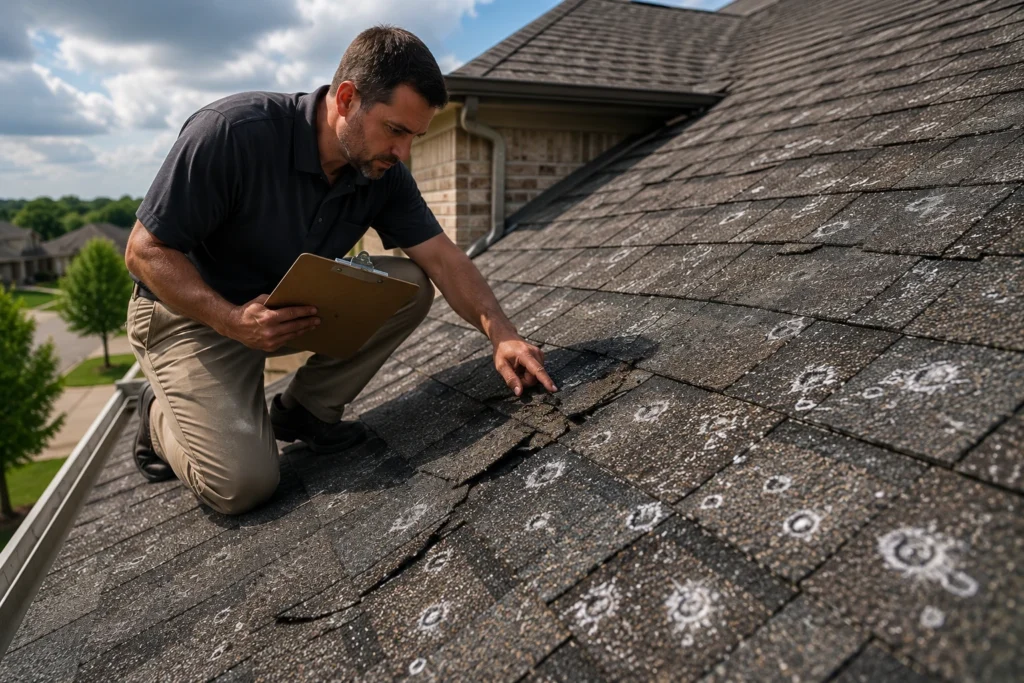
The First Steps After a Hailstorm
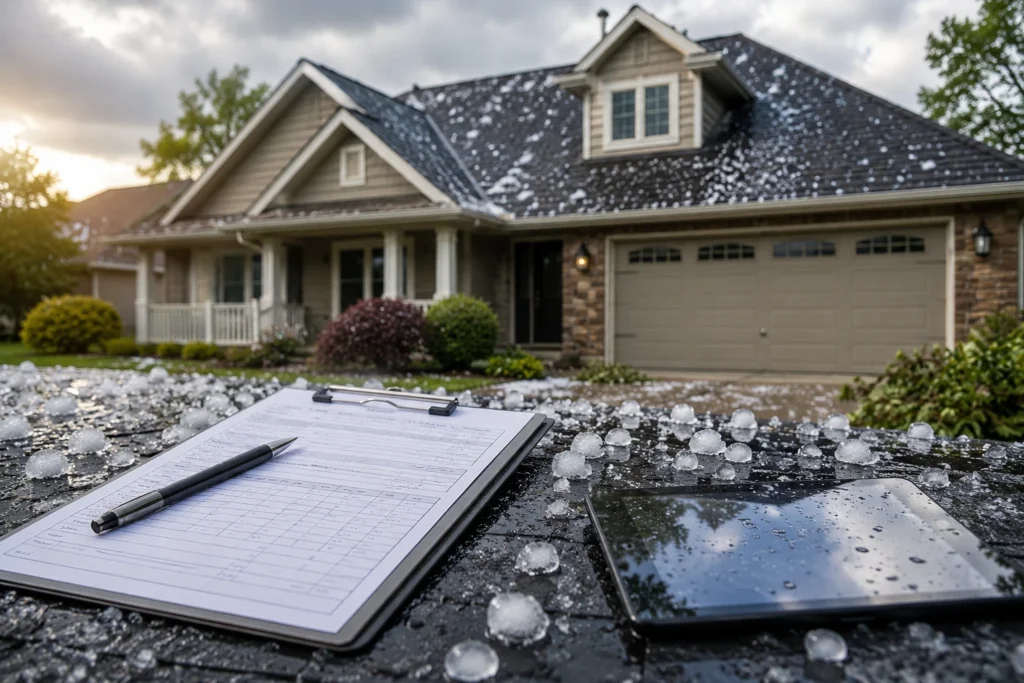
The first few hours after a storm matter more than many homeowners realize. Do not rush onto the roof. Seriously. Wet roofing surfaces become dangerous quickly, especially after storms involving wind, hail, and debris. Safety should always come first. Instead, begin with a careful ground-level inspection. Look for:
- Dented gutters
- Broken windows
- Damaged siding
- Fallen tree limbs
- Shingle debris
- Interior water stains
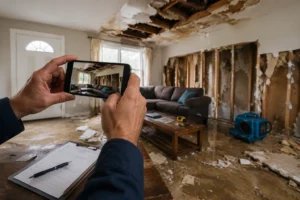
Take photos immediately. Lots of them. Wide-angle photos help establish overall storm conditions. Close-up images document specific damage areas. Videos can also strengthen claim files by showing the broader condition of the property after the storm. If active leaks appear, take reasonable steps to prevent additional damage. Temporary tarping. Water removal. Emergency mitigation. Those actions may help reduce further losses and demonstrate responsible property maintenance during the hail damage insurance claim process.
Why Documentation Changes Everything
Strong claims are built on strong documentation. Not assumptions, emotions. Documentation creates leverage. Homeowners who document thoroughly often create clearer, easier-to-evaluate claims for insurers, contractors, and adjusters alike. A well-organized claim file should include:
| Documentation Type | Why It Matters |
|---|---|
| Photos and videos | Establish visible storm damage |
| Weather reports | Confirm hail activity in the area |
| Inspection reports | Provide professional damage opinions |
| Repair invoices | Support reimbursement requests |
| Communication logs | Track claim progress |
| Maintenance records | Help dispute wear-and-tear arguments |
Timestamps matter too. Take photos before temporary repairs begin whenever possible. Save emails. Screenshot text messages. Keep inspection appointments documented. Small details often become important details later. Especially when disputes arise.
Understanding Your Insurance Policy
Many homeowners do not read their insurance policy until after damage occurs. That creates surprises. Usually expensive ones. During the hail damage insurance claim process, understanding policy language becomes critical. Coverage limits, deductibles, exclusions, and depreciation rules can significantly affect payouts. Common types of hail-related coverage may include:
- Roof replacement
- Interior water damage
- Temporary repairs
- Structural repairs
- Personal property damage
But limitations often exist. Some policies contain cosmetic damage exclusions. Others apply actual cash value calculations instead of replacement cost coverage. Certain policies impose separate wind and hail deductibles that are much higher than standard deductibles. Read the fine print carefully. If something feels unclear, ask questions before accepting settlement offers.
Filing the Hail Damage Insurance Claim
Once damage has been identified, the next step involves contacting the insurance company to begin the hail damage insurance claim process. Be prepared with basic information such as:
- Policy number
- Date of loss
- Description of damage
- Photos if available
- Temporary repair information
The insurer typically assigns a claim number and schedules an inspection. This is where many homeowners unintentionally weaken their own claims. They guess repair costs, minimize visible damage, fail to mention interior issues. Or they delay reporting entirely. Prompt reporting matters because evidence deteriorates quickly after storms. Roof conditions change. Temporary repairs alter surfaces. Weather exposure worsens existing damage. Delays complicate inspections significantly.
The Insurance Adjuster Inspection Process
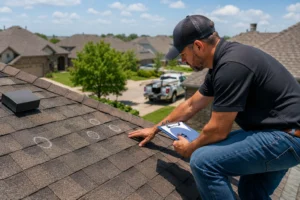
Insurance adjusters evaluate storm-related damage and determine what the policy may cover. Their inspection plays a major role in the outcome of the hail damage insurance claim process. Adjusters often inspect:
- Roofing systems
- Gutters
- Flashing
- Soft metals
- Interior ceilings
- Siding
- Exterior components
Some inspections are extremely detailed. Others move very quickly. That inconsistency is one reason many homeowners seek independent inspections from roofing contractors or public adjusters before accepting settlement offers. Independent inspections may identify:
- Hidden roof bruising
- Code-required repairs
- Ventilation issues
- Underlayment damage
- Matching concerns
- Missed structural damage
Additional opinions can provide valuable context during negotiations.
Questions Homeowners Should Ask During Inspections
Homeowners sometimes stay quiet during inspections because they assume the professionals will handle everything. Bad idea. Ask questions. Important questions include:
- What damage was identified?
- Are interior damages included?
- Will depreciation apply?
- Are code upgrades covered?
- What happens if additional damage appears later?
- How does the supplement process work?
Understanding the adjuster’s scope early may help prevent major misunderstandings later.
Understanding Insurance Estimates
Insurance estimates are not random numbers. Most carriers use estimating software that calculates material costs, labor rates, and depreciation based on regional pricing data. But estimates are not always complete. Far from it. Common estimate problems include:
- Missing roofing components
- Underpriced labor
- Omitted flashing
- Ignored ventilation upgrades
- Missing interior repairs
- Incomplete code requirements
These gaps become expensive fast. A homeowner reviewing an estimate should compare it carefully against actual contractor proposals and inspection findings. One missing item may not seem significant initially. Ten missing items become a major financial problem. Insurance estimates often rely on regional pricing databases and digital measurement systems to calculate repair costs. In large storm events, claim evaluations may also involve advanced forms of photogrammetry to analyze roof dimensions and storm-related damage patterns more accurately.
Why Supplements Become Necessary
Supplements are extremely common during the hail damage insurance claim process. Why? Because hidden damage often appears after repairs begin. Roof decking may show moisture deterioration beneath shingles. Flashing damage may become visible only after removal. Building code requirements may trigger additional repair obligations. Common supplement reasons include:
- Hidden water damage
- Additional material replacement
- Structural deterioration
- Code compliance upgrades
- Additional labor costs
- Matching issues
Successful supplements rely on updated documentation. Again, documentation wins. Revised contractor estimates, additional photos, manufacturer specifications, and code references all strengthen supplement requests.
Common Reasons Hail Claims Get Denied
Denials frustrate homeowners because storm damage feels obvious emotionally. But insurers evaluate evidence. Not frustration. Common denial reasons include:
Late Reporting
Delayed claims weaken evidence and create uncertainty regarding when damage occurred.
Insufficient Documentation
Weak photos and incomplete inspections reduce claim clarity.
Wear and Tear Arguments
Insurers sometimes argue damage resulted from aging rather than hail impact.
Pre-Existing Damage
Older roof problems may complicate causation discussions.
Lack of Maintenance
Poor roof maintenance can create disputes over responsibility. This is why proactive recordkeeping matters before storms ever happen.
What to Do If Your Claim Is Underpaid or Denied
An underpaid or denied claim does not always mean the process is over. Homeowners still have options. Start by requesting a detailed written explanation from the insurance company. Review the denial language carefully. Compare it against contractor inspections and policy language. Then gather additional evidence. That may include:
- Independent roofing inspections
- Engineering reports
- Additional weather documentation
- Updated photos
- Repair estimates
- Code references
The strongest disputes focus on facts. Not anger. Professional, organized evidence tends to create more productive negotiations during the hail damage insurance claim process.
How Public Adjusters Help With Hail Claims
Public adjusters represent policyholders, not insurance companies. That distinction matters. A public adjuster may assist with:
- Damage documentation
- Policy review
- Estimate analysis
- Claim organization
- Negotiations
- Supplemental claims
Large hail losses create enormous amounts of information. Managing inspections, estimates, invoices, photos, and deadlines becomes stressful quickly. Professional assistance can help homeowners stay organized throughout the hail damage insurance claim process while ensuring legitimate damages receive thorough evaluation. That does not guarantee larger settlements automatically. But organized claims supported by detailed documentation often become easier to evaluate fairly.
Why Texas Hail Claims Can Become Complex
Texas experiences some of the most severe hail activity in the country. Storm frequency creates unique challenges. Contractor demand spikes rapidly after major storms. Material shortages occur. Inspection delays happen. Roofing fraud increases. Prices fluctuate. Large regional hail events may overwhelm carriers temporarily. That environment makes organization even more important. Homeowners who maintain detailed records, communicate clearly, and respond promptly often reduce unnecessary delays during the hail damage insurance claim process.
Tips to Strengthen Your Claim
Simple habits can improve claim quality dramatically. Here are practical steps homeowners should follow:
Report Damage Quickly
Fast reporting helps preserve evidence and reduce disputes.
Save Every Receipt
Temporary repairs, mitigation, hotel stays, and emergency services may become relevant later.
Keep Communication Written
Emails create accountability and preserve timelines.
Get Multiple Inspections
Different professionals may identify different damage areas.
Stay Organized
Use digital folders to track photos, estimates, reports, and insurer communications.
Do Not Rush Settlements
Review estimates carefully before accepting payments. Patience matters. Especially when large roof replacements are involved.
Final Thoughts
The hail damage insurance claim process can feel stressful, confusing, and time-consuming. But homeowners who approach the process strategically often place themselves in much stronger positions. Preparation helps. Documentation helps. Organization helps even more. The goal is not exaggerating damage or creating conflict with insurers. The goal is accuracy. Thorough inspections. Proper documentation. Fair evaluation of legitimate storm-related losses. That matters financially. Especially in Texas, where severe hailstorms can create substantial property damage within minutes. Take photos early. Save records carefully. Ask questions constantly. Review estimates thoroughly. And most importantly, never assume visible damage tells the full story. Hidden problems frequently become the most expensive part of the entire hail damage insurance claim process.
FAQs
Simple claims may resolve within a few weeks, while larger or disputed claims can take several months depending on inspections, supplements, and repairs.
Yes. Prompt reporting helps preserve evidence and reduces the chances of disputes regarding when the damage occurred.
Absolutely. Small impacts beneath shingles may weaken roofing materials without creating visible leaks right away.
Save photos, inspection reports, receipts, emails, estimates, and any communication related to the hail damage insurance claim process.
That depends on the policy, the extent of the damage, local building codes, and whether repairs can properly restore the roof.
Additional damage may be submitted through a supplement request supported by updated photos, contractor reports, and revised estimates.
Claims may be denied due to late reporting, insufficient evidence, wear-and-tear arguments, or disputes about pre-existing damage.
Yes. Independent inspections from contractors or public adjusters may identify damage areas that were overlooked initially.
In some situations, yes. Policies and state laws may allow claims to be reopened if hidden storm damage is discovered later.
A public adjuster may assist with documentation, estimate reviews, negotiations, and managing the overall hail damage insurance claim process on behalf of the policyholder.