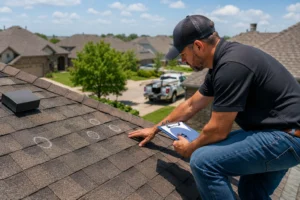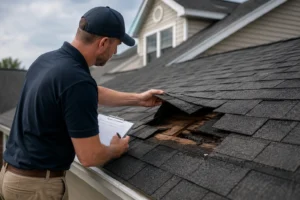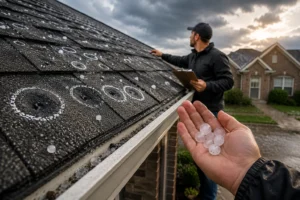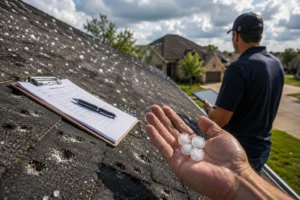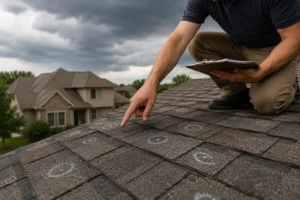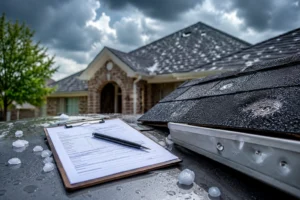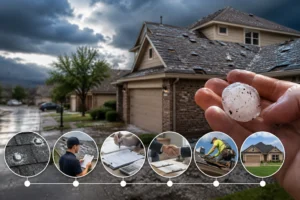

Texas hailstorms can damage a roof in minutes. One severe storm may leave behind cracked shingles, hidden leaks, damaged flashing, and expensive repair bills. That is why understanding a hail damage on roof insurance claim matters so much for homeowners trying to protect their property and avoid costly mistakes during the insurance process. The challenge is simple. Many homeowners are unfamiliar with how roof insurance claims actually work until serious damage appears. By then, stress levels rise quickly. Inspections begin. Contractors arrive. Insurance paperwork piles up. Preparation changes everything. Homeowners who understand the process early often place themselves in much stronger positions during inspections, negotiations, and repairs.
Understanding Roof Hail Damage
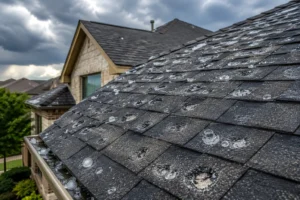
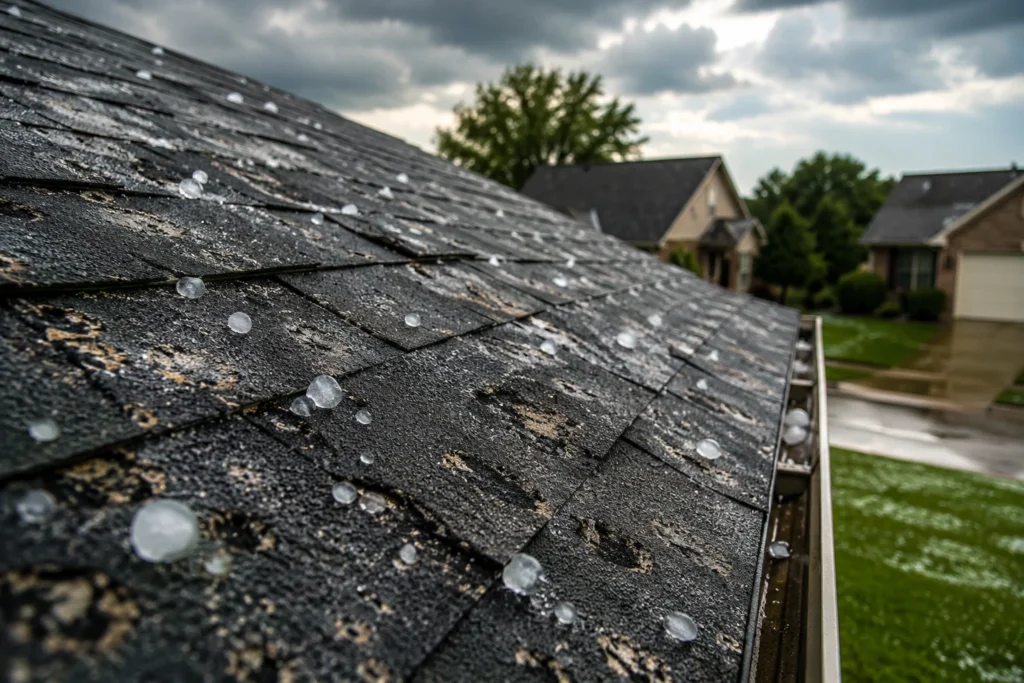
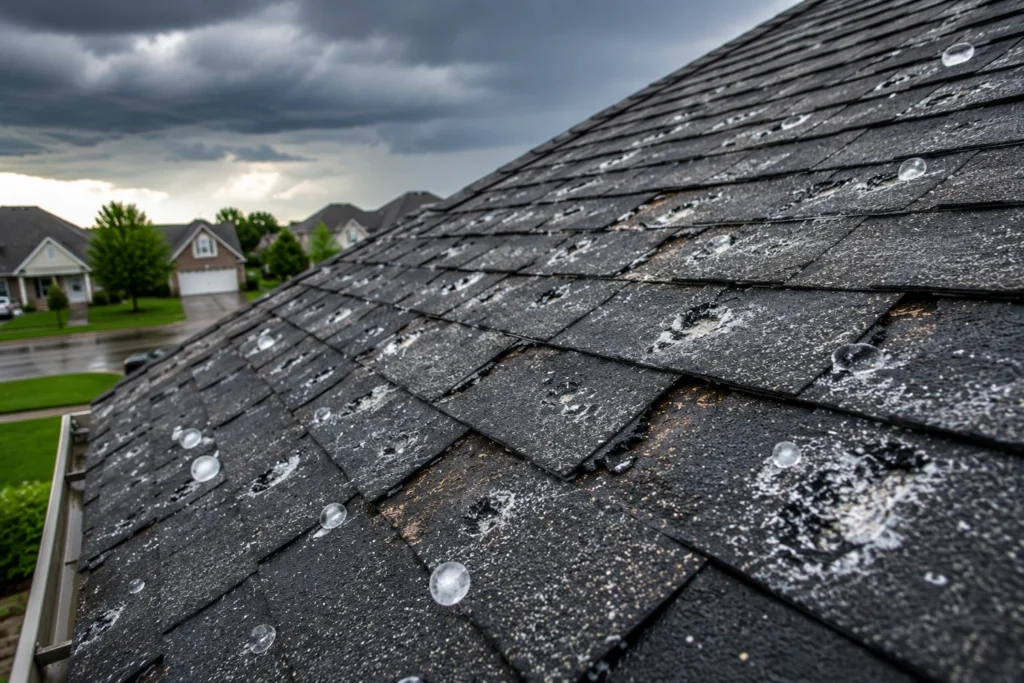
Hail affects roofing systems differently depending on the size of the storm, roof age, material type, and wind conditions. Some damage is immediately visible. Some is hidden. That hidden damage often creates the biggest long-term problems.
How Hail Damages Different Roofing Materials
| Roofing Material | Common Hail Damage |
|---|---|
| Asphalt Shingles | Bruising, cracking, granule loss |
| Metal Roofing | Dents, punctures, coating damage |
| Tile Roofs | Cracked or broken tiles |
| Flat Roofs | Membrane punctures and seam damage |
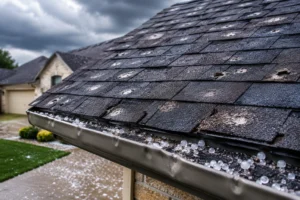
Asphalt shingles usually suffer the most visible impact damage after hailstorms. Once granules loosen or disappear, shingles become more vulnerable to UV exposure and moisture intrusion. Over time, deterioration accelerates.
Common Signs of Roof Hail Damage
After a storm, homeowners should inspect for signs such as:
- Dented gutters
- Damaged flashing
- Cracked vents
- Missing granules
- Broken shingles
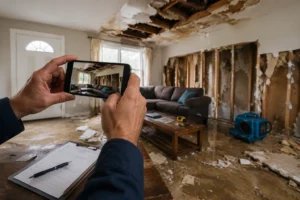
- Ceiling stains indoors
- Water spots in attic spaces
Some hail damage does not create immediate leaks. That surprises many homeowners. Moisture may slowly enter the roofing system for weeks before visible interior damage appears. One overlooked issue after severe hailstorms is long-term moisture intrusion inside roofing systems. In some cases, trapped moisture may eventually contribute to structural deterioration and even efflorescence around masonry materials near damaged roofing components.
What To Do Immediately After a Hailstorm
The first steps after a storm matter more than many homeowners realize. A strong hail damage on roof insurance claim often begins with early documentation and organized evidence collection.
Prioritize Safety First
Do not rush onto the roof immediately after a storm. Wet surfaces become dangerous quickly. Loose shingles and unstable decking can also create safety hazards. Instead:
- Inspect from the ground first
- Use binoculars if needed
- Check ceilings and attic spaces indoors
- Look for exterior damage around gutters and siding
Safety should always come first.
Document the Damage Thoroughly
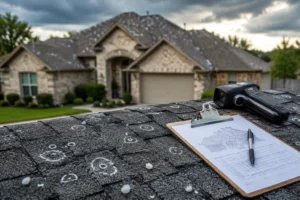
Photos become critical during insurance claims. Take both wide-angle and close-up images showing:
- Roof impact marks
- Damaged gutters
- Cracked vents
- Fallen debris
- Interior water damage
- Broken fencing or siding
Save weather reports too. Storm documentation helps establish claim timelines and supports inspection findings later during the insurance process. It also helps to create a dedicated claim file containing:
- Photos
- Inspection reports
- Contractor estimates
- Insurance letters
- Receipts
- Email communication
Organization reduces disputes later.
Prevent Additional Damage
Most insurance policies require homeowners to prevent further property damage after a storm. Temporary mitigation may include:
- Roof tarping
- Debris removal
- Emergency sealing
- Water cleanup
Keep all receipts related to emergency repairs because some costs may qualify for reimbursement.
Understanding the Hail Damage on Roof Insurance Claim Process
The roof insurance claim process involves several stages. Some move quickly. Others become complicated.
Typical Roof Claim Process
| Step | Purpose |
|---|---|
| File the claim | Notify the insurance company |
| Schedule inspection | Adjuster evaluates roof damage |
| Review estimate | Carrier determines repair scope |
| Approve or dispute | Negotiations begin if needed |
| Start repairs | Restoration work begins |
| Submit supplements | Additional hidden damage addressed |
Simple timelines on paper do not always reflect reality after major storms. Large hail events can overwhelm insurance carriers and contractors simultaneously.
What Insurance Adjusters Usually Inspect
Insurance adjusters commonly evaluate:
- Roof age
- Storm-created impact damage
- Existing wear and tear
- Maintenance history
- Ventilation systems
- Previous repairs
This is where disagreements sometimes begin. Insurance carriers may argue that roof deterioration occurred naturally rather than from hail impact. That is why detailed inspections matter so much.
Common Problems Homeowners Face With Roof Hail Claims
Not every claim goes smoothly. In fact, some homeowners encounter major obstacles during the process.
Insurance Claim Denials
Claims may be denied because of:
- Insufficient documentation
- Delayed reporting
- Wear-and-tear arguments
- Policy exclusions
- Limited visible damage
Homeowners are often surprised when obvious roof dents do not automatically result in claim approval. Evidence matters. Detailed documentation matters even more.
Underpaid Roof Estimates
Low estimates create another serious problem. Some initial inspections miss important roofing components such as:
- Flashing replacement
- Ridge caps
- Drip edge
- Ventilation upgrades
- Underlayment damage
- Code-required repairs
Those missing items can create major out-of-pocket expenses later during reconstruction.
Hidden Damage Appears During Repairs
This happens frequently. Contractors remove shingles and suddenly discover:
- Rotten decking
- Moisture damage
- Mold growth
- Additional punctures
- Structural deterioration
That hidden damage often leads to supplemental claims. Large hail events may also produce atmospheric conditions associated with baroclinic instability, which can intensify severe weather development and contribute to widespread property damage across Texas communities.
How To Strengthen Your Roof Insurance Claim
Preparation can dramatically improve claim outcomes. Homeowners who stay organized often experience fewer disputes during inspections and negotiations.
Schedule a Professional Roof Inspection
Independent roofing inspections provide valuable documentation. Strong inspection reports typically include:
- Detailed photos
- Roof measurements
- Damage mapping
- Moisture findings
- Repair recommendations
Specific reports help support claim accuracy. Generic reports rarely provide enough detail during disputes.
Organize a Complete Claim File
A strong claim file should contain:
| Document Type | Why It Matters |
|---|---|
| Photos | Visual proof of damage |
| Inspection reports | Supports repair scope |
| Weather reports | Confirms storm activity |
| Receipts | Documents mitigation expenses |
| Emails | Creates communication history |
| Contractor estimates | Verifies pricing |
The more organized the documentation becomes, the easier negotiations usually become later.
Understand Your Insurance Policy
Many homeowners do not review their policies until after severe damage occurs. That creates confusion quickly. Key policy areas include:
- Deductibles
- Replacement cost coverage
- Actual cash value
- Depreciation
- Exclusions
- Coverage limitations
Understanding those terms can significantly affect settlement expectations during a hail damage on roof insurance claim.
Why Roof Claim Supplements Matter
Supplements are extremely common after severe hailstorms. Especially on larger roof losses.
What Is a Supplement?
A supplement is an additional request for covered repairs not included in the original estimate. Supplements usually appear after contractors uncover hidden damage during repairs.
Commonly Missed Roofing Components
Initial estimates may overlook:
- Flashing
- Drip edge
- Ventilation systems
- Underlayment
- Starter shingles
- Ice and water shield
- Additional labor costs
Those items directly affect roof performance and long-term durability.
Why Supplements Can Increase Claim Value
Without supplements, homeowners sometimes pay for legitimate storm-related repairs themselves. Strong supplements typically include:
- Updated photos
- Revised estimates
- Contractor documentation
- Building code references
- Manufacturer specifications
Detailed evidence strengthens negotiations substantially.
The Role of a Public Adjuster in Roof Hail Claims
Public adjusters represent policyholders during insurance claims. Not insurance companies. That difference matters.
What Public Adjusters Typically Help With
Public adjusters may assist with:
- Damage documentation
- Policy review
- Claim organization
- Negotiations
- Supplemental claims
- Communication management
Complex roof claims often involve large amounts of paperwork, inspections, and estimate reviews. Professional guidance can help reduce stress throughout the process.
When Homeowners Often Seek Help
Many homeowners contact public adjusters after experiencing:
- Claim delays
- Low settlement offers
- Denials
- Disputed damage
- Complex supplemental issues
The goal is not exaggeration.
The goal is accurate documentation and fair claim evaluation.
How Long Roof Hail Claims Usually Take
Some roof claims resolve within weeks. Others take months. Several factors influence timelines:
| Factor | Potential Impact |
|---|---|
| Large storm events | Delayed inspections |
| Contractor shortages | Slower repairs |
| Supplemental claims | Extended negotiations |
| Material shortages | Restoration delays |
| Disputed damage | Additional reviews |
Major Texas hailstorms often create significant claim backlogs for both contractors and insurers. That slows everything down.
Why Fast Action Helps
Prompt inspections preserve evidence. Quick reporting reduces disputes. Early mitigation prevents additional damage. Waiting too long can weaken claim support significantly.
Mistakes That Can Hurt Your Claim
Some mistakes create expensive consequences during the insurance process.
Waiting Too Long To Report Damage
Delayed reporting weakens evidence. Roof conditions change quickly after storms. Insurance carriers may argue the damage worsened over time instead of resulting directly from the hail event.
Accepting the First Estimate Too Quickly
Initial estimates are not always complete. Review repair scopes carefully before agreeing to settlements. Missing roofing components can become costly later.
Weak Documentation
Incomplete records weaken claims. Strong claims rely on organized evidence, photos, reports, and written communication. Documentation creates credibility.
Smart Ways To Protect Yourself During the Claims Process
Several habits can improve claim experiences significantly.
Keep Written Communication
Save emails and written records whenever possible. Documentation creates accountability and tracks important claim discussions.
Request Detailed Estimates
Line-item estimates help homeowners understand exactly what repairs are included and which items may still be missing. Detailed estimates reduce confusion later.
Work With Qualified Roofing Professionals
Not all inspections are equal. Experienced roofing professionals familiar with hail-related damage often provide stronger documentation and more accurate repair scopes. That expertise matters. Especially after severe Texas hailstorms.
Final Thoughts
A hail damage on roof insurance claim involves far more than replacing a few shingles. The process includes inspections, documentation, policy interpretation, negotiations, supplements, and repair coordination. Homeowners who stay organized and proactive often place themselves in much stronger positions throughout the entire claim process. The goal is accuracy. Storm-related damage should be documented thoroughly. Legitimate repairs should receive proper attention. Hidden roofing damage should not be ignored simply because it was not visible during the first inspection. Texas hailstorms can create serious roofing damage in minutes. The insurance process afterward may last much longer. Take photos early. Keep organized records. Review estimates carefully. Ask questions throughout the process. And most importantly, never assume the first inspection always reveals the full extent of the damage.
FAQs
Common signs include dented gutters, cracked shingles, granule loss, and water stains inside the home. A professional roof inspection can help identify hidden damage.
Deadlines vary by insurance policy and state requirements, but homeowners should report damage as quickly as possible after the storm.
It depends on the extent of the damage, your policy coverage, roof age, and whether repairs are considered sufficient by the insurer.
Yes. Some hail damage weakens roofing materials without creating immediate leaks, allowing moisture intrusion to develop over time.
Take photos of the damage, gather weather information, save repair receipts, and schedule an independent roof inspection if possible.
Claims may be denied because of insufficient evidence, delayed reporting, policy exclusions, or disputes over wear and tear versus storm damage.
A supplement is a request for additional covered repairs that were not included in the original insurance estimate after hidden damage is discovered.
Not always. Homeowners should review the estimate carefully to ensure all damaged roofing components and code-required repairs are included.
Yes. Public adjusters may assist with documentation, policy review, negotiations, and supplemental claims during complex roof damage cases.
Insurance premium changes depend on multiple factors, including claim history, location, insurer policies, and regional storm activity.