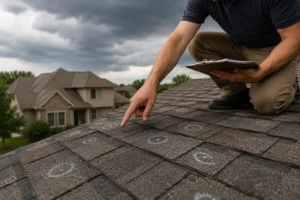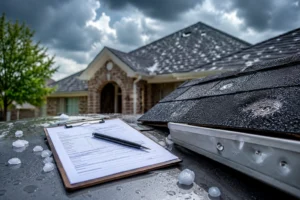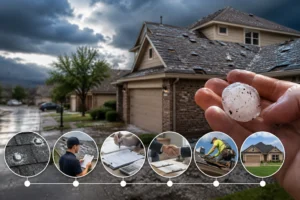

Hailstorms can damage a roof in just a few minutes. Then comes the stressful part dealing with the insurance claim. Many homeowners think the process will be simple. Sometimes it is. But in many cases, confusion begins almost immediately. Damage may be missed. Estimates may feel too low. Insurance terms become difficult to understand. Small mistakes during the claim process can also delay repairs or reduce settlement amounts. That is why understanding hail roof damage insurance matters. The more informed homeowners are after a storm, the easier it becomes to protect the property, organize documentation properly, and avoid common claim problems later. This guide explains how hail damage affects roofs, how insurance claims work, what problems homeowners often face, and how to strengthen a claim after severe weather hits.
What Is Hail Roof Damage Insurance?
Hail roof damage insurance refers to insurance coverage that may help pay for roof repairs or replacement after hail damages the property. Coverage depends on the homeowner’s policy. Some insurance policies provide replacement cost coverage, while others reduce payments based on roof age and depreciation. Certain policies may also limit coverage for cosmetic damage. That is why policy details matter. Hail damage claims commonly involve:
- Damaged shingles
- Cracked tiles
- Dented flashing
- Broken vents
- Gutter damage
- Water intrusion
- Underlayment damage
Modern roofing systems work together as layered systems, almost like a composite material, where damage to one area can eventually affect the entire roof structure.
How Hail Damages Different Roofing Materials
Not all roofs react to hail the same way. Some materials crack immediately. Others slowly weaken over time.
Asphalt Shingles
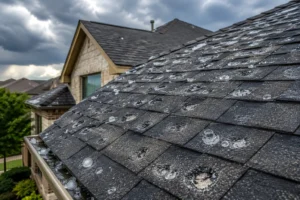
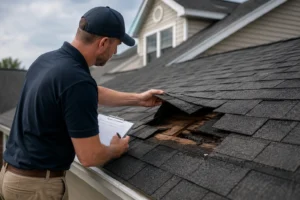
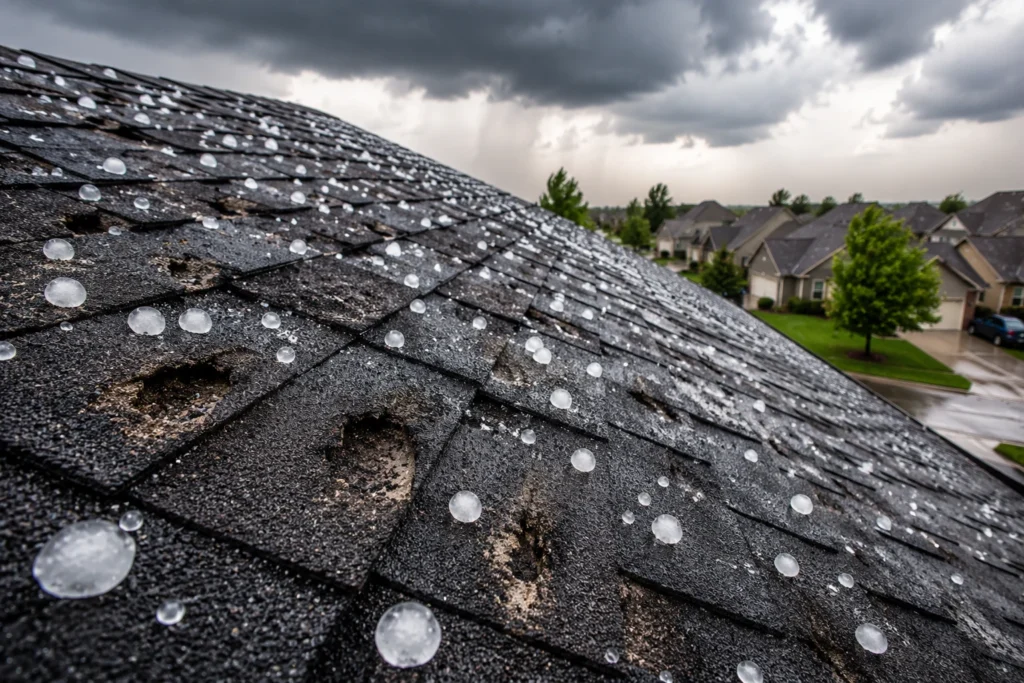
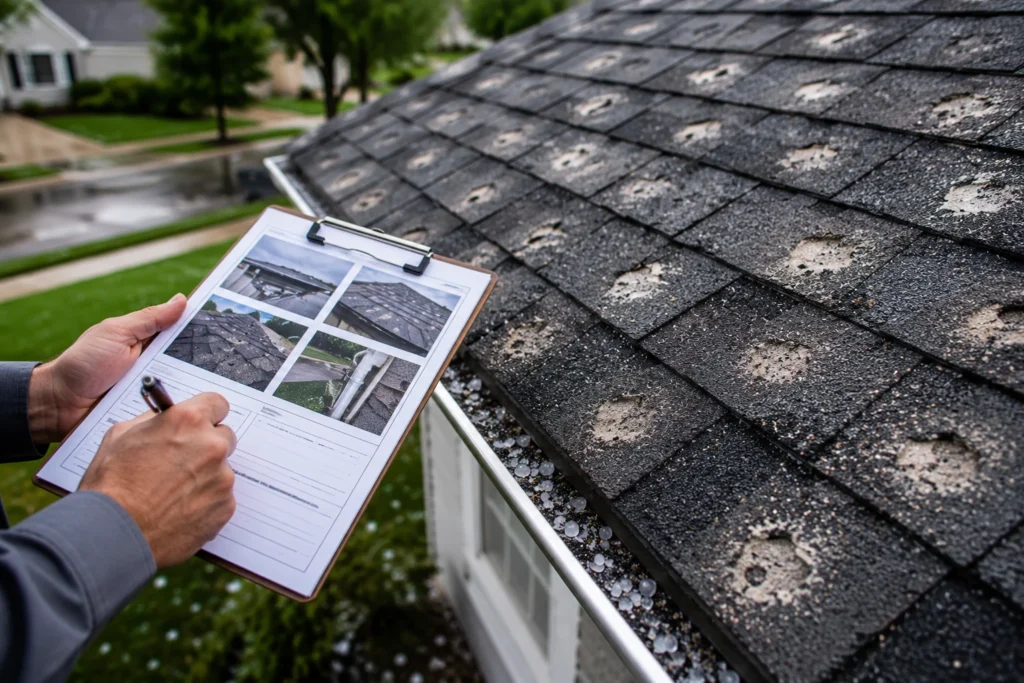
Asphalt shingles are one of the most common roofing materials in Texas. Hail impacts may cause:
- Granule loss
- Surface bruising
- Cracks
- Exposed fiberglass layers
- Premature aging
Granules help protect shingles from sunlight and weather exposure. Once those granules are damaged or removed, the roof may deteriorate faster.
Metal Roofs
Metal roofs often show dents after hailstorms. Insurance companies sometimes classify these dents as cosmetic damage only. However, dents can still affect the roof’s appearance, protective coating, and long-term durability. Large hail may also damage seams and flashing components.
Tile Roofs
Tile roofs may crack during severe hailstorms. The visible crack is not always the only issue. The underlayment beneath the tile may also become exposed to moisture after impact. Finding matching replacement tiles can also become difficult if materials are discontinued.
Flat Roofing Systems
Flat and low-slope roofs face different problems after hailstorms. Hail can weaken membranes, damage seams, and create drainage problems. Standing water may eventually lead to leaks and structural damage if repairs are delayed.
Signs Your Roof May Have Hail Damage
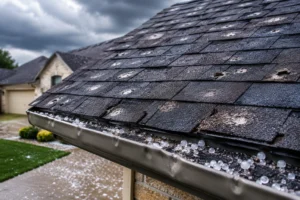
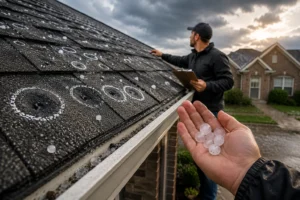
Hail damage is not always obvious from the ground. Some roofs look fine at first glance even though hidden damage already exists. Common warning signs include:
| Sign of Damage | Why It Matters |
|---|---|
| Dented gutters | Shows hail impact strength |
| Missing granules | Indicates shingle wear |
| Soft spots on shingles | Possible hidden bruising |
| Cracked flashing | Can allow water intrusion |
| Ceiling stains | Possible roof leak |
| Damaged vents | Weakens roof protection |
Even small damage can become expensive later if moisture enters the roofing system. That is why inspections matter after major storms.
What To Do After a Hailstorm
The first few hours after a storm are important. Good documentation often strengthens hail roof damage insurance claims later.
Stay Safe
Never climb onto a wet or unstable roof after a storm. Watch for:
- Slippery surfaces
- Broken tree limbs
- Electrical hazards
- Structural damage
Safety always comes first.
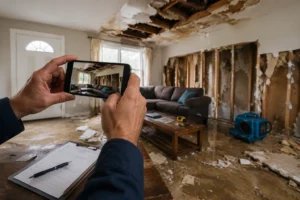
Take Photos and Videos
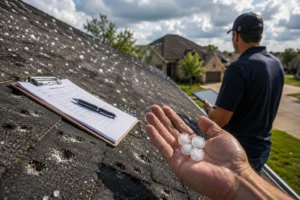
Document visible damage as soon as possible if conditions are safe. Take photos of:
- Roof impacts
- Gutters
- Downspouts
- Windows
- Siding
- Skylights
- HVAC units
- Interior leaks
Use both close-up and wide-angle photos. Videos also help show overall storm conditions.
Save Storm Information
Weather reports can support the insurance claim later. Helpful records include:
- Storm dates
- Radar reports
- Hail size reports
- Local weather alerts
This information helps confirm when the storm occurred.
Prevent Additional Damage
Homeowners should take reasonable steps to reduce further property damage. This may include:
- Emergency tarping
- Water cleanup
- Temporary sealing
- Interior protection
Keep receipts for any emergency repairs or mitigation work.
How the Hail Roof Damage Insurance Process Works
Many homeowners expect the insurance process to move quickly. Sometimes it does. But delays and disputes are common after large storms.
Filing the Claim
The process usually begins when the homeowner contacts the insurance company. The carrier then schedules an inspection. Reporting damage quickly is important because delayed claims may create additional disputes later.
Roof Inspection
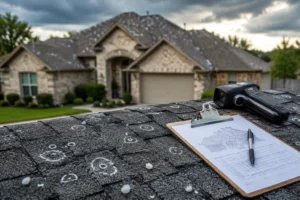
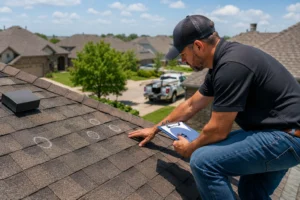
The insurance adjuster inspects the property for storm-related damage. Inspection quality varies. Some inspections are detailed and thorough. Others move quickly because adjusters handle large numbers of claims after severe weather events. Areas sometimes overlooked include:
- Flashing
- Ridge caps
- Underlayment
- Roof vents
- Steep roof sections
- Soft metals
This is one reason supplemental inspections may become necessary later.
Insurance Estimate
After inspection, the insurance company prepares an estimate showing:
- Materials
- Labor
- Repair scope
- Quantities
- Deductibles
- Depreciation
Problems often begin here. Small missing items inside the estimate can significantly reduce settlement amounts.
Claim Approval or Dispute
Some claims move smoothly. Others involve disagreements about:
- Roof replacement
- Cosmetic damage
- Matching materials
- Labor pricing
- Supplemental repairs
Strong documentation becomes extremely important during these situations.
Common Problems Homeowners Face With Hail Claims
Not every hail roof damage insurance claim ends with full approval. Several common problems appear repeatedly after major storms.
Low Insurance Estimates
Some estimates leave out important roofing components. Commonly missed items include:
| Frequently Missed Items | Why They Matter |
|---|---|
| Flashing | Protects against leaks |
| Ridge caps | High-impact areas |
| Starter shingles | Important edge protection |
| Ventilation systems | Required for airflow |
| Detach and reset items | Gutters, solar panels, and accessories |
Small omissions can create large financial differences.
Denied Claims
Insurance companies may deny claims for several reasons, including:
- Wear and tear
- Delayed reporting
- Installation problems
- Maintenance concerns
- Limited evidence
Strong documentation helps reduce these disputes.
Cosmetic Damage Disputes
Insurance companies sometimes argue that dents or marks only affect appearance. However, cosmetic damage may still reduce property value and affect roof durability over time. These disputes can become technical and frustrating for homeowners.
Why Documentation Matters So Much
Documentation is one of the most important parts of the entire claim process. Strong evidence creates stronger claims. Helpful documentation includes:
- Photos
- Videos
- Inspection reports
- Contractor estimates
- Weather reports
- Repair invoices
- Written communication records
Large storms often create massive claim volume across neighborhoods. Managing inspections, repairs, labor shortages, and material delays can resemble the complex planning systems studied in operations research. The more organized the claim file becomes, the easier it is to support legitimate storm damage.
What Insurance Companies Sometimes Miss During Inspections
Even experienced adjusters may overlook damage during busy storm seasons. Commonly missed areas include:
| Overlooked Area | Possible Problem |
|---|---|
| Underlayment | Hidden moisture damage |
| Drip edge | Water drainage issues |
| Vent flashing | Leak risks |
| Soft metals | Evidence of hail severity |
| Matching materials | Visible inconsistencies |
High claim volume often increases inspection speed. That can lead to missed details.
Understanding Roof Depreciation
Many homeowners become confused after receiving settlement paperwork because depreciation reduces payments. Two common policy structures include:
Replacement Cost Value (RCV)
This coverage generally helps pay the cost to replace damaged roofing materials, subject to policy terms and deductibles.
Actual Cash Value (ACV)
This type of coverage reduces payments based on the roof’s age and condition. Older roofs may receive smaller settlements under ACV policies. Some policies also include recoverable depreciation, meaning part of the payment is released after repairs are completed.
How Public Adjusters Help With Hail Roof Damage Insurance Claims
Public adjusters represent homeowners during the insurance claim process. They do not work for the insurance company. That difference matters.
Reviewing the Damage
Public adjusters evaluate:
- Roof damage
- Insurance estimates
- Missing line items
- Policy details
- Supporting documentation
This often helps identify overlooked storm damage.
Organizing Documentation
Strong organization improves claim support. Public adjusters may help homeowners:
- Prepare inspection documents
- Organize photos
- Review contractor estimates
- Coordinate supplemental claims
Detailed records create stronger negotiations.
Assisting With Claim Negotiations
Some hail roof damage insurance claims involve disagreements about:
- Roof replacement scope
- Matching shingles
- Code upgrades
- Repair pricing
- Additional hidden damage
Detailed documentation and accurate estimates help support these discussions.
Why Local Experience Matters
Texas experiences frequent hailstorms and large claim volume. Local experience helps adjusters understand:
- Regional weather patterns
- Roofing costs
- Contractor pricing
- Local building codes
- Storm-related repair challenges
That knowledge often improves claim preparation.
Tips To Strengthen a Hail Roof Damage Insurance Claim
Homeowners can take several practical steps to improve their claim process. Helpful actions include:
- Report damage quickly
- Take detailed photos
- Save all receipts
- Keep written communication
- Request detailed estimates
- Document temporary repairs
- Stay organized from beginning to end
Small details matter during insurance claims. Strong organization often creates stronger outcomes.
When Roof Replacement May Become Necessary
Some roofs can be repaired successfully after hailstorms. Others require full replacement. Common reasons include:
Structural Damage
Repeated hail impacts may weaken roofing materials and shorten roof lifespan.
Matching Problems
Replacement shingles or tiles may no longer match existing materials.
Code Requirements
Repairs sometimes trigger updated building code requirements involving:
- Ventilation
- Fasteners
- Underlayment
- Moisture barriers
These upgrades can increase repair costs significantly.
Long-Term Performance Concerns
Temporary repairs may fail later if severe damage remains underneath the roofing system. Long-term durability matters just as much as appearance.
Final Thoughts
Hailstorms create stress quickly. The insurance process afterward can become even more difficult if homeowners are unprepared. Understanding hail roof damage insurance helps property owners make informed decisions after severe weather damages their homes. Strong documentation, organized inspections, detailed estimates, and careful communication often improve claim outcomes significantly. The strongest insurance claims are usually the most organized. Take photos early. Save records carefully. Review estimates closely. Stay organized throughout the process. Those small steps can make a major difference when protecting your home after a hailstorm.
FAQs
The filing deadline depends on the insurance policy and state regulations. Reporting damage quickly is always recommended because delays may weaken evidence.
Not always. Coverage depends on the policy language, exclusions, deductibles, and whether the damage is considered functional or cosmetic.
Yes. Some hail damage weakens roofing materials gradually, allowing moisture intrusion to appear long after the storm passes.
Prioritize safety, document visible damage with photos and videos, and contact your insurance company promptly to begin the claim process.
Claims may be denied due to wear-and-tear arguments, delayed reporting, insufficient evidence, or disputes over whether the damage was storm-related.
Insurance premiums may change after severe storm seasons, but increases are often influenced by regional claim activity rather than a single individual claim.
Cosmetic damage refers to visible dents or marks that insurers argue do not affect roof performance, although these issues may still reduce property value or durability.
Many homeowners choose to obtain an independent inspection first because it can help identify visible storm damage before the insurance adjuster arrives.
Photos, inspection reports, repair estimates, weather records, invoices, and written communication with the insurance carrier all help support a claim.
Full replacement may become necessary when damage affects structural integrity, creates matching issues, violates code requirements, or compromises long-term roof performance.