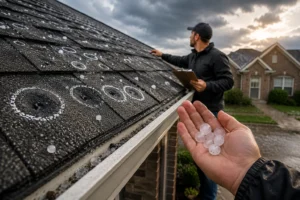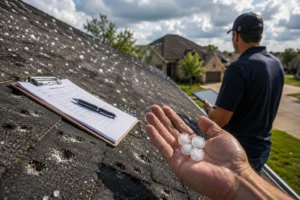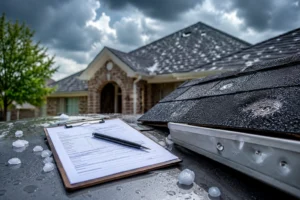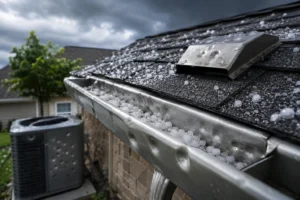

A hail damage supplement claim can dramatically increase the accuracy of a roof insurance settlement after a Texas storm. Most homeowners never hear about supplements until repairs begin and contractors uncover damage the original estimate missed. That happens all the time. Initial insurance inspections often move quickly after major hailstorms. Hidden roofing issues remain unseen. Code upgrades get overlooked. Material pricing changes. Then repair crews begin working and discover the true scope of the loss. Suddenly, the original payment no longer covers the actual repair costs. This is exactly why a hail damage supplement claim matters. It helps homeowners recover additional funds for legitimate storm-related repairs that were not included in the first estimate. And in Texas, where hailstorms routinely damage roofing systems across entire neighborhoods, supplements have become an extremely important part of the insurance process.
What Is a Hail Damage Supplement Claim?
A hail damage supplement claim is an additional request submitted to the insurance company after contractors discover more damage during the repair process. Simple concept. But incredibly important. The first insurance estimate usually reflects only what was visible during the initial inspection. Once shingles are removed and roofing components become exposed, contractors often uncover hidden problems requiring additional repairs. Those costs are then submitted through a supplement request. A supplement may include:
- Additional roofing materials
- Structural decking repairs
- Flashing replacement
- Ventilation upgrades
- Code-required improvements
- Increased labor costs
- Interior water damage
Without supplements, homeowners sometimes end up paying those expenses out of pocket.
Why Initial Hail Damage Estimates Are Often Incomplete
Texas hailstorms generate enormous claim volume. After major storms, insurance adjusters may inspect dozens of homes per week. Inspections become fast-paced. Roofing access becomes difficult. Some damage simply cannot be identified during a short exterior inspection. That creates gaps in the estimate.
Limited Inspection Time
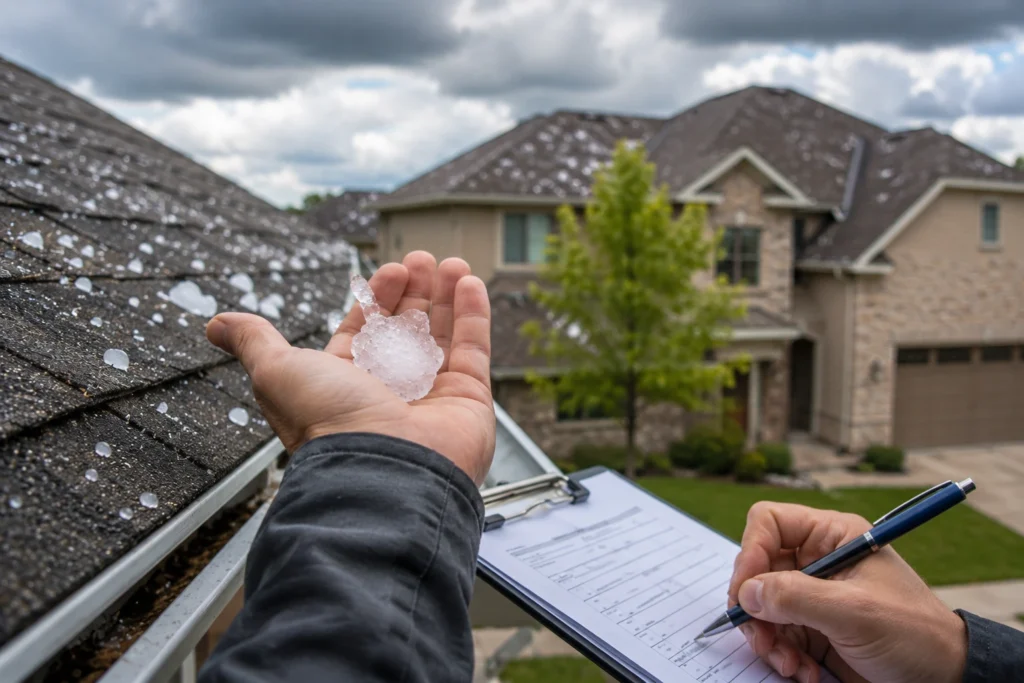
Large storm events create pressure on the entire insurance system. Adjusters move quickly because thousands of claims enter the pipeline at once. Even experienced inspectors can miss damage when handling extremely high claim volume. Commonly overlooked items include:
- Soft decking
- Moisture intrusion
- Underlayment damage
- Flashing separation
- Ventilation deficiencies
- Detached gutters
And many of those problems remain hidden until repairs actually begin.
Hidden Roofing Components
Roofing systems contain multiple layers. Damage beneath the shingles often stays invisible during the first inspection.
| Roofing Component | Purpose |
|---|---|
| Underlayment | Protects against water intrusion |
| Decking | Structural base beneath roofing |
| Flashing | Seals roof penetrations |
| Ridge vents | Improves attic ventilation |
| Starter shingles | Strengthens roof edges |
Once contractors remove roofing materials, they may discover deterioration affecting several of these components simultaneously. In some situations, moisture exposure causes plywood Delamination, creating structural instability beneath the roofing system.
Interior Damage Appears Later
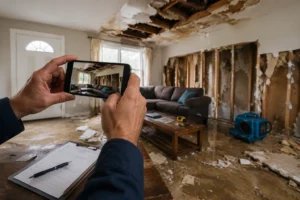
Some storm-related problems take time to appear. Water may slowly enter attic spaces after hail impacts weaken roofing materials. Weeks later, homeowners notice:
- Ceiling stains
- Wet insulation
- Mold growth
- Warped drywall
- Peeling paint
At that point, the claim scope expands beyond the original roof estimate.
Building Code Requirements Increase Costs
Many older Texas homes no longer meet current roofing standards. Once repairs begin, contractors may identify code-required upgrades involving:
- Drip edge installation
- Deck renailing
- Ventilation improvements
- Flashing replacement
- Ice and water barriers
These items can substantially increase repair costs and often become part of a hail damage supplement claim.
Common Items Included in a Hail Damage Supplement Claim
Not every supplement looks the same. Some involve minor corrections. Others involve major reconstruction costs.
Roofing Material Adjustments
Initial estimates sometimes omit critical roofing components needed for proper installation. Common supplement items include:
- Ridge caps
- Starter strips
- Valley metal
- Synthetic underlayment
- Additional shingles
- Ice and water barriers
These are not cosmetic extras. They are essential parts of a properly functioning roofing system.
Flashing and Ventilation Repairs
Storm damage frequently affects roof penetrations and airflow systems. Supplement requests may include repairs involving:
- Pipe jacks
- Chimney flashing
- Roof vents
- Turbine vents
- Drip edge systems
Improper flashing repairs can create long-term leak problems that continue for years.
Structural Repairs
Once contractors remove damaged roofing materials, hidden structural issues sometimes appear underneath. Examples include:
- Rotted decking
- Water-damaged fascia
- Compromised soffits
- Weak roof sheathing
These repairs often require immediate supplemental approval before construction can continue safely.
Labor and Disposal Costs
Texas hailstorms create sudden spikes in regional repair demand. That affects pricing.
| Expense Category | Why Costs Increase |
|---|---|
| Labor | Contractor demand rises sharply |
| Disposal fees | Debris volume increases |
| Material delivery | Fuel and transportation costs change |
| Emergency tarping | Temporary mitigation becomes necessary |
A properly documented hail damage supplement claim helps account for these real-world repair expenses.
Signs Your Hail Claim May Need a Supplement
Many homeowners notice warning signs early. They simply are not sure what those signs mean.
The Estimate Looks Too Low
If experienced roofing contractors repeatedly say the estimate appears incomplete, pay attention. Especially if major roofing components are missing.
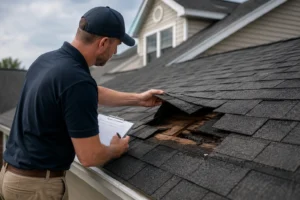
Additional Damage Appears During Tear-Off
This is one of the most common supplement triggers. Once shingles come off, contractors may discover hidden moisture damage or deteriorated decking beneath the surface.
Partial Repairs Create Bigger Problems
Partial roof replacements can create:
- Color mismatches
- Material compatibility issues
- Warranty conflicts
- Structural inconsistencies
Sometimes full replacement becomes necessary after further inspection.
Leaks Continue After Initial Repairs
Ongoing leaks often indicate overlooked storm damage. That may justify reopening or supplementing portions of the claim.
Code Upgrades Were Ignored
Many initial estimates fail to include modern code requirements. Contractors usually identify these deficiencies once repairs begin.
The Hail Damage Supplement Claim Process
Supplements rely heavily on documentation. The stronger the evidence, the stronger the claim.
Step 1: Additional Damage Is Discovered
This usually occurs during:
- Roof tear-off
- Interior inspection
- Moisture testing
- Structural evaluation
The repair scope expands once hidden problems become visible.
Step 2: Documentation Is Collected
Strong supplement packages often include:
- High-resolution photos
- Contractor reports
- Measurements
- Material invoices
- Building code references
- Moisture readings
Detailed documentation increases credibility. And credibility matters enormously during supplement negotiations.
Step 3: The Supplement Is Submitted
Contractors or public adjusters submit updated repair documentation to the insurance carrier. Many professionals use estimating software such as Xactimate to support pricing accuracy and scope calculations. Roofing systems also experience long-term wear patterns influenced by environmental conditions and even surface friction concepts related to Tribology, which can complicate storm damage evaluations on aging materials.
Step 4: Insurance Review Begins
The carrier reviews the supplemental request. That process may involve:
- Reinspections
- Pricing negotiations
- Additional documentation requests
- Engineering evaluations
Some claims resolve quickly. Others become extended disputes lasting weeks or months.
How Contractors and Public Adjusters Work Together
Large Texas hail claims often require collaboration between multiple professionals. Roofing contractors understand construction realities. Public adjusters understand claim negotiation and policy interpretation. Together, they often create stronger supplement packages.
Contractors Focus on Repair Scope
Roofing contractors typically identify:
- Hidden structural damage
- Missing estimate items
- Code compliance problems
- Material shortages
- Installation requirements
Their field expertise becomes critical evidence during supplemental negotiations.
Public Adjusters Focus on Claim Strategy
Public adjusters often assist with:
- Documentation organization
- Policy interpretation
- Carrier communication
- Negotiation strategy
- Dispute resolution
A properly prepared hail damage supplement claim usually requires both technical roofing knowledge and insurance expertise.
Common Reasons Insurance Companies Deny Supplement Requests
Not every supplement receives automatic approval. Some face resistance immediately.
Insufficient Documentation
Weak evidence creates weak claims. Missing photos, vague contractor notes, and incomplete measurements reduce the likelihood of approval.
Wear and Tear Arguments
Insurance carriers sometimes argue the damage existed before the storm. This becomes common with aging roofing systems. Distinguishing storm impacts from normal deterioration requires detailed inspection evidence.
Pricing Disputes
Contractors and insurance companies often disagree about:
- Labor rates
- Material pricing
- Waste calculations
- Disposal fees
- Code upgrades
These disagreements can significantly affect settlement totals.
Code Upgrade Disputes
Some carriers resist paying for code-required repairs unless strong documentation supports the request. That is why local Texas code knowledge matters so much.
How to Strengthen a Hail Damage Supplement Claim
Strong claims rarely happen by accident. They are built carefully.
Keep Organized Records
Maintain copies of:
- Inspection reports
- Contractor estimates
- Repair invoices
- Emails
- Insurance correspondence
- Claim photos
Organization prevents confusion later in the process.
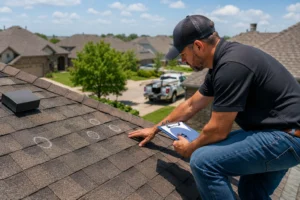
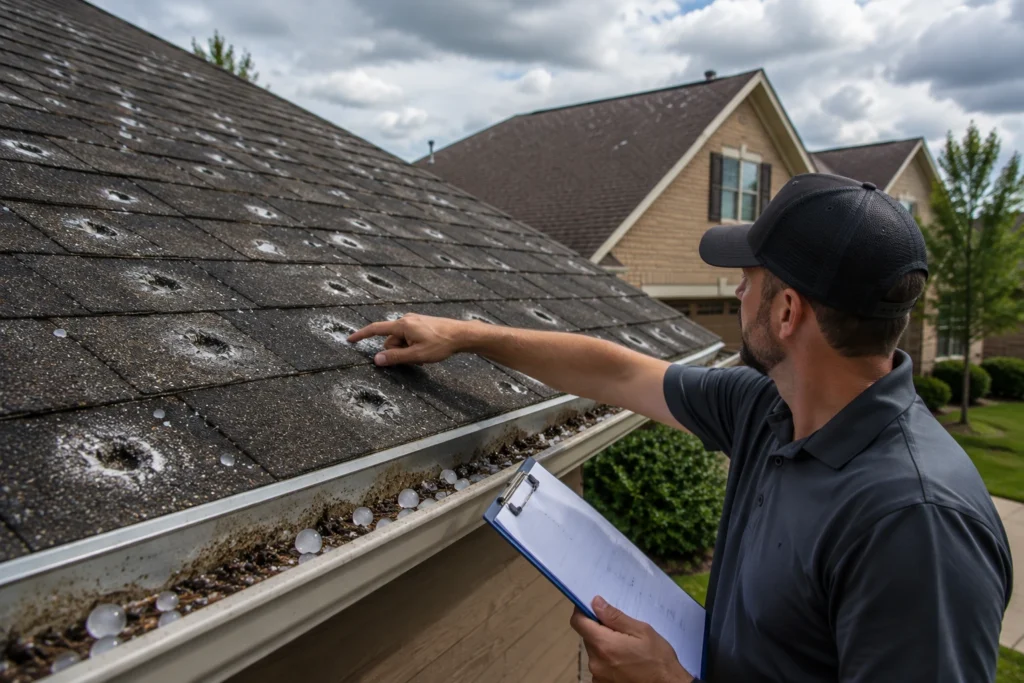
Take Detailed Photos
Photographs provide powerful evidence.
Capture:
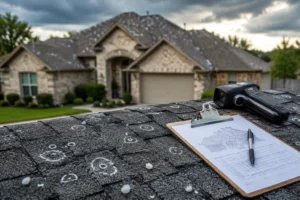
- Roof-wide images
- Close-up hail impacts
- Interior water damage
- Flashing issues
- Damaged gutters
- Attic moisture
The more visual evidence available, the stronger the supplement file becomes.
Work With Experienced Professionals
Not every contractor specializes in supplement claims. And not every adjuster understands roofing systems deeply. Experience matters. Especially after large Texas hailstorms where claim volume becomes overwhelming.
Understand Your Insurance Policy
Homeowners should review important policy provisions involving:
| Policy Provision | Why It Matters |
|---|---|
| Replacement cost coverage | Determines depreciation recovery |
| Ordinance and law coverage | Helps pay for code upgrades |
| Deductibles | Impacts final settlement |
| Exclusions | Limits certain repair categories |
Policy language often shapes supplement outcomes more than homeowners realize.
Texas-Specific Challenges With Hail Damage Supplements
Texas presents unique insurance challenges. The state experiences some of the most severe hailstorms in the country, and entire metropolitan areas can sustain damage simultaneously. That creates pressure everywhere.
High Claim Volume Causes Delays
After major storms:
- Inspection schedules back up
- Material shortages increase
- Contractors become overloaded
- Supplement approvals slow down
Homeowners sometimes wait months for full claim resolution.
Rapid Weather Changes Complicate Claims
Texas weather changes quickly. Additional storms may strike before repairs finish, making damage attribution more complicated.
Local Building Codes Create Additional Costs
Municipal requirements vary across Texas communities. Code-related supplement requests often become major portions of the final settlement.
The Financial Risks of Ignoring Supplements
Some homeowners avoid supplements because they feel exhausted by the process. Others assume the original estimate must already be accurate. That assumption can become very expensive.
Out-of-Pocket Repair Costs
Without supplements, homeowners may personally pay for:
- Decking replacement
- Flashing repairs
- Ventilation upgrades
- Code-required improvements
Those costs add up fast.
Incomplete Repairs Create Future Problems
Cheap repairs rarely stay cheap. Leaks return. Structural deterioration spreads. Moisture damage worsens over time.
Property Value May Decline
Poor-quality storm repairs can affect resale value later, especially during buyer inspections.
When Homeowners Should Consider Hiring a Public Adjuster
Some claims become too complicated for homeowners to manage alone. Professional representation may help when:
- Supplements are denied repeatedly
- Large losses involve multiple structures
- Communication problems escalate
- Code disputes continue
- The carrier significantly underpays the estimate
An experienced public adjuster can help organize evidence, negotiate supplemental pricing, and push the claim toward a more accurate resolution.
Final Thoughts
A hail damage supplement claim is not about exaggerating repairs. It is about uncovering the true scope of storm damage. Texas hailstorms routinely create roofing issues that remain hidden during initial inspections. Once repairs begin, contractors often discover additional structural concerns, code deficiencies, and material damage requiring further compensation. That is normal. Homeowners who understand the supplement process place themselves in a much stronger position financially. Careful documentation, experienced professionals, and detailed inspections can make a major difference in the final settlement outcome. After a serious Texas hailstorm, the first estimate is not always the final answer.
FAQs
A hail damage supplement claim is an additional request for insurance funds after contractors discover more storm-related damage during repairs.
Initial inspections are often limited to visible damage, while hidden problems may only appear after roofing materials are removed.
Yes. Approved supplements can add compensation for overlooked repairs, code upgrades, and additional labor or material costs.
Some supplements resolve within days, while more complex disputes can take several weeks depending on inspections and negotiations.
Roofing contractors or public adjusters commonly prepare and submit supplement documentation to the insurance carrier.
Photos, contractor reports, measurements, invoices, and building code references all strengthen supplemental requests.
Yes. Carriers may deny supplements if they believe the damage is unrelated, poorly documented, or considered normal wear and tear.
Absolutely. Older roofs may require upgrades to meet current Texas building codes, which can increase repair costs significantly.
Yes. Detailed before-and-after photos provide valuable evidence that can support supplemental negotiations later.
You may want professional help if the claim becomes delayed, underpaid, denied, or involves extensive storm damage and supplemental disputes.