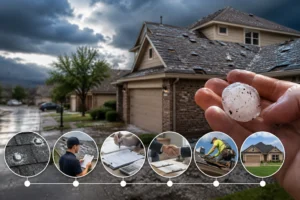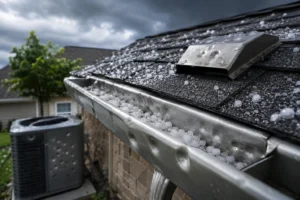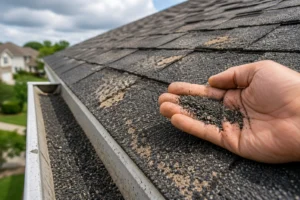

A denied hail damage insurance claim can leave homeowners frustrated fast. One storm. One inspection. Then suddenly, the insurance company says the roof damage is not covered. That does not always mean the claim is over. Many denied claims involve missed damage, weak documentation, inspection disputes, or disagreements about whether the damage is cosmetic or functional. The good news? Homeowners often improve outcomes by gathering stronger evidence and understanding how the claims process actually works. Let’s break it down step by step.
Why Hail Damage Insurance Claims Get Denied
Insurance carriers deny roof claims for several reasons. Some are legitimate. Others deserve a second review. Understanding the denial helps homeowners respond strategically instead of emotionally.
Insufficient Evidence of Damage
Documentation drives property claims. If the inspection file lacks enough evidence connecting the roof damage directly to the storm, the carrier may deny the claim. Common evidence problems include:
- Limited roof photos
- No contractor inspection
- Missing storm dates
- Poor attic documentation
- Weak repair estimates
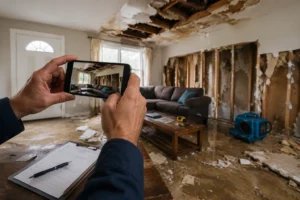
- No interior leak evidence
The weaker the documentation, the easier it becomes for the carrier to dispute the loss.
The Carrier Calls the Damage Cosmetic
This is one of the biggest reasons for a denied hail damage insurance claim. Insurance companies sometimes argue that hail only caused surface-level blemishes that do not affect roof performance. Common examples include:
- Small dents
- Granule marks
- Light metal impacts
- Minor shingle bruising
The problem is that cosmetic-looking damage can still shorten the roof’s lifespan significantly.
Wear and Tear Arguments
Older roofs face extra scrutiny. Carriers may blame the condition on:
- Aging
- Heat exposure
- Thermal cracking
- Foot traffic
- Prior deterioration
- Poor maintenance
That does not automatically mean hail damage did not occur. Both conditions can exist simultaneously.
Delayed Claim Reporting
Timing matters. Some homeowners wait too long after a storm because leaks have not appeared yet. Others simply do not notice roof damage immediately. Delayed reporting gives carriers more room to challenge the claim.
Weak Initial Inspections
Not every roof inspection is thorough. Some inspections happen quickly. Others involve limited roof access or poor weather conditions. Complex roofs, steep slopes, and hidden damage areas increase the chances of missed storm impacts.
Common Signs Your Hail Claim Was Wrongfully Denied
A denial letter is not always the final word. Certain warning signs may suggest the claim deserves another review.
Nearby Homes Received Approvals
If neighboring homes in the same storm path received roof replacements while your property was denied, the inspection may deserve closer examination. Storm damage patterns often affect entire neighborhoods.
Visible Roof Damage Still Exists
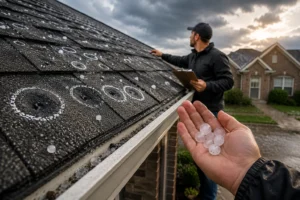
Obvious hail indicators may include:
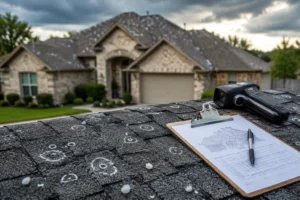
- Circular impact marks
- Bruised shingles
- Dented gutters
- Soft metal impacts
- Cracked tiles
- Damaged vents
If visible storm evidence remains, a second inspection may help.
Interior Leaks Started After the Storm
New moisture intrusion after a hailstorm can support arguments that the roofing system was compromised. Especially if prior leak history did not exist.
Contractors Found Additional Damage
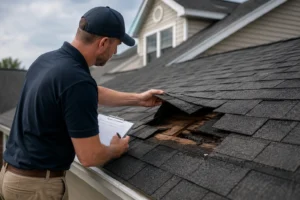
Roofing contractors sometimes identify damage overlooked during the original inspection. That does not guarantee approval. But it often justifies further review.
The Denial Letter Feels Generic
Specific denial explanations matter. Strong denial letters usually reference:
- Policy language
- Inspection findings
- Coverage limitations
- Detailed observations
Vague explanations may indicate weak documentation behind the decision.
Understanding Cosmetic vs Functional Hail Damage
This debate drives countless roofing disputes every year. And honestly? It confuses many homeowners.
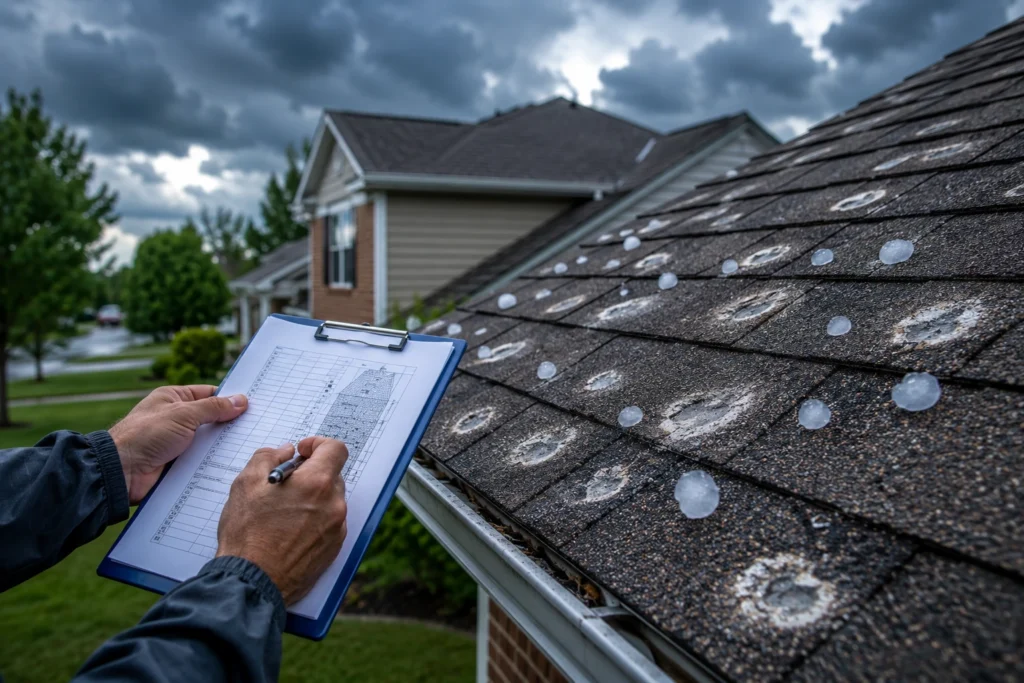
What Insurance Companies Often Consider Cosmetic
Carriers frequently classify these issues as cosmetic damage:
| Cosmetic Damage | Why It Gets Disputed |
|---|---|
| Minor metal dents | Appearance may not affect function |
| Surface granule loss | Difficult to measure lifespan reduction |
| Small shingle marks | Can appear superficial |
| Light flashing damage | Often debated during inspections |
The argument usually centers around performance. If the roof still functions, the carrier may resist full replacement.
What Functional Damage Actually Means
Functional damage affects the roof’s ability to protect the property. That may include:
- Fractured shingles
- Exposed underlayment
- Water intrusion points
- Sealant failure
- Reduced wind resistance
- Accelerated aging
Some roofing disputes even involve advanced material testing methods similar to fractography, where surface impact patterns are closely analyzed.
Why This Matters Financially
The difference between cosmetic and functional classifications can dramatically affect settlement amounts. A cosmetic finding may result in:
- Minimal payments
- Spot repairs
- Partial replacement
A functional damage determination may justify:
- Full roof replacement
- Code upgrades
- Supplemental payments
- Additional material replacement
That is why documentation becomes critical during a denied hail damage insurance claim.
What To Do After a Denied Hail Damage Insurance Claim
The next steps matter enormously. Strong organization often changes the direction of a disputed claim.
Review the Denial Letter Carefully
Read every detail. Look for:
- Specific denial reasons
- Policy exclusions
- Dates referenced
- Inspection conclusions
- Coverage limitations
Many homeowners skim the denial emotionally and overlook critical details.
Gather Better Evidence
The strongest disputes rely on organized evidence. Helpful documentation includes:
- High-resolution roof photos
- Drone imagery
- Contractor inspections
- Moisture readings
- Weather reports
- Interior damage photos
- Detailed estimates
The more structured the evidence becomes, the harder it is to dismiss.
Request a Reinspection
Second inspections can uncover damage missed initially. Different inspectors sometimes reach completely different conclusions. Especially on older or complex roofing systems.
Keep Detailed Records
Documentation protects homeowners during disputes. Track:
- Emails
- Claim numbers
- Inspection dates
- Contractor findings
- Phone conversations
- Repair estimates
Organization creates leverage.
Avoid Permanent Repairs Too Early
Temporary mitigation is smart. But replacing major roof sections before the dispute is resolved may remove evidence needed later during negotiations.
How Public Adjusters Help With Denied Hail Claims
Public adjusters represent policyholders, not insurance companies. That distinction matters. Especially during complex roof disputes.
Independent Damage Evaluations
Public adjusters often conduct detailed property inspections focused on:
- Roof impacts
- Interior moisture
- Exterior components
- Hidden storm damage
- Code-related items
Independent evaluations may reveal issues overlooked initially.
Policy Interpretation
Insurance policies contain complicated language involving:
- Deductibles
- Exclusions
- Replacement cost
- Actual cash value
- Matching provisions
- Ordinance and law coverage
Understanding those sections affects negotiation strategy significantly.
Supplemental Documentation
Strong supplemental packages may include:
- Detailed estimates
- Roof diagrams
- Code citations
- Contractor reports
- Photo organization
Better documentation usually leads to stronger negotiations.
Negotiating With the Carrier
Insurance disputes are evidence-driven. Not emotion-driven. The stronger the documentation, the more difficult it becomes to dismiss the claim.
Documentation That Strengthens Hail Damage Claims
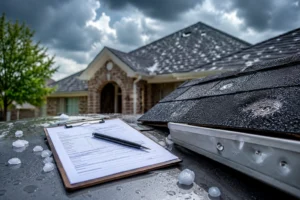
Evidence matters more than opinions. The strongest denied hail damage insurance claim files are organized, detailed, and easy to follow.
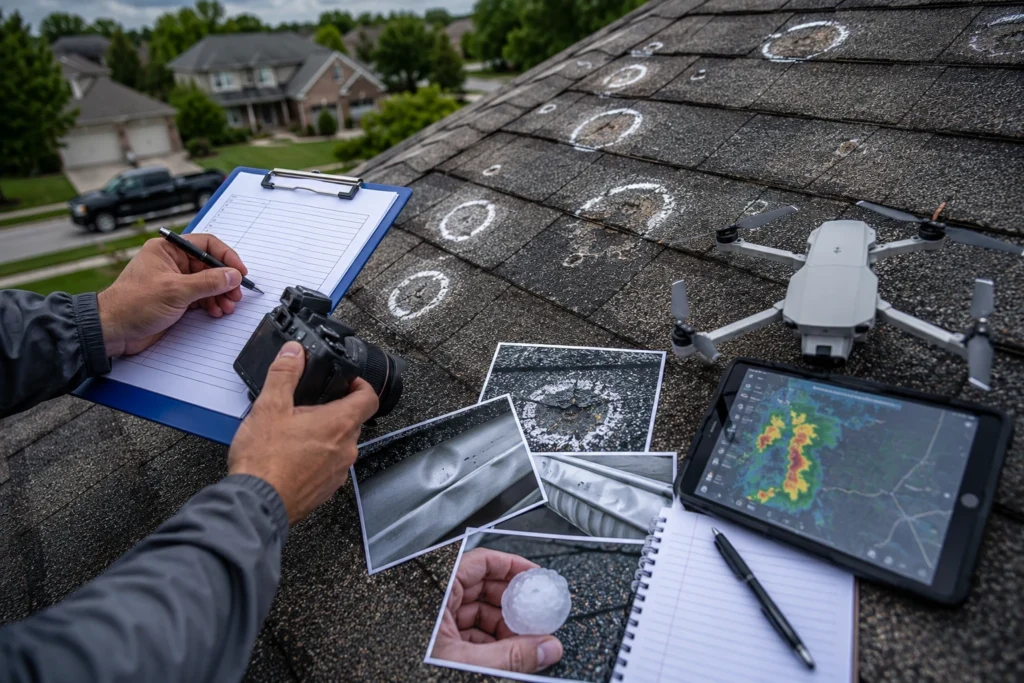
Roof Inspection Reports
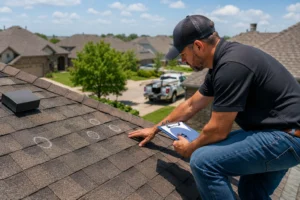
Professional inspections help establish credibility. Especially when reports include:
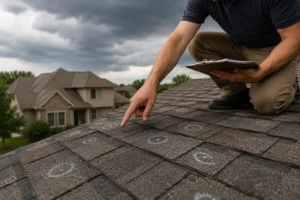
- Damage mapping
- Test square analysis
- Photo labeling
- Material identification
- Functional damage explanations
Weather Reports and Storm Data
Storm verification helps establish causation. Useful records may include:
- NOAA reports
- Hail size verification
- Storm timelines
- Local weather tracking
Detailed inspection reports sometimes rely on principles similar to Photogrammetry when analyzing roof measurements and aerial storm damage imagery.
Photo and Video Evidence
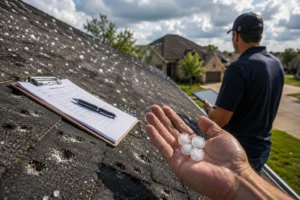
Strong visual documentation often includes:
- Wide-angle roof photos
- Close-up impact shots
- Soft metal damage
- Interior water staining
- Gutter dents
- Window screen impacts
Consistency improves credibility.
Detailed Repair Estimates
Detailed estimates help support valuation disputes involving:
- Material pricing
- Labor costs
- Code compliance
- Matching issues
- Replacement scope
Mistakes Homeowners Make After Claim Denials
Some mistakes weaken claims significantly. Avoid them.
Accepting the Denial Immediately
Many homeowners stop fighting after the first denial letter arrives. That may be premature. Especially if evidence remains incomplete.
Throwing Away Damaged Materials
Damaged shingles and roofing materials may become important evidence later. Preserve them whenever practical.
Waiting Too Long To Respond
Deadlines matter. Appeal rights and supplemental opportunities often involve strict timing requirements.
Relying Only on Phone Calls
Verbal conversations disappear quickly. Written communication creates accountability. Email is usually safer.
Failing To Get a Second Opinion
One inspection should not always determine the final outcome. Especially after severe storms.
When Roof Replacement Becomes Necessary
Not every hail claim requires full replacement. But some absolutely do.
Widespread Shingle Damage
Heavy impact concentration across multiple slopes may compromise the roofing system broadly enough to justify replacement.
Soft Metal Damage
Damage to:
- Gutters
- Flashing
- Ridge caps
- Roof vents
- Downspouts
often supports arguments involving storm severity.
Ongoing Leaks
Repeated water intrusion may indicate deeper roofing failure caused by hail exposure. Especially if temporary repairs continue failing.
Matching Problems
Older shingles create major matching challenges. Manufacturers discontinue roofing products constantly. That creates disputes involving:
- Color matching
- Material availability
- Visual consistency
Building Code Upgrades
Roof replacements sometimes trigger mandatory upgrades.
| Upgrade Item | Why Costs Increase |
|---|---|
| Drip edge installation | Older roofs may lack compliance |
| Deck renailing | Wind code requirements |
| Ventilation corrections | Airflow improvements required |
| Flashing replacement | Updated standards |
| Underlayment upgrades | Modern code compliance |
These items frequently appear during supplemental negotiations.
How the Hail Claim Appeal Process Works
Appeals are usually evidence battles. Simple as that.
Filing Supplemental Documentation
Additional evidence may include:
- Contractor reports
- New photos
- Updated estimates
- Engineering reviews
- Moisture findings
Reopening the Claim
Some denied hail damage insurance claim files can be reopened if new evidence significantly changes the original evaluation. Timing matters heavily.
Appraisal Process
Certain policies include appraisal provisions for valuation disputes. This process can become important during contested claims.
Engineering Evaluations
Engineering reports may analyze:
- Roof impacts
- Material condition
- Storm causation
- Roof lifespan
- Functional damage indicators
These reports often carry significant weight.
Legal Escalation
Some disputes eventually involve attorneys. Usually after negotiations fail repeatedly or major financial disagreements remain unresolved.
Preventing Future Hail Claim Problems
Preparation changes outcomes.
Schedule Roof Inspections After Major Storms
Early inspections help identify damage before deterioration worsens.
Maintain Organized Home Records
Keep:
- Roof invoices
- Inspection reports
- Warranty paperwork
- Maintenance records
- Roof photos
Organization strengthens future claims.
Understand Your Policy Before Storm Season
Many homeowners only review their policy after damage occurs. That creates unnecessary surprises.
Document Roof Condition Annually
Annual roof photos create valuable baseline evidence before future storms happen.
Address Small Roofing Problems Early
Minor roofing issues often worsen after hail exposure. Preventive maintenance helps reduce future disputes.
Conclusion
A denied hail damage insurance claim does not always mean the roof is undamaged or the case is closed. Many denied claims involve incomplete inspections, weak documentation, cosmetic-versus-functional disagreements, or missed storm damage that becomes more obvious later. Homeowners who stay organized, gather strong evidence, and respond strategically often place themselves in a much stronger negotiating position. The biggest mistake is giving up too early. Strong inspections, detailed records, weather documentation, and professional guidance can dramatically improve the direction of a denied hail damage insurance claim. Protecting your roof matters. Protecting your financial investment matters even more.
FAQs
Yes, many denied claims can be reopened if new evidence, inspections, or documentation become available after the original decision.
Common reasons include insufficient evidence, delayed reporting, wear-and-tear arguments, or disputes over cosmetic versus functional damage.
Review the denial letter carefully, gather stronger documentation, and consider requesting a reinspection or independent roof evaluation.
Some policies exclude cosmetic damage coverage, especially for metal roofing components, but functional damage may still qualify for payment.
Strong proof often includes close-up photos, contractor reports, weather data, drone imagery, and documentation of interior leaks.
A public adjuster may help organize evidence, interpret policy language, and negotiate with the insurance company during disputes.
The timeline depends on the policy and state regulations, so homeowners should act quickly after receiving the denial letter.
Yes, some hail impacts weaken roofing materials gradually, allowing leaks and moisture intrusion to develop over time.
Cosmetic damage mainly affects appearance, while functional damage impacts the roof’s ability to protect the home from water and weather.
No, some roofs only need partial repairs, but widespread damage, matching issues, or code requirements may justify full replacement.