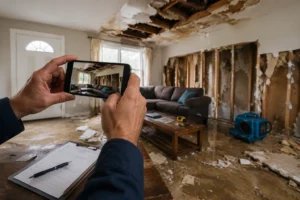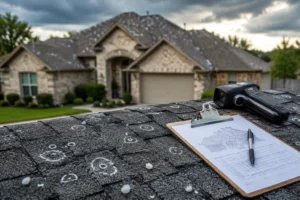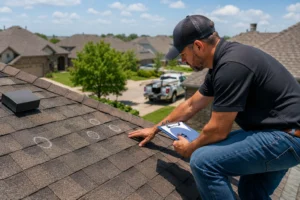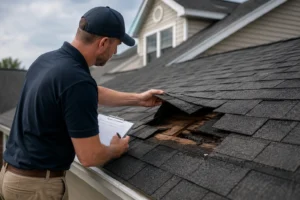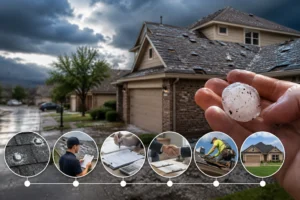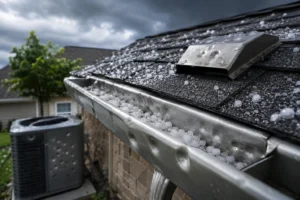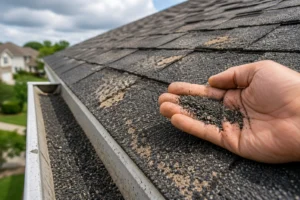

Property damage creates pressure immediately. One storm. One fire. One major water leak. Suddenly, homeowners are juggling inspections, contractor calls, insurance paperwork, temporary repairs, and financial uncertainty all at once. That is exactly why a public adjuster changes the outcome for many property owners facing serious insurance claims. Insurance claims are rarely simple. They involve documentation, policy interpretation, repair scope analysis, communication, negotiation, and timing. Small mistakes early in the process can create major financial consequences later. In many situations, the final settlement depends heavily on how organized and well-documented the claim becomes from the beginning. That is where experienced representation changes everything. A skilled public adjuster helps property owners organize evidence, identify missing damage, review policy details, and negotiate claims professionally. Those factors often create a significant difference between an incomplete settlement and a properly documented recovery.
What Does a Public Adjuster Actually Do?
A public adjuster represents the policyholder during the insurance claim process. Not the insurance company. That distinction matters enormously because their responsibility is protecting the homeowner or business owner dealing with the loss. Their role often includes:
- Reviewing the insurance policy
- Inspecting the property
- Documenting damage thoroughly
- Preparing claim estimates
- Managing supplemental claims
- Organizing evidence
- Coordinating communication
- Negotiating with carriers
As claims become larger and more complicated, organization becomes more important. Especially after severe storms across Texas where insurance companies may process thousands of claims at the same time.
Why Insurance Claim Outcomes Vary So Much
Many homeowners assume insurance claims naturally result in fair settlements automatically. Unfortunately, that is not always reality. Insurance claims involve interpretation. Different inspectors may evaluate the same property differently depending on the level of detail, experience, documentation quality, and time spent reviewing the damage. That creates major differences in claim outcomes.
High Claim Volume Creates Pressure
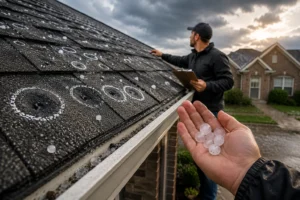
After hailstorms, hurricanes, and severe wind events, carriers often handle enormous numbers of claims simultaneously. That creates pressure for fast inspections. Fast inspections sometimes lead to:
- Missed roofing components
- Generic repair scopes
- Incomplete measurements
- Overlooked moisture damage
- Limited documentation
- Missed code upgrade requirements
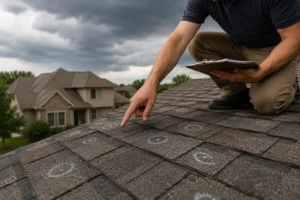
This is one major reason why a public adjuster changes the outcome after widespread storm events. A more detailed inspection often uncovers damage that may have been overlooked initially.
Documentation Determines Leverage
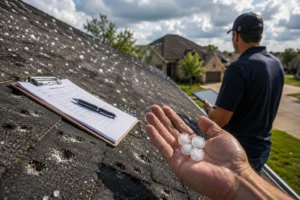
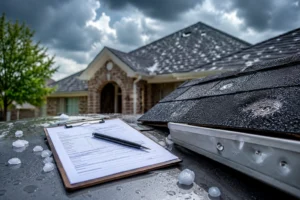
Insurance claims are evidence-driven. Not emotion-driven. The strongest claims are usually the best organized claims. Important evidence often includes:
| Documentation Type | Why It Matters |
|---|---|
| Roof photographs | Supports visible storm damage |
| Interior photographs | Shows resulting water intrusion |
| Contractor reports | Supports repair scope |
| Weather documentation | Confirms storm timing |
| Moisture readings | Detects hidden water damage |
| Repair receipts | Supports reimbursement requests |
| Communication records | Tracks claim history |
Weak documentation creates uncertainty. Strong documentation creates leverage during negotiations. That difference alone explains why a public adjuster changes the outcome in many complicated property claims.
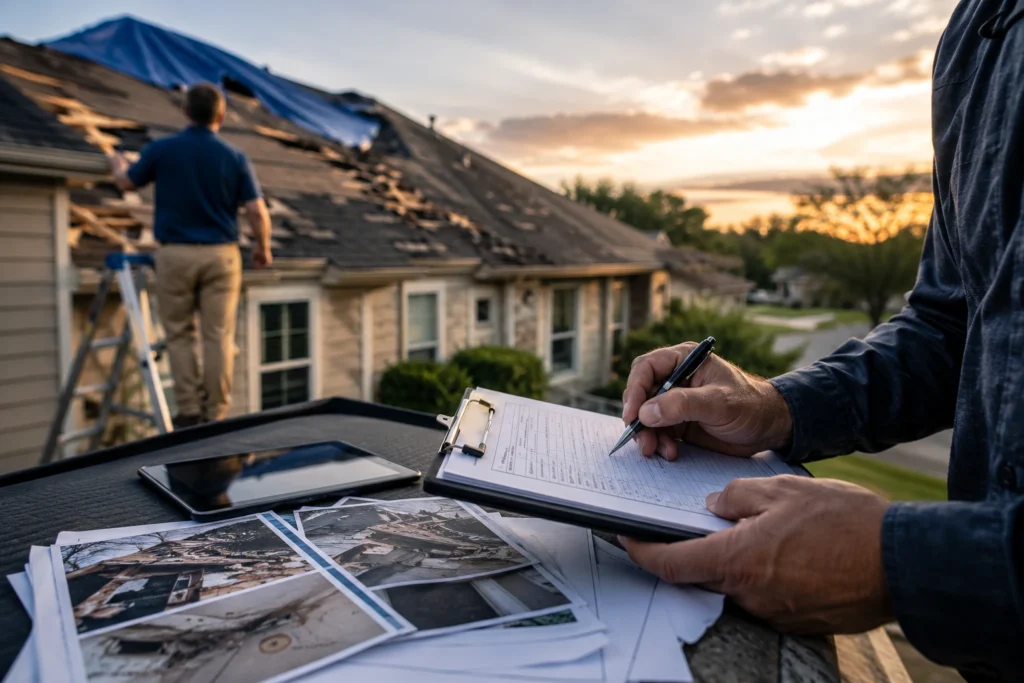
Why a Public Adjuster Changes the Outcome During Negotiations
Many homeowners feel uncomfortable negotiating insurance claims. That is understandable. But insurance negotiation is usually less emotional than people expect. It revolves around documentation, repair scope accuracy, policy interpretation, and evidence organization. Public adjusters help structure claims professionally using:
- Detailed estimates
- Damage photographs
- Contractor evaluations
- Moisture documentation
- Building code references
- Repair timelines
- Communication records
The goal is not conflict. The goal is clarity. The clearer the documentation becomes, the stronger the negotiation position usually becomes as well. Complex property losses can become highly technical, almost resembling Tribology when multiple materials fail and interact after severe storm damage.
They Identify Damage Homeowners Often Miss
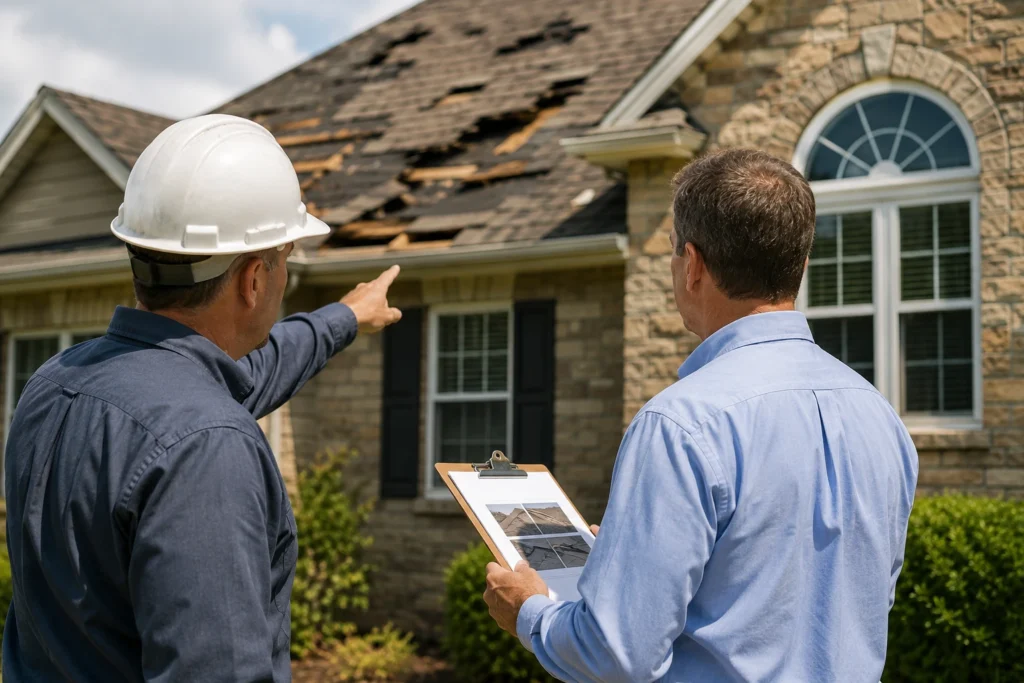
Many damages are not immediately visible after storms or water losses. Homeowners often notice surface-level problems while hidden damage continues spreading behind walls, under roofing materials, or inside insulation systems. An experienced public adjuster may identify:
- Lifted shingles
- Flashing damage
- Wet insulation
- Interior moisture migration
- Ventilation issues
- Structural concerns
- HVAC contamination
- Ceiling cavity damage
Water intrusion becomes especially dangerous because damage spreads quietly. A small roof leak can eventually affect drywall, framing, flooring, insulation, and electrical systems if it is not identified early. That timing issue is another major reason why a public adjuster changes the outcome during large property losses.
Public Adjuster vs Insurance Adjuster
This topic creates confusion constantly. Let’s simplify it.
Carrier Adjuster
- Works for the insurance company. Their responsibility is evaluating claims on behalf of the carrier.
Independent Adjuster
- Usually contracted by insurance companies during periods of high claim volume. They also represent the carrier.
Public Adjuster
- Represents the policyholder. That difference changes the entire perspective of the claim process. A public adjuster focuses on documenting and presenting the full legitimate scope of damage from the homeowner’s side. Not inflating claims. Not creating damage. Simply ensuring the claim is evaluated thoroughly and accurately.
The Biggest Areas Where Claims Get Underestimated
Certain categories consistently create claim disputes after major property losses.
Roofing Damage
Roof systems involve far more than shingles alone. Additional components may include:
- Flashing
- Ridge caps
- Underlayment
- Drip edge
- Gutters
- Roof vents
- Decking
Missing even a few roofing components can significantly affect repair costs.
Interior Water Damage
Water rarely stays where it begins. Moisture can spread into:
- Insulation
- Framing
- Flooring
- Baseboards
- Cabinets
- Ceiling cavities
Visible staining often represents only part of the actual damage.
Fire and Smoke Damage
Fire claims become extremely complicated quickly. Smoke contamination spreads aggressively throughout structures. It may affect:
- HVAC systems
- Electronics
- Attics
- Fabrics
- Ventilation systems
- Wall cavities
Communication between contractors, adjusters, engineers, and homeowners during major losses sometimes functions almost like an Anastomosis of information throughout the claim process.
Building Code Upgrades
Older properties may require upgrades during repairs to comply with current building standards. These upgrades may affect:
- Roofing systems
- Structural repairs
- Electrical systems
- Ventilation requirements
- Fire protection systems
Code-related costs are often overlooked during initial inspections.
Why Timing Matters After Property Damage
Insurance claims become more difficult over time. That is simply reality.
Evidence Changes Quickly
- Water spreads. Materials deteriorate. Temporary repairs alter conditions. Debris gets removed. The longer damage remains undocumented, the harder it becomes to prove the full scope accurately.
Communication Becomes More Complicated
Homeowners often juggle:
- Contractors
- Insurance representatives
- Temporary housing
- Repair scheduling
- Inspection coordination
- Receipts and invoices
Without organization, important details get lost. That confusion slows claims dramatically.
Supplements Become Harder Later
Many claims require supplemental adjustments after hidden damage appears during repairs. But supplement approvals often depend heavily on strong early documentation. Weak initial inspections create long-term complications later in the claim process. This is another practical reason why a public adjuster changes the outcome for many property owners.
Situations Where Hiring a Public Adjuster Makes the Biggest Difference
Not every claim requires representation. But some situations benefit enormously from professional claim management.
Large Property Losses
Major losses involve higher financial stakes. Examples include:
- Severe hail damage
- Fire losses
- Major water intrusion
- Commercial property damage
- Structural damage
- Multi-room flooding
The larger the loss becomes, the more important documentation becomes as well.
Claim Denials or Underpayments
Many homeowners seek help after receiving:
- Partial denials
- Low settlement offers
- Delayed responses
- Scope disputes
- Confusing explanations
Professional claim review often becomes extremely valuable at that stage.
Complex Multi-System Damage
A roof claim may also involve:
- Interior damage
- Electrical exposure
- Wet insulation
- Structural concerns
- HVAC contamination
These losses require coordinated evaluation and organization.
Busy Homeowners
Insurance claims consume enormous amounts of time. Managing inspections, estimates, repairs, emails, and follow-up conversations quickly becomes overwhelming. Many property owners simply do not have the bandwidth to manage the process alone.
Common Mistakes Homeowners Make During Claims
People make understandable mistakes during stressful situations. Especially immediately after property damage. Common problems include:
- Throwing away damaged materials too early
- Failing to photograph all areas
- Losing receipts
- Missing deadlines
- Accepting unclear estimates
- Delaying inspections
- Poor communication tracking
- Incomplete documentation
Small mistakes create major claim complications later. Strong organization helps prevent many of these issues from escalating.
Questions to Ask Before Hiring a Public Adjuster
Not all adjusters have the same experience level. Ask direct questions before hiring anyone.
Are They Licensed in Texas?
- Always verify credentials.
What Types of Claims Do They Handle Most?
- Storm claims differ from fire claims. Commercial losses differ from residential claims. Experience matters enormously.
How Do They Communicate?
Ask about:
- Update frequency
- Inspection scheduling
- Documentation process
- Timeline expectations
Poor communication creates frustration quickly.
How Are Fees Structured?
Most public adjusters work on contingency fees. Review the agreement carefully before signing anything. Transparency matters.
The Long-Term Financial Impact of Proper Claim Handling
Incomplete settlements affect far more than immediate repairs. They can affect the property for years. Poor repairs may eventually create:
- Recurring leaks
- Mold growth
- Structural deterioration
- Reduced resale value
- Future insurance complications
Proper claim handling supports proper restoration. And proper restoration helps protect long-term property value. That long-term protection is one of the clearest reasons why a public adjuster changes the outcome for many homeowners facing serious property damage claims.
Final Thoughts
Property damage creates enormous stress. The insurance process can quickly become confusing, time-consuming, and financially overwhelming, especially after severe storms or major losses. That is why a public adjuster changes the outcome in many insurance claims. Not because they magically create larger settlements. But because they bring structure, organization, documentation, and negotiation experience into a highly complicated process. They identify missing scope, organize evidence professionally, manage communication, understand policy language. And most importantly, they help property owners navigate difficult situations with greater clarity and confidence. When claims become complicated, preparation matters. Documentation matters. Timing and Organization matters. And in many situations, those factors ultimately determine whether a property owner receives only a partial recovery or a complete one.
FAQs
A public adjuster represents the policyholder during the insurance claim process by documenting damage, reviewing the policy, and negotiating with the insurance company.
They often improve claim accuracy through stronger documentation, better organization, and more detailed evaluations of property damage.
No. Public adjusters work directly for homeowners or business owners, not for insurance carriers.
Yes. They may review the denial, organize additional evidence, and help reopen discussions when damage or coverage issues were overlooked.
Many property owners hire one after major storm damage, fire losses, water intrusion, or when claim disputes become complicated.
Most public adjusters work on a contingency fee basis, meaning they are paid a percentage of the final claim settlement.
Yes. Public adjusters frequently handle hail claims involving roofing systems, water intrusion, and supplemental damage documentation.
Insurance adjusters represent the carrier, while public adjusters represent the policyholder during the claim process.
Yes. They often assist with supplements when hidden damage appears during repairs or when important repair items were missed initially.
For many large or complex losses, professional claim management can reduce stress and improve documentation, communication, and settlement accuracy.