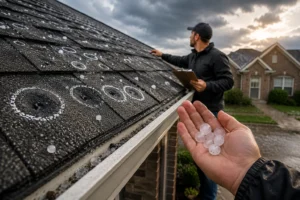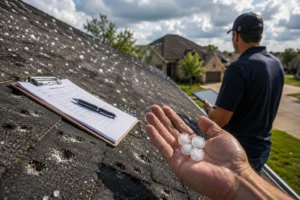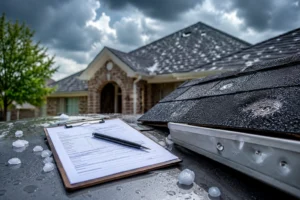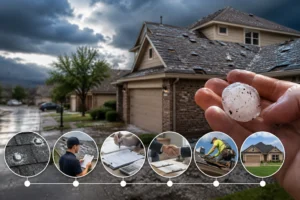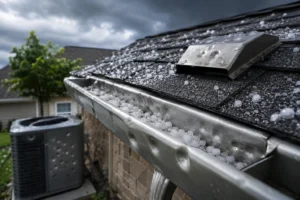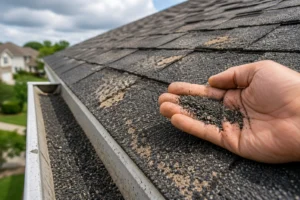


When property damage strikes, the stress can hit fast. One moment everything is fine, and the next you’re dealing with water pouring through the ceiling, smoke damage from a fire, or a roof torn apart by a storm. In that moment, one of the most important decisions you will make is how to choose the best public adjusters to represent your claim.
Insurance claims can be complicated. Policies are dense. Documentation requirements are strict. And negotiations with insurance companies can be exhausting. I’ve seen firsthand how the right public adjuster can make the difference between a frustrating process and a smooth, fair settlement.
Choosing wisely matters. A great public adjuster protects your interests, documents the full scope of damage, and pushes for the compensation you deserve. A poor one? They can delay your claim or miss critical details.
So let’s walk through how to choose the best public adjusters, step by step, with practical insights that property owners in Texas and beyond can use right away.
Understanding What Public Adjusters Actually Do
Before hiring anyone, it’s important to understand their role.
A public adjuster is a licensed professional who represents policyholders during insurance claims. Unlike insurance company adjusters, who work for the insurer, public adjusters work solely for you.
Their job is straightforward: advocate for your financial recovery.
Core Responsibilities of Public Adjusters
A qualified public adjuster handles several critical tasks during the claim process:
- Inspecting and documenting property damage
- Reviewing your insurance policy in detail
- Preparing damage estimates and claim documentation
- Submitting and managing the claim
- Negotiating settlements with the insurance company
They act as both investigator and negotiator. That combination is powerful.
Many homeowners initially try to handle claims alone. Sometimes that works. But when damages are extensive or complex, professional representation becomes extremely valuable.
Why Hiring the Best Public Adjusters Makes a Real Difference

Not all adjusters deliver the same results. Some simply process paperwork. Others dig deeper and fight for every dollar covered in your policy.
This is exactly why learning how to choose the best public adjusters is essential.
Higher Claim Settlements
Experienced adjusters know where damages often hide.
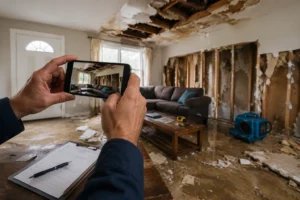
Water intrusion behind walls. Structural movement. Electrical system exposure after flooding. Smoke contamination in ventilation systems.
These details matter. They significantly affect claim value. This is where coordination with skilled property valuers can strengthen documentation and support higher settlement outcomes.
A thorough adjuster will document every covered loss.
Faster and Smoother Claims
Claims slow down when documentation is incomplete or unclear.
Professional adjusters prevent that by organizing everything upfront:
- Photo documentation
- Contractor estimates
- Policy references
- Damage reports
Insurance companies respond faster when claims are properly structured.
Professional Negotiation
Insurance companies negotiate claims daily. Public adjusters do too.
That experience matters.
When disputes arise over coverage or valuation, a skilled adjuster knows how to respond with facts, documentation, and policy interpretation.
Key Factors to Consider When Choosing the Best Public Adjusters
Finding the right adjuster requires careful evaluation. A quick online search isn’t enough.
Let’s break down the most important factors.
Verify Licensing and Credentials
The first step in how to choose the best public adjusters is confirming they are properly licensed.
In Texas, public adjusters must be licensed by the state to legally represent policyholders.
Why Licensing Matters
Licensing confirms that the adjuster:
- Passed required examinations
- Understands insurance law
- Meets ethical standards
- Maintains professional accountability
Working with an unlicensed adjuster puts your claim at risk.
What to Check
Before hiring, verify:
- Active state license
- Business registration
- Professional insurance (errors and omissions coverage)
A legitimate adjuster will provide this information immediately.
If they hesitate, move on.
Evaluate Experience With Similar Claims
Experience isn’t just about years in the industry. It’s about handling cases similar to yours.
Storm damage claims differ from fire losses. Water damage differs from commercial property damage.
Common Claim Types Public Adjusters Handle
| Claim Type | Typical Damage |
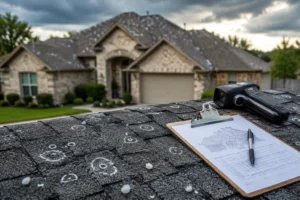
| Storm and hail | Roof damage, siding, structural impacts |
| Fire damage | Smoke contamination, structural damage |
| Water damage | Pipe bursts, flooding, mold risk |
| Hurricane damage | Wind destruction, water intrusion |
| Commercial claims | Business interruption and structural loss |
Ask direct questions about previous cases.
For example:
- How many roof damage claims have you handled?
- Have you worked with hurricane-related property damage?
- Do you handle commercial property claims?
The answers reveal experience level quickly.
Check Reputation and Client Reviews
Reputation tells a story.
When researching how to choose the best public adjusters, reviews and testimonials provide insight into real client experiences.
Where to Look
Start with trusted platforms:
- Google Reviews
- Better Business Bureau
- Professional directories
- Company websites
Look for patterns in feedback.
Are clients satisfied with communication? Did claims settle successfully? Were timelines reasonable?
Signs of a Strong Reputation
Positive adjuster reviews often mention:
- Transparency throughout the process
- Clear explanations of policy coverage
- Frequent updates
- Professional negotiation with insurers
Consistency matters more than quantity.
Ten thoughtful reviews are often more meaningful than hundreds of vague ones.
Understand Fee Structures
Public adjusters usually work on contingency. That means they receive a percentage of the settlement rather than charging upfront fees.
But percentages vary.
Understanding the cost structure is a crucial part of how to choose the best public adjusters.
Typical Public Adjuster Fee Structure
| Payment Type | Description |
| Contingency fee | Percentage of settlement amount |
| No upfront cost | Payment only after claim settlement |
| Contract agreement | Fees clearly outlined in writing |
In many cases, fees range between 5% and 15% depending on claim complexity.
Always review the contract carefully before signing.
Questions to Ask Before Hiring a Public Adjuster

An initial consultation should feel like an interview.
You are evaluating them.
Ask questions that reveal professionalism and experience.
Essential Questions to Ask
- How long have you worked as a public adjuster?
- Are you licensed in Texas?
- How many claims like mine have you handled?
- How will you communicate updates?
- What challenges do you expect in my claim?
A confident adjuster answers clearly. No hesitation. No vague responses.
Red Flags to Watch For
Unfortunately, not everyone offering claim help operates ethically.
Learning how to choose the best public adjusters also means knowing what to avoid.
Major Warning Signs
- No state license
- Pressure to sign immediately
- Upfront fees before work begins
- Lack of written contract
- Vague answers about experience
If something feels rushed or unclear, trust your instincts.
Professional adjusters respect informed decisions.
The Step-by-Step Process of Working With a Public Adjuster
Once hired, the claim process typically follows a structured path.
Understanding the workflow helps set expectations.
1. Initial Inspection
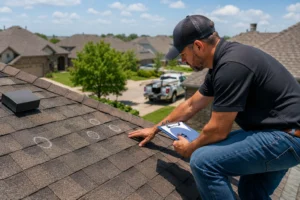
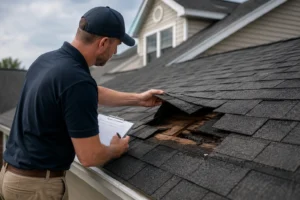
The adjuster visits your property to inspect damage.
They document everything.
Photos. Measurements. Structural impacts. Hidden damage indicators.
Nothing gets overlooked.
2. Policy Review
Your insurance policy becomes the roadmap.
Coverage limits, exclusions, and deductible terms are reviewed carefully.
This step determines the claim strategy.
3. Claim Preparation
Documentation is compiled into a detailed claim package.
This may include:
- Damage reports
- Repair estimates
- Engineering evaluations
- Photographic evidence
Accuracy here is critical.
4. Negotiation With the Insurance Company
The adjuster communicates directly with the insurance company’s representatives.
Disputes over damage value or coverage are addressed with documentation.
Professional negotiation happens here.
5. Claim Settlement
Once an agreement is reached, settlement funds are issued.
At this point, the adjuster’s contingency fee is deducted according to the contract.
Why Choosing a Local Texas Public Adjuster Helps
Local expertise can significantly improve the claims process.
When researching how to choose the best public adjusters, geographic knowledge is an often-overlooked advantage.
Familiarity With Regional Storm Damage
Texas properties face specific risks:
- Hailstorms
- Hurricanes
- Flash flooding
- Tornado damage
Local adjusters understand these patterns and typical damage outcomes.
Knowledge of Texas Insurance Regulations
State insurance rules affect claims procedures.
Local professionals stay current with these regulations and deadlines.
Faster Property Inspections
When adjusters are nearby, they can inspect properties quickly after damage occurs.
Speed matters when documenting evidence.
Weather damage evolves fast.
Tips for Getting the Most From Your Public Adjuster
Hiring a great adjuster is only the first step. Property owners also play an important role.
These simple steps improve claim outcomes.
Document Damage Immediately
Take photos and videos as soon as it is safe.
Capture:
- Roof damage
- Interior water damage
- Structural cracks
- Damaged personal property
The more evidence available, the stronger the claim.
Keep Maintenance Records
Insurance companies sometimes question whether damage resulted from neglect.
Maintenance records prove responsible property care.
Keep documentation such as:
- Roof repairs
- Plumbing maintenance
- HVAC servicing
Communicate Clearly
Stay involved.
Ask questions. Request updates. Understand each stage of the claim.
Transparency leads to better outcomes.
Final Thoughts: Choosing the Right Advocate for Your Claim
Property damage is overwhelming. There’s no sugarcoating it.
But having the right professional on your side changes everything.
Learning how to choose the best public adjusters allows property owners to navigate insurance claims with confidence instead of confusion. The right adjuster brings expertise, documentation skills, negotiation power, and peace of mind.
Look for licensing. Evaluate experience. Study reviews. Ask questions. Read contracts carefully.
Those steps protect your financial recovery.
At the end of the day, a great public adjuster doesn’t just process paperwork. They advocate for your property, your policy rights, and your future repairs.
And when your home or business has suffered damage, that advocacy is priceless.
FAQs
A public adjuster represents the policyholder during an insurance claim by assessing damage, preparing documentation, and negotiating with the insurance company for a fair settlement.
You can verify licensing through the Texas Department of Insurance website by searching the adjuster’s name or license number.
You should consider hiring one when the property damage is significant, the claim is complex, or you feel the insurance company’s offer is too low.
Most public adjusters work on a contingency fee, meaning they receive a percentage of the final settlement rather than charging upfront fees.
Public adjuster fees often range between 5% and 15% of the insurance settlement, depending on the complexity and size of the claim.
Yes, experienced public adjusters can often identify additional damages and present stronger documentation that may lead to a higher settlement.
Claim timelines vary depending on the complexity of the damage and the insurance company’s response, but a public adjuster can often help streamline the process.
You should check licensing, experience with similar claims, client reviews, and clear fee structures before hiring a public adjuster.
Yes, insurance company adjusters represent the insurer, while public adjusters work exclusively for the policyholder.
Many public adjusters handle both residential and commercial claims, including damage to businesses, rental properties, and large commercial buildings.