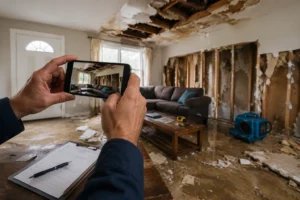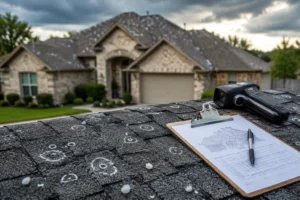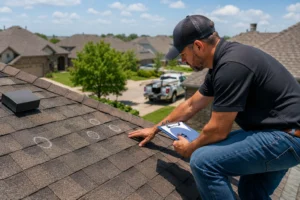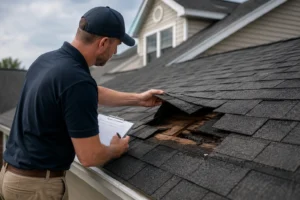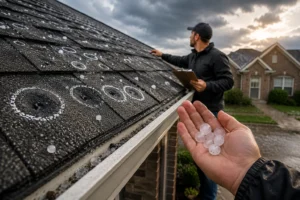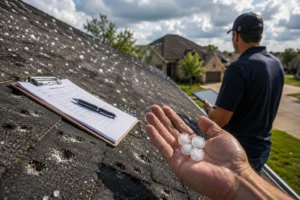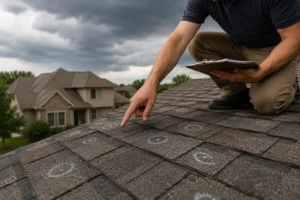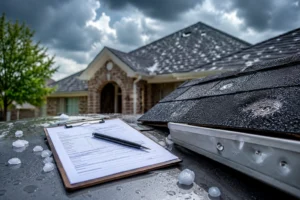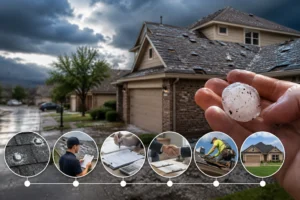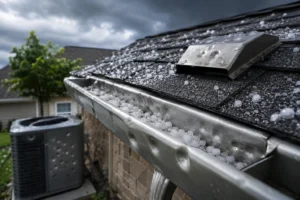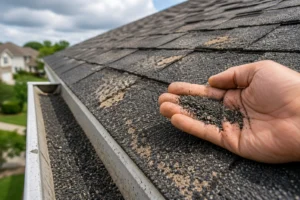


Storm damage hits fast. One moment your roof is intact. The next moment hail, wind, or fire has turned your home into a construction site. Suddenly you’re dealing with insurance calls, inspections, paperwork, and confusing estimates.
That’s when a question pops into your head: do I need a public adjuster?
It’s a fair question. In fact, many Texas homeowners ask it right after filing an insurance claim. Insurance companies send their own adjusters. Contractors give repair estimates. And somewhere in the middle sits the homeowner, trying to figure out whether the settlement is fair.
I’ve seen it many times. The process can feel overwhelming. And that’s exactly where public adjusters step in.
In this guide, we’ll walk through how insurance claims work, when hiring an adjuster makes sense, when it might not, and how to decide what’s right for your situation.
What Is a Public Adjuster?
A public adjuster is a licensed professional who works on behalf of the policyholder, not the insurance company.
That distinction matters.
Insurance companies hire adjusters to evaluate claims for the insurer. Public adjusters represent homeowners. Their job is to assess property damage, document losses, and negotiate with the insurance company to reach a fair settlement.
Think of them as your claim advocate.
What Public Adjusters Actually Do
Their work is practical and detailed. It usually includes:
- Inspecting property damage
- Reviewing insurance policies
- Documenting losses
- Preparing repair estimates
- Managing communication with the insurer
- Negotiating settlement amounts
They essentially take over the complicated parts of the claim so homeowners don’t have to.
Public Adjuster vs Insurance Company Adjuster
The biggest confusion for homeowners comes from the word “adjuster.”
There are several types. And they work for different sides.
| Type of Adjuster | Who They Work For | Primary Goal |
| Insurance Company Adjuster | Insurance company | Evaluate claims for the insurer |
| Independent Adjuster | Contracted by insurer | Represent the insurance company |
| Public Adjuster | Policyholder | Maximize the policyholder’s settlement |
This difference is critical when asking if I need a public adjuster.
Insurance adjusters may be professional and courteous. Many are. But their role is still tied to the insurer. A public adjuster focuses solely on the homeowner’s interests.
How the Insurance Claim Process Works
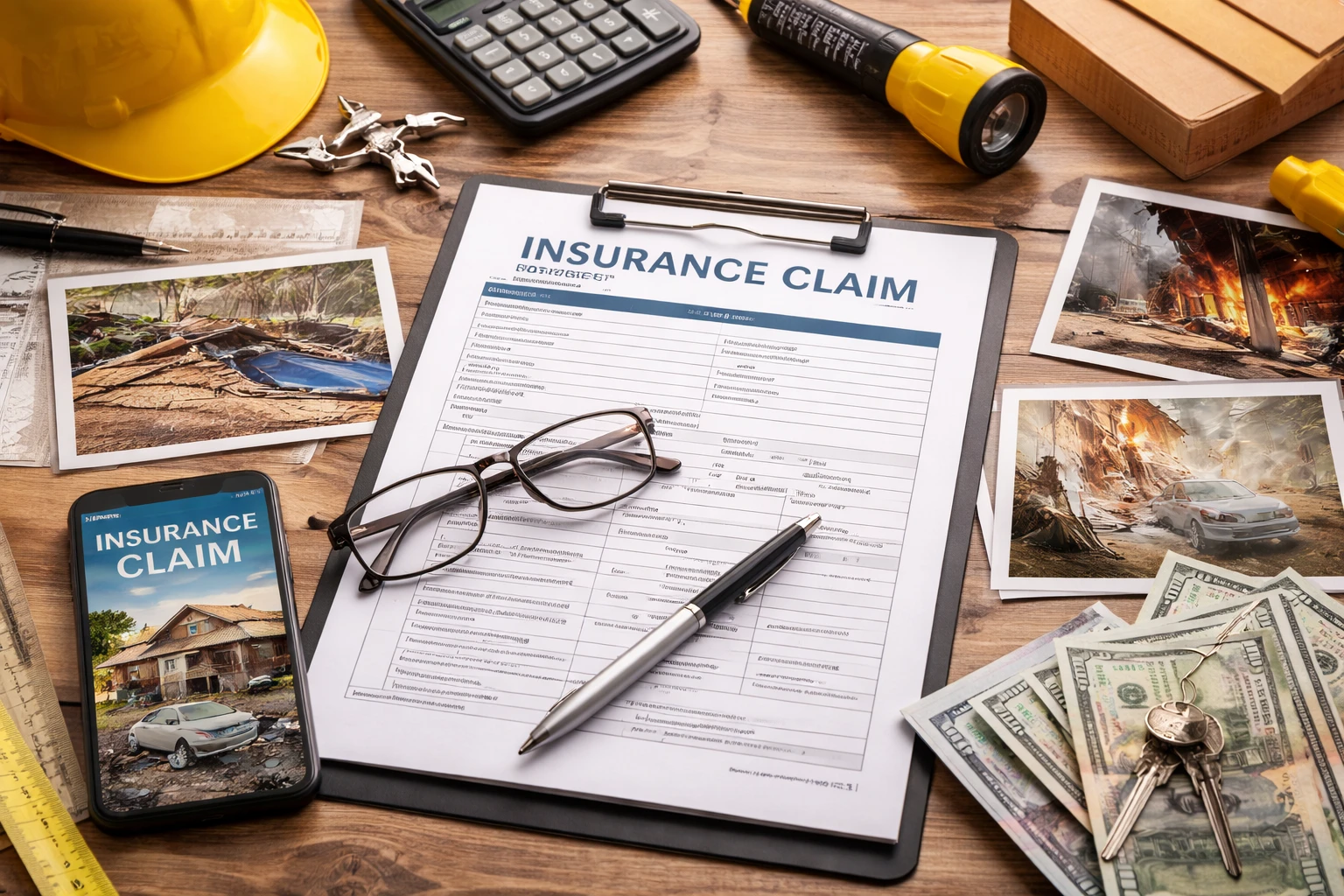
Understanding the process makes it easier to decide if professional help is needed.
Most claims follow the same general path.
Step 1: Property Damage Happens
In Texas, this often means:
- Hail damage
- Hurricane damage
- Wind damage
- Fire damage
- Water damage from plumbing failures
- Tornado or severe storm destruction
Sometimes the damage is obvious. Other times it hides behind walls, ceilings, or roof layers.
Step 2: You File an Insurance Claim
Homeowners contact their insurance provider and report the damage.
The insurer assigns a claim number and schedules an inspection.
Step 3: Insurance Adjuster Inspection
An adjuster from the insurance company visits the property and evaluates the damage.
They document repairs needed and prepare a cost estimate.
Step 4: Settlement Offer
The insurance company issues a settlement estimate based on their inspection.
This estimate determines how much they will pay.
Step 5: Negotiation or Dispute
If the estimate seems too low, homeowners may:
- Submit additional documentation
- Request reinspection
- Hire contractors for estimates
- Bring in a public adjuster
This is often where homeowners begin asking, do I need a public adjuster to handle this claim?
Signs You May Need a Public Adjuster
Not every claim requires professional representation. But certain situations make it much more beneficial.
Here are common scenarios.
1. Your Insurance Settlement Looks Too Low
This happens more often than people expect.
Contractors might estimate $35,000 in repairs, while the insurance estimate comes in at $18,000.
Why the gap?
Sometimes damage items are missed. Other times the repair scope is incomplete.
Public adjusters review the estimate and compare it with the full extent of the damage.
2. Your Claim Has Been Delayed
Insurance claims can stall.
Weeks pass. Then months. Calls go unanswered.
If your claim is moving slowly, a public adjuster can step in and push the process forward.
3. Your Claim Was Denied
Claim denials are frustrating. But they are not always final.
Public adjusters can review the damage and policy language to determine whether the denial can be challenged.
4. The Damage Is Extensive
Large claims often involve multiple types of repairs.
For example:
- Roof replacement
- Structural repairs
- Interior drywall and flooring
- Electrical damage
- Water remediation
The bigger the claim, the more complicated the negotiation becomes.
5. You Don’t Have Time to Manage the Claim
Insurance claims require attention.
There are inspections, emails, documentation requests, and negotiations.
For busy homeowners, the workload alone can justify hiring a public adjuster.
Situations Where You Might Not Need a Public Adjuster
Even though public adjusters provide valuable services, they are not necessary for every claim.
Sometimes the process is straightforward.
Minor Property Damage
Small claims may not require professional help.
Examples include:
- Minor roof shingle replacement
- Small plumbing leaks
- Cosmetic damage
- Small fence repairs
In these cases, homeowners may feel comfortable managing the claim themselves.
Quick and Fair Settlement
If the insurance company provides a fair estimate quickly, additional representation may not be needed.
Some claims truly are simple.
Experienced Homeowners
Individuals with construction, roofing, or insurance backgrounds may already understand claim valuation and negotiation.
Still, many homeowners ask themselves the same question: do I need a public adjuster even if the claim seems simple?
Sometimes a second opinion alone can bring peace of mind.
Benefits of Hiring a Public Adjuster
When claims become complicated, public adjusters provide several important advantages.
Higher Claim Settlements
Public adjusters carefully document every element of the loss.
This includes:
- Structural damage
- Interior damage
- Hidden water damage
- Code upgrade requirements
- Labor and material costs
By capturing the full scope of repairs, settlements often increase.
Professional Documentation
Insurance claims depend on documentation.
Public adjusters produce detailed reports, including:
- Damage photos
- Repair estimates
- Policy coverage analysis
- Scope-of-loss documents
The stronger the documentation, the stronger the claim.
Negotiation Expertise
Insurance companies negotiate claims daily.
Public adjusters do too.
They understand claim valuation methods, policy wording, and negotiation strategies that homeowners rarely encounter.
Reduced Stress
Handling a claim alone can be exhausting.
Public adjusters manage:
- communication with insurers
- scheduling inspections
- documentation
- negotiations
That allows homeowners to focus on repairing their property and moving forward.
How Public Adjusters Are Paid
Most homeowners worry about cost.
Fortunately, public adjusters usually work on a contingency fee basis.
That means they are paid only if the claim results in a settlement.
Typical Fee Structure
| Settlement Amount | Typical Adjuster Fee |
| Small claims | 10%–20% |
| Larger claims | Often closer to 10% |
Fees vary depending on claim complexity and local regulations.
Why the Fee May Be Worth It
If a public adjuster increases a settlement from $25,000 to $50,000, the homeowner may still come out significantly ahead even after fees.
For large losses, the difference can be substantial.
How to Decide If You Need a Public Adjuster
Let’s simplify the decision.
Ask yourself the following questions:
- Is my property damage significant?
- Does the insurance estimate seem too low?
- Do I understand my insurance policy coverage?
- Am I comfortable negotiating with an insurance company?
- Do I have time to manage inspections and paperwork?
If several answers raise concern, it may be time to consider professional help.
And once again, homeowners circle back to the same question: do I need a public adjuster to protect my claim?
When to Hire a Public Adjuster

Timing matters.
Public adjusters can become involved at several stages.
Immediately After Property Damage
Early involvement can help document damage properly before repairs begin.
This ensures nothing is missed.
After Receiving a Low Settlement Offer
Many homeowners hire public adjusters only after reviewing the insurance estimate.
If the numbers don’t add up, it may be time to bring in an expert.
When a Claim Is Denied
Denied claims are one of the strongest reasons homeowners ask do I need a public adjuster.
Professional review may uncover overlooked coverage or documentation gaps.
How to Choose the Right Public Adjuster in Texas
Not all adjusters are equal.
Choosing the right professional makes a big difference.
Verify Licensing
In Texas, public adjusters must be licensed through the Texas Department of Insurance.
Always confirm licensing before signing any contract.
Look for Relevant Experience
Claims vary widely.
Look for adjusters experienced with:
- hail damage
- hurricane claims
- fire damage
- water damage
- commercial property losses
Check Reviews and References
Client feedback provides valuable insight into an adjuster’s professionalism and results.
Ask Clear Questions
Before hiring, ask about:
- fee structure
- contract terms
- estimated timeline
- claim strategy
Transparency builds trust.
Why Texas Homeowners Often Hire Public Adjusters
Texas experiences some of the most severe weather in the country.
Storm events frequently involve:
- baseball-size hail
- hurricane winds
- flash flooding
- tornado damage
Large storms can generate thousands of insurance claims simultaneously.
When that happens, insurance companies may rely on temporary adjusters or fast inspections.
Public adjusters help ensure damage is fully documented and fairly evaluated.
For homeowners recovering from major storms, the question of whether I need a public adjuster becomes even more relevant.
Final Thoughts: Do I Need a Public Adjuster?
Property damage is stressful. Insurance claims add another layer of complexity.
For small claims, homeowners may handle the process on their own. That’s completely reasonable.
But when damage is extensive, settlements appear too low, or claims become complicated, professional help can make a meaningful difference.
Public adjusters represent the homeowner. They manage documentation, negotiate settlements, and work to ensure the full scope of damage is recognized.
So if you’re standing in a damaged home, staring at repair estimates and wondering do I need a public adjuster, the answer often depends on one simple factor:
How confident are you that your insurance claim reflects the true cost of restoring your property?
If the answer is uncertain, seeking professional guidance may be one of the smartest decisions you make during the claims process.
FAQs
A public adjuster evaluates property damage, documents losses, and negotiates with the insurance company on behalf of the policyholder to secure a fair settlement.
No. Many small or straightforward claims can be handled by homeowners themselves, but larger or disputed claims may benefit from professional help.
If contractor repair estimates are significantly higher than the insurance company’s offer, it may be worth having a public adjuster review the claim.
You can hire a public adjuster immediately after damage occurs, after receiving a low settlement offer, or if your claim has been denied.
Most public adjusters work on a contingency fee, meaning they receive a percentage of the final insurance settlement only if the claim is successful.
In some cases, yes. If additional damage is discovered or documentation was incomplete, a public adjuster may help reopen or supplement a claim.
Yes. Public adjusters must be licensed by the Texas Department of Insurance and follow state regulations when representing policyholders.
Not necessarily. In many cases, organized documentation and professional negotiation can actually help move the claim process forward.
No. Policyholders have the legal right to hire a public adjuster, and insurance companies must communicate with them as your representative.
They commonly assist with claims involving hail damage, hurricane damage, fire losses, water damage, and other major property damage events.