

Property damage can happen without warning, especially in a fast-growing community like Leander. From severe spring hailstorms and damaging straight-line winds to plumbing failures and accidental fires, property owners throughout Leander face risks that can quickly become expensive insurance claims. When your home or commercial property suffers damage, working with a Public Adjuster in Leander, TX means having a licensed professional who represents your interests—not the insurance company.
TX Public Adjusting, operated by Rise Public Adjusting LLC, proudly represents residential and commercial property owners across Texas. As a licensed Texas public adjusting firm (License #3356839), we help policyholders prepare, document, negotiate, and maximize insurance claims after covered property losses. Our role is simple: advocate exclusively for you throughout the claims process.
Whether your property is located near Crystal Falls Parkway, Old Town Leander, Travisso, Bryson, or along the rapidly expanding Ronald Reagan Boulevard corridor, our team understands the types of property damage that commonly affect homes and businesses throughout the area.
If your insurance claim has been delayed, underpaid, denied, or you’re simply unsure where to begin, we’re ready to provide a Free Claim Review for homeowners and business owners dealing with property damage.
Why Property Owners Hire a Public Adjuster in Leander
Leander has experienced remarkable growth over the past decade. New residential communities, expanding commercial developments, schools, retail centers, and infrastructure projects have transformed the city into one of Central Texas’ fastest-growing communities. Along with that growth comes increased exposure to severe Texas weather and complex property insurance claims.
Unlike an insurance company adjuster, a public adjuster works exclusively for the policyholder.
Our job includes:
- Reviewing your insurance policy
- Identifying all covered damages
- Preparing detailed documentation
- Creating accurate repair scopes
- Negotiating directly with the insurance carrier
- Pursuing the full benefits available under your policy
Many property owners don’t realize how much documentation goes into a successful insurance claim. Hidden structural damage, code upgrades, roofing components, moisture intrusion, and overlooked interior damage can significantly affect claim value.
Insurance companies often rely on limited inspections conducted under tight schedules. While many adjusters work professionally, they may not identify every covered item during a single visit.
That’s why many Leander homeowners and business owners choose independent representation before accepting a settlement.
Understanding Leander’s Property Damage Risks
Located in Williamson County, Leander experiences a wide variety of weather conditions throughout the year.
Common risks include:
- Severe hailstorms
- Straight-line wind events
- Heavy rainfall
- Flash flooding
- Roof damage
- Fallen trees
- Water intrusion
- Lightning strikes
- Fire losses
- Plumbing failures during winter freezes
Neighborhoods such as:
- Crystal Falls
- Bryson
- Travisso
- Mason Hills
- Larkspur
- Oak Creek
- Horizon Park
- Block House Creek
- Deerbrooke
contain a mix of newer construction and established homes, each presenting unique insurance claim challenges depending on the age of the structure, roofing materials, and previous repairs.
Commercial properties along Highway 183, Hero Way, Crystal Falls Parkway, and the rapidly expanding retail corridors are also vulnerable to wind, hail, and water damage claims that can interrupt daily business operations.
Common Insurance Claims We Handle in Leander
Hail Damage Claims
Central Texas regularly experiences severe hailstorms capable of damaging:
- Asphalt shingles
- Metal roofing
- Gutters
- Siding
- Windows
- Skylights
- HVAC equipment
- Solar panels
Hail damage isn’t always obvious from the ground. Small impact fractures may shorten the life of a roofing system while remaining difficult to detect during a basic inspection.
Our team performs comprehensive property evaluations to identify both visible and hidden hail damage before negotiations begin. Learn more about pursuing a hail damage roof insurance claim and how to document hail damage for an insurance claim before repairs begin.
Wind Damage Claims
Strong thunderstorms frequently produce damaging winds across Leander.
Wind losses may include:
- Missing shingles
- Lifted roofing materials
- Damaged flashing
- Broken fencing
- Fallen trees
- Exterior siding damage
- Detached gutters
- Window damage
Wind-driven rain can also enter through compromised roofing systems, creating additional interior water damage that isn’t immediately apparent.
Water Damage Claims
Water losses often become more expensive than homeowners initially expect.
Common causes include:
- Burst supply lines
- Appliance failures
- Overflowing fixtures
- Slab leaks
- Water heater failures
- Roof leaks
- Storm-related water intrusion
If moisture isn’t addressed quickly, secondary damage such as warped flooring, insulation damage, drywall deterioration, and mold growth may develop.
Proper documentation from the beginning helps establish the full scope of damage. Learn how a water damage public adjuster can assist with documenting and negotiating your claim.
Fire and Smoke Damage Claims
Even relatively small fires can affect much more than the area where flames originated.
Fire claims often involve:
- Structural damage
- Smoke contamination
- Soot residue
- HVAC contamination
- Electrical damage
- Water damage from firefighting efforts
- Personal property inventory
Preparing a complete fire claim requires careful documentation of both building materials and personal belongings.
Our team assists policyholders throughout this process while negotiating directly with the insurance carrier. Our fire insurance adjuster team also assists with complex fire damage insurance claims involving structural damage, smoke contamination, and personal property inventories.
Roof Damage Claims
Roofing systems are among the most common sources of insurance disputes.
Issues frequently include:
- Storm-created openings
- Hail impacts
- Wind uplift
- Flashing failures
- Ridge vent damage
- Soft metals
- Underlayment damage
- Code upgrade requirements
Many settlements overlook components beyond the shingles themselves. Working with a public adjuster for roof claims can help ensure the entire roofing system is properly evaluated.
A detailed roof inspection helps ensure the complete roofing system is evaluated—not just the visible surface.
Commercial Property Claims
Leander’s expanding business community includes:
- Medical offices
- Restaurants
- Retail centers
- Warehouses
- Office buildings
- Churches
- Industrial facilities
- Multifamily properties
Commercial insurance claims often involve larger losses, business interruption concerns, specialized building systems, and more extensive documentation requirements.
Our experience representing commercial property owners helps streamline complex claims while allowing business owners to remain focused on daily operations. Learn more about our experience handling commercial property insurance claims throughout Texas.
Why Insurance Claims Become Underpaid
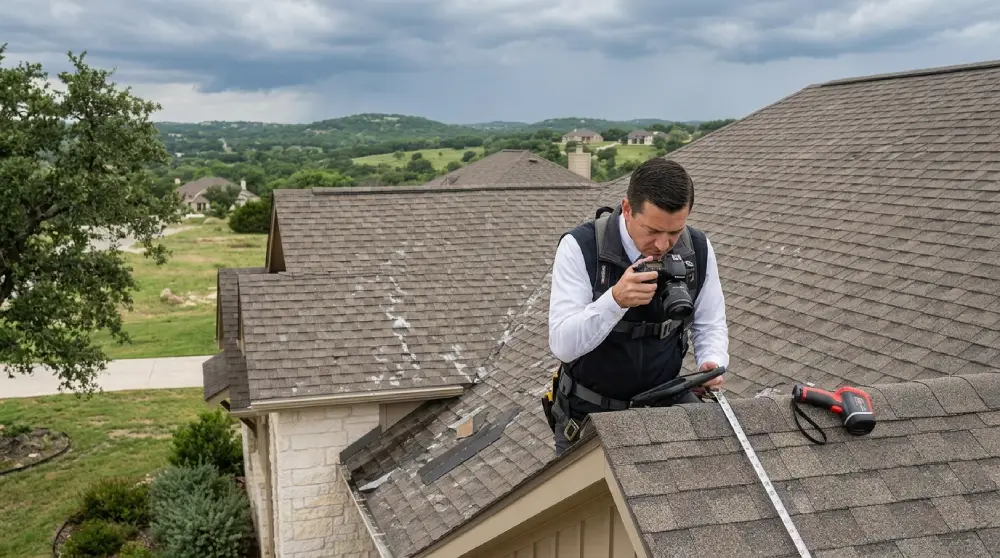
One of the biggest misconceptions about property insurance claims is that the first settlement offer always reflects the full amount owed under the policy.
In reality, several factors can contribute to an underpaid claim.
Incomplete Damage Inspections
Some damage isn’t immediately visible during an initial inspection.
Examples include:
- Moisture behind walls
- Roofing underlayment damage
- Structural movement
- Hidden water intrusion
- Interior insulation damage
Without additional documentation, these items may never become part of the claim.
Missing Scope Items
Insurance estimates occasionally omit necessary repairs such as:
- Flashing replacement
- Code-required upgrades
- Detached structures
- Matching materials
- Paint blending
- Interior finishes
- Electrical components
Even relatively small omissions can significantly affect the total settlement value.
Depreciation Issues
Insurance carriers frequently apply depreciation depending on policy terms.
Understanding recoverable depreciation, replacement cost provisions, and actual cash value calculations helps ensure policyholders receive every benefit available under their coverage.
Insufficient Documentation
Photographs alone rarely tell the complete story.
Strong insurance claims typically include:
- Detailed inspections
- Professional measurements
- Moisture documentation
- Material identification
- Supporting photographs
- Repair estimates
- Policy analysis
Comprehensive documentation strengthens negotiations and reduces disputes during the adjustment process. Avoid these common property insurance claim mistakes that can reduce the value of your settlement.
Our Public Adjusting Process
Every insurance claim is different, but our approach is designed to provide Leander property owners with a structured, thorough process from the initial inspection through final settlement. Our goal is to reduce stress while presenting a well-supported claim backed by detailed documentation and professional negotiation.
Step 1: Free Claim Review
We begin with a complimentary consultation to understand your situation.
During this review, we discuss:
- The cause of the damage
- The timeline of the loss
- Your insurance carrier
- Any inspections already completed
- Payments already issued
- Concerns about the current claim
If you’ve already received an estimate or settlement offer, we’ll review it to identify potential omissions or areas that may warrant further evaluation.
Free Claim Review: If your Leander property has suffered storm, fire, water, or other covered damage, we’ll evaluate your claim before you accept a settlement.
Step 2: Comprehensive Property Inspection
Next, our team conducts a detailed inspection of the property.
Rather than focusing only on obvious damage, we evaluate the entire structure, including:
- Roofing systems
- Exterior elevations
- Gutters and downspouts
- Windows and doors
- Interior ceilings
- Walls
- Flooring
- Attics
- Mechanical systems
- Detached structures
Depending on the claim, we may also document hidden damage that requires additional investigation.
For commercial properties, inspections often include:
- Roofing assemblies
- Tenant improvements
- HVAC systems
- Warehouses
- Equipment rooms
- Common areas
- Exterior building envelopes
Every claim begins with understanding the complete scope of damage—not just the damage that’s immediately visible.
Step 3: Documentation and Policy Review
A successful insurance claim relies on more than photographs.
Our team prepares detailed claim documentation that may include:
- Damage inventories
- Measurements
- Photographic evidence
- Repair scopes
- Supporting documentation
- Policy analysis
- Coverage review
Insurance policies can contain multiple coverages, exclusions, endorsements, deductibles, and valuation provisions.
We carefully review the policy to determine which portions of the loss may be covered and how those benefits apply to your specific claim. If you’re unfamiliar with the process, our guide explaining What is a Public Adjuster? provides a complete overview.
Step 4: Preparing the Claim
Once documentation is complete, we assemble a comprehensive claim package for submission to the insurance carrier.
This package may include:
- Detailed repair estimates
- Scope of damage reports
- Supporting photographs
- Building documentation
- Personal property inventories (when applicable)
- Additional supporting evidence
Our objective is to present a complete picture of the loss so the carrier has the information necessary to properly evaluate the claim.
Step 5: Negotiation with the Insurance Company
After submitting documentation, we communicate directly with the insurance company on your behalf.
Negotiations often involve:
- Reviewing carrier estimates
- Addressing omitted damage
- Discussing policy provisions
- Responding to requests for information
- Coordinating inspections
- Resolving valuation differences
Rather than handling these discussions yourself, you have an experienced advocate managing communications throughout the claim. Learn more about how public adjusters work during the insurance claims process.
Step 6: Settlement Resolution
Once negotiations conclude, the claim moves toward resolution based on the applicable policy provisions and documented damages.
While every claim is different, our objective remains the same:
Help policyholders pursue the full benefits available under their insurance policy.
Why Choose TX Public Adjusting
Choosing a public adjuster means selecting someone you trust to represent one of your most significant financial interests.
Property owners throughout Leander choose TX Public Adjusting because we combine technical claim knowledge with a commitment to representing policyholders—not insurance companies.
Licensed Texas Public Adjuster
TX Public Adjusting operates as Rise Public Adjusting LLC and is licensed by the State of Texas.
Texas Public Adjuster License #3356839
That licensing reflects our commitment to professional standards and ethical representation throughout the claims process.
We Represent Policyholders Only
Insurance company adjusters represent the insurance carrier.
Independent adjusters are hired by insurance companies.
Public adjusters represent you.
That distinction matters because our responsibility is to protect the policyholder’s interests during the adjustment process.
Residential and Commercial Experience
We assist clients with claims involving:
- Single-family homes
- Luxury residences
- Condominiums
- Apartment communities
- Retail centers
- Churches
- Industrial facilities
- Office buildings
- Restaurants
- Warehouses
Each property type presents unique documentation and valuation challenges.
Experience Across Thousands of Claims
Our team has reviewed thousands of residential and commercial property claims throughout Texas.
That experience allows us to identify issues that may otherwise be overlooked, including:
- Hidden storm damage
- Scope omissions
- Building code considerations
- Depreciation questions
- Supplemental damages
- Complex commercial losses
Local Knowledge Matters
Leander continues to expand rapidly, with new subdivisions, schools, and commercial developments appearing across the city each year.
We understand the local characteristics that affect insurance claims, including:
- Large hail events common throughout Williamson County
- Wind damage affecting newer residential communities
- Flash flooding after intense Central Texas thunderstorms
- Freeze-related plumbing losses during severe winter weather
- Mature tree damage in established neighborhoods
This local perspective helps us prepare claims that accurately reflect the conditions affecting Leander property owners.
Areas We Serve Near Leander

In addition to serving Leander, we assist property owners throughout the surrounding communities, including:
- Cedar Park
- Liberty Hill
- Georgetown
- Round Rock
- Lago Vista
- Jonestown
- Brushy Creek
- Northwest Austin
- Hutto
- Pflugerville
- Taylor
- Burnet
- Marble Falls
Whether your property is located near Devine Lake Park, the Leander MetroRail Station, Southwest Williamson County Regional Park, or along the US-183 corridor, our team is available to assist with residential and commercial insurance claims.
Frequently Asked Questions
1. What does a public adjuster do?
A public adjuster evaluates property damage, reviews insurance coverage, prepares documentation, and negotiates directly with the insurance company on behalf of the policyholder. Unlike insurance company adjusters, public adjusters work exclusively for property owners.
2. When should I hire a public adjuster?
Many property owners contact a public adjuster immediately after experiencing storm, fire, water, or other covered damage. Others seek assistance after receiving a settlement they believe doesn’t reflect the full extent of the loss.
The earlier a claim is properly documented, the easier it is to preserve important evidence. Read our guide: When is it too late to hire a public adjuster?
3. Can you help if my claim has already been started?
Yes.
Many of our clients have already filed a claim before contacting us. Depending on the stage of the claim and the policy terms, we may still be able to assist with reviewing documentation, identifying overlooked damages, and negotiating with the insurance carrier.
4. Do you handle commercial insurance claims?
Absolutely.
We assist owners of office buildings, retail centers, warehouses, restaurants, apartment complexes, churches, and other commercial properties throughout Leander and Central Texas.
Commercial claims often require extensive documentation and coordination due to their complexity.
5. How are public adjusters paid?
Public adjusters generally work on a contingency-fee basis, meaning their fee is typically based on the claim recovery as permitted by applicable agreements and Texas law.
During your consultation, we’ll explain our fee structure so you understand exactly how it works before making any decisions. For additional information, read our guide on the truth about public adjuster fees.
6. What kinds of damage are commonly covered?
Coverage depends on the policy and cause of loss, but many claims involve:
- Hail
- Wind
- Fire
- Smoke
- Water damage
- Lightning
- Falling trees
- Roof damage
- Certain plumbing failures
We’ll review your policy to determine how coverage may apply to your specific situation.
7. My insurance company already inspected the property. Is another inspection necessary?
In many cases, yes.
A second, more comprehensive inspection may identify damage that was not included during the initial evaluation. Additional documentation can be valuable when questions arise regarding the scope of repairs. You can also compare a public adjuster vs. independent adjuster to better understand each role.
8. Can I hire a public adjuster after receiving an offer?
Often, yes.
If you believe your settlement is incomplete or does not account for all covered damage, it’s worth having the claim reviewed before accepting the payment and closing the file. In some situations, requesting a roof claim second inspection may also be appropriate.
9. How long does the claims process take?
Every claim is different.
The timeline depends on factors such as the extent of damage, policy provisions, documentation requirements, inspections, and negotiations. Complex commercial claims generally require more time than straightforward residential losses.
10. Why choose TX Public Adjusting for my Leander claim?
Our team represents policyholders—not insurance companies. We combine detailed documentation, policy knowledge, and negotiation experience to help residential and commercial property owners pursue fair claim outcomes while providing responsive communication throughout the process.
Get a Free Insurance Claim Review in Leander
Property damage can disrupt your home, business, and daily routine—but you don’t have to manage the insurance claim alone.
At TX Public Adjusting, we represent property owners throughout Leander and the surrounding Central Texas communities. Whether you’re dealing with hail damage after a spring storm, roof damage from high winds, a burst pipe during a winter freeze, or a commercial property loss, our team is prepared to advocate for your interests from start to finish.
As Rise Public Adjusting LLC, we’re proud to serve Texas property owners as a Licensed Texas Public Adjuster (License #3356839). We work exclusively for policyholders, providing independent claim evaluations, detailed documentation, and experienced negotiations with insurance carriers.
If you’ve experienced property damage—or if you believe your claim has been underpaid, delayed, or denied—contact us today for a Free Claim Review. If your insurer refuses coverage, review What to do if your hail claim was denied. If there is still disagreement regarding the amount of loss, an appraisal for a hail damage claim may be another option depending on your policy.
Why Leander Property Owners Choose TX Public Adjusting
- Licensed Texas Public Adjuster
- Residential & Commercial Claims
- No Upfront Fees
- Detailed Property Inspections
- Policy Review & Coverage Analysis
- Claim Documentation & Negotiation
- Independent Representation
- Free Claim Review
Serving Leander and Surrounding Communities
Our team proudly serves property owners throughout:
- Leander
- Cedar Park
- Liberty Hill
- Georgetown
- Round Rock
- Lago Vista
- Jonestown
- Brushy Creek
- Northwest Austin
- Williamson County
- Travis County
For additional guidance after a loss, explore our Property Loss Recovery Guide for Texas property owners. Whether your property overlooks the rolling hills near Crystal Falls, sits in the growing Bryson community, or serves customers along the US-183 corridor, TX Public Adjusting is ready to help protect your interests after a covered property loss.