

Property damage can turn life upside down overnight. A storm tears off the roof. A burst pipe floods the kitchen. Fire leaves smoke and soot across every room. In the middle of that chaos, homeowners suddenly face insurance paperwork, inspections, and negotiations that feel overwhelming. That is exactly when people start asking a crucial question: how do public adjusters work and can they actually help recover the money needed to rebuild?
The answer is surprisingly practical. Public adjusters are licensed professionals who represent you, the policyholder—not the insurance company. Their job is to inspect the damage, prepare a detailed claim, negotiate with the insurer, and work toward the highest settlement allowed under the policy. In short, they step into the claims process as your advocate.
I have seen homeowners struggle with complex claims that drag on for months. Documents pile up. Estimates conflict. Phone calls multiply. When a qualified adjuster enters the picture, the process often becomes far more organized. Clear documentation. Structured negotiation. A strategy.
So let’s walk through the real mechanics behind the process. If you’ve ever wondered how do public adjusters work, this guide breaks it down step by step.
What Is a Public Adjuster?
Before diving deeper, it helps to understand the basic role.
A public adjuster is a licensed insurance claims professional hired by policyholders to represent their interests during an insurance claim. Unlike company adjusters who work for the insurance provider, public adjusters work directly for the property owner.
That distinction matters.
When a claim is filed, the insurance company sends its own adjuster to inspect the damage. Their responsibility is to evaluate the loss and estimate what the insurer should pay. Public adjusters approach the situation from the opposite side—they analyze the damage to ensure the homeowner receives everything the policy allows.
Here’s how the roles typically compare:
| Role | Who They Represent | Who Pays Them |
| Public Adjuster | Policyholder | Percentage of claim settlement |
| Company Adjuster | Insurance company | Insurance company salary |
| Independent Adjuster | Insurance company (contracted) | Insurance company |
This difference in representation is one of the main reasons homeowners search online for how do public adjusters work after experiencing major property damage.
When Homeowners Typically Hire a Public Adjuster

Not every claim requires outside help. But some situations are complicated enough that professional representation becomes valuable.
Public adjusters are commonly hired after events like:
- Fire damage
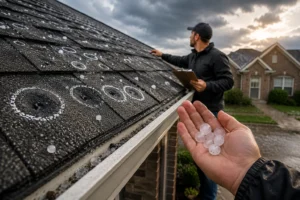
- Severe storms or hurricanes
- Roof destruction
- Water damage or flooding
- Tornado damage
- Large structural losses
- Business interruption claims
Large claims often involve hidden issues. Structural framing. Electrical damage. Mold. Smoke contamination. Even experienced homeowners may not recognize every element that should be included in the claim.
And that’s exactly where public adjusters step in.
The Step-by-Step Process: How Do Public Adjusters Work?
Understanding the process makes everything clearer. The question how do public adjusters work can be answered by walking through the stages of a typical claim.
Step 1: Initial Consultation and Policy Review
The process begins with a conversation.
A public adjuster first reviews the insurance policy to understand what coverage exists. Policies can contain dozens of provisions, exclusions, and limits. Without interpreting those details correctly, homeowners may overlook benefits they’re entitled to.
During this stage the adjuster will:
- Examine the homeowner’s insurance policy
- Identify covered damage types
- Review coverage limits
- Explain the claims process
- Determine whether professional representation is beneficial
Many homeowners discover coverage they didn’t even realize they had.
For example, policies often include benefits for temporary housing, debris removal, or code upgrades. A careful review ensures nothing is missed.
Step 2: Property Inspection and Damage Documentation
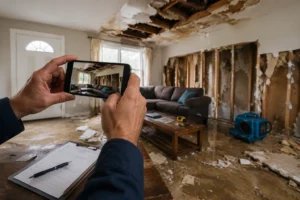
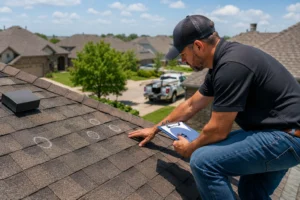
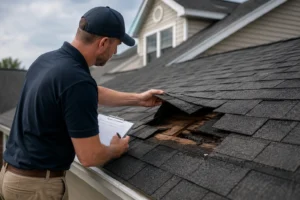
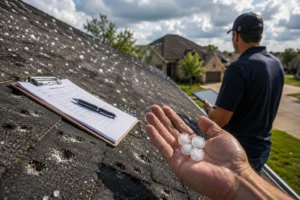
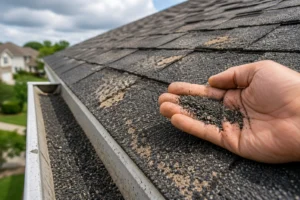
Once the claim moves forward, the adjuster performs a thorough inspection of the property.
This step is far more detailed than most people expect.
The adjuster documents the loss through:
- Photographs
- Structural assessments
- Moisture readings
- Damage reports
- Contractor consultations
Every damaged component must be identified. Floors. Cabinets. Electrical wiring. HVAC systems. Roofing layers. Insulation.
A single overlooked item could mean thousands of dollars lost in the claim settlement.
When homeowners ask how do public adjusters work, this inspection stage is where their expertise becomes obvious.
Step 3: Preparing the Claim
Now comes the paperwork. And it’s extensive.
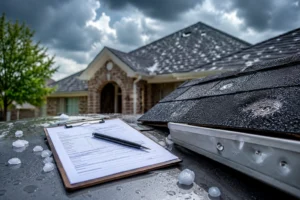
Public adjusters compile a complete claim package that typically includes:
- Damage estimates
- Repair cost breakdowns
- Photographic documentation
- Personal property inventory lists
- Contractor reports
- Policy references
The goal is simple: present a clear and comprehensive case to the insurance company.
Many claims stall because documentation is incomplete. Adjusters make sure the submission is organized and supported by evidence.
Here is an example of common claim documentation:
| Claim Component | Description |
| Structural estimate | Cost to repair or rebuild damaged areas |
| Contents inventory | Personal belongings affected by damage |
| Photographic evidence | Visual documentation of loss |
| Contractor reports | Professional repair assessments |
| Policy analysis | Explanation of coverage applicability |
Preparation matters. Strong documentation often leads to smoother negotiations later.
Step 4: Negotiating With the Insurance Company
Negotiation is where public adjusters spend a significant portion of their time.
Insurance companies rely on their own estimates to determine settlement amounts. Public adjusters review those estimates carefully and challenge discrepancies when necessary.
Negotiation activities include:
- Reviewing insurer inspection reports
- Comparing repair estimates
- Providing supporting documentation
- Requesting claim reconsideration
- Meeting with insurance adjusters onsite
Sometimes negotiations involve multiple inspections and revisions.
The process can take patience. But a skilled adjuster understands how insurers evaluate claims and presents information accordingly.
That is a big part of how do public adjusters work in real-world situations.
Step 5: Settlement and Claim Resolution
Eventually the claim reaches a settlement stage.
When negotiations conclude, the insurance company issues payment based on the agreed damage estimate and policy terms.
Public adjusters assist homeowners by:
- Reviewing settlement documents
- Explaining payment structure
- Ensuring coverage limits are correctly applied
- Confirming final claim closure
Some policies release funds in stages as repairs are completed. Adjusters help guide homeowners through that process as well.
What Public Adjusters Actually Do Behind the Scenes
Most homeowners only see a small part of the adjuster’s work.
Behind the scenes, professionals handle tasks such as:
- Analyzing policy language
- Reviewing construction pricing databases
- Communicating with insurers
- Scheduling inspections
- Preparing damage estimates
- Coordinating expert consultations
- Tracking claim deadlines
Claims involve far more administrative work than people expect. Adjusters essentially manage the entire claim project from start to finish.
That ongoing involvement explains why many homeowners researching how do public adjusters work decide to hire one during major property losses.
How Public Adjusters Are Paid
Public adjusters usually operate on a contingency basis.
That means they receive a percentage of the insurance settlement, rather than charging hourly fees upfront.
Typical fee structures range from:
- 5% to 15% of the claim payout
The exact percentage can vary depending on state regulations and claim complexity.
Key advantages of contingency fees include:
- No upfront cost for homeowners
- Payment only occurs if the claim is paid
- Incentive for adjusters to maximize settlements
Some states also regulate the maximum percentage public adjusters can charge.
Benefits of Hiring a Public Adjuster
Many homeowners first research how do public adjusters work because the insurance claims process feels overwhelming.
Professional representation can offer several advantages.
Major Benefits
- Expert interpretation of insurance policies
- Detailed claim preparation
- Stronger documentation
- Negotiation support
- Reduced stress during recovery
Large property losses involve dozens of decisions. Having a professional manage the claim allows homeowners to focus on rebuilding their lives.
And in many cases, settlements improve when claims are properly documented and negotiated.
Potential Drawbacks to Consider
Public adjusters are helpful in many situations, but they aren’t necessary for every claim.
Some factors homeowners should evaluate include:
- Adjuster fees reduce final payout slightly
- Small claims may not require professional help
- Choosing an inexperienced adjuster can cause delays
Like any professional service, quality varies. Proper research is essential.
How to Choose the Right Public Adjuster
Hiring the right professional makes a big difference.
When evaluating adjusters, homeowners should consider the following:
Important Questions to Ask
- Are you licensed in my state?
- How many claims like mine have you handled?
- What is your fee percentage?
- Can you provide references?
- How often will you update me on the claim?
A reputable adjuster will answer these questions clearly and provide documentation.
Public Adjusters vs Insurance Company Adjusters

The difference between these professionals often surprises homeowners.
Here is a simple comparison:
| Feature | Public Adjuster | Insurance Company Adjuster |
| Representation | Policyholder | Insurance company |
| Payment structure | Percentage of settlement | Salary |
| Claim preparation | Extensive | Limited |
| Negotiation focus | Maximize payout | Control costs |
Understanding this distinction helps clarify how do public adjusters work and why they exist in the insurance system.
A Real-World Example
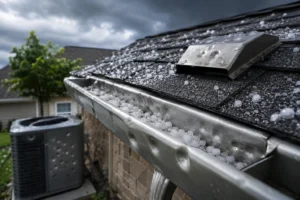
Imagine a homeowner experiences storm damage that affects the roof, attic insulation, and interior ceilings.
The insurance company’s first estimate might focus mainly on roof replacement.
A public adjuster, however, might identify:
- Water damage behind drywall
- Mold risk
- Electrical damage
- HVAC contamination
By documenting these additional losses, the total claim value can change significantly.
This type of scenario explains why homeowners frequently search how do public adjusters work after receiving an unexpectedly low insurance estimate.
Common Misconceptions About Public Adjusters
Several myths circulate around the industry.
Let’s clear up a few.
Myth: Public adjusters are only useful for massive claims.
Reality: Many moderate claims benefit from professional documentation.
Myth: Hiring one slows down the process.
Reality: Organized documentation often speeds negotiations.
Myth: Insurance companies discourage them because they are unnecessary.
Reality: They simply represent the policyholder’s side of the claim.
When You May Not Need a Public Adjuster
There are situations where hiring one may not be necessary.
Examples include:
- Minor property damage
- Small claims under a few thousand dollars
- Simple losses with clear coverage
- Claims already resolved fairly
In these cases, homeowners may manage the claim themselves.
Still, when damages grow complex, understanding how do public adjusters work becomes extremely valuable.
Final Thoughts
Property damage creates stress. There is no way around it. The claims process can feel technical, slow, and frustrating.
That is why so many homeowners eventually ask the question: how do public adjusters work?
The answer is straightforward. Public adjusters act as advocates for policyholders. They analyze policies, document damage, prepare claims, negotiate settlements, and guide homeowners through the insurance process.
For large or complicated claims, that professional support can make a meaningful difference.
And when your home or business is on the line, having someone experienced in your corner can provide something just as valuable as the settlement itself—confidence in the process.
FAQs
A public adjuster evaluates property damage, prepares claim documentation, and negotiates with the insurance company to help policyholders receive a fair settlement.
Public adjusters communicate directly with the insurer, review the company’s estimates, and present evidence to support higher or more accurate claim payouts.
Homeowners typically hire a public adjuster after significant property damage, complex claims, or when an insurance settlement appears too low.
Most public adjusters work on a contingency fee, meaning they receive a percentage of the insurance settlement only after the claim is successfully paid.
Yes, public adjusters must be licensed in most states and must follow state regulations governing insurance claims and consumer protection.
While results vary, public adjusters often help maximize settlements by thoroughly documenting damages and negotiating with insurers.
Yes, public adjusters can review denied claims, reassess the damage, and present additional evidence that may help reopen or reconsider the claim.
The timeline varies depending on the complexity of the damage and the insurer’s response, but public adjusters often help organize the process and avoid unnecessary delays.
No, smaller or straightforward claims may not require professional representation, but larger or disputed claims often benefit from expert assistance.
Homeowners should verify licensing, check experience with similar claims, review references, and clearly understand the adjuster’s fee structure before signing a contract.