

After property damage, most homeowners immediately start dealing with insurance paperwork, contractor estimates, and endless phone calls. It can feel overwhelming fast. Somewhere in that chaos, a common question appears: when is it too late to hire a public adjuster?
Many people assume they needed to hire one immediately after the damage happened. Others believe once a claim is filed, it’s already too late. Both ideas are partially true, but not entirely. In reality, policyholders often bring in a public adjuster well into the claim process — sometimes even after a claim denial.
Timing still matters though. A lot.
Understanding when is it too late to hire a public adjuster can make the difference between recovering the full value of your claim and leaving thousands of dollars unclaimed. Let’s break down exactly how the timing works and when it still makes sense to bring in professional help.
What a Public Adjuster Actually Does
Before discussing deadlines, it helps to understand what public adjusters actually do. Their role is often misunderstood.
A public adjuster works for the policyholder. Not the insurance company.
That distinction matters more than most people realize.
Representing the Policyholder
Insurance companies send their own adjusters to inspect damage. Those professionals represent the insurer’s interests.
Public adjusters represent you.
Their job is to evaluate the damage, prepare the claim documentation, and negotiate directly with the insurance company on your behalf.
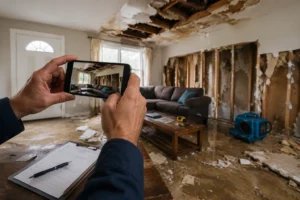
Evaluating Property Damage
Damage is rarely as simple as it looks at first glance.
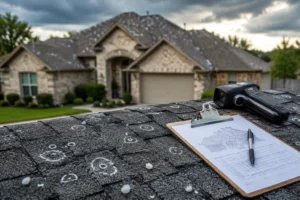
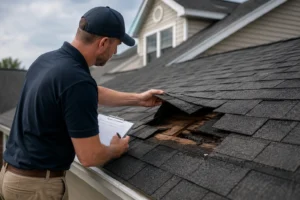
A roof leak might involve structural decking damage.
Water intrusion could lead to hidden mold.
Fire damage often includes smoke contamination throughout the home.
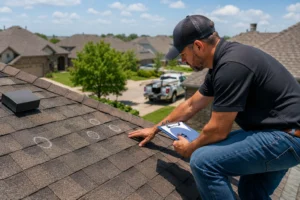
Public adjusters perform detailed inspections that go beyond the initial visible damage.
Preparing and Negotiating Insurance Claims
Claims require evidence. A lot of it.
A public adjuster helps prepare:
- Detailed damage estimates
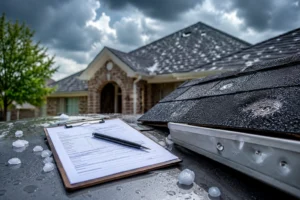
- Photo documentation
- Inventory of lost items
- Repair and replacement calculations
- Supporting claim reports
They then negotiate with the insurance carrier using that documentation.
Maximizing Claim Settlements
Insurance claims often leave out certain types of damage. Sometimes unintentionally. Sometimes because the insurer simply disagrees.
A public adjuster works to ensure all covered damages are included in the settlement.
And that’s where timing becomes critical.
Why Timing Matters in Insurance Claims
Insurance claims follow strict processes. Missing key moments in that process can weaken a claim.
This is one reason homeowners frequently ask when is it too late to hire a public adjuster.
Let’s look at the factors that influence timing.
Insurance Claim Deadlines
Insurance policies include specific time requirements.
These may include:
- Reporting damage within a reasonable time
- Filing proof of loss documentation
- Completing inspections
- Filing lawsuits if disputes occur
If these deadlines pass, resolving a claim becomes much harder.
Evidence and Documentation
Damage changes over time.
Water dries.
Debris gets removed.
Repairs begin.
The longer the delay, the harder it becomes to prove the full extent of damage.
Communication With the Insurance Company
Early statements to insurers can shape the entire claim.
Small details in early conversations may later affect settlement negotiations.
Preventing Claim Mistakes
Homeowners commonly make early mistakes like:
- Accepting a quick settlement
- Overlooking hidden damage
- Submitting incomplete documentation
A public adjuster can help prevent those issues — but only if they get involved early enough.
The Ideal Time to Hire a Public Adjuster

So when should a homeowner bring in a professional?
The best time is often sooner than people expect.
Immediately After Property Damage
Many policyholders hire a public adjuster right after events like:
- Hurricanes
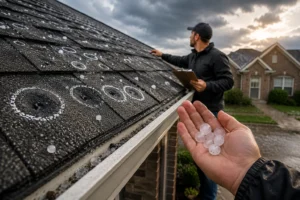
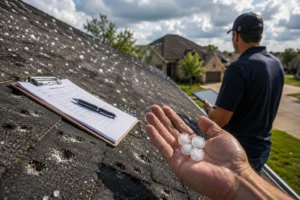
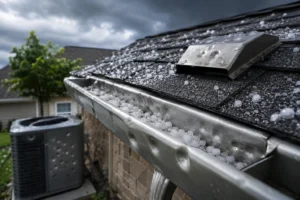
- Hail storms
- Fire damage
- Roof collapses
- Water leaks
Early involvement allows for complete inspections before repairs begin.
Before Submitting the Claim
Some homeowners contact a public adjuster before the claim is officially filed.
This approach allows professionals to:
- Document damage properly
- Prepare a strong claim file
- Avoid early reporting mistakes
After Filing But Before Settlement
Even if a claim is already underway, a public adjuster can step in.
They can review the damage estimates and negotiate with the insurer before any settlement agreement is signed.
That means even mid-claim involvement can still make a difference.
Situations Where Homeowners Hire Public Adjusters Late
Many people don’t hire help immediately. That’s normal.
In fact, public adjusters frequently get calls weeks or months after a claim begins.
Here are the most common scenarios.
After Receiving a Low Settlement Offer
This is extremely common.
The insurer sends an estimate.
The homeowner compares it to contractor bids.
Suddenly there’s a large gap between the two numbers.
That’s when homeowners start searching for answers and asking when is it too late to hire a public adjuster.
When the Claim Is Delayed
Insurance claims sometimes stall.
Requests for additional inspections appear.
Phone calls go unanswered.
Weeks pass.
A public adjuster can help push the process forward.
When Damage Is Disputed
Insurance companies occasionally disagree with the policyholder about what caused the damage.
For example:
- Was the roof damaged by wind or wear?
- Was the pipe leak sudden or gradual?
- Did flooding cause the structural damage?
Public adjusters help gather evidence to support the claim.
When Additional Damage Appears
Sometimes damage isn’t fully visible right away.
Contractors may uncover structural problems during repairs. That’s when a supplemental claim may be necessary.
Public adjusters assist with documenting those additional damages.
When It Might Actually Be Too Late
Now we reach the key question again: when is it too late to hire a public adjuster?
There are situations where options become limited.
After Signing a Final Settlement Release
When a policyholder signs a full settlement release, the claim is usually closed permanently.
That means the insurance company considers the claim resolved.
Once that document is signed, reopening the claim can be extremely difficult.
When the Statute of Limitations Has Expired
Insurance disputes have legal deadlines.
In Texas, lawsuits involving insurance claims must typically be filed within certain timeframes depending on the claim type.
Once those deadlines pass, recovery options shrink significantly.
After Repairs Are Completed Without Documentation
Repairs sometimes happen quickly after damage.
That’s understandable.
However, if repairs are completed without detailed documentation, proving the original damage becomes much harder.
When the Claim Was Never Reported
If damage was never reported to the insurance company and too much time has passed, the insurer may reject the claim entirely.
That scenario can also limit the role of a public adjuster.
Can You Hire a Public Adjuster After a Claim Is Denied?
Yes. Absolutely.
A claim denial does not always mean the end of the process.
In fact, many homeowners contact professionals precisely at this point.
Reassessing the Damage
Public adjusters can perform a fresh inspection to determine whether the denial was justified.
Sometimes the insurer simply overlooked certain types of damage.
Reopening or Supplementing Claims
Additional evidence may allow a claim to be reopened or supplemented.
This might involve:
- Contractor reports
- Structural engineering evaluations
- Moisture inspections
- Detailed cost estimates
Supporting Appeals
Public adjusters also assist with formal claim appeals.
They organize documentation and present evidence during negotiations with the insurance carrier.
So if you’re wondering when is it too late to hire a public adjuster, remember that even denied claims can sometimes benefit from professional help.
Texas Rules for Public Adjusters
Public adjusters operating in Texas must follow strict regulations.
These rules exist to protect property owners.
Licensing Requirements
Public adjusters must hold a license issued by the Texas Department of Insurance.
Licensing ensures professionals meet training and ethical requirements.
Contract Regulations
Texas law requires written contracts between public adjusters and clients.
These agreements must clearly explain:
- Services provided
- Fee structure
- Cancellation rights
Fee Limits
Public adjusters typically charge a percentage of the claim settlement.
Texas regulations help ensure these fees remain reasonable.
Consumer Protections
Policyholders also have rights including contract cancellation periods after signing.
These rules help ensure homeowners make informed decisions.
Signs You Should Hire a Public Adjuster Immediately
Some situations strongly suggest professional help may be beneficial.
Here are a few examples.
Major Property Damage
Large losses often involve complicated claims.
Think:
- Fire damage
- Storm destruction
- Commercial building damage
Complex Insurance Policies
Some policies contain multiple coverage sections and exclusions.
Understanding them takes experience.
Delays or Disputes
If the claim process becomes difficult, bringing in professional representation can help restore momentum.
Low Settlement Offers
If the insurer’s estimate is dramatically lower than contractor bids, the claim may need professional review.
Benefits of Hiring a Public Adjuster Early
Early involvement often leads to stronger claims.
More Accurate Damage Estimates
Professionals know where to look for hidden damage.
That leads to more complete repair estimates.
Better Documentation
Claims supported by clear documentation are harder to dispute.
Less Stress for Property Owners
Insurance claims can consume time and energy.
Public adjusters handle much of the communication and negotiation.
Stronger Negotiation Position
Well-prepared claims tend to receive more serious attention from insurance carriers.
Quick Timeline: When Hiring Help Makes the Most Sense

Here’s a simplified view of how timing affects your options.
| Claim Stage | Can You Hire a Public Adjuster? | Notes |
| Immediately after damage | Yes | Ideal time for documentation |
| Claim filed but under review | Yes | Adjuster can assist with negotiations |
| Low settlement offer received | Yes | Adjuster can challenge estimates |
| Claim denied | Often | Possible appeal or supplemental claim |
| Final settlement signed | Usually no | Claim typically closed |
This table illustrates why homeowners frequently ask when is it too late to hire a public adjuster. The answer depends heavily on where the claim stands.
Common Misconceptions About Public Adjusters
Several myths surround the profession.
Let’s clear up a few.
“It’s Too Late Once a Claim Is Filed”
Not true.
Many policyholders hire public adjusters during the middle of the claim process.
“Only Large Claims Need Public Adjusters”
While large losses often involve adjusters, smaller claims can also benefit from professional documentation.
“Insurance Companies Always Offer Fair Settlements”
Insurance companies aim to pay valid claims. But differences in damage estimates happen frequently.
“Hiring Help Will Slow the Claim”
In many cases, proper documentation can actually speed up negotiations.
How to Choose the Right Public Adjuster in Texas
If you decide to hire one, choose carefully.
Here are a few steps.
Verify Licensing
Always confirm the adjuster holds a valid Texas license.
Review Experience
Ask about past claims similar to yours.
Understand the Fee Structure
Public adjusters usually work on contingency. That means they earn a percentage of the claim settlement.
Read the Contract Carefully
Understand all terms before signing.
Transparency matters.
What If You Think You Waited Too Long?
Even if you feel late in the process, don’t assume the door is closed.
Many homeowners ask when is it too late to hire a public adjuster only after receiving a disappointing claim outcome.
Start with a claim review.
A qualified professional can:
- Review your insurance policy
- Evaluate claim documentation
- Determine whether additional damage may still be claimed
- Identify potential next steps
Sometimes the opportunity is still there.
Final Thoughts
So let’s return to the central question: when is it too late to hire a public adjuster?
The answer depends on the stage of your claim.
Hiring help early is almost always beneficial. It allows for better documentation, stronger negotiations, and fewer costly mistakes. But even if a claim is already underway — or even denied — it may still be possible to bring in professional assistance.
The real cutoff often occurs when a final settlement agreement has been signed or legal deadlines have passed.
Until then, there may still be options.
If your property has suffered damage and the claim process feels confusing, stressful, or unfair, it may be worth speaking with a licensed public adjuster. The sooner you get clarity, the better positioned you are to recover the full value of your claim.
FAQs
It is usually too late once you sign a final settlement release with the insurance company. After that, the claim is typically considered closed.
Yes. Many homeowners hire a public adjuster after the claim has already been filed but before the settlement is finalized.
In many cases, yes. A public adjuster can review the denial, reassess the damage, and help gather evidence to support an appeal or supplemental claim.
Hiring one before filing can help ensure the damage is documented properly and the claim is prepared accurately from the start.
Sometimes, but it depends on the circumstances. If the claim has been fully settled and a release was signed, reopening it may be very difficult.
You can hire one anytime during the claims process as long as the claim is still active and legal deadlines have not passed.
Yes. Many public adjusters specialize in reviewing claims that were denied or paid lower than expected.
It can make the claim harder to document, but if photos, reports, or invoices exist, a public adjuster may still be able to assist.
Most public adjusters work on a contingency fee, meaning they receive a percentage of the claim settlement rather than charging upfront.
It depends on the situation. If the claim is complex, disputed, or undervalued, a public adjuster may still provide helpful guidance.