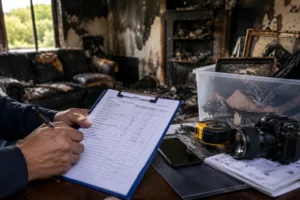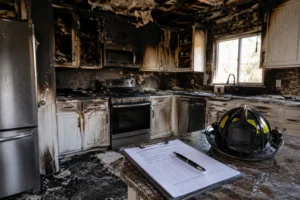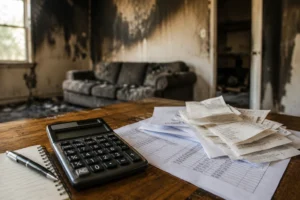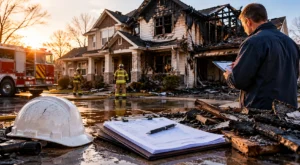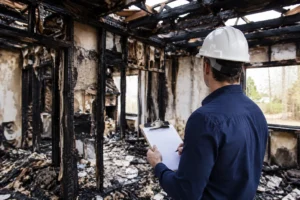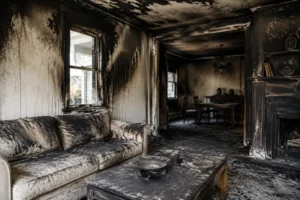

A fire can destroy years of accumulated belongings in a matter of minutes. Therefore, one of the most important tasks after the disaster is creating a detailed inventory of everything that was damaged or lost. A well-prepared Fire Damage Inventory List Guide helps support your insurance claim, documents your losses, and reduces the risk of leaving valuable items off your claim. Fortunately, the inventory process becomes much easier when approached systematically. In this guide, you’ll learn how to create a complete inventory, document losses effectively, and strengthen your position during the insurance claim process.
What Is a Fire Damage Inventory List?
A fire damage inventory list is a detailed record of personal property that was damaged, destroyed, or affected by fire, smoke, heat, or water used during firefighting efforts. Simply put, it serves as evidence of what you owned before the loss and what needs to be repaired or replaced afterward. Insurance companies require documentation. However, they rarely know exactly what was inside your home before the fire occurred. As a result, the burden often falls on the policyholder to identify and document damaged property. A complete inventory may include:
- Item descriptions
- Brand names
- Model numbers
- Purchase dates
- Original costs
- Replacement costs
- Photographs
- Damage descriptions
The more detailed your inventory becomes, the easier it is to support the value of your claim.
Understanding the Purpose
Insurance policies typically provide coverage for personal property losses. However, coverage does not automatically translate into payment. Instead, the insurance company must first determine:
- What was damaged
- Whether the item was covered
- The value of the item
- The cost to replace it
Therefore, a detailed inventory acts as the foundation of the personal property portion of your claim. Without proper documentation, disputes can arise regarding ownership, quantity, or value.
Why Fire Victims Often Struggle With Inventories
At first glance, creating an inventory seems straightforward. However, after experiencing a fire, many homeowners find the process surprisingly difficult. Emotions run high. Stress levels increase. Meanwhile, important details become harder to recall. For example, most people remember large-ticket items such as televisions, furniture, and appliances. However, they frequently forget smaller belongings such as:
- Kitchen utensils
- Bedding
- Decorative items
- Tools
- Office supplies
- Children’s toys
- Electronics accessories
Although each item may appear insignificant individually, their combined value can add up quickly. In fact, many homeowners underestimate personal property losses by thousands of dollars simply because they overlook everyday items.
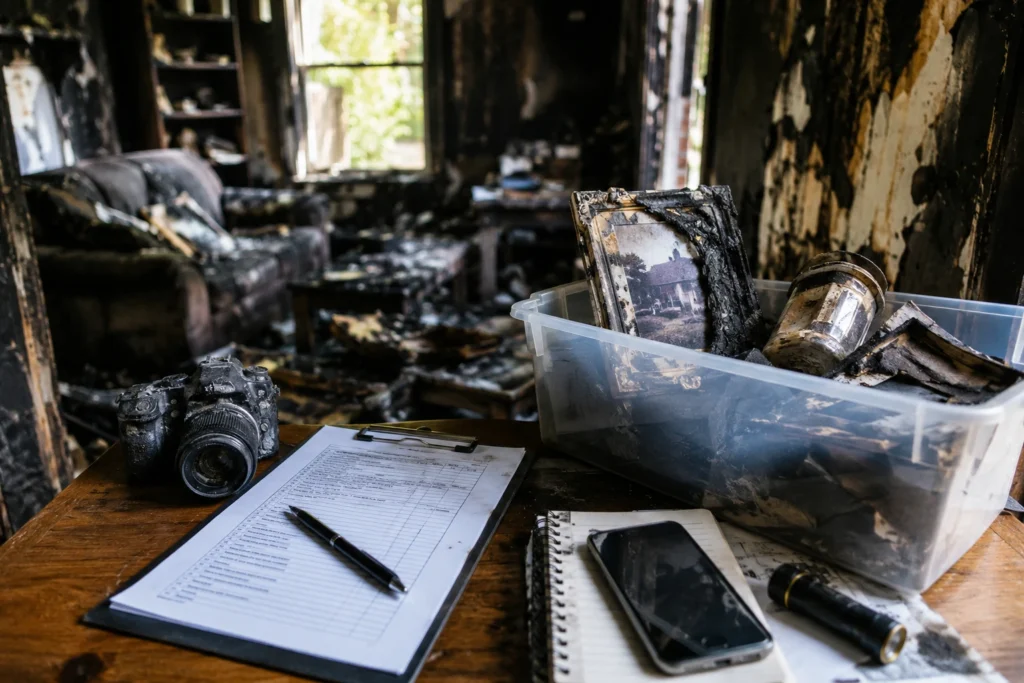
Why a Fire Damage Inventory Is Critical for Your Insurance Claim
The quality of your inventory can directly impact your insurance settlement. Consequently, investing time into documentation often pays significant dividends later. Insurance adjusters rely heavily on supporting documentation when evaluating personal property claims. Therefore, vague descriptions and incomplete inventories may create unnecessary challenges.
Supporting Your Proof of Loss
Most insurance policies require policyholders to submit proof of loss documentation. A comprehensive inventory helps establish:
- Ownership
- Quantity
- Age
- Condition
- Estimated replacement value
As a result, the insurance company can more accurately evaluate the claim. The stronger the evidence, the stronger the claim becomes.
Preventing Undervalued Settlements
One of the most common mistakes homeowners make is providing generic descriptions. Consider these examples:
Weak Description:
- Television
Strong Description:
- Samsung 65-inch QLED Smart Television purchased in 2022
The second description provides far more useful information. Likewise, specific details often result in more accurate replacement cost evaluations. When this level of detail is applied across hundreds of items, the difference in claim value can become substantial.
Strengthening Negotiations
Not every fire claim proceeds smoothly. Sometimes questions arise regarding ownership, value, or the extent of damage. In these situations, documentation becomes your strongest asset. Rather than relying on memory alone, homeowners can point to:
- Photos
- Videos
- Receipts
- Bank records
- Credit card statements
- Product registrations
Therefore, a well-organized inventory often creates a stronger position during claim discussions.
When Should You Start Creating a Fire Damage Inventory List?
Timing matters. The sooner documentation begins, the easier it becomes to preserve important evidence.
Immediately After the Loss
As soon as conditions are safe, begin recording information. Memories fade quickly. Therefore, documenting losses early helps preserve details that may otherwise be forgotten. Even rough notes can become valuable later. Create a running list of damaged belongings while the events remain fresh in your mind.
Before Debris Removal Begins
Cleanup is an important step. However, removing debris too quickly can eliminate critical evidence. Before damaged materials are discarded:
- Photograph rooms
- Photograph belongings
- Record videos
- Identify major losses
- Capture close-up images
Consequently, you create a visual record that may help support your claim later.
During the Insurance Investigation
The inventory process rarely ends after the first inspection. In many cases, additional losses become apparent as cleanup progresses. For example:
- Smoke contamination may spread farther than initially believed.
- Hidden heat damage may emerge.
- Water damage from firefighting efforts may worsen over time.
Therefore, continue updating your inventory throughout the claim process.
Information Every Fire Damage Inventory Should Include
A successful Fire Damage Inventory List Guide focuses on details. The more information provided, the more valuable the inventory becomes.
Basic Item Details
Whenever possible, document:
- Item description
- Brand name
- Model number
- Serial number
- Size
- Color
Specificity reduces uncertainty. As a result, replacement values are often easier to establish.
Purchase Information
Include:
- Purchase date
- Original purchase price
- Retailer name
- Warranty information
Even if exact dates are unavailable, approximate dates can still provide useful context.
Damage Information
Describe how each item was affected. Examples include:
- Burned
- Melted
- Smoke damaged
- Heat damaged
- Water damaged
Importantly, not all losses involve direct fire exposure. Many items become unusable solely because of smoke contamination.
Replacement Cost Information
Whenever possible, research comparable replacement items. Current pricing helps establish replacement cost value more accurately. After all, insurance claims are generally based on today’s replacement costs rather than historical purchase prices.
Room-by-Room Fire Damage Inventory Checklist
One of the easiest ways to build an inventory is by moving through the property room by room. This approach reduces the likelihood of forgetting important belongings.
Living Room
Common items include:
- Sofas
- Chairs
- Coffee tables
- End tables
- Televisions
- Speakers
- Lamps
- Artwork
- Decorations
Additionally, don’t overlook smaller items such as books, remote controls, and gaming accessories.
Kitchen
Kitchens often contain hundreds of individual items. Document:
- Refrigerators
- Microwaves
- Coffee makers
- Air fryers
- Pots and pans
- Plates
- Glassware
- Small appliances
- Food inventory
Furthermore, food losses can become surprisingly expensive after a major fire.
Bedrooms
Bedrooms frequently contain high-value personal property. Include:
- Beds
- Mattresses
- Dressers
- Nightstands
- Clothing
- Shoes
- Jewelry
- Watches
- Electronics
Likewise, closet contents should be documented carefully because clothing losses are commonly underestimated.
Bathrooms
Bathrooms contain many easily forgotten items. Examples include:
- Towels
- Linens
- Hair dryers
- Electric razors
- Cosmetics
- Toiletries
- Storage organizers
Although these items appear minor individually, they often represent significant cumulative value.
Garage and Storage Areas
Garages frequently contain substantial property value. Document:
- Power tools
- Hand tools
- Lawn equipment
- Storage shelving
- Holiday decorations
- Sporting equipment
- Automotive supplies
In many claims, tool collections alone can represent thousands of dollars in losses.
Home Office
Finally, home offices deserve special attention. Include:
- Computers
- Monitors
- Printers
- Office furniture
- Networking equipment
- Software
- Business-related property
As remote work continues to grow, these items often represent an increasingly valuable portion of household contents.
How to Document Fire-Damaged Property Properly
Once you understand what should be included in your inventory, the next step is gathering evidence. Fortunately, documenting fire losses does not require specialized equipment. However, it does require consistency and attention to detail. The goal is simple: create a clear record of what was damaged and what it will cost to replace.
Take Extensive Photographs
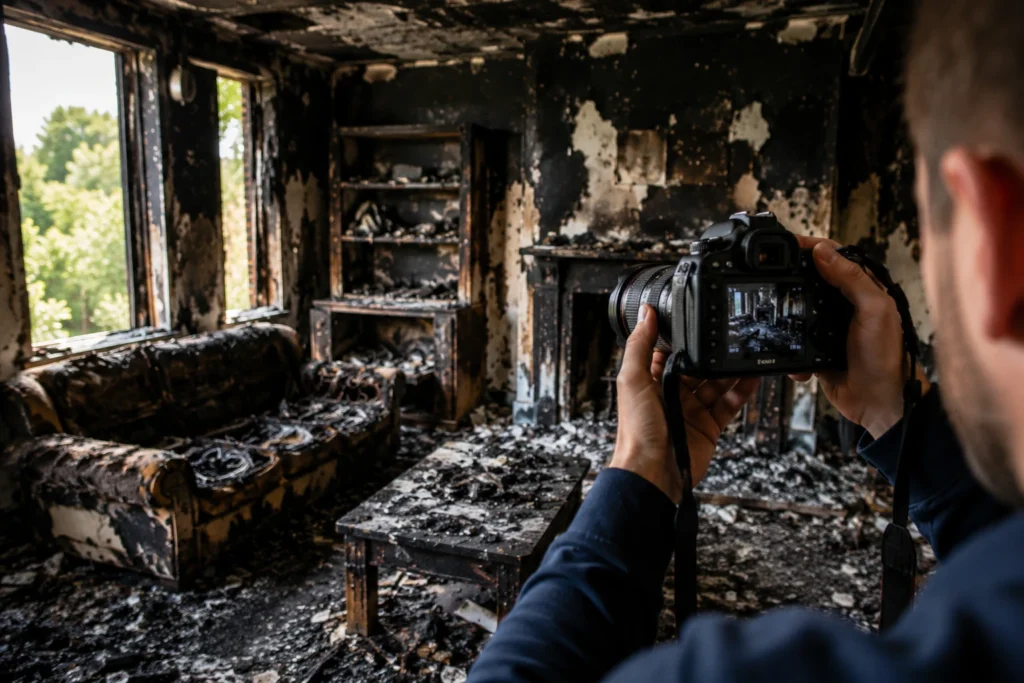
Photos often become some of the strongest evidence in a fire claim. Therefore, take far more pictures than you think you’ll need. Focus on:
- Entire rooms
- Damaged furniture
- Electronics
- Appliances
- Clothing
- Structural damage
- Smoke residue
Additionally, capture photos from multiple angles whenever possible.
Use Video Documentation
Videos provide context that still photos sometimes miss. For example, a walkthrough video can show the overall condition of the property while also highlighting individual losses. As you record, narrate what you’re seeing. Mention:
- Room names
- Damaged items
- Estimated age of belongings
- Visible smoke or heat damage
Consequently, you create a valuable record that can be reviewed later.
Gather Supporting Evidence
Insurance companies appreciate documentation. Therefore, gather every available record that supports ownership. Examples include:
- Receipts
- Credit card statements
- Bank records
- Warranty documents
- Product registrations
- Owner manuals
Even partial records can strengthen a claim.
Search Digital Sources
Many homeowners forget how much purchase history exists online. Fortunately, digital records can help reconstruct lost inventories. Check:
- Amazon purchase history
- Retailer accounts
- Email receipts
- Online banking records
- Subscription services
As a result, you may discover dozens of items you initially overlooked.
Commonly Forgotten Items That Add Up Quickly
Large items usually get attention first. However, smaller belongings often represent a surprisingly large portion of the loss. This is where many inventories fall short.
Clothing and Footwear
Most people underestimate the value of their wardrobes. A closet containing:
- Dress shoes
- Work boots
- Jackets
- Business attire
- Casual clothing
Can easily represent thousands of dollars. Therefore, document every category carefully.
Kitchen Contents
Homeowners often remember appliances. However, they forget:
- Silverware
- Cooking utensils
- Baking supplies
- Storage containers
- Specialty cookware
Collectively, these items can become expensive to replace.
Linens and Bedding
Bedding is another frequently overlooked category. Include:
- Sheets
- Pillows
- Blankets
- Comforters
- Mattress protectors
Likewise, don’t forget guest room linens.
Tools and Hardware
Garages often contain years of accumulated tools. For example:
- Power drills
- Air compressors
- Tool chests
- Socket sets
- Lawn equipment
These losses can add up quickly.
Children’s Items
Children’s belongings are commonly underestimated. Document:
- Toys
- Gaming systems
- Sports equipment
- Books
- School supplies
Furthermore, many of these items require replacement immediately.
Collectibles and Hobby Equipment
Hobbies often involve significant investments. Examples include:
- Musical instruments
- Photography equipment
- Fishing gear
- Artwork
- Collectibles
Therefore, spend extra time documenting these categories.
Electronics Accessories
Small electronics are easy to miss. Include:
- Chargers
- Headphones
- Speakers
- Smart home devices
- Cables
Although each item may seem minor, together they can represent substantial value.
Seasonal Decorations
Holiday decorations frequently disappear from inventories. However, replacing years of accumulated decorations can be expensive. Consequently, document storage areas carefully.
Why Small Items Matter
Many homeowners remember possessions by broad categories rather than individual items. This mental shortcut is somewhat similar to a concept known as synecdoche, where a part represents a larger whole. Learn more here: However, insurance claims are built on individual items, not categories. The more detailed the inventory becomes, the more complete the claim often becomes.
Fire Damage Inventory Example Table
Organized inventories are easier to review. Therefore, many homeowners choose to use spreadsheets. Here is a simple example:
| Item | Brand | Purchase Year | Original Cost | Replacement Cost | Damage Type |
|---|---|---|---|---|---|
| Television | Samsung | 2022 | $1,200 | $1,500 | Smoke Damage |
| Sofa | Ashley | 2021 | $1,000 | $1,300 | Fire Damage |
| Laptop | Dell | 2023 | $900 | $1,100 | Water Damage |
| Refrigerator | Whirlpool | 2020 | $1,800 | $2,100 | Smoke Damage |
This format helps organize information and reduces confusion during claim reviews.
Challenges Homeowners Face When Completing Fire Inventories
Even with a good system, inventories can be difficult. After all, major fires may affect hundreds or even thousands of items.
Large Loss Claims
The larger the loss, the larger the inventory. Consequently, homeowners often feel overwhelmed. Breaking the project into rooms usually makes the process more manageable.
Total Loss Situations
In total-loss fires, everything may be damaged. Therefore, reconstructing ownership becomes much more challenging. Digital records often become extremely important in these situations.
Missing Receipts
Many people worry about missing receipts. Fortunately, receipts are not the only form of proof. Photos, videos, bank statements, and online purchase histories may also support ownership.
High-Value Personal Property
Items such as:
- Jewelry
- Artwork
- Collectibles
- Antiques
often require additional documentation. Therefore, gather appraisals whenever possible.
Smoke-Damaged Contents
Not every item must be burned to be considered damaged. Smoke contamination alone may render some belongings unusable. As a result, smoke damage inventories often become larger than homeowners initially expect.
How Public Adjusters Help With Fire Damage Inventories
Fire inventories can become extremely time-consuming. Therefore, many homeowners seek professional assistance. Public adjusters work on behalf of policyholders rather than insurance companies.
Organizing Property Documentation
Public adjusters help organize:
- Photos
- Receipts
- Inventories
- Supporting records
Consequently, claims often become easier to present.
Identifying Overlooked Items
Experienced public adjusters understand what is commonly forgotten. As a result, they may identify losses that homeowners accidentally miss.
Valuation Assistance
Determining replacement cost values can be difficult. Therefore, public adjusters often assist with pricing research and documentation.
Negotiating With the Insurance Company
Documentation alone is important. However, presenting that documentation effectively is equally important. Public adjusters help communicate and negotiate claim details on behalf of policyholders.
Mistakes to Avoid When Creating a Fire Damage Inventory List
Avoiding mistakes can significantly improve claim outcomes.
Estimating Without Research
Don’t guess. Instead, research replacement costs carefully.
Leaving Out Small Items
Small items matter. In fact, many overlooked household belongings are considered ephemera everyday objects not intended to last but still valuable.
Accepting Low Replacement Values
Verify pricing independently. Otherwise, you may unintentionally undervalue your losses.
Failing to Update the Inventory
Inventories evolve. Therefore, update them whenever additional losses are discovered.
Throwing Away Damaged Property Too Soon
Whenever possible, wait until the insurance company authorizes disposal. Otherwise, valuable evidence may be lost.
Rushing Through Documentation
Finally, avoid rushing. A careful inventory today can prevent claim disputes later.
Fire Damage Inventory Tips for Faster Claim Resolution
A few best practices can make the process smoother.
Stay Organized
Create folders for:
- Photos
- Receipts
- Correspondence
- Estimates
Create Digital Backups
Store copies in multiple locations. Consequently, records remain available even if devices are damaged.
Use Spreadsheets
Spreadsheets improve organization and simplify updates.
Save Every Piece of Evidence
More documentation is usually better than less.
Review the Inventory Multiple Times
Most homeowners remember additional items during later reviews. Therefore, revisit the inventory several times before submission.
Final Thoughts
A detailed Fire Damage Inventory List Guide can play a major role in the success of an insurance claim. Although the process requires time and effort, thorough documentation often leads to stronger support for your losses. More importantly, inventories help ensure that damaged property is not forgotten or undervalued. Therefore, start documenting as early as possible, stay organized throughout the process, and continue updating the inventory as new information becomes available. When large losses or complex claims are involved, professional assistance may also provide valuable support. Ultimately, the more complete your inventory becomes, the stronger your claim is likely to be.
FAQs
Your inventory should include descriptions, brands, model numbers, purchase dates, and estimated replacement costs whenever possible.
Receipts are helpful but not required in every situation. Photos, videos, bank statements, email receipts, and online purchase histories can also help prove ownership.
Yes. Many insurance policies cover items damaged by smoke, soot, and odors even if they were not directly burned by the fire.
Begin as soon as it is safe to do so after the fire. Early documentation helps preserve evidence and reduces the risk of forgetting damaged items.
Generally, no. Keep damaged property whenever possible until your insurance company or adjuster authorizes disposal.
You should notify your insurance company and update the inventory. Additional losses are often discovered as cleanup and inspections continue.
Research current prices for similar items from retailers or manufacturers. Replacement cost should reflect what it would cost to purchase a comparable item today.
Photographs are valuable evidence, but they are most effective when combined with receipts, purchase records, videos, and other supporting documentation.
Although individual items may seem inexpensive, their combined value can significantly increase the total claim amount. Overlooking them may reduce your settlement.
Yes. A public adjuster can assist with documenting losses, organizing evidence, identifying overlooked items, and supporting negotiations with the insurance company.