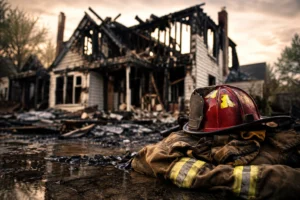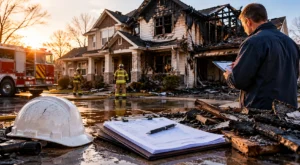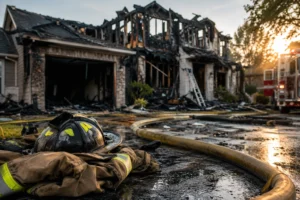

A fire can change everything in minutes. Beyond the emotional stress, property owners often face extensive damage, temporary housing needs, and a complicated insurance claim process.
This is where a Fire Damage Public Adjuster Texas property owners trust can provide valuable support. Fire claims often involve more than visible burn damage. Smoke contamination, water damage, structural issues, and code upgrade requirements can all affect the final settlement. Understanding how these claims work and how a public adjuster can help may make the recovery process smoother and help ensure all covered damages are properly documented.
Understanding the Full Impact of Fire Damage
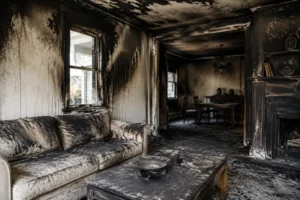
When people think about fire damage, they usually picture burned walls, destroyed roofs, and charred belongings. However, the reality is often much more complex. In many cases, the visible damage represents only a portion of the overall loss. Smoke can travel throughout an entire structure, while water used to extinguish the fire can create additional problems in areas untouched by flames. Consequently, a thorough inspection becomes essential. Common types of fire-related damage include:
- Direct flame damage
- Smoke contamination
- Soot residue
- Water damage
- Structural weakening
- Electrical system damage
- HVAC contamination
- Persistent odors
- Personal property losses
- Business equipment damage
For example, a relatively small kitchen fire may produce smoke that spreads throughout the entire home. As a result, clothing, furniture, electronics, and ventilation systems may all require cleaning, repair, or replacement. Similarly, commercial properties often experience widespread operational disruptions even when the physical damage appears limited. Because of these factors, fire claims typically require far more investigation than many property owners initially expect.
Why Fire Claims Are Often More Complicated Than Other Insurance Claims
Not all property claims are created equal. While a broken pipe or isolated wind damage event may affect a limited area, fire losses frequently create multiple categories of damage simultaneously. For instance, a single fire can trigger:
- Structural damage
- Smoke damage
- Water damage
- Debris removal expenses
- Temporary housing costs
- Business interruption losses
- Code upgrade requirements
Moreover, these damages often overlap. Water used by firefighters may soak insulation and drywall. At the same time, smoke particles can infiltrate HVAC systems and spread odors throughout the property. Consequently, identifying every covered loss becomes a critical part of the claims process. In fact, overlooking even one category of damage can significantly affect the final settlement amount.
What Does a Fire Damage Public Adjuster Texas Professional Do?
A Fire Damage Public Adjuster Texas professional represents the interests of the policyholder throughout the claims process. Unlike insurance company adjusters, whose responsibility is to evaluate claims for the insurer, public adjusters work directly for property owners. Their services typically include:
Comprehensive Property Inspection
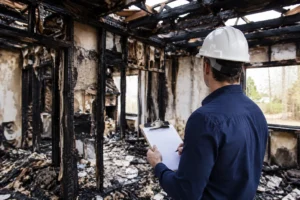
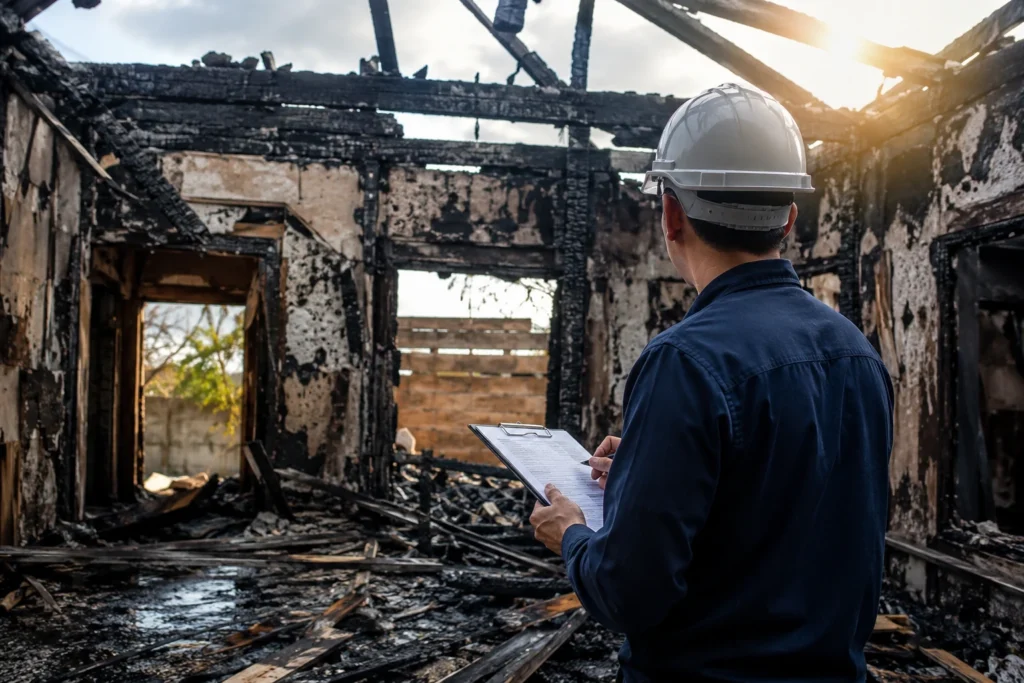
First, the adjuster conducts a detailed inspection of the damaged property. This process may include:
- Structural evaluations
- Interior inspections
- Smoke damage assessments
- Personal property inventories
- Equipment evaluations
- Photographic documentation
As a result, hidden damage that might otherwise be overlooked can be identified early.
Insurance Policy Analysis
Next, the public adjuster reviews the insurance policy carefully. This review often includes:
- Building coverage
- Personal property coverage
- Additional Living Expense coverage
- Business interruption coverage
- Debris removal provisions
- Ordinance and Law coverage
Therefore, property owners gain a clearer understanding of the benefits available under their policy.
Claim Documentation and Preparation
After evaluating the loss, the adjuster prepares detailed claim documentation. This may include:
- Repair estimates
- Replacement cost calculations
- Inventory reports
- Contractor documentation
- Supporting photographs
Furthermore, organized documentation often helps reduce disputes during the claim process.
Negotiation Support
Finally, the public adjuster communicates with the insurance company regarding claim valuation and settlement discussions. As a result, property owners can focus on recovery while their claim continues moving forward.
Common Challenges Property Owners Face After a Fire
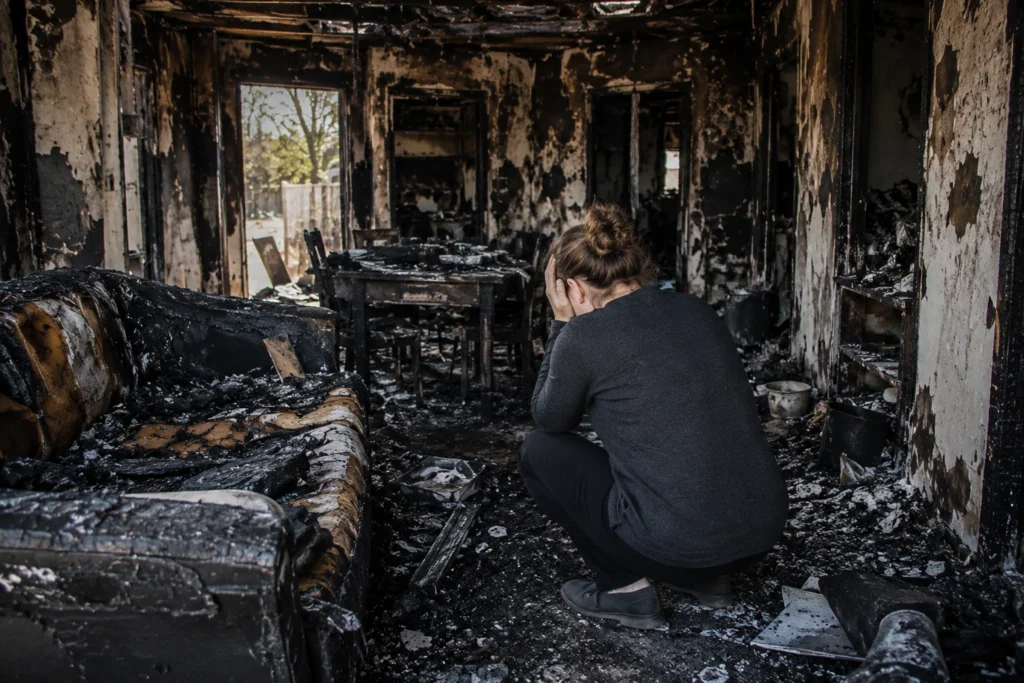
Even straightforward fire claims can present unexpected obstacles. For example, many policyholders encounter issues such as:
Incomplete Damage Assessments
Initially, inspections may focus on visible damage. However, hidden issues behind walls, ceilings, insulation, and HVAC systems may remain undetected. Consequently, these damages may not appear in the original claim estimate.
Smoke Damage Disputes
Smoke contamination is often difficult to quantify. While visible soot is easy to identify, microscopic particles can travel throughout the structure. Therefore, specialized inspections may be necessary to document the full extent of the damage.
Inventory Documentation Challenges
After a fire, remembering every damaged item can be difficult. Nevertheless, detailed inventories play a critical role in supporting personal property claims.
Repair Cost Discrepancies
Construction costs fluctuate frequently. As a result, repair estimates prepared early in the process may no longer reflect actual rebuilding costs by the time repairs begin.
Delays in Claim Resolution
Large fire claims often require multiple inspections and expert evaluations. Consequently, the process may take longer than many property owners anticipate.
Building Code Upgrades and Fire Claims
Rebuilding after a fire often involves more than replacing damaged materials. In many cases, local regulations require property owners to meet current building codes during reconstruction. As a result, repair costs may increase significantly compared to the original structure. Common upgrades may include:
- Electrical system improvements
- Fire-resistant construction materials
- Structural reinforcements
- Energy-efficiency requirements
- Accessibility modifications
Furthermore, some insurance policies include Ordinance and Law coverage, which may help cover certain code-related expenses. Therefore, reviewing the policy carefully becomes an important part of evaluating the claim. Modern reconstruction projects frequently involve engineering assessments and structural evaluations. In some situations, engineers rely on principles related to Finite Element Method analysis when studying how building components respond to stress, damage, and load distribution. Because of these factors, code upgrade costs should never be overlooked during a fire damage insurance claim.
The Importance of Thorough Documentation
Documentation forms the foundation of every successful fire claim. Without sufficient evidence, proving the extent of the loss becomes significantly more difficult. Therefore, property owners should begin documenting damages as soon as it is safe to do so. Important records may include:
- Fire department reports
- Property photographs
- Video walkthroughs
- Repair estimates
- Temporary repair receipts
- Hotel expenses
- Inventory lists
- Business financial records
Additionally, maintaining organized records throughout the claim process can help prevent misunderstandings later. Interestingly, damage progression within a structure can sometimes resemble concepts studied in Percolation Theory, where interconnected pathways allow effects to spread beyond the original point of impact. Continue the remainder of the article using the same readability-focused structure, stronger transitions such as however, therefore, furthermore, meanwhile, consequently, additionally, similarly, ultimately, and finally, while keeping paragraphs short and easy to scan.
FAQs
A public adjuster represents the policyholder during the insurance claim process, helping document damages, prepare estimates, and negotiate settlements.
The best time is usually soon after the fire loss occurs, especially if the damage is significant or the claim appears complex.
Yes. Public adjusters can help identify and document smoke and soot damage that may not be immediately visible during an initial inspection.
No. While they are often involved in larger losses, they can also assist with smaller claims that involve disputes, delays, or complicated damages.
Most policies may cover structural damage, smoke damage, soot contamination, personal property losses, and additional living expenses, depending on the policy terms.
The timeline varies based on the extent of the damage, the complexity of the claim, and the amount of documentation required to support the loss.
Ensure everyone’s safety, secure the property from further damage, notify your insurance company, and begin documenting all affected areas.
Yes. Hidden damage such as smoke contamination, electrical issues, and structural concerns can significantly impact repair costs and should be thoroughly evaluated.
A supplemental claim is filed when additional covered damage is discovered after the original estimate or settlement has been prepared.
Whenever possible, keep damaged items until inspections are completed, as they may serve as important evidence supporting your claim.