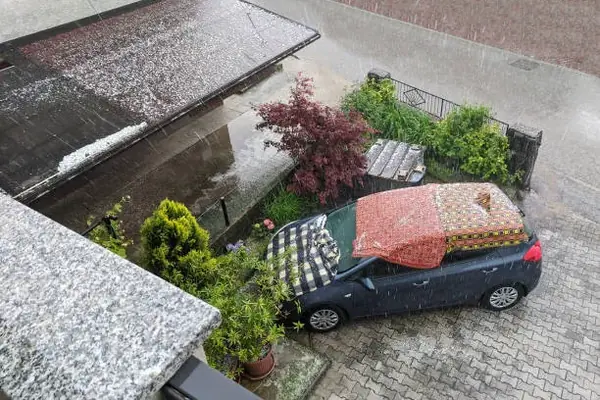
Hail at a dealership produces two very different claims. Damage to vehicles on the lot is usually covered by a dealer's open lot or dealer physical damage policy. Damage to the showroom, service building, canopies, and lot lighting is covered by the commercial property policy. The two may be with different insurers, have different deductibles, and follow different processes. The vehicle claim tends to get attention first because inventory is visible and time-sensitive. The building claim is often filed later and sometimes underfunded.
Lot inventory vs. building damage
Dealer open lot / physical damage policy
- New and used vehicles in inventory
- Often has its own hail deductible, which may be per vehicle with an aggregate or per occurrence
- Usually handled by the insurer's auto or inland marine claims team
- Repairs, often paintless dent repair, or wholesale disposal decisions
Commercial property policy
- Showroom, offices, service and parts buildings
- Canopies, light poles, signs, and fencing, depending on how they are listed
- Parts inventory, tools, and equipment as business personal property
- Business income, if included
Which policy covers what depends on your coverage. Check the open lot policy for hail deductibles and any requirement to move vehicles under cover when storms are forecast, since some policies have conditions like that. We focus on the building and business property claim. If you want help understanding how the vehicle claim affects the overall picture, we can review both policies, but we'll tell you upfront which parts of the loss we can help with.
Customer vehicles in service
Customer cars parked in the service lot or inside the service bays when a storm hits raise a separate question. They're generally not part of your inventory coverage. Depending on your policies, damage to customers' vehicles in your care may fall under garagekeepers coverage or the customer's own auto policy. Keep a list of every customer vehicle on site at the time of the storm.
Canopies and delivery structures
Many dealerships have large steel canopies over service drives, delivery areas, and display lots, often with metal decking or panels and integrated lighting. Hail dents the roofing and breaks light fixtures. Wind can lift panels and damage connections. These structures are easy to leave off the first building estimate because they aren't part of the main building. We document each canopy separately, including the roofing, fascia, gutters, lighting, and any brand-specific elements on the fascia. If a canopy also covers vehicles, coordinate with the open lot claim so the same photos support both.
Showroom glass and the building envelope
Dealership showrooms usually have large curtain wall or storefront glazing, often with brand-specified frames and finishes. Hail and wind-borne debris can crack panes, and impact damage to metal panels and composite cladding is common on the brand facade. Key items:
- Glass type and size for each broken pane, which affects price and lead time
- Damaged frames, gaskets, and sealants around broken glass
- Metal composite or aluminum facade panels with dents
- Pylon and fascia signs, which may have their own limit or be owned by the manufacturer
- Low-slope roofing over the showroom and service building
Brand image requirements may influence the materials chosen. The policy generally pays to repair damaged items with materials of like kind and quality, not to upgrade a facade to a newer brand standard.
Service bays and parts departments
The service building is where most of a dealership's day-to-day income comes from, and it's often roofed with a large metal or low-slope system. Roof leaks in service bays can damage lifts, diagnostic equipment, tools, and the parts inventory. Parts are claimed as business personal property, using your dealer management system's inventory report as of the date of loss. Overhead service doors take wind damage much like warehouse dock doors and should be listed one by one.
If service bays are closed, the lost service and parts income may be claimable under business income coverage, if you have it, along with extra costs like renting equipment. Department-level financial statements make that claim much easier to support.
Hail-prone dealership corridors
Dealerships along the interstates in Dallas-Fort Worth, Austin, San Antonio, and the Panhandle sit in some of the most hail-prone parts of the state. If the carrier questions whether hail actually fell at your location, our storm report lookup pulls NOAA reports for the date and place. For roof and canopy damage, see roof and hail damage claims. A percentage hail deductible on the property policy is separate from the open lot deductible; our commercial claims overview explains how percentage deductibles are calculated.
Frequently asked questions
Does a dealership's property insurance cover hail damage to cars on the lot?
Usually not. Inventory vehicles are typically covered by a dealer open lot or dealer physical damage policy with its own hail deductible. The commercial property policy covers the buildings, canopies, and business property.
Are dealership canopies covered by the property policy?
Usually, as structures on the property, but check how they are listed on the policy and whether any limits apply. Canopies are often missed on the first building estimate.
Who covers customer cars damaged by hail in a dealership service lot?
Depending on your coverage, garagekeepers insurance or the customer's own auto policy may respond. Customer cars are generally not part of your inventory coverage.
Can a dealership claim lost service department income after storm damage?
Yes, if the property policy includes business income coverage. Department-level financial statements and repair order history help show what the service and parts departments lost.