

When property damage disrupts your home or business, the insurance claim process can quickly become overwhelming. If you’re searching for a Public Adjuster Beaumont, TX, you need someone who represents your interests—not the insurance company. TX Public Adjusting, operated by Rise Public Adjusting LLC, proudly helps residential and commercial property owners throughout Beaumont maximize insurance settlements after covered losses. We are licensed by the Texas Department of Insurance (License #3356839) and work exclusively for policyholders.
Located in Jefferson County, Beaumont sits in the heart of Southeast Texas, where hurricanes, tropical storms, flash flooding, wind events, and severe thunderstorms are a reality. From homes in West End and Calder Place to businesses near Downtown Beaumont, the Port of Beaumont, and Lamar University, property owners face unique weather-related risks that require detailed claim documentation and experienced negotiation.
If your insurance claim has been delayed, underpaid, or denied, our team can review your loss at no upfront cost. Because we work on a contingency basis, we only get paid if we successfully recover additional money on your behalf.
Why Property Owners Hire a Public Adjuster in Beaumont
Many property owners assume the insurance company will identify every dollar of covered damage during its inspection. Unfortunately, that doesn’t always happen.
Insurance adjusters work for the carrier. Understanding the differences between a public adjuster vs independent adjuster can help clarify who each professional represents during an insurance claim. Their responsibility is to evaluate claims according to the company’s policies and procedures. A licensed public adjuster, on the other hand, represents the policyholder throughout the claims process.
Our role includes:
- Reviewing your insurance policy
- Conducting an independent property inspection
- Preparing a detailed damage estimate
- Documenting hidden and secondary damage
- Managing communications with the carrier
- Negotiating for a fair settlement
- Assisting with supplemental claims when additional damage is discovered
For Beaumont property owners, this can be especially valuable after widespread storm events. Following hurricanes or severe windstorms, insurance companies often process thousands of claims simultaneously. Fast inspections can overlook structural damage, moisture intrusion, roofing issues, or commercial business interruption losses.
Rather than accepting the first settlement offered, many homeowners and business owners choose independent representation to ensure every covered loss is properly documented. If you’re still deciding whether professional representation is right for your situation, this guide explains should I use a public adjuster and the situations where hiring one can provide the greatest value.
Why Beaumont Properties Face Unique Insurance Risks
Beaumont’s location along the upper Texas Gulf Coast creates one of the state’s most challenging insurance environments.
Hurricane Exposure
Major hurricanes moving inland from the Gulf regularly affect Jefferson County. Even storms making landfall farther south or east can bring destructive winds, heavy rainfall, prolonged power outages, and widespread property damage.
Wind-driven rain frequently enters homes through damaged roofing systems, compromised flashing, broken windows, and failed exterior cladding. If your Beaumont property was affected by a major Gulf Coast storm, our guide on property damage after a hurricane explains the types of losses commonly covered by insurance and the steps to take immediately after the storm.
Flooding
Neighborhoods throughout Beaumont can experience flooding after prolonged rainfall, tropical systems, or overflowing drainage systems.
Although flood insurance is generally handled separately from homeowners insurance, flooding often occurs alongside covered wind damage, making accurate damage separation critical.
Severe Thunderstorms
Spring and early summer storms regularly produce:
- Large hail
- Straight-line winds
- Fallen trees
- Lightning strikes
- Broken windows
- Roof damage
Many roofs sustain bruising or impact damage that may not be obvious from ground level but significantly reduces their remaining service life. Learn how to properly document a hail damage roof insurance claim before repairs begin to strengthen your insurance claim.
Commercial Property Risks
Beaumont’s economy includes:
- Manufacturing
- Petrochemical facilities
- Transportation
- Warehousing
- Medical offices
- Retail centers
- Hospitality businesses
- Industrial contractors
Commercial losses frequently involve:
- Business interruption
- Equipment damage
- Inventory loss
- Mechanical failures
- Water intrusion
- Roof failures
- Tenant improvements
These claims are often substantially more complex than residential losses and require extensive documentation.
Common Insurance Claims in Beaumont
Hail Damage Claims
While Beaumont is better known for hurricanes than North Texas hailstorms, severe thunderstorms regularly produce hail capable of damaging:
- Asphalt shingles
- Metal roofing
- Commercial roofing systems
- HVAC equipment
- Gutters
- Skylights
- Siding
- Exterior paint
Small impact marks often develop into premature roof failure if left unaddressed.
Water Damage Claims
Water losses are among the most common insurance claims throughout Southeast Texas. If moisture intrusion spreads behind walls, flooring, or insulation, working with a water damage public adjuster can help ensure the full extent of covered damage is properly documented before repairs begin.
Typical causes include:
- Roof leaks
- Broken plumbing
- Appliance failures
- Burst supply lines
- Wind-driven rain
- Ceiling collapses
- HVAC leaks
Water damage often extends far beyond visible staining. Moisture can migrate behind drywall, beneath flooring, and into insulation long before mold becomes visible.
Fire Damage Claims
House fires create far more damage than burned materials alone. A fire insurance adjuster can assist with documenting structural damage, smoke contamination, personal property losses, and additional living expenses to support a complete insurance claim.
Claims frequently involve:
- Smoke damage
- Soot contamination
- Water damage from firefighting efforts
- Structural repairs
- Electrical replacement
- Personal property inventory
- Temporary housing expenses
Proper documentation is essential to recovering the full value of these losses. Understanding fire damage insurance coverage can help homeowners better prepare for the documentation and settlement process after a fire loss.
Storm Damage Claims
High winds can affect nearly every component of a structure.
Common storm-related damage includes:
- Missing shingles
- Roof uplift
- Fence damage
- Broken windows
- Garage door failures
- Water intrusion
- Fallen trees
- Detached siding
Even relatively minor storms can produce costly hidden damage.
Roof Damage Claims
Roof systems are your property’s first line of defense.
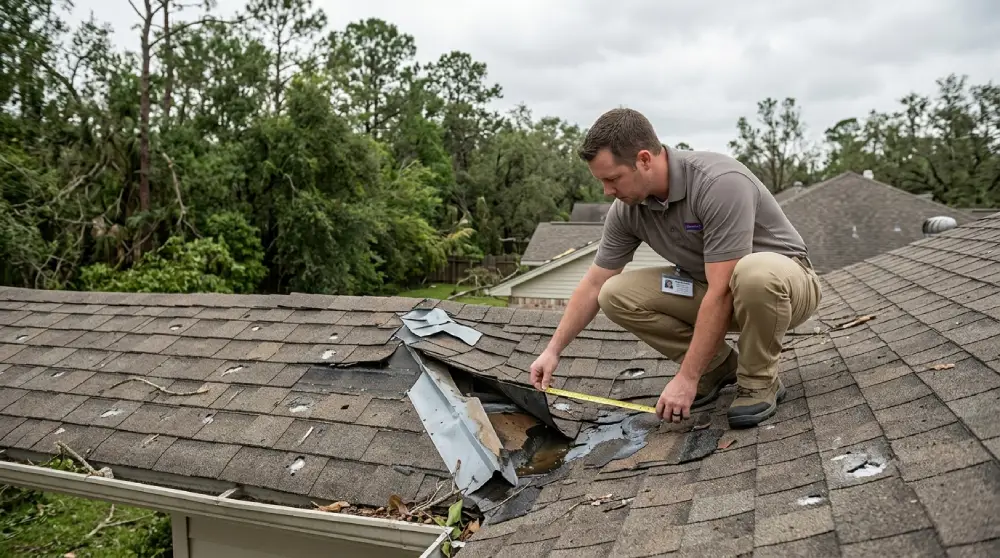
After storms, roofs should be evaluated for:
- Wind uplift
- Missing shingles
- Flashing failures
- Granule loss
- Hail impacts
- Soft spots
- Water penetration
Many insurance estimates focus only on obvious damage while overlooking code upgrades or related repairs required to restore the roofing system. If your insurer questions the extent of storm damage or offers only partial roof replacement, a public adjuster for roof claim can independently evaluate the loss and negotiate based on documented damage.
Commercial Property Claims
Businesses throughout Beaumont rely on uninterrupted operations.
Commercial claims may involve:
- Office buildings
- Industrial facilities
- Retail centers
- Restaurants
- Apartment communities
- Warehouses
- Churches
- Medical offices
- Hotels
Our team evaluates both physical damage and operational losses to help ensure your claim reflects the property’s full covered damages.
Why Insurance Claims Become Underpaid
Receiving an insurance payment doesn’t necessarily mean your claim has been fully valued.
Some of the most common reasons settlements fall short include:
Incomplete Damage Inspections
Initial inspections may overlook:
- Moisture damage
- Hidden structural damage
- Roofing components
- Interior finishes
- Mechanical system
Scope Omissions
Missing items can significantly reduce claim values.
Examples include:
- Insulation
- Flashing
- Code-required upgrades
- Paint matching
- Detached structures
- Landscaping
- Contents
- Debris removal
Depreciation Issues
Insurance carriers often apply depreciation to certain building components.
An inaccurate assessment of age or condition can substantially reduce your settlement.
Low Repair Pricing
Repair estimates sometimes fail to reflect actual labor and material costs within Southeast Texas.
Local contractor pricing, permit requirements, and market conditions all affect rebuilding costs.
Documentation Problems
The strength of an insurance claim depends heavily on documentation.
Successful claims often include:
- Detailed photographs
- Moisture readings
- Roof inspection reports
- Contractor estimates
- Inventory documentation
- Engineering reports when necessary
Without sufficient evidence, legitimate damages may never be included in the settlement.
Our Public Adjusting Process
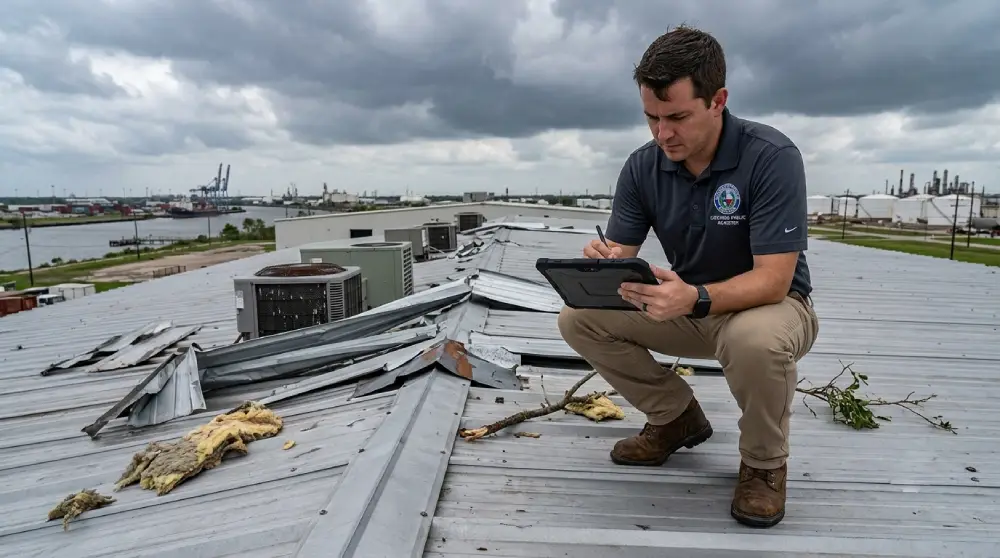
Every insurance claim is different, but our approach is built around one objective: presenting a thoroughly documented claim that accurately reflects your covered loss. At TX Public Adjusting, we guide Beaumont property owners through every stage of the claims process while serving as their advocate in negotiations with the insurance company.
Step 1: Free Claim Review
We begin with a comprehensive consultation to understand:
- The cause of the loss
- The timeline of the damage
- Your insurance carrier
- Previous inspections
- Any payments already issued
- Concerns about delays, denials, or underpayments
Even if your claim has already been opened, it may still benefit from professional review.
Step 2: Detailed Property Inspection
Unlike a brief inspection focused only on obvious damage, we perform a thorough evaluation of the affected property.
Depending on the loss, this may include reviewing:
- Roofing systems
- Exterior elevations
- Windows and doors
- Structural components
- Interior finishes
- Electrical systems
- Plumbing
- HVAC equipment
- Detached structures
- Commercial equipment
- Inventory and business personal property
For Beaumont properties exposed to hurricanes or heavy rain, identifying hidden moisture intrusion is especially important because water damage can continue long after the initial storm.
Step 3: Comprehensive Documentation
Insurance claims are won with documentation. Knowing how to document hail damage for an insurance claim can make a significant difference when proving the full extent of storm-related roof damage.
Our team prepares detailed claim files that may include:
- High-resolution photographs
- Measurements
- Room-by-room damage assessments
- Repair estimates
- Xactimate estimates
- Contents inventories
- Supporting contractor reports
- Applicable building code considerations
The more accurately damage is documented, the stronger the position during negotiations.
Step 4: Negotiation With the Insurance Company
Once documentation is complete, we communicate directly with the insurance carrier on your behalf.
This includes:
- Responding to adjuster questions
- Reviewing carrier estimates
- Identifying omitted damages
- Requesting supplemental payments when appropriate
- Negotiating settlement amounts supported by documentation
Our objective is not to inflate claims—it is to ensure every covered loss under the policy is properly evaluated.
Step 5: Settlement Support
Even after a settlement is reached, additional damage sometimes becomes apparent during repairs.
When appropriate, we assist with supplemental claims so newly discovered covered damage can be reviewed by the carrier.
If you’d like a more detailed explanation of the claims process, our article on how do public adjusters work walks through each stage from inspection to settlement negotiations.
Why Choose TX Public Adjusting
Property owners throughout Southeast Texas choose TX Public Adjusting because we work exclusively for policyholders—not insurance companies.
Texas-Focused Expertise
Texas weather creates unique insurance challenges, from Gulf Coast hurricanes to severe hailstorms and high-wind events. Our experience with Texas property claims allows us to understand both regional construction practices and common claim issues.
Licensed Representation
TX Public Adjusting operates through Rise Public Adjusting LLC and is licensed by the Texas Department of Insurance (License #3356839).
Working with a licensed public adjuster provides accountability and professional representation throughout the claims process.
Residential and Commercial Experience
We assist with claims involving:
- Single-family homes
- Condominiums
- Apartment complexes
- Retail centers
- Restaurants
- Warehouses
- Office buildings
- Churches
- Industrial properties
- Manufacturing facilities
Whether the claim involves a family residence in Calder Place or a commercial property near the Port of Beaumont, we tailor our documentation and negotiation strategy to the specific loss.
Independent Advocacy
Unlike insurance company adjusters, public adjusters represent the policyholder.
Our responsibility is to help ensure covered damages are fully documented and fairly evaluated under the terms of the policy.
Experience Reviewing Property Claims
Our team has reviewed thousands of residential and commercial property claims throughout Texas. That experience helps us recognize commonly overlooked damages, understand policy language, and prepare claim documentation that supports meaningful negotiations.
Areas We Serve Near Beaumont
Although Beaumont is one of our primary Southeast Texas service areas, we also assist property owners throughout surrounding communities, including:
- Nederland
- Port Neches
- Groves
- Lumberton
- Silsbee
- Vidor
- Orange
- Bridge City
- Hamshire
- Winnie
- Port Arthur
- China
- Nome
- Fannett
Whether your property is located near Downtown Beaumont, the West End, Old Town, or elsewhere in Jefferson County, our team is available to review your insurance claim.
Frequently Asked Questions
1. What does a public adjuster do?
A public adjuster represents the policyholder throughout the insurance claims process. If you’re unfamiliar with the profession, our guide explaining what is a public adjuster provides a detailed overview of how public adjusters advocate for policyholders. This includes inspecting the property, documenting damages, preparing estimates, reviewing policy coverage, and negotiating directly with the insurance company.
Unlike company adjusters, a public adjuster works exclusively on behalf of the property owner.
2. When should I hire a public adjuster?
Many property owners contact a public adjuster immediately after a loss, but assistance may also be valuable after receiving a low settlement offer, encountering delays, or discovering additional damage during repairs. If you’re unsure whether your claim is still eligible for professional assistance, learn when it is too late to hire a public adjuster and what deadlines may apply.
The earlier documentation begins, the easier it is to preserve evidence supporting the claim.
3. Can you help if my insurance company already inspected the property?
Yes.
An insurance company inspection does not necessarily identify every covered loss. We frequently review claims after an initial inspection and identify additional damages that warrant further consideration.
4. Do you handle commercial insurance claims?
Absolutely.
We represent businesses, property managers, churches, industrial facilities, apartment owners, and commercial property investors throughout Beaumont and Southeast Texas.
Commercial claims often require extensive documentation and careful review of business interruption and property damage components.
5. How are public adjusters paid?
Most public adjusters, including TX Public Adjusting, work on a contingency fee basis. Our article covering public adjuster fees explains how contingency arrangements work and why there are typically no upfront costs.
That means there are no upfront fees. Our compensation is based on successfully recovering funds for covered losses under your insurance policy.
6. Can I hire a public adjuster after receiving a settlement?
In many situations, yes.
If additional covered damage exists or the claim remains open, it may still be possible to pursue supplemental payments. Each claim should be evaluated individually. If your insurer has rejected your claim entirely, review our guide on what to do if your hail claim was denied before assuming your options have been exhausted.
7. How long does the claims process take?
Every claim is different.
Factors affecting the timeline include:
- Severity of the damage
- Insurance company response times
- Required inspections
- Engineering reports
- Supplemental claims
- Repair complexity
Our goal is to keep the process moving while ensuring documentation remains thorough.
8. What types of damage do you handle?
We assist with claims involving:
- Hurricane damage
- Wind damage
- Hail damage
- Water damage
- Fire and smoke damage
- Roof damage
- Commercial property losses
- Storm-related structural damage
9. Do I need contractor estimates before calling?
No.
While contractor estimates can be helpful, they are not required before requesting a free claim review. We evaluate each situation based on the available documentation and the property’s condition.
10. Why are Beaumont insurance claims often complicated?
Beaumont properties frequently experience multiple sources of damage from the same event, such as hurricane-force winds combined with heavy rainfall. Separating covered damages, documenting hidden moisture intrusion, and accurately estimating repair costs often requires a detailed review beyond a standard inspection.
Get a Free Claim Review
If your home or commercial property in Beaumont has suffered damage from a hurricane, tropical storm, hail, fire, water intrusion, or another covered event, you don’t have to navigate the insurance process alone.
TX Public Adjusting proudly represents policyholders throughout Beaumont and the surrounding Southeast Texas communities. As Rise Public Adjusting LLC (Texas License #3356839), we work exclusively for property owners—not insurance companies.
Whether your claim is just beginning, has been delayed, or you’ve already received a settlement offer that doesn’t seem to reflect the full extent of your damage, we’re ready to help. If you’re just beginning the insurance process, our property loss recovery guide outlines the steps property owners should take after experiencing significant damage.
Contact TX Public Adjusting today for a free claim review. There are no upfront fees, and you pay nothing unless we successfully recover additional funds on your behalf.