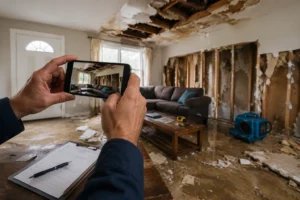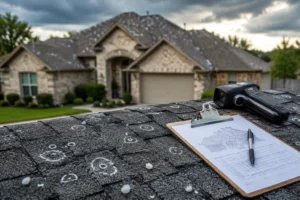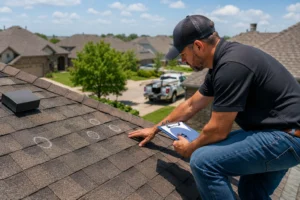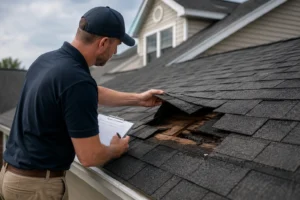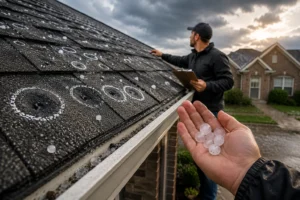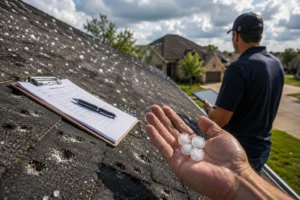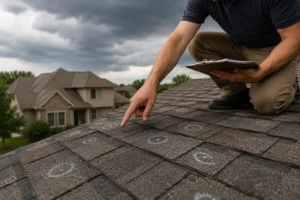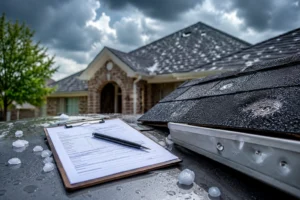


Property damage is stressful. One moment everything is fine. The next moment you are dealing with roof leaks, fire damage, or flooding, and suddenly the insurance claim process becomes part of your life. At that point, many homeowners ask the same question: should I use a public adjuster?
It is a fair question. Filing a claim sounds simple in theory, but in practice it can become complicated very quickly. Insurance policies are detailed. Damage estimates vary. And negotiations with insurance companies often require persistence and documentation.
Some homeowners decide to handle the claim themselves. Others hire a professional to represent their interests. The key is understanding when outside help makes sense and when it might not be necessary.
In this guide, we will walk through how public adjusters work, when hiring one may help your claim, and how to decide if bringing one on board is the right move for your situation.
What Is a Public Adjuster?
A public adjuster is a licensed professional who represents policyholders during an insurance claim. Their job is to evaluate property damage, document the loss, and negotiate with the insurance company on behalf of the homeowner.
Unlike other adjusters involved in the claims process, public adjusters work exclusively for the policyholder.
Here is how the different adjuster roles compare:
| Type of Adjuster | Who They Work For | Role in the Claim |
| Public Adjuster | The homeowner | Advocates for the policyholder |
| Insurance Company Adjuster | The insurance company | Evaluates claim for insurer |
| Independent Adjuster | Contracted by insurers | Assesses claims for insurance companies |
This distinction matters. Insurance company adjusters are responsible for protecting the interests of the insurer. Public adjusters, on the other hand, focus on ensuring the policyholder receives a fair evaluation of the damage.
When homeowners ask should I use a public adjuster, they are really asking whether having someone represent their interests could improve the outcome of the claim.
How Public Adjusters Work During an Insurance Claim
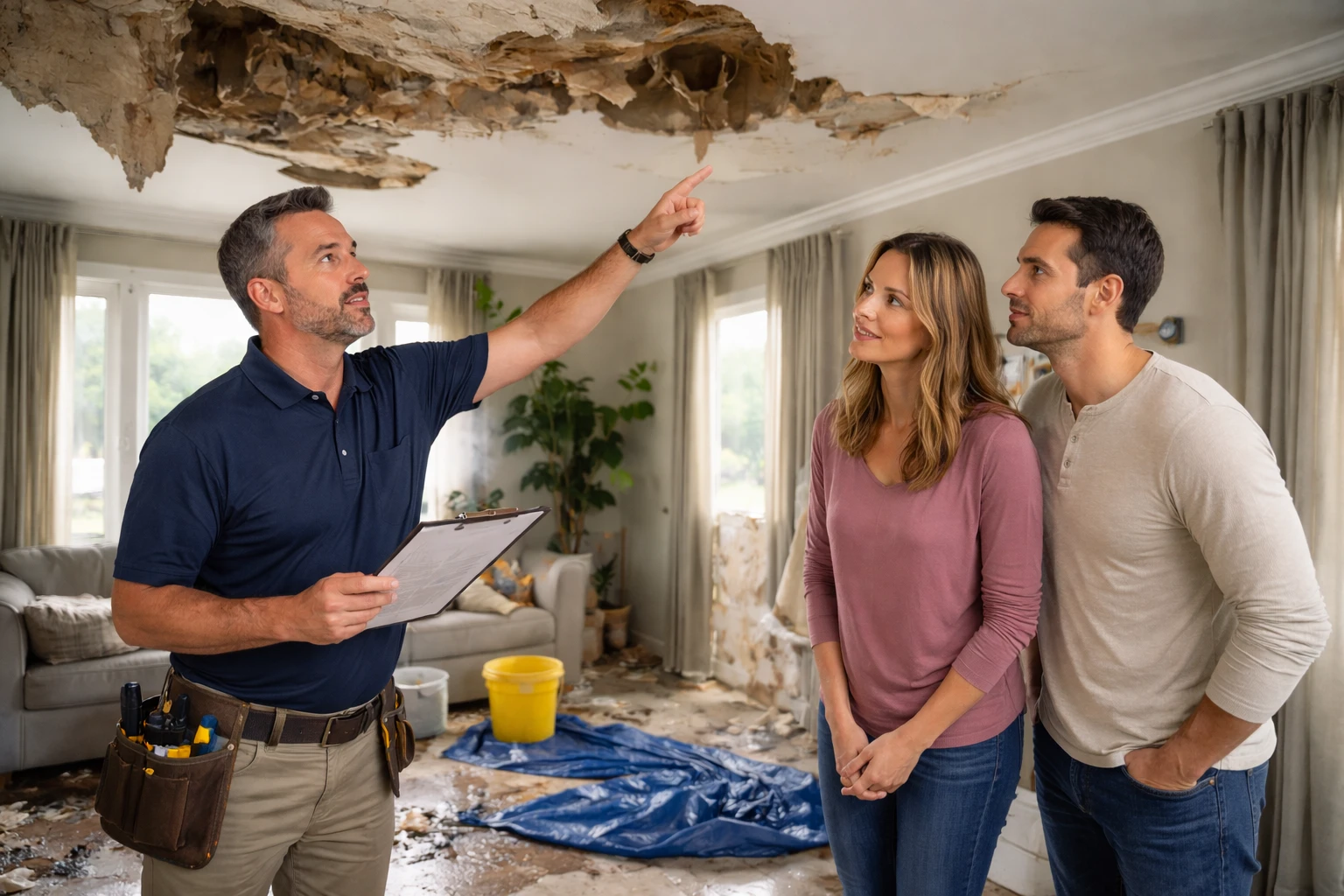
Handling an insurance claim involves several stages. Public adjusters step in to manage the process from start to finish.
Their role usually begins shortly after the damage occurs.
Initial Damage Inspection
The first step is a detailed property inspection. A public adjuster examines the damage carefully, often identifying issues that might be overlooked during a quick inspection.
They may evaluate:
- Structural damage
- Roofing issues
- Interior damage
- Water intrusion
- Personal property losses
Thorough inspections are critical because the initial documentation often determines the direction of the entire claim.
Policy Review
Insurance policies contain coverage limits, exclusions, and conditions. A public adjuster reviews the policy to understand what is covered and how the claim should be structured.
This step helps prevent underreporting losses.
Damage Documentation
Next comes documentation. This process is more detailed than many homeowners expect.
Public adjusters often prepare:
- Itemized damage reports
- Repair estimates
- Photographic documentation
- Inventory lists for damaged belongings
The more detailed the documentation, the stronger the claim.
Negotiation With the Insurance Company
Negotiation is often the longest part of the process.
Insurance companies may review the damage, provide their own estimates, and request additional information. A public adjuster handles these communications and works to reach a fair settlement.
Claim Management
Claims can take weeks or even months. A public adjuster keeps track of deadlines, paperwork, and follow-ups so the homeowner does not have to manage the entire process alone.
The workflow typically looks like this:
| Claim Stage | What a Public Adjuster Does |
| Inspection | Evaluates damage thoroughly |
| Documentation | Creates detailed reports and estimates |
| Policy analysis | Reviews coverage and limits |
| Negotiation | Communicates with the insurance company |
| Settlement | Helps finalize claim payout |
Understanding this process helps homeowners answer the question: should I use a public adjuster for their specific claim.
Situations Where Using a Public Adjuster Makes Sense
Not every claim requires professional assistance. However, there are situations where hiring a public adjuster can be especially beneficial.
Major Property Damage
Large-scale damage is one of the most common reasons homeowners hire public adjusters.
Examples include:
- House fires
- Hurricane damage
- Severe storm damage
- Flooding
- Major water leaks
Large losses involve many variables. Repair costs, rebuilding requirements, and personal property replacement can quickly add up.
In these cases, accurate documentation becomes essential.
Complex Insurance Claims
Some claims are complicated simply because they involve multiple types of damage.
For example, a severe storm could damage the roof, flood parts of the home, and ruin personal belongings. Each type of damage may fall under different coverage provisions.
A public adjuster can help organize the claim properly.
Low Settlement Offers
Another common reason homeowners ask should I use a public adjuster is when the insurance company provides a settlement that seems too low.
Low offers sometimes happen because:
- Certain damages were overlooked
- Repair costs were underestimated
- Personal property losses were incomplete
Public adjusters can review the settlement and determine whether additional negotiation is necessary.
Limited Time to Manage the Claim
Insurance claims require time and attention. Homeowners must gather documents, meet with adjusters, and respond to requests for information.
If you are dealing with work, family responsibilities, and property repairs, managing the claim alone can become overwhelming.
A public adjuster can take on much of the administrative burden.
Situations Where You Might Not Need a Public Adjuster

Hiring professional help is not always necessary.
There are situations where homeowners can manage the claim effectively on their own.
Minor Damage Claims
If the damage is small and repairs are straightforward, bringing in a public adjuster may not provide significant value.
Examples include:
- Small roof repairs
- Minor plumbing leaks
- Limited drywall damage
If repair costs are relatively low, the insurance company may process the claim quickly without much negotiation.
Claims Near the Deductible
If the repair cost is close to your deductible, filing a claim may not result in a meaningful payout. In those cases, hiring a public adjuster may not make financial sense.
Straightforward Claims
Some claims move smoothly.
The insurer responds quickly. The estimate is reasonable. Repairs are approved without dispute.
In these cases, homeowners may not feel the need for professional representation.
Pros of Hiring a Public Adjuster
There are several advantages that explain why many homeowners decide to hire public adjusters.
Professional Claim Representation
Insurance claims involve documentation, policy interpretation, and negotiation. Public adjusters handle these tasks regularly and understand the process.
Reduced Stress
Managing a claim can be emotionally exhausting, especially after property damage. Having someone handle the paperwork and communication can relieve a significant burden.
Thorough Damage Evaluation
Public adjusters often perform detailed inspections that identify additional damages.
Potential for More Accurate Settlements
A well-documented claim can lead to more accurate repair estimates. This does not guarantee a larger settlement, but it can help ensure all damages are considered.
These benefits often lead homeowners to revisit the question: should I use a public adjuster when dealing with complex claims.
Potential Drawbacks to Consider
Public adjusters can provide valuable assistance, but it is important to understand potential downsides.
Fees
Public adjusters are typically paid a percentage of the final settlement.
This fee structure means the homeowner shares a portion of the claim payout.
Not Necessary for Every Claim
Simple claims may not require professional assistance. Hiring a public adjuster in those situations may add unnecessary cost.
Importance of Choosing the Right Adjuster
Like any profession, experience levels vary. Choosing a licensed and reputable adjuster is essential.
How Public Adjusters Are Paid
Most public adjusters operate using a contingency fee structure.
This means they receive a percentage of the final claim settlement rather than charging upfront fees.
Typical fee ranges vary depending on the complexity of the claim.
| Claim Amount | Example Adjuster Fee (10%) |
| $20,000 | $2,000 |
| $50,000 | $5,000 |
| $100,000 | $10,000 |
The percentage may differ based on the size of the claim, state regulations, and the adjuster’s experience.
Understanding the payment structure helps homeowners evaluate whether hiring one makes sense financially when asking should I use a public adjuster.
Questions to Ask Before Hiring a Public Adjuster
Choosing the right professional matters. Before signing an agreement, homeowners should ask several important questions.
Consider asking:
- Are you licensed in Texas?
- How many claims have you handled?
- What percentage do you charge?
- How long does the claims process usually take?
- Can you provide references from past clients?
Clear answers to these questions help ensure the adjuster is qualified and transparent.
How to Choose the Right Public Adjuster in Texas
If you decide professional assistance may help your claim, the next step is choosing the right adjuster.
Here are several practical tips.
Verify Licensing
Public adjusters must be licensed to operate legally. In Texas, licensing can be verified through the Texas Department of Insurance.
Review Experience
Look for adjusters with experience handling claims similar to yours.
Fire damage claims, hurricane damage claims, and water damage claims can involve different challenges.
Check Reviews and References
Online reviews and client testimonials can provide insight into how an adjuster works with homeowners.
Avoid High-Pressure Contracts
Reputable adjusters explain their services clearly and give homeowners time to review the agreement.
Claims Process: With and Without a Public Adjuster
To better understand the difference, consider the typical claim process in both scenarios.
| Claim Step | Handling It Yourself | Using a Public Adjuster |
| Damage inspection | Homeowner documents damage | Adjuster conducts detailed inspection |
| Policy interpretation | Homeowner reviews policy | Adjuster analyzes coverage |
| Documentation | Homeowner prepares estimates | Adjuster prepares reports |
| Negotiation | Homeowner communicates with insurer | Adjuster negotiates |
| Claim management | Homeowner tracks deadlines | Adjuster manages process |
This comparison helps homeowners decide should I use a public adjuster based on the complexity of the claim.
When Homeowners Typically Decide to Hire a Public Adjuster
In many cases, homeowners do not hire a public adjuster immediately.
Instead, they consider it after encountering difficulties in the claims process.
Common triggers include:
- Receiving a settlement offer that seems too low
- Experiencing delays in the claim process
- Discovering additional damage after the initial inspection
- Disagreements over repair costs
When these challenges arise, homeowners often revisit the question should I use a public adjuster to help move the claim forward.
Key Takeaways: Should I Use a Public Adjuster?
Deciding whether to hire a public adjuster depends on the situation.
Here are the key points to remember:
- Large or complex claims may benefit from professional assistance
- Minor damage claims may not require outside representation
- Public adjusters handle inspections, documentation, and negotiations
- Fees are typically based on a percentage of the settlement
- Choosing a licensed and experienced adjuster is essential
Understanding these factors helps homeowners make informed decisions.
Conclusion
When property damage occurs, insurance claims can quickly become complicated. Documentation, estimates, and negotiations all play a role in the final outcome.
That is why many homeowners ask the same important question: should I use a public adjuster?
The answer depends on the size and complexity of the claim. For major losses, complex damage, or disputes over settlement amounts, a public adjuster may provide valuable assistance. For smaller claims, homeowners may feel comfortable managing the process themselves.
The key is evaluating your situation carefully. If the claim feels overwhelming or the settlement seems inaccurate, consulting a licensed professional may help you navigate the process with more confidence and clarity.
FAQs
A public adjuster evaluates property damage, documents losses, and negotiates with the insurance company on behalf of the homeowner.
Not always. Small or simple claims may be handled easily without professional assistance.
Yes, many homeowners hire one when they believe the insurance company’s offer does not fully cover the damage.
Most public adjusters charge a percentage of the final insurance settlement rather than an upfront fee.
They may help ensure all damages are documented and properly valued, which can sometimes lead to a more accurate settlement.
Some homeowners hire one right away, while others wait until they encounter issues during the claims process.
Yes, public adjusters must be licensed by the Texas Department of Insurance to legally work in the state.
They often handle claims involving fire damage, storm damage, water damage, and other major property losses.
Yes, but the public adjuster typically manages most of the communication and negotiations.
If your claim is large, complex, or you feel overwhelmed by the process, hiring a public adjuster may help manage the claim more effectively.