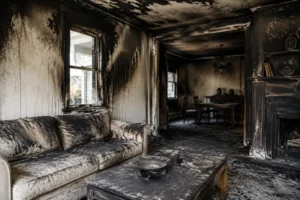

After a fire, one question often comes up immediately: Can You Stay in Your Home During Smoke Remediation? While many homeowners want to remain in their property, the answer depends on several factors. In some cases, staying is possible. However, in others, temporary relocation may be the safest choice. Smoke damage is not always obvious. In fact, smoke particles can spread through walls, furniture, fabrics, and HVAC systems long after the flames are extinguished. As a result, a home may appear safe while still containing contaminants that affect indoor air quality. Therefore, before deciding whether to stay or leave, it is important to understand the remediation process, potential health concerns, and insurance considerations. In this guide, we’ll explain when occupancy may be possible, when relocation is recommended, and how homeowners can protect both their health and their insurance claim.
What Is Smoke Remediation?
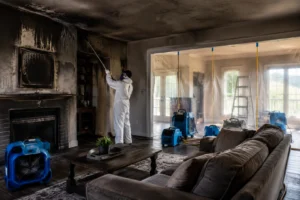
Smoke remediation is the process of removing smoke contamination, soot, and lingering odors after a fire. While many homeowners focus on visible damage, smoke particles often spread throughout the property and settle on surfaces, furnishings, and HVAC systems. Therefore, professional remediation goes beyond basic cleaning. It typically includes soot removal, air purification, odor elimination, and HVAC cleaning. As a result, the home can be restored to a safer and healthier living environment.
- Soot removal
- Surface cleaning
- Air purification
- Odor elimination
- HVAC system cleaning
- Content restoration
- Indoor air quality improvement
Ultimately, the goal is to remove contaminants and restore a healthy indoor environment.
Common Causes of Smoke Remediation
Smoke remediation may become necessary after various events, including:
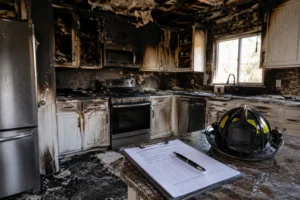
- Kitchen fires
- Electrical fires
- Appliance malfunctions
- Fireplace incidents
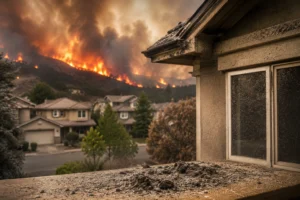
- Wildfire smoke intrusion
- Neighboring structure fires
- Vehicle fires near the property
Even a relatively small fire can create significant smoke contamination. Therefore, homeowners should never assume limited flames mean limited damage.
The Short Answer: Can You Stay in Your Home During Smoke Remediation?
Sometimes, yes. However, not always. Whether you can remain in the home depends on the severity of smoke contamination, the areas being treated, the equipment being used, and the health conditions of household members.
Situations Where Staying May Be Possible
In some situations, homeowners can safely remain in unaffected portions of the property. For example, staying may be possible when:
- Smoke damage is confined to one area
- Air quality remains acceptable
- Containment barriers isolate affected rooms
- Restoration work is limited in scope
- Contractors determine occupancy is safe
Additionally, professional restoration companies often use containment systems that prevent contaminants from spreading to clean areas. As a result, portions of the home may remain usable throughout the remediation process.
Situations Where Relocation Is Recommended
On the other hand, temporary relocation is frequently recommended when:
- Smoke contamination affects multiple rooms
- HVAC systems circulated smoke throughout the home
- Strong smoke odors persist
- Specialized remediation equipment operates continuously
- Ozone treatments are scheduled
- Vulnerable occupants live in the property
Furthermore, extensive smoke damage often creates practical challenges that make daily living difficult. In these situations, relocating temporarily may improve both safety and comfort. As a result, the question Can You Stay in Your Home During Smoke Remediation? should always be evaluated based on the specific conditions present within the property.
Health Risks of Remaining in a Smoke-Damaged Home
One of the most common mistakes homeowners make is focusing solely on visible damage. Unfortunately, what cannot be seen often presents the greater concern. Smoke contains thousands of compounds produced during combustion. Depending on the materials that burned, these particles may contain substances capable of affecting indoor air quality and occupant health.
What Smoke Leaves Behind
After a fire, smoke may leave:
- Fine particulate matter
- Soot deposits
- Ash residue
- Chemical byproducts
- Acidic compounds
- Toxic combustion particles
Moreover, these contaminants can remain on surfaces, inside ductwork, and within porous materials long after the fire is extinguished.
Potential Health Symptoms
As exposure continues, occupants may experience:
- Coughing
- Eye irritation
- Headaches
- Sinus irritation
- Sore throat
- Fatigue
- Breathing difficulties
Consequently, even individuals without pre-existing health conditions may notice discomfort when spending time in a smoke-damaged environment.
Higher-Risk Occupants
Certain individuals face elevated risks, including:
- Young children
- Older adults
- Pregnant women
- Individuals with asthma
- Individuals with COPD
- People with compromised immune systems
- Pets
Therefore, when these occupants are present, the answer to Can You Stay in Your Home During Smoke Remediation? often favors temporary relocation until remediation is complete. Interestingly, understanding how microscopic particles interact with surfaces involves principles related to Tribology a scientific field that studies friction, wear, and surface interactions. These same concepts help explain why smoke particles can cling so stubbornly to building materials.
What Happens During the Smoke Remediation Process?
Understanding the process can help homeowners make an informed decision about occupancy. More importantly, it provides insight into why some situations allow residents to stay while others require temporary relocation.
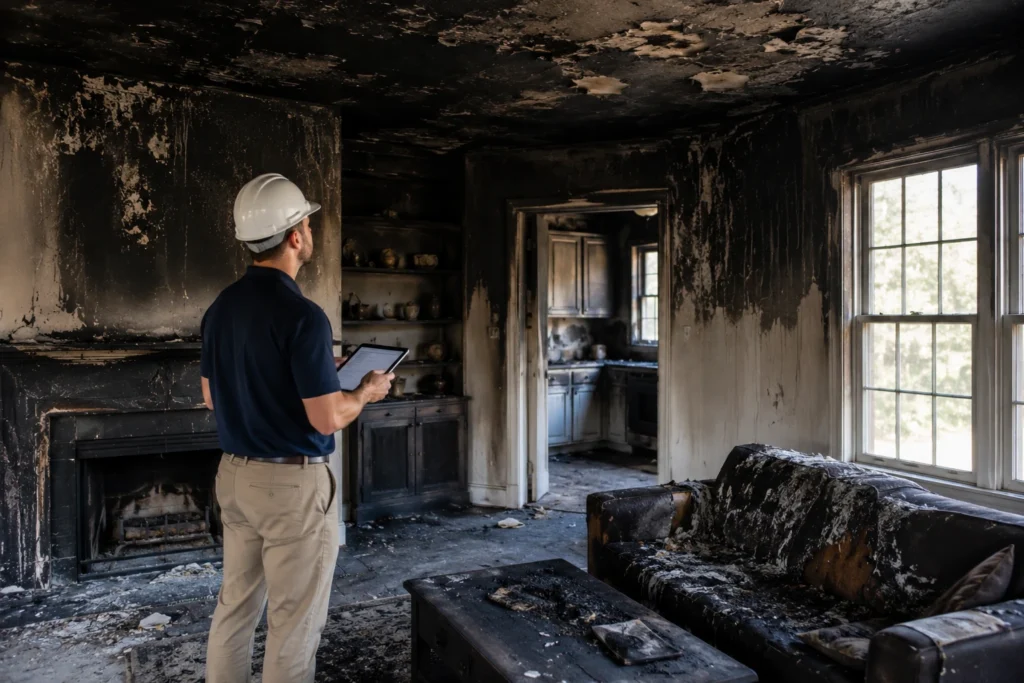
Initial Inspection and Damage Assessment
First, restoration professionals conduct a detailed inspection. During this stage, they evaluate:
- Smoke spread patterns
- Soot contamination levels
- Structural concerns
- HVAC system contamination
- Contents affected by smoke
Additionally, contractors document damage for both remediation planning and insurance purposes. This information often becomes valuable when submitting or negotiating a claim.
Containment Procedures
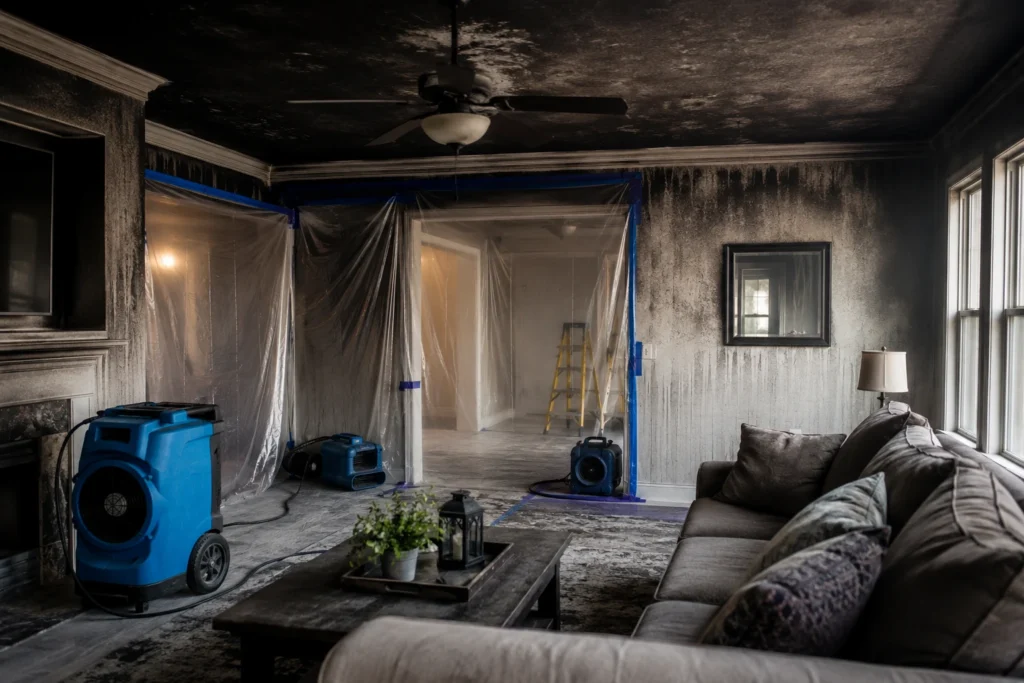
Next, crews establish containment zones. These barriers prevent smoke particles and debris from spreading into unaffected portions of the home. Depending on the project, contractors may install:
- Plastic containment walls
- Negative air pressure systems
- Sealed work areas
- Air filtration equipment
As a result, remediation can proceed more efficiently while reducing exposure risks for occupants.
Soot and Residue Removal
Once containment is established, cleaning begins. However, removing soot requires more than ordinary household cleaning products. Smoke residue can be acidic and may permanently damage surfaces if handled improperly. Therefore, restoration teams often use:
- HEPA vacuum systems
- Specialized dry-cleaning sponges
- Surface-specific cleaning agents
- Professional restoration equipment
The objective is not only to clean visible residue but also to remove hidden contaminants.
Air Purification and Odor Removal
After surface cleaning, attention shifts to indoor air quality. Even when soot is removed, smoke odors can linger. Consequently, professionals frequently use:
- HEPA air scrubbers
- Air movers
- Activated carbon filtration
- Specialized deodorization methods
In some situations, restoration teams may recommend advanced odor-removal treatments. However, these treatments can affect occupancy decisions. Interestingly, fire and smoke incidents may be categorized as an Anthropogenic hazard, meaning a hazard resulting from human activity rather than natural processes. While the term is not commonly used in insurance claims, it highlights how human-caused events can create widespread environmental and property impacts.
Final Testing and Verification
Finally, contractors verify that remediation goals have been achieved. This may include:
- Air quality testing
- Odor assessments
- Visual inspections
- Moisture evaluations
Only after these steps are completed can homeowners confidently determine whether the property is safe for normal occupancy.
When Remediation Methods Make Occupancy Unsafe
One of the biggest factors affecting the answer to Can You Stay in Your Home During Smoke Remediation? involves the methods being used during restoration.
Ozone Treatments
Ozone treatment is sometimes used to neutralize persistent smoke odors. However, occupants cannot remain in the property while ozone generators are operating. This is because ozone can irritate the respiratory system and create health concerns during treatment. Therefore, temporary relocation is typically required.
Thermal Fogging
Similarly, thermal fogging introduces deodorizing agents throughout the structure. Although highly effective, the process may require residents to vacate the home temporarily until ventilation is completed.
Chemical Cleaning Agents
Furthermore, some cleaning products used during remediation release strong fumes. While professionals follow safety guidelines, these products may create discomfort for sensitive individuals. As a result, contractors may recommend leaving the property during certain phases of restoration.
Large-Scale Demolition Activities
In severe cases, damaged materials must be removed. This can involve:
- Drywall removal
- Insulation removal
- Flooring removal
- Ceiling demolition
Naturally, these activities create dust, noise, and safety concerns that may make occupancy impractical.
Can Insurance Cover Temporary Housing Costs?
Fortunately, many homeowners insurance policies include coverage that may help when relocation becomes necessary.
Understanding Additional Living Expenses (ALE)
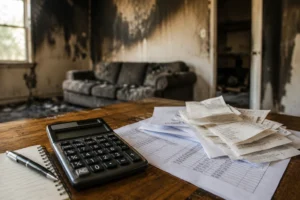
Additional Living Expenses (ALE) coverage helps pay for extra costs incurred when a home becomes temporarily uninhabitable due to a covered loss. Therefore, if smoke remediation requires you to leave the property, ALE coverage may provide financial assistance.
Common Expenses That May Be Covered
| Expense Type | Potential Coverage |
|---|---|
| Hotel accommodations | Often covered |
| Rental housing | Often covered |
| Increased meal expenses | May be covered |
| Laundry services | May be covered |
| Pet boarding | Sometimes covered |
| Transportation costs | May be covered |
However, every policy is different. Consequently, homeowners should carefully review policy language and claim documentation.
Documentation Tips for ALE Claims
To support reimbursement requests:
- Save all receipts
- Track daily expenses
- Maintain contractor communications
- Keep copies of hotel invoices
- Document relocation dates
The better your records, the smoother the reimbursement process tends to be.
Signs You Should Leave the Home During Remediation
In some situations, the warning signs are obvious. In others, they are more subtle. Consider temporary relocation if you notice the following:
Strong Smoke Odors Persist
If smoke odors remain overwhelming despite initial cleanup efforts, contamination may still be present.
Respiratory Symptoms Continue
Persistent coughing, headaches, or breathing difficulties should never be ignored.
Contractors Recommend Relocation
Professional restoration teams evaluate these situations regularly. Therefore, their recommendations deserve serious consideration.
Air Quality Testing Shows Elevated Contaminants
Objective testing often provides the clearest answer. If contamination levels remain elevated, staying may not be advisable.
Major Portions of the Home Are Unusable
Even if safety concerns are limited, daily life becomes difficult when essential areas are inaccessible. As a result, relocation may simply be the most practical option.
How Public Adjusters Help During Smoke Damage Claims
Smoke damage claims can become complicated quickly. Unfortunately, homeowners sometimes discover that the full extent of contamination is not immediately recognized by the insurance carrier.
Evaluating Hidden Damage
Public adjusters often identify issues involving:
- HVAC contamination
- Hidden soot deposits
- Smoke-damaged contents
- Secondary cleaning requirements
Consequently, the scope of damage may be broader than initially estimated.
Reviewing Coverage
Additionally, public adjusters review policy provisions that may include:
- Smoke damage coverage
- Additional Living Expenses
- Contents coverage
- Cleaning and restoration benefits
This review helps ensure available benefits are fully considered.
Supporting Documentation
Strong claims rely on documentation. Therefore, public adjusters frequently assist with:
- Damage inventories
- Inspection reports
- Photographic evidence
- Contractor estimates
Negotiating for Fair Compensation
When disputes arise, professional representation can help support a more complete evaluation of damages. As a result, homeowners may be better positioned to recover the funds needed for proper remediation.
Common Mistakes Homeowners Make During Smoke Remediation
Unfortunately, several common mistakes can complicate recovery efforts.
Staying When Conditions Are Unsafe
Convenience should never outweigh health concerns.
Failing to Document Damage
Photographs and written records often become valuable evidence later in the claim process.
Discarding Damaged Items Too Soon
Before disposing of damaged belongings, verify that they have been properly documented.
Neglecting ALE Documentation
Without receipts and records, reimbursement requests become more difficult.
Accepting Incomplete Remediation
Most importantly, homeowners should ensure remediation addresses the entire scope of contamination rather than only visible damage.
Smoke Remediation Occupancy Checklist
Before deciding whether to remain in the home, ask:
- Has professional air quality testing been completed?
- Is remediation limited to one area?
- Are strong odors still present?
- Is the HVAC system contaminated?
- Are ozone treatments planned?
- Do household members have respiratory conditions?
- Has the contractor recommended relocation?
- Are essential living areas still accessible?
Answering these questions honestly can help guide a safer decision.
Final Thoughts
So, Can You Stay in Your Home During Smoke Remediation? Sometimes. However, the answer depends on contamination levels, remediation methods, air quality, and individual health considerations. When in doubt, prioritize safety. Furthermore, review your insurance coverage carefully, especially Additional Living Expenses benefits. Finally, if questions arise regarding the scope of damage or coverage available, a public adjuster can help ensure your smoke damage claim receives the attention it deserves.
FAQs
It depends on the extent of the smoke damage and the remediation methods being used. Minor, contained damage may allow occupancy, while extensive contamination often requires temporary relocation.
Most projects take anywhere from a few days to several weeks. However, larger losses involving multiple rooms or structural damage may require more time.
Yes. Smoke particles and contaminants can remain present even when odors are no longer noticeable, which is why professional inspections are important.
Many policies include Additional Living Expenses (ALE) coverage if the home is temporarily uninhabitable due to a covered loss. Coverage varies by policy.
Yes. Occupants and pets should leave the property while ozone generators are operating and until the area has been properly ventilated afterward.
Absolutely. Smoke particles can circulate through ductwork and contaminate multiple areas of the home, even if the fire was confined to one room.
Yes. Pets can experience respiratory irritation and other health issues from smoke contamination, making temporary relocation a good option in some situations.
Take photographs of all affected areas and damaged belongings. Additionally, save receipts and maintain records for your insurance claim.
Professional air quality testing, odor assessments, and final inspections can help verify that remediation has been completed successfully and the home is safe for occupancy.
A public adjuster can help document damage, review policy coverage, and negotiate with the insurance company to pursue a fair settlement.