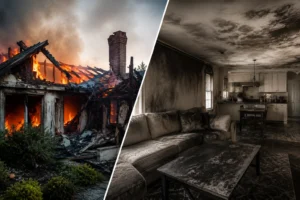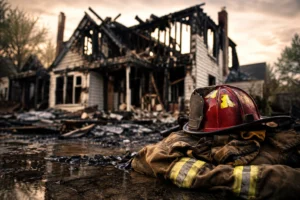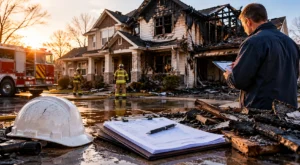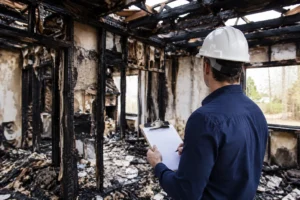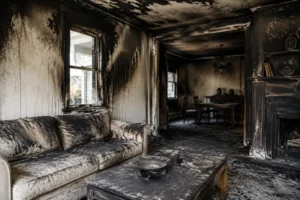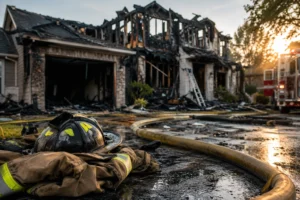

A kitchen fire can turn an ordinary day into a stressful and expensive situation. Within minutes, flames, smoke, and water from firefighting efforts can damage large portions of a home. After the fire is extinguished, many homeowners discover that navigating Kitchen Fire Insurance Claims can be almost as challenging as recovering from the fire itself. Most homeowners expect their insurance company to identify every loss and provide enough compensation to restore their property fully. Unfortunately, that does not always happen. Kitchen fires often create hidden damage, smoke contamination, and repair costs that may not be immediately obvious. Understanding how Kitchen Fire Insurance Claims work can help homeowners protect their rights and pursue a fair settlement.
Understanding Kitchen Fire Insurance Claims
A kitchen fire insurance claim is a request for compensation submitted to a homeowners insurance carrier after a fire causes damage to a property. In many cases, homeowners insurance policies cover fire-related losses. However, coverage depends on factors such as:
- Policy terms
- Coverage limits
- Deductibles
- Exclusions
- The extent of damage
The claims process typically involves an investigation, inspections, estimates, and negotiations before a settlement is reached. While that sounds simple, kitchen fire losses often become complicated because damage extends far beyond the area where the flames originated.
Common Causes of Kitchen Fires
Kitchen fires occur for many reasons, but several causes appear repeatedly in insurance claims.
Unattended Cooking
Cooking equipment left unattended remains one of the leading causes of residential kitchen fires. A distraction lasting only a few minutes can lead to significant property damage.
Grease Fires
Grease burns intensely and spreads quickly. Attempting to extinguish a grease fire improperly can worsen the situation and increase damage throughout the kitchen.
Electrical Problems
Faulty wiring, overloaded circuits, damaged outlets, and defective appliances can all create fire hazards. Electrical fires sometimes begin behind walls, making them difficult to detect early.
Appliance Malfunctions
Microwaves, ovens, refrigerators, and dishwashers occasionally experience mechanical or electrical failures that result in fires.
Gas-Related Incidents
Natural gas leaks and faulty burner connections can cause fires that spread rapidly throughout the cooking area. Regardless of how the fire starts, the resulting insurance claim often involves far more than replacing a few damaged cabinets.
Why Kitchen Fires Cause More Damage Than Most Homeowners Expect
Homeowners frequently focus on visible burn damage. Insurance professionals know that visible damage often represents only a portion of the loss.
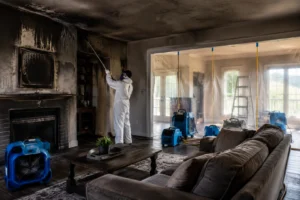
Smoke Damage Travels Throughout the Home
Smoke rarely remains inside the kitchen. Instead, it can spread into:
- Living rooms
- Bedrooms
- Hallways
- Closets
- Attics
- HVAC systems
As a result, rooms untouched by flames may still require professional cleaning and restoration.
Heat Damages Hidden Components
Extreme temperatures can affect materials hidden behind walls and ceilings. Potentially affected areas include:
- Electrical wiring
- Structural framing
- Plumbing systems
- Insulation
Fire behavior can become surprisingly complex during residential losses. Factors such as heat transfer, combustion, and even pyrolysis can influence how materials ignite and how damage spreads throughout a structure.
Water Creates Secondary Damage
Firefighters often use large amounts of water to extinguish a kitchen fire. That water can damage:
- Hardwood flooring
- Drywall
- Cabinets
- Furniture
- Personal belongings
Without prompt mitigation, water damage can become a costly part of Kitchen Fire Insurance Claims.
What Types of Damage May Be Covered?
Every policy is different, but many Kitchen Fire Insurance Claims involve multiple categories of covered damage.
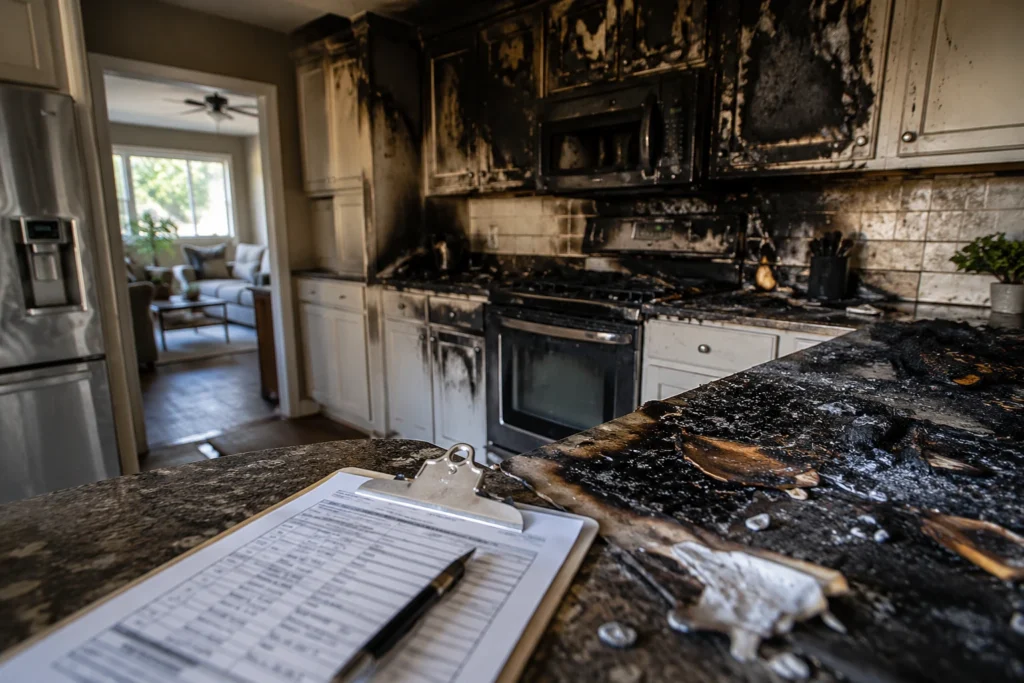
Structural Damage
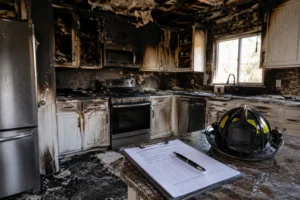
Structural repairs frequently account for a substantial portion of the claim. Affected components may include:
- Cabinets
- Countertops
- Flooring
- Walls
- Ceilings
- Electrical systems
- Built-in appliances
Even relatively small kitchen fires can trigger extensive reconstruction work.
Smoke Damage
Smoke damage often extends far beyond visible soot. Restoration may require:
- Surface cleaning
- Odor removal
- HVAC cleaning
- Repainting
- Material replacement
Because smoke particles penetrate porous materials, remediation costs can become significant.
Water Damage
Water used during firefighting efforts may affect areas untouched by flames. Coverage may include:
- Water extraction
- Structural drying
- Material replacement
- Moisture mitigation
Personal Property Losses
Kitchen fires often affect belongings throughout the home. Examples include:
- Furniture
- Electronics
- Clothing
- Cookware
- Artwork
- Decorative items
Careful documentation is critical when seeking reimbursement for damaged property.
Additional Living Expenses (ALE)
If the property becomes temporarily uninhabitable, homeowners may qualify for Additional Living Expense coverage. This may help pay for:
- Hotel stays
- Temporary housing
- Restaurant meals
- Laundry services
- Additional transportation costs
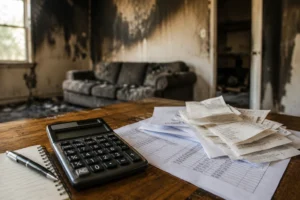
Keeping receipts throughout the recovery process is essential.
Immediate Steps After a Kitchen Fire
The actions taken immediately after a loss can significantly impact the outcome of Kitchen Fire Insurance Claims.
Prioritize Safety
Safety always comes first. Follow instructions provided by:
- Fire departments
- Emergency responders
- Building officials
Do not enter the property until it has been declared safe.
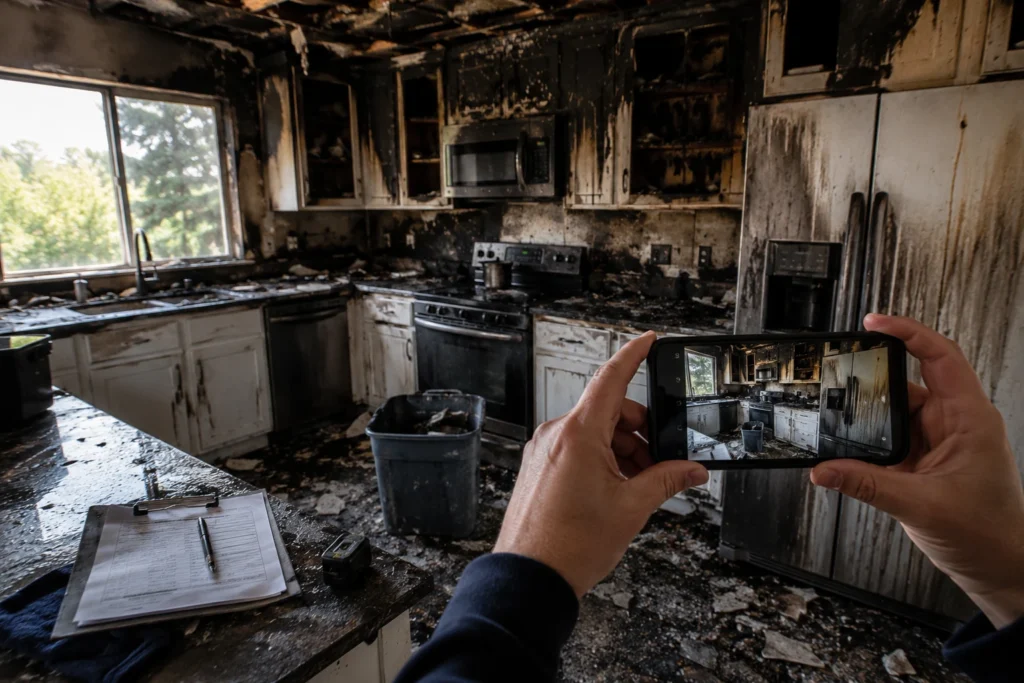
Document the Damage Thoroughly
Once access is allowed, begin documenting conditions immediately. Photograph:
- Fire damage
- Smoke staining
- Water damage
- Damaged personal property
- Structural conditions
Take photographs from multiple angles and distances. The more evidence available, the stronger the claim file becomes.
Record Video Walkthroughs
Video documentation provides valuable context. Walk through the property slowly while describing visible damage. This creates a useful record that may support future claim discussions.
Protect the Property From Further Damage
Most insurance policies require homeowners to take reasonable steps to prevent additional damage. Examples include:
- Boarding broken windows
- Installing temporary roof coverings
- Removing standing water
- Securing exposed areas
Retain all invoices and receipts associated with emergency mitigation efforts.
Notify the Insurance Company Promptly
Report the loss as soon as reasonably possible. When speaking with the insurer:
- Provide accurate information
- Avoid speculation
- Request claim documentation
- Maintain written records of communications
Strong documentation often leads to stronger claim outcomes.
The Kitchen Fire Insurance Claims Process
Understanding the claims process helps homeowners prepare for what comes next.
Initial Claim Reporting
The process begins when the loss is reported to the insurance carrier. The insurer typically assigns:
- A claim number
- A claims representative
- An insurance adjuster
Keep this information organized and readily accessible.
Insurance Adjuster Inspection
The insurance adjuster visits the property to assess the damage. The inspection usually focuses on:
- Fire damage
- Smoke contamination
- Water damage
- Structural impacts
- Personal property losses
The findings from this inspection often influence the insurer’s estimate and settlement offer.
Damage Assessment and Estimating
After the inspection, the insurance company prepares an estimate outlining repair costs. This estimate becomes one of the most important documents in Kitchen Fire Insurance Claims. Unfortunately, not every estimate captures the full scope of damage.
Review of Policy Coverage
The insurance company reviews the policy to determine:
- Covered damages
- Applicable exclusions
- Deductibles
- Coverage limits
Understanding these provisions is important before accepting any settlement offer.
Common Challenges in Kitchen Fire Insurance Claims
Not every claim proceeds smoothly. Several issues commonly arise during Kitchen Fire Insurance Claims.
Smoke Damage Is Often Underestimated
Smoke contamination can affect far more than visible surfaces. Hidden damage may exist inside:
- HVAC systems
- Insulation
- Fabrics
- Electronics
- Stored belongings
As a result, restoration costs may exceed the initial estimate.
Hidden Structural Damage
Heat exposure can weaken materials that appear undamaged. Examples include:
- Framing components
- Electrical wiring
- Insulation
- Mechanical systems
Additional damage is often discovered after demolition begins.
Personal Property Valuation Disputes
Insurance companies and homeowners sometimes disagree on the value of damaged belongings. Common disputes involve:
- Depreciation
- Replacement cost
- Item condition
- Age of property
Maintaining a detailed inventory can help support a more accurate valuation.
Questions About Cause and Origin
Kitchen fires occasionally trigger detailed investigations into how the fire started. During claim investigations, experts often rely on highly specialized fields of study to evaluate damage patterns and equipment failures. Similar to how tribology examines friction and wear in mechanical systems, fire investigators frequently analyze subtle physical evidence to determine the extent and cause of damage.
Incomplete Repair Scopes
Insurance estimates sometimes focus primarily on visible damage. However, important repair items may be overlooked.
| Commonly Missed Item | Why It Matters |
|---|---|
| Electrical Wiring | Heat exposure may compromise safety |
| Insulation | Smoke contamination often requires replacement |
| HVAC Cleaning | Prevents soot from recirculating |
| Cabinet Matching | Helps restore a consistent appearance |
| Code Upgrades | May be required during reconstruction |
Missing items can significantly affect the value of Kitchen Fire Insurance Claims and ultimately impact the homeowner’s financial recovery.
How to Properly Document a Kitchen Fire Claim
Strong documentation is one of the most effective ways to support Kitchen Fire Insurance Claims. Insurance companies make decisions based on evidence. The more organized and complete that evidence is, the easier it becomes to demonstrate the full extent of the loss.
Photographs Every Homeowner Should Take
Photographs should capture both overall conditions and specific damage. Important images include:
- Entire room overviews
- Burned cabinets
- Damaged appliances
- Smoke staining
- Water damage
- Damaged flooring
- Personal property losses
Take photos before cleanup begins whenever possible.
Create a Detailed Personal Property Inventory
Many homeowners underestimate how much property was affected until they begin creating a list. Document:
- Item descriptions
- Approximate age
- Original purchase price
- Replacement cost estimates
- Photographs when available
A thorough inventory can significantly improve the accuracy of a settlement.
Save Every Receipt
Expenses add up quickly after a kitchen fire. Keep records for:
- Temporary housing
- Meals
- Cleaning services
- Emergency repairs
- Storage costs
- Replacement necessities
Even small expenses may qualify for reimbursement under the policy.
Obtain Independent Repair Estimates
Contractor estimates often reveal repair items that were not included in the initial insurance estimate. Comparing multiple estimates can provide a clearer understanding of the actual scope of work required.
Maintain a Communication Log
Keep a record of every conversation related to the claim. Track:
- Dates
- Times
- Names
- Phone numbers
- Discussion summaries
Good recordkeeping helps prevent misunderstandings and creates a clear timeline.
Why Kitchen Fire Claims Are Frequently Undervalued
One of the most frustrating aspects of Kitchen Fire Insurance Claims is discovering that the initial settlement offer may not fully account for all damages. Several factors contribute to undervalued claims.
Smoke Damage Is Expensive
Many people think smoke cleanup involves simply wiping down surfaces. In reality, smoke particles can penetrate:
- Drywall
- Insulation
- Upholstery
- HVAC systems
- Wood materials
Professional cleaning and odor remediation often require specialized equipment and significant labor.
Cabinet Matching Creates Challenges
Suppose a fire damages only a portion of the kitchen cabinets. The insurer may propose replacing only the damaged sections. However, matching older cabinet styles, colors, and finishes can be difficult or impossible. Partial replacement may leave the homeowner with a mismatched kitchen.
Electrical System Concerns
Heat exposure can affect wiring behind walls even when visible damage appears minimal. Licensed electricians often recommend inspections or replacement of affected components to ensure safety.
Building Code Upgrades
Many homes contain features that no longer comply with current building codes. During reconstruction, local requirements may trigger mandatory upgrades. Potential examples include:
- Electrical improvements
- Ventilation modifications
- Safety enhancements
- Fire-resistant materials
These costs are frequently overlooked during initial evaluations.
Hidden Damage Behind Walls
Visible damage tells only part of the story. Demolition often reveals:
- Smoke contamination
- Heat damage
- Water intrusion
- Structural concerns
As repairs progress, additional work may become necessary.
How a Public Adjuster Can Help With Kitchen Fire Insurance Claims
Most homeowners file only a few major insurance claims during their lifetime. Insurance companies, on the other hand, handle claims every day. That experience gap can create challenges. A public adjuster works exclusively for the policyholder rather than the insurance company.
Independent Damage Evaluation
Public adjusters perform their own inspection of the loss. This independent review often identifies:
- Missed damage
- Incomplete estimates
- Additional covered losses
The goal is to develop a complete understanding of the claim.
Accurate Scope Development
Kitchen fires often involve multiple categories of damage. A comprehensive scope may include:
- Structural repairs
- Smoke remediation
- Water mitigation
- Personal property losses
- Additional living expenses
The more accurate the scope, the more accurate the claim valuation.
Policy Interpretation Assistance
Insurance policies contain detailed language that can be difficult for homeowners to interpret. A public adjuster helps identify:
- Applicable coverages
- Potential limitations
- Relevant endorsements
- Claim opportunities
Negotiating With the Insurance Company
Negotiation is often a significant part of Kitchen Fire Insurance Claims. A public adjuster presents documentation, supports repair estimates, and works to resolve disputes regarding the value of the loss.
Maximizing Eligible Compensation
The objective is not to inflate the claim. The objective is to ensure every covered damage is properly documented and considered. That distinction matters.
Kitchen Fire Insurance Claims in Texas
Texas homeowners face unique considerations when dealing with fire-related losses.
Understanding Policy Language Matters
Insurance policies are legal contracts. The exact wording of the policy often determines:
- What is covered
- What is excluded
- How losses are valued
- What obligations apply to the homeowner
Careful review is essential.
Fire Damage Often Extends Beyond the Kitchen
In Texas homes, open floor plans can allow smoke and soot to spread quickly throughout large portions of the property. As a result, damage may affect:
- Living rooms
- Dining areas
- Hallways
- Bedrooms
- HVAC systems
The final repair scope may be much larger than homeowners initially expect.
Local Experience Can Make a Difference
Repair pricing varies significantly by market. Contractors familiar with Texas construction costs, labor rates, and code requirements often provide valuable insight during the claims process.
Mistakes Homeowners Should Avoid
Certain mistakes can make Kitchen Fire Insurance Claims more difficult than necessary. Avoiding these issues can help protect the value of the claim.
Throwing Away Damaged Property Too Soon
Damaged items may serve as evidence. Whenever practical, photograph and document items before disposal.
Accepting the First Settlement Immediately
The first offer may not always reflect the full scope of damage. Review estimates carefully before agreeing to a settlement.
Failing to Track Expenses
Additional Living Expenses often require documentation. Without receipts, reimbursement may become more difficult.
Beginning Major Repairs Too Quickly
Emergency mitigation is usually necessary. However, major reconstruction should generally be coordinated with the claims process to avoid disputes regarding scope and cost.
Missing Important Deadlines
Insurance policies often contain reporting requirements and deadlines. Staying organized helps prevent unnecessary complications.
Conclusion
A kitchen fire can leave behind far more damage than most homeowners realize. Beyond the visible burn damage, smoke contamination, water intrusion, and hidden structural issues can significantly increase repair costs. Successful Kitchen Fire Insurance Claims depend on thorough documentation, accurate damage assessments, and a clear understanding of policy coverage. By acting quickly, keeping detailed records, and carefully reviewing settlement offers, Texas homeowners can better protect their financial recovery and restore their property with confidence.
FAQs
Most standard homeowners’ insurance policies cover fire damage, subject to policy terms, limits, and deductibles.
You should notify your insurance company as soon as possible after the fire and once everyone is safe.
In many cases, yes. Smoke damage that affects other areas of the home is often covered under the policy.
Coverage may apply to appliances damaged by fire, smoke, or firefighting efforts, depending on the policy.
Take detailed photos and videos of all damage before removing debris or beginning cleanup.
If the home is uninhabitable, Additional Living Expense coverage may help pay for temporary housing and related costs.
Insurance estimates sometimes miss hidden damage, code upgrades, or repair items that contractors identify during inspections.
Whenever possible, keep damaged items until the insurance company has documented or inspected them.
Yes. Smoke can travel through hallways, vents, and HVAC systems, affecting rooms throughout the home.
A public adjuster may be helpful if the claim is complex, disputed, underpaid, or involves significant fire and smoke damage.