

Property damage in Katy can escalate quickly. A spring thunderstorm may leave subtle hail impacts across a roof, a tropical system can push wind-driven rain through damaged flashing, and a plumbing failure can affect several rooms before the source is discovered. When the insurance company’s estimate does not reflect the full scope of the loss, a public adjuster in Katy can help document the damage and represent the property owner throughout the claim.
TX Public Adjusting assists residential and commercial policyholders with property damage claims in Katy and surrounding communities. We review insurance estimates, inspect damaged areas, prepare detailed claim documentation, and negotiate from the policyholder’s side of the claim.
TX Public Adjusting operates through Rise Public Adjusting LLC, Texas License #3356839.
Free Claim Review | No Upfront Fees | Residential and Commercial Claims
Contact TX Public Adjusting before accepting a settlement that may leave important repairs unpaid.
Property Damage Claims in Katy Require Local Experience
Katy sits west of Houston at the meeting point of Harris, Fort Bend, and Waller counties. The incorporated city is surrounded by a much larger Greater Katy area that includes established neighborhoods, master-planned communities, retail centers, schools, warehouses, medical offices, and rapidly developing residential corridors.
That growth creates a wide range of insurance claim situations. A hailstorm may affect roofs and exterior finishes in Cinco Ranch and Seven Meadows. Heavy rainfall may cause drainage backups or water intrusion near low-lying streets and channels. Strong winds can damage newer homes in Elyson, Cane Island, and Sunterra just as easily as older properties near Historic Downtown Katy.
The City of Katy identifies inland flooding as a significant hurricane-related threat because prolonged rainfall can overwhelm drainage systems and affect streets, homes, and businesses, particularly around creeks and drainage channels. The city also warns residents about damaging winds, tornadoes, large hail, flash flooding, and winter weather.
A Katy insurance claim may involve more than one type of damage. Wind can loosen shingles before rain enters the attic. Hail can damage roofing, gutters, vents, window screens, fences, and air-conditioning components during the same storm. Water may travel behind walls or beneath flooring, creating hidden damage that is easy to leave out of an early estimate.
A local claim needs more than a quick surface inspection. It needs a complete scope.
Why Property Owners Hire a Public Adjuster in Katy
The insurance company assigns an adjuster to investigate the claim for the carrier. A public adjuster works for the policyholder. Understanding the difference between a public adjuster and an insurance adjuster for a hail claim can help Katy property owners determine whose interests each professional represents during the inspection and estimating process.
That distinction matters when the initial estimate contains missing rooms, incomplete roof measurements, limited material quantities, or repair pricing that does not reflect the work needed to return the property to its pre-loss condition.
Katy property owners commonly hire a public insurance adjuster when:
- The insurance settlement appears too low
- The carrier denied part or all of the claim
- Storm damage was classified as wear and tear
- The adjuster missed interior or exterior damage
- The roof estimate covers spot repairs instead of the documented scope
- Water damage spread beyond the area included in the estimate
- The claim involves a commercial building or multiple tenants
- Depreciation, deductibles, exclusions, or endorsements are unclear
- The owner does not have time to manage inspections and claim communications
- The property owner wants an independent review before signing a release or accepting payment
A public adjuster does not guarantee a particular outcome. The role is to identify covered damage, document the loss thoroughly, prepare a supportable claim position, and advocate for the policyholder under the terms of the policy.
Katy’s Most Common Weather and Property Risks
Katy is far enough inland that it does not face direct coastal storm surge, but it remains exposed to Gulf Coast weather systems. Tropical storms and hurricanes can bring sustained rain, wind, falling trees, roof damage, power interruptions, and water intrusion deep into the Houston region.
Heavy Rain and Inland Flooding
Flooding and water accumulation are major concerns across Greater Katy. Intense rainfall can overwhelm streets, neighborhood drainage systems, detention areas, and nearby channels. Even properties outside a mapped high-risk flood zone may experience drainage problems, roof leaks, or water entering through doors, windows, and exterior walls.
Flood insurance and standard property insurance are not the same. Water entering from rising surface water may be treated differently from rain entering through a storm-created roof opening. The cause of loss, policy wording, and sequence of events can determine how the carrier evaluates the claim.
Hail and Severe Thunderstorms
Katy can receive severe thunderstorms capable of producing hail, strong wind, lightning, and sudden downpours. Hail damage is not always obvious from the ground. Shingle bruising, fractured mats, displaced granules, dented soft metals, cracked vents, and damaged roof accessories may require a close inspection.
A rushed roof inspection may document only a few test squares while overlooking collateral damage to gutters, downspouts, fencing, garage doors, window screens, siding, exterior lighting, and HVAC equipment. Property owners who suspect storm-related roof damage can review our hail damage roof insurance claim guide for information about inspections, documentation, carrier estimates, and commonly disputed roofing components.
Hurricane and Tropical-Storm Winds
The Katy area may experience damaging wind even when the storm’s center passes elsewhere. Wind can lift shingles, loosen flashing, damage ridge caps, bend metal panels, break branches, and drive rain into vulnerable openings.
The resulting claim may involve both exterior and interior repairs. When the carrier recognizes only the visible roof damage but omits wet insulation, ceiling finishes, paint, flooring, or contents, the estimate may fall short of the actual loss. Because tropical systems can cause roof, exterior, interior, tree, and water-related losses at the same property, owners may benefit from reviewing the common types of property damage after a hurricane before documenting the claim.
Freezes and Broken Pipes
Hard freezes are less frequent than summer storms, but they can cause widespread losses when unprotected plumbing freezes and ruptures. Water may spread through ceilings, walls, cabinets, flooring, insulation, and electrical systems.
Freeze claims can become complicated when the carrier questions heat maintenance, vacancy, mitigation timing, or whether the damaged material can be dried instead of replaced.
Common Insurance Claims in Katy
Hail Damage Claims
Hail claims are common throughout the Houston metropolitan region. Damage may affect asphalt shingles, metal roofing, tile, gutters, flashing, roof vents, siding, fencing, windows, exterior paint, and mechanical equipment. Taking clear photographs before temporary repairs begin can help preserve evidence, and our guide explains how to document hail damage for an insurance claim without overlooking important exterior components.
Insurance disagreements often involve whether the marks are functional damage, cosmetic damage, manufacturing defects, age-related deterioration, or ordinary wear. A public adjuster in Katy can review the roof and collateral damage together rather than evaluating each component in isolation. When the carrier attributes the damage to age, deterioration, or cosmetic conditions, Katy property owners should understand what to do if a hail claim was denied before accepting the decision as final.
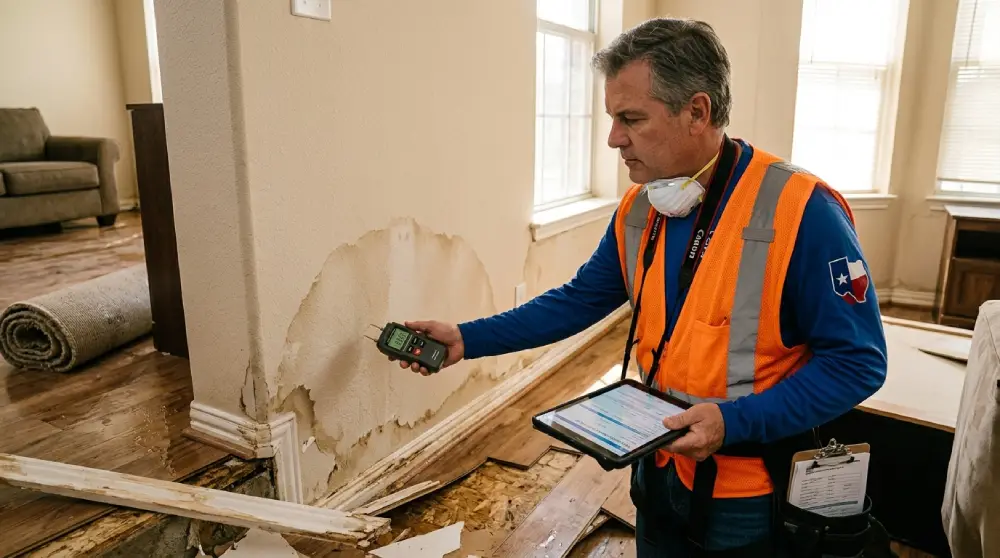
Water Damage Claims
Water losses may result from plumbing failures, appliance leaks, overflowing fixtures, roof openings, HVAC drain problems, broken supply lines, or storm-driven rain.
A proper claim scope may include:
- Water extraction
- Drying and dehumidification
- Moisture mapping
- Removal of damaged drywall and insulation
- Cabinet or vanity work
- Flooring removal and replacement
- Baseboards, trim, texture, and paint
- Personal property documentation
- Mold-related evaluation when applicable
- Temporary repairs and emergency services
The visible stain is rarely the full scope of a serious water loss. A water damage public adjuster can help determine whether the carrier’s estimate accounts for demolition, drying, access, material replacement, matching, and repairs to adjoining finishes.
Fire and Smoke Damage Claims
Fire claims can involve structural repairs, smoke residue, soot, odor treatment, damaged personal property, debris removal, electrical work, HVAC cleaning, temporary housing, and business interruption.
Smoke can travel through wall cavities, ductwork, attics, and rooms far from the ignition point. A carrier estimate that focuses only on the burned area may overlook widespread cleaning, sealing, deodorization, and contents-related costs. For larger losses involving structural repairs, contents, smoke residue, debris removal, and additional living expenses, a fire insurance adjuster can help organize the separate parts of the claim into one documented presentation.
Storm and Wind Damage Claims
Wind claims may include roofing, siding, windows, exterior doors, fences, detached structures, trees, interior water damage, and temporary protection.
Storm claims often become disputed when the insurer argues that the roof failed because of age or maintenance rather than wind. Clear photographs, weather information, repair history, material condition, and a detailed damage assessment can help establish the claim record.
Roof Damage Claims
Roof claims are frequently under-scoped because the roof is treated as a single line item. A complete estimate may also require work involving underlayment, flashing, vents, drip edge, starter materials, valleys, steep-slope charges, access considerations, code-related components, and adjacent exterior items. A closer review may reveal flashing, ventilation, underlayment, steep-slope labor, or code-related items that were excluded from the first estimate. Learn more about what insurance adjusters miss on roof claims before approving a limited repair scope.
Some Katy homes have complex rooflines, multiple elevations, attached garages, patio covers, solar equipment, or mixed materials. These features require careful measurements and documentation. When the carrier recommends a repair that does not match the documented damage, a public adjuster for a roof claim can review the measurements, materials, estimate, and related interior or exterior losses.
Commercial Property Claims
Katy has a broad commercial property base along Interstate 10, the Grand Parkway, Katy Freeway frontage roads, Mason Road, Katy Fort Bend Road, and growing retail and industrial corridors.
We assist with claims involving:
- Retail centers
- Restaurants
- Offices
- Medical properties
- Warehouses
- Churches
- Apartment and multifamily properties
- Self-storage facilities
- Industrial buildings
- Mixed-use properties
Owners of retail centers, offices, warehouses, restaurants, multifamily buildings, and other business properties can learn more about our commercial property claim services for complex building, equipment, inventory, and income-related losses. Commercial losses may include building damage, tenant improvements, equipment, inventory, code requirements, temporary repairs, lost income, extra expenses, and delayed reopening.
A commercial public adjuster can coordinate the documentation needed to present these connected parts of the loss.
Why Katy Insurance Claims Become Underpaid
An underpaid claim does not always begin with an obvious denial. It often begins with a short estimate that appears organized but leaves out necessary work.
Missed Damage
Some damage is difficult to see during a brief inspection. Moisture may remain behind cabinets or beneath floors. Roof impacts may be visible only from specific angles. Wind-driven rain may affect insulation and interior finishes several feet from the entry point.
Scope Omissions
An estimate may include replacement of one material but omit the labor needed to access it, detach surrounding components, remove debris, prepare the surface, or reinstall affected finishes. Roofing estimates often leave out accessories, labor, measurements, and related exterior damage, which is why some losses require hail damage claim supplements supported by photographs and a detailed line-item scope.
For example, replacing damaged flooring may also require baseboard work, transitions, furniture moving, underlayment, floor preparation, and painting.
Depreciation Problems
Recoverable depreciation, nonrecoverable depreciation, actual cash value, and replacement cost are not interchangeable. The amounts withheld and the requirements for recovering them depend on the policy and claim circumstances.
Property owners may accept an initial payment without understanding which additional amounts may become available after repairs.
Low Repair Estimates
Carrier pricing may not match current contractor proposals, specialized labor, material availability, access requirements, or the actual construction of the property.
A low estimate can also result from inaccurate quantities. Even reasonable unit pricing produces an inadequate result when measurements or material counts are wrong.
Documentation Gaps
A valid loss can become difficult to prove when there are few photographs, incomplete inventories, missing invoices, unclear repair history, or limited communication records.
Documentation should establish what happened, when it happened, what was damaged, what emergency work was required, and what repairs are reasonably necessary.
Our Public Adjusting Process
1. Claim Review
We review the available policy information, carrier estimate, payment letters, photographs, contractor proposals, and prior claim communications.
The goal is to identify missing information, potential scope issues, and the next practical step.
2. Property Inspection
We inspect the reported damage and evaluate related areas that may have been affected. Depending on the loss, the inspection may include roofing, exterior elevations, interior rooms, commercial spaces, equipment, contents, or moisture-affected materials.
3. Documentation and Scope Preparation
We organize photographs, measurements, estimates, inventories, reports, receipts, and other supporting information into a clear claim presentation.
A strong claim file should explain the damage, not force the reviewer to guess.
4. Claim Communication and Negotiation
TX Public Adjusting communicates with the insurance carrier regarding the documented scope and disputed items. We respond to questions, present supporting materials, and address differences between the carrier’s estimate and the claimed repairs.
5. Settlement and Claim Resolution
We continue working through the claim process until the documented issues have been addressed or the available adjusting process has reached its conclusion.
The final payment remains subject to policy terms, coverage decisions, deductibles, depreciation, exclusions, limits, and the evidence supporting the loss.
Concerned that your Katy property claim is missing damage? Request a free claim review before closing the file.
What Makes Katy Claims Different
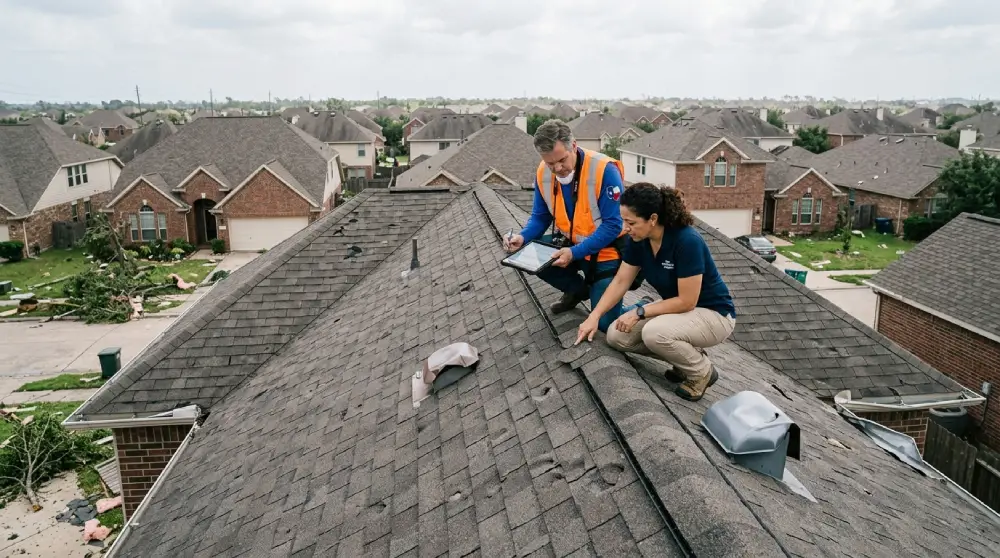
Greater Katy is not one uniform market. Construction types, roof systems, drainage patterns, building ages, and property uses vary considerably from one side of the area to another.
Historic Downtown Katy and older neighborhoods near Avenue D, Highway Boulevard, and Katyland Drive may involve mature trees, older plumbing, previous roof layers, and construction details that differ from newer master-planned developments.
Cinco Ranch, Grand Lakes, Seven Meadows, Firethorne, and Pine Mill Ranch include large residential properties with complex roofs, multiple exterior materials, detached structures, and extensive interior finishes.
Newer communities such as Elyson, Cane Island, Sunterra, Tamarron, and Jordan Ranch may have recently constructed homes, but new construction is not immune to hail, wind, water intrusion, or drainage-related loss. HAR’s Katy neighborhood directory lists communities including Elyson, Sunterra, Cinco Ranch Southwest, Tamarron, Morton Creek Ranch, Jasmine Heights, and Cinco Ranch West among the area’s active subdivisions.
Commercial properties near Katy Mills, LaCenterra at Cinco Ranch, Katy Asian Town, and the Interstate 10 corridor may have flat or low-slope roofs, rooftop equipment, signage, inventory, tenant improvements, and income-related losses.
These differences affect inspections, repair scopes, and claim documentation.
Why Choose TX Public Adjusting
Licensed Texas Public Adjuster
TX Public Adjusting operates through Rise Public Adjusting LLC, Texas License #3356839.
Representation for Policyholders
We work for property owners, not insurance companies. Our responsibility is to document the policyholder’s loss and advocate for a fair review of the claim.
Residential and Commercial Experience
Our experience includes thousands of claim reviews involving homes, businesses, multifamily properties, roofs, water losses, fires, storms, and complex commercial damage.
Texas-Focused Claim Knowledge
Texas claims may involve hail, wind, hurricanes, freezes, water damage, code issues, depreciation, deductibles, supplements, and disputed repair scopes. Our work is focused on the conditions Texas property owners regularly face.
Detailed Claim Documentation
A claim is stronger when it is organized. We focus on measurements, photographs, estimates, inventories, supporting records, and clear explanations of disputed items.
No Upfront Fees
TX Public Adjusting provides a free initial claim review and does not charge an upfront fee for public adjusting representation. Applicable fees and terms are explained in the service agreement before representation begins.
Areas We Serve Near Katy
TX Public Adjusting serves property owners throughout Katy and nearby communities, including:
- Historic Downtown Katy
- Old Towne Katy
- Cinco Ranch
- Seven Meadows
- Grand Lakes
- Elyson
- Cane Island
- Firethorne
- Pine Mill Ranch
- Silver Ranch
- Tamarron
- Falcon Ranch
- Nottingham Country
- Green Trails
- Cross Creek Ranch
- Jordan Ranch
- Fulshear
- Brookshire
- Pattison
- Richmond
- Cypress
- West Houston
- Energy Corridor
- Harris County
- Fort Bend County
- Waller County
Katy’s location at the junction of Harris, Fort Bend, and Waller counties makes it a distinctive service area with both incorporated and unincorporated communities.
Frequently Asked Questions
What does a public adjuster in Katy do?
A public adjuster represents the policyholder during a property insurance claim. The adjuster reviews the loss, inspects the property, documents covered damage, prepares a repair scope, and communicates with the insurance carrier. Our detailed guide explaining what a public adjuster does covers inspections, claim documentation, estimating, carrier communication, and representation for policyholders.
Unlike the insurance company’s adjuster, a public adjuster does not work for the carrier. TX Public Adjusting works on behalf of Katy homeowners and commercial property owners.
When should I hire a public adjuster for a Katy property claim?
Consider hiring a public adjuster when the loss is significant, the estimate appears incomplete, the claim was denied, or the carrier has not addressed documented damage.
It can be helpful to request a review before accepting a final payment or closing the claim. Earlier involvement may make it easier to preserve evidence and organize the documentation.
Can a public adjuster help after my claim has already been paid?
Possibly. An initial payment does not always mean every claim issue has been resolved. A public adjuster may review the estimate, payment letters, policy provisions, and remaining damage to determine whether additional documentation or a supplement may be appropriate.
The available options depend on the claim status, policy requirements, deadlines, prior agreements, and the evidence supporting additional damage. Property owners who are unsure about claim deadlines or the status of a previously paid loss can review when it is too late to hire a public adjuster and request a professional claim review before taking further action.
What if my Katy roof claim was denied because of wear and tear?
Age and maintenance can affect a roof claim, but they do not automatically establish the cause of every damaged component. The key question is whether a covered event caused direct physical damage during the policy period.
A review may include photographs, repair history, storm information, roof materials, collateral damage, and the carrier’s inspection findings.
Does homeowners insurance cover flooding in Katy?
Standard homeowners policies generally treat rising surface water differently from water entering through a covered storm-created opening or an accidental plumbing loss.
Coverage depends on the source of the water and the specific policy. Katy property owners should not assume that every form of water damage is covered—or excluded—under the same provision.
Can you help with a hurricane or tropical-storm claim in Katy?
Yes. Katy may experience wind, heavy rainfall, falling trees, roof openings, interior water damage, power-related damage, and commercial interruption during Gulf Coast storms.
We review the connected damage and help document the full claim rather than focusing on only the most visible item.
How much does a public adjuster cost in Texas?
Public adjusters typically work under a written fee agreement based on the claim recovery, subject to Texas law and the terms of the contract.
TX Public Adjusting offers a free initial claim review and does not require an upfront public adjusting fee. The fee structure is explained before a service agreement is signed.
How long does a Katy property insurance claim take?
The timeline depends on the type of loss, severity of damage, policy, inspection schedule, documentation, contractor input, carrier response, and whether the scope or coverage is disputed. When communication stalls after a loss is reported, property owners may also want to understand how long an insurance adjuster has to contact you and what records to keep while awaiting a response.
A straightforward claim may move faster than a large commercial loss, fire claim, or underpaid storm claim requiring additional inspections and negotiations.
Do I still need a contractor if I hire a public adjuster?
A public adjuster and a contractor perform different roles. The public adjuster documents and negotiates the insurance claim. The contractor performs or proposes the repair work.
Property owners should use qualified contractors for repair decisions while keeping claim representation separate and clearly defined.
Can TX Public Adjusting help with commercial claims in Katy?
Yes. We assist owners of retail, office, warehouse, restaurant, multifamily, church, medical, self-storage, and other commercial properties.
Commercial claims may involve building repairs, equipment, inventory, tenant improvements, business income, extra expenses, and temporary measures required to protect the property.
Get a Free Katy Insurance Claim Review
A low estimate can create a large gap between what the insurance company allows and what the property actually requires.
TX Public Adjusting helps Katy property owners identify missing damage, organize claim documentation, review carrier estimates, and present a detailed claim from the policyholder’s side.
TX Public Adjusting
Rise Public Adjusting LLC
Texas License #3356839
Request your free claim review today.
There are no upfront fees, and we handle both residential and commercial property damage claims throughout Katy, Harris County, Fort Bend County, Waller County, and surrounding Texas communities.