

If you’re dealing with property damage in Wylie, TX, hiring the right public adjuster can make a significant difference in the outcome of your insurance claim. Whether your home was damaged by a spring hailstorm, straight-line winds, a plumbing failure, or a commercial property suffered storm-related losses, navigating the claims process can quickly become overwhelming. Insurance policies are complex, and many property owners don’t realize the full extent of covered damage until long after the insurance company’s inspection.
TX Public Adjusting, operating as Rise Public Adjusting LLC, proudly represents residential and commercial property owners throughout Wylie and across Texas. As a Licensed Texas Public Adjuster (License #3356839), we work exclusively for policyholders—not insurance companies. Our objective is simple: document the full extent of your covered damage, prepare a thoroughly supported claim, and negotiate for the settlement your policy provides.
Whether your property is located near Historic Downtown Wylie, Woodbridge, Inspiration, Bozman Farms, or along FM 544 and State Highway 78, our team understands the weather events and insurance claim challenges that affect property owners throughout the area.
Schedule a Free Claim Review today. There are no upfront fees, and we don’t get paid unless we recover for you.
Why Property Owners in Wylie Hire a Public Adjuster
Wylie has experienced remarkable growth over the past two decades. Located primarily in Collin County, with portions extending into Dallas County, the city combines established neighborhoods with rapidly expanding residential developments. New construction and older homes alike remain vulnerable to North Texas weather.
Unlike many parts of Texas that primarily face hurricane risks, Wylie property owners frequently deal with:
- Large hail
- Severe thunderstorms
- Straight-line wind events
- Tornadic activity
- Heavy rainfall
- Roof damage
- Water intrusion
- Fallen trees
- Lightning-related losses
These events often create damage that extends well beyond what is immediately visible. A roof may show only minor cosmetic impacts while concealed water intrusion damages decking, insulation, drywall, electrical systems, or attic components.
Insurance company inspections can sometimes be brief and focused primarily on visible damage. Important portions of a loss—including code-required upgrades, hidden moisture damage, detached structures, fencing, exterior features, and interior finishes—may receive little attention if they are not properly documented. If your insurer later denies coverage, our article on what to do if your hail claim was denied explains common next steps available to Texas property owners.
That’s where a licensed public adjuster becomes valuable. If you’re unfamiliar with the role, our complete guide explaining what a public adjuster does walks through the claims process from start to finish.
We represent your interests throughout the claims process by:
- Performing comprehensive property inspections
- Documenting all covered damage
- Reviewing policy language
- Preparing detailed estimates
- Organizing supporting evidence
- Meeting with carrier representatives
- Negotiating directly with the insurance company
Rather than accepting the insurer’s initial evaluation at face value, we work to ensure every covered portion of your loss is fully considered.
Common Insurance Claims in Wylie, TX
Because of Wylie’s location within the Dallas-Fort Worth Metroplex, property owners regularly encounter severe weather capable of producing substantial property damage.
Hail Damage Claims
North Texas is one of the most active hail regions in the country. If you’re unsure whether your roof or exterior sustained covered storm damage, our hail damage insurance claim guide explains how to identify damage, document your losses, and strengthen your insurance claim.
Large hailstones can damage:
- Asphalt shingles
- Metal roofing
- Tile roofing
- Gutters
- Siding
- Skylights
- Solar panels
- HVAC equipment
- Windows
- Exterior paint
Some hail damage is immediately obvious.
Other impacts gradually reduce a roof’s lifespan, weaken waterproof barriers, and allow future leaks to develop months after the storm.
Proper documentation requires more than photographs. Our guide on how to document hail damage for an insurance claim provides practical tips for collecting the evidence insurers often require. It often involves identifying impact density, testing affected materials, documenting collateral damage, reviewing manufacturer specifications, and preparing a complete repair scope.
Wind Damage Claims
Straight-line winds frequently accompany severe thunderstorms throughout Wylie.
High winds may:
- Lift shingles
- Break roof seals
- Remove flashing
- Damage chimneys
- Tear siding
- Destroy fencing
- Damage detached garages
- Bring down mature trees
Wind damage frequently appears minor from ground level while extensive damage exists beneath roofing materials or inside attic spaces.
A detailed inspection helps uncover the complete extent of the loss.
Water Damage Claims
Water losses remain among the most common residential insurance claims.
In Wylie, these often result from:
- Burst pipes
- Frozen plumbing
- Appliance failures
- Water heater leaks
- Washing machine supply line failures
- Roof leaks
- Storm-driven rain
- Overflow events
Water spreads quickly through building materials.
Affected components may include:
- Drywall
- Flooring
- Cabinets
- Trim
- Insulation
- Electrical systems
- Structural framing
Moisture left untreated may also contribute to mold growth, increasing restoration costs and complicating the claim. Working with a water damage public adjuster can help ensure hidden moisture damage and related repairs are properly documented before negotiations begin.
Fire and Smoke Damage Claims
Residential and commercial fires can create damage well beyond the flames themselves.
Insurance claims frequently include:
- Structural repairs
- Smoke contamination
- Soot cleanup
- HVAC cleaning
- Personal property inventories
- Temporary housing
- Debris removal
- Odor remediation
Many fire claims become complex because smoke travels throughout the structure, affecting areas that never burned. Learn how a fire insurance adjuster documents smoke, soot, structural damage, and personal property losses after a residential or commercial fire.
Proper documentation is essential to identifying every covered loss.
Roof Damage Claims
Roofs represent one of the largest components of many insurance claims in Wylie.
Storms can create:
- Hail impacts
- Wind uplift
- Missing shingles
- Broken ridge caps
- Damaged flashing
- Roof leaks
- Vent damage
- Chimney flashing failures
Insurance estimates occasionally focus only on visible repairs while overlooking related building components or local building code requirements.
A comprehensive scope ensures all covered roof-related damage is evaluated. Our guide explains when hiring a public adjuster for a roof claim may help uncover overlooked storm damage and improve claim documentation.
Commercial Property Claims
Businesses throughout Wylie rely on their buildings to remain operational.
Commercial claims may involve:
- Office buildings
- Retail centers
- Medical facilities
- Restaurants
- Warehouses
- Churches
- Multi-family housing
- Industrial properties
Commercial losses often involve:
- Business interruption
- Equipment damage
- Roof systems
- Inventory losses
- Tenant improvements
- Water intrusion
- Fire damage
These claims typically require extensive documentation and careful coordination among contractors, engineers, accountants, and insurance representatives. Learn more about how we handle commercial property insurance claims for businesses across Texas.
TX Public Adjusting has experience representing both residential and commercial property owners throughout Texas.
Why Insurance Claims Become Underpaid
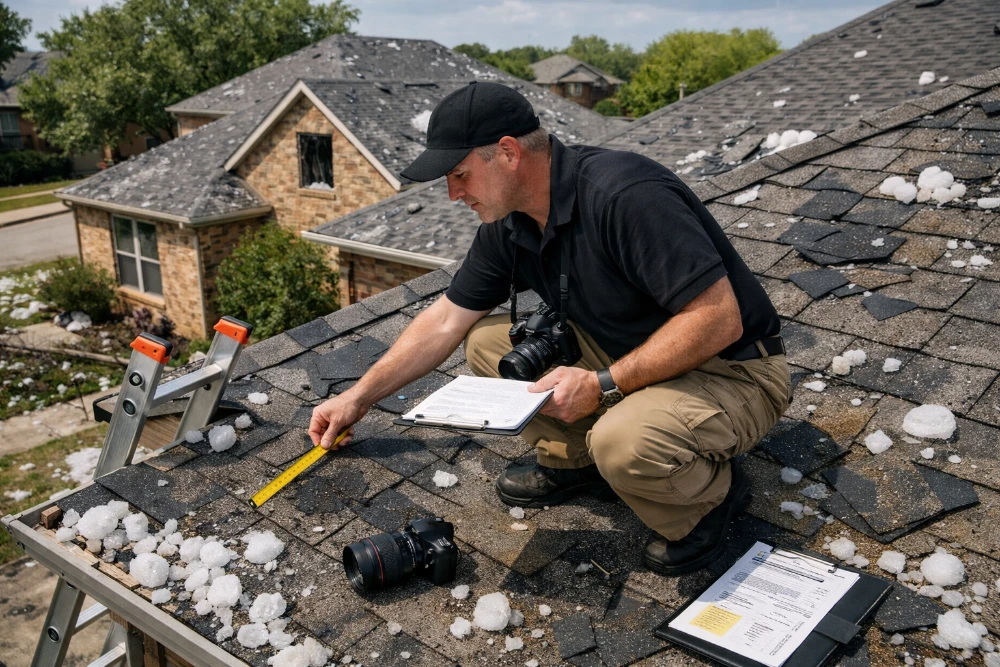
Most insurance adjusters work professionally and strive to evaluate claims fairly. However, insurance companies must inspect thousands of losses every year, particularly after major North Texas storm events.
As a result, important damage can sometimes be overlooked.
Common reasons claims become underpaid include:
Hidden Damage
Some property damage simply isn’t visible during a brief inspection.
Examples include:
- Wet insulation
- Roof decking damage
- Moisture behind walls
- Structural movement
- Electrical damage
- Interior staining that develops later
Without additional investigation, these damages may never become part of the claim.
Incomplete Scope of Loss
An insurance estimate may include only the most obvious repairs. In some situations, requesting a roof claim second inspection helps identify damage that was overlooked during the initial visit.
Missing items sometimes include:
- Gutters
- Flashing
- Fencing
- Detached structures
- Code upgrades
- Interior finishes
- Paint matching
- Landscaping
- Contents
- Debris removal
A properly prepared claim evaluates the entire property—not just isolated damage.
Depreciation and Valuation Issues
Insurance policies often apply depreciation based on age and condition.
While depreciation is appropriate under many policies, inaccurate assumptions regarding age, quality, or remaining useful life can affect settlement amounts.
Supporting documentation helps ensure valuations accurately reflect the damaged property.
Limited Documentation
Insurance companies rely heavily on documentation.
Incomplete records may reduce claim values.
Strong documentation often includes:
- Detailed photographs
- Moisture readings
- Drone imagery
- Roofing reports
- Contractor estimates
- Inventory documentation
- Building measurements
- Repair pricing
- Policy analysis
The more complete the documentation, the stronger the claim.
Negotiation Challenges
Most property owners file only one or two insurance claims during their lifetime.
Insurance carriers, by contrast, handle claims every day.
Having an experienced Texas public adjuster representing your interests can help level the playing field by presenting organized documentation, responding to carrier requests, and negotiating based on the policy and documented damage rather than assumptions.
Our Public Adjusting Process
Every insurance claim is unique, but a consistent, well-documented process helps position your claim for a thorough review. At TX Public Adjusting, we manage the details so you can focus on restoring your property and getting back to normal.
1. Free Claim Review
We begin with a no-obligation consultation to understand what happened, review the damage, and discuss where your claim currently stands. Whether you’ve just experienced a loss, recently received an insurance estimate, or feel your claim has been underpaid, we’ll evaluate your situation and explain your options.
If we believe we can add value to your claim, we’ll outline the next steps and answer any questions about the process.
2. Comprehensive Property Inspection
A thorough inspection is the foundation of a well-supported insurance claim.
Our inspection may include:
- Exterior and interior evaluations
- Roof inspection
- Attic inspection
- Moisture detection where appropriate
- Photographic documentation
- Measurement of damaged areas
- Identification of storm-related impacts
- Review of detached structures such as fences, sheds, and garages
In neighborhoods throughout Wylie—including Woodbridge, Bozman Farms, Birmingham Farms, Dominion of Pleasant Valley, and Inspiration—we’ve seen how two neighboring properties can experience very different levels of damage from the same storm. Every claim deserves an independent evaluation.
3. Claim Documentation
Once the inspection is complete, we assemble the documentation needed to support your claim.
This often includes:
- Detailed damage reports
- Repair estimates
- Building measurements
- Photo documentation
- Personal property inventories when applicable
- Policy review
- Supporting contractor information when appropriate
Our objective is to present the insurance company with a complete picture of the covered loss rather than relying solely on an initial field inspection.
4. Communication With the Insurance Company
Insurance claims involve ongoing communication between multiple parties.
We work directly with the carrier by:
- Responding to requests for information
- Coordinating inspections
- Reviewing estimates
- Discussing differences in scope
- Providing additional documentation when needed
- Addressing questions regarding covered damages
Having a dedicated representative can reduce confusion and help keep the claim moving forward.
5. Negotiation
Once all available documentation has been gathered, we negotiate with the insurance company based on the policy language and the documented scope of damage.
This process may involve:
- Clarifying omitted items
- Supporting supplemental requests
- Explaining code-related requirements
- Reviewing depreciation
- Reconciling pricing differences
- Addressing disputed damage
Our goal is to pursue a fair settlement that reflects the documented loss and the coverage provided by your policy. When disagreements over the value of storm damage remain unresolved, an appraisal for a hail damage claim may become an option depending on your policy.
Why Choose TX Public Adjusting in Wylie?
When your property has been damaged, choosing the right representative matters.
TX Public Adjusting focuses exclusively on representing policyholders throughout Texas. We are not employed by insurance companies, contractors, or restoration firms. Our responsibility is to advocate for your interests throughout the claims process.
Texas-Focused Experience
Texas presents unique insurance claim challenges.
From widespread hail events across Collin County to severe windstorms moving through the Dallas-Fort Worth Metroplex, our experience is centered on the weather patterns, construction methods, and insurance issues common throughout the state.
Licensed Public Adjuster
TX Public Adjusting operates as Rise Public Adjusting LLC under Texas Public Adjuster License #3356839.
Working with a licensed public adjuster provides confidence that your representative is authorized to negotiate insurance claims on behalf of policyholders in Texas.
Residential and Commercial Representation
We assist owners of:
- Single-family homes
- Townhomes
- Multi-family properties
- Retail buildings
- Office buildings
- Industrial facilities
- Churches
- Warehouses
- Restaurants
- Mixed-use properties
Whether the claim involves a family residence near Historic Downtown Wylie or a commercial building serving the growing business community along FM 544, every property deserves careful attention.
Independent Representation
Unlike insurance company adjusters, public adjusters work for the policyholder.
Our role includes:
- Evaluating the full scope of damage
- Reviewing policy provisions
- Preparing documentation
- Negotiating with the insurance carrier
- Helping resolve claim disputes when appropriate
Throughout the process, our focus remains on protecting your interests.
Thousands of Claims Reviewed
Over the years, our team has reviewed thousands of residential and commercial property claims across Texas.
Every loss is different.
That experience helps us recognize commonly overlooked damage, documentation gaps, and opportunities to strengthen the presentation of a claim.
Areas We Serve Near Wylie
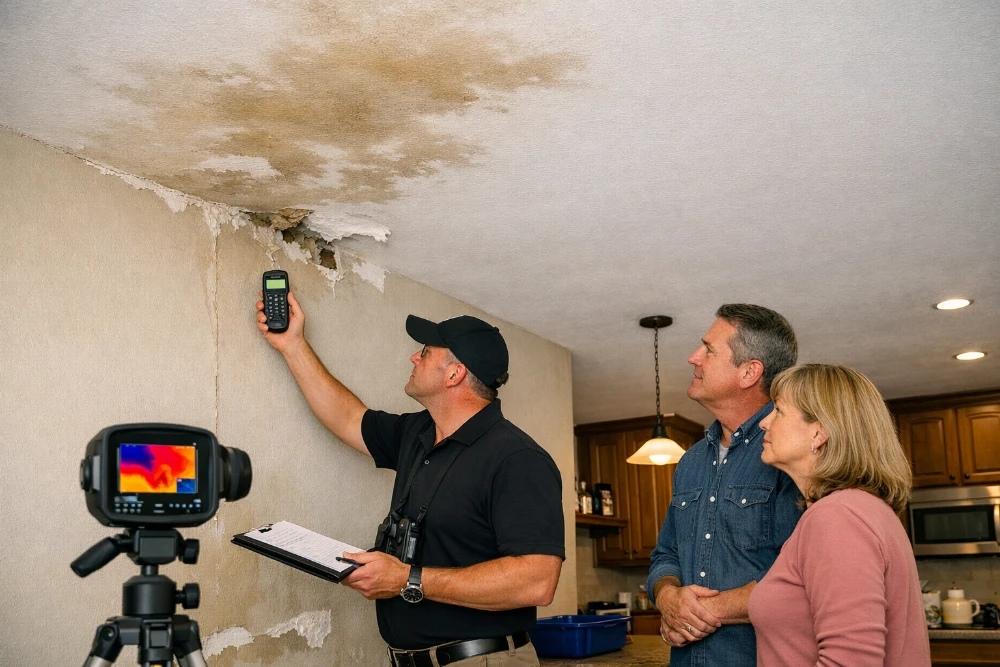
Although we’re proud to assist property owners in Wylie, our service area extends throughout Collin County, Dallas County, and surrounding North Texas communities.
Nearby communities we regularly serve include:
- Murphy
- Sachse
- Lavon
- Lucas
- Parker
- St. Paul
- Garland
- Richardson
- Plano
- Allen
- Fairview
- McKinney
- Rowlett
- Rockwall
- Royse City
- Princeton
- Farmersville
No matter where your property is located in the greater northeast Dallas area, our team is available to review your insurance claim.
Frequently Asked Questions
Do I need a public adjuster before filing my insurance claim?
Not necessarily. Many property owners ask about deadlines. Our article on when it’s too late to hire a public adjuster explains when professional representation may still be available. Many property owners contact us immediately after discovering damage, while others reach out after receiving an estimate they believe is incomplete. We can often assist at various stages of the claims process, depending on your circumstances. If you’re still deciding, read our guide answering the common question, should I use a public adjuster?
Can you help if my insurance company has already inspected my property?
Yes. An initial inspection does not always represent the final scope of the claim. If additional covered damage is identified, supplemental documentation may be appropriate.
What types of insurance claims do you handle?
We assist with many first-party property claims, including hail damage, wind damage, fire damage, smoke damage, water damage, roof damage, commercial property losses, vandalism, and other covered property losses.
Do public adjusters work for insurance companies?
No. Public adjusters represent policyholders. Our comparison of a public adjuster vs. independent adjuster explains the different roles each professional plays during an insurance claim. Insurance company adjusters work on behalf of the insurance carrier.
How are public adjusters paid?
Public adjusters generally work on a contingency fee basis. That means our fee is based on the claim recovery as outlined in the representation agreement. During your free consultation, we’ll explain exactly how the fee structure works.
Can commercial property owners hire a public adjuster?
Absolutely. Commercial claims often involve larger repair scopes, business interruption concerns, and more complex documentation. Many business owners choose professional representation because of the complexity involved.
Can you help if my claim has been underpaid?
Yes. If you believe important damage was omitted or your settlement does not reflect the full scope of the loss, we can review your documentation and discuss whether additional action may be appropriate.
What should I do immediately after storm damage?
Protect your property from additional damage if it is safe to do so, document visible conditions with photographs, keep receipts for emergency mitigation, and avoid making permanent repairs before speaking with your insurance company unless necessary to prevent further damage.
How long does the claims process usually take?
Every claim is different. Understanding how long an insurance adjuster has to contact you can help you know what to expect after filing your claim. The timeline depends on the complexity of the loss, the responsiveness of the parties involved, and whether additional inspections or supplemental documentation are required.
Why choose TX Public Adjusting?
Property owners throughout Texas choose TX Public Adjusting because we focus exclusively on representing policyholders. Our experience with residential and commercial claims, detailed documentation process, and commitment to independent representation allow us to advocate for our clients throughout the insurance claim process.
Get a Free Claim Review in Wylie
If your home or commercial property in Wylie has suffered damage from hail, wind, water, fire, or another covered event, you don’t have to manage the insurance claim alone. Our property loss recovery guide outlines practical steps property owners can take immediately after experiencing storm, fire, or water damage.
TX Public Adjusting is committed to helping Texas property owners understand their options, document their losses, and pursue fair claim settlements.
As Rise Public Adjusting LLC (Texas License #3356839), we proudly represent policyholders—not insurance companies.
Contact TX Public Adjusting today to schedule your Free Claim Review.
There are no upfront fees, and if we don’t recover on your claim, you don’t pay for our services.