

Property damage in Alamo can escalate quickly. A tropical system can push heavy rain into the Rio Grande Valley, a severe thunderstorm can damage roofing and exterior finishes, or a broken plumbing line can affect several rooms before the water is discovered. When the resulting insurance claim is incomplete, delayed, denied, or underpaid, an experienced public adjuster in Alamo, TX can help protect the policyholder’s interests.
TX Public Adjusting is a Texas public adjuster representing residential and commercial property owners—not insurance companies. We review policies, inspect damaged property, prepare detailed documentation, identify missing items in carrier estimates, and negotiate the claim based on the covered damage.
Our legal entity is Rise Public Adjusting LLC, a licensed Texas public adjusting firm operating under Texas License #3356839.
Request a Free Claim Review. There are no upfront fees for the initial review.
Property Claims in Alamo Require Local Knowledge
Alamo is in southern Hidalgo County, between San Juan and Donna, in the heart of the Rio Grande Valley. The city is connected to a larger regional economy that includes McAllen, Pharr, Weslaco, Edinburg, Mission, and surrounding communities. It also serves as a gateway to the Santa Ana National Wildlife Refuge, a major Lower Rio Grande Valley landmark located south of the city.
Homes, apartment properties, retail buildings, warehouses, churches, agricultural facilities, and small commercial properties in this part of Hidalgo County face a distinct combination of risks:
- Tropical-storm and hurricane-related wind
- Wind-driven rain
- Localized drainage problems and interior water intrusion
- Severe thunderstorms
- Hail and roof damage
- Plumbing failures and air-conditioning drain backups
- Fire, smoke, and electrical damage
- Damage to commercial roofing, signage, equipment, and inventory
Flooding can occur even outside a mapped high-risk floodplain. Hidalgo County Drainage District No. 1 explains that localized ponding may reach buildings when stormwater cannot enter or move through the drainage system quickly enough.
That distinction matters during an insurance claim. Damage caused by wind-created openings, roof failures, broken windows, plumbing leaks, and rising surface water may be treated differently under a policy. The cause of loss must be investigated and documented carefully.
Why Property Owners Hire a Public Adjuster in Alamo
The insurance company assigns an adjuster to investigate the loss for the carrier. A public adjuster performs a different role: representing the policyholder during the property insurance claim.
An Alamo property owner may hire TX Public Adjusting when:
- The carrier’s estimate appears too low
- Roof damage was described as cosmetic or ordinary wear
- Interior water damage was omitted
- The claim was denied based on an exclusion
- The insurer approved only limited repairs
- Depreciation deductions are unclear
- A commercial claim includes damaged inventory or equipment
- The policyholder is overwhelmed by inspections and paperwork
- Additional damage is discovered after the first adjustment
- The claim has stalled without a clear explanation
A public adjuster does not guarantee a specific outcome. The goal is to give the insurer a properly supported claim presentation based on the policy, the observed damage, repair requirements, available records, and reasonable documentation.
Independent Representation for the Policyholder
TX Public Adjusting works for homeowners, landlords, business owners, commercial property owners, nonprofit organizations, and other policyholders.
We do not work for the insurance carrier. Our responsibility is to prepare and present the policyholder’s claim accurately, identify supportable omissions, and negotiate covered property damage within the terms of the policy.
Common Insurance Claims in Alamo
Hail Damage Claims
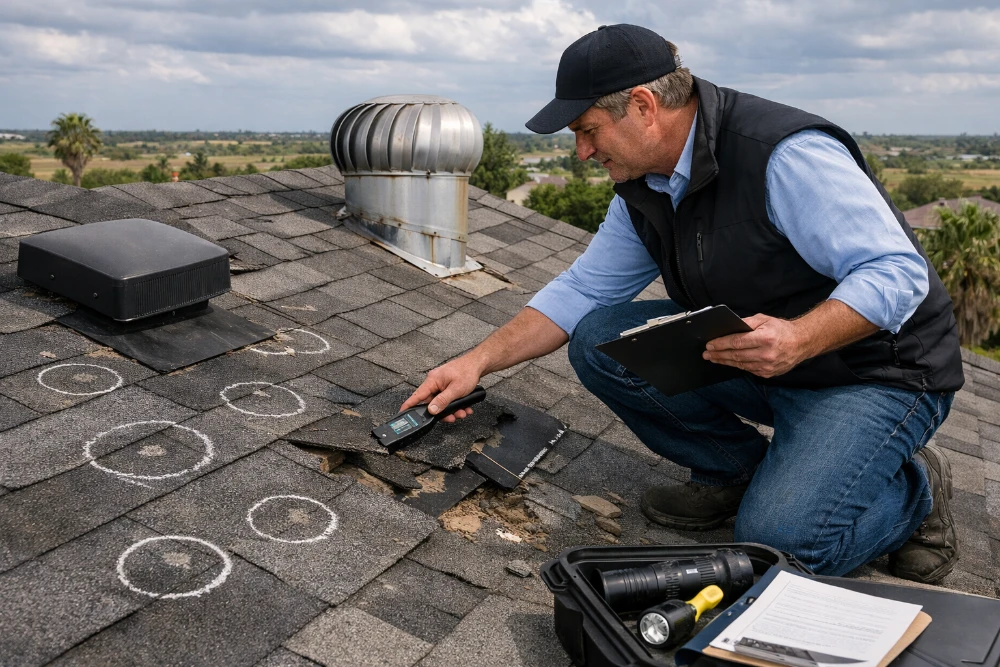
Hailstorms can damage asphalt shingles, metal panels, roof vents, flashing, gutters, skylights, fences, exterior coatings, rooftop equipment, and commercial roofing membranes. Property owners dealing with a hail damage insurance claim should document every affected surface, not just the most obvious roof impacts. Our guide to a hail damage roof insurance claim explains common roof-scope disputes and the items carriers may overlook.
Some hail damage is obvious. Other damage is easy to miss from ground level. A roof may not leak immediately, yet hail impacts can affect shingle surfaces, metal components, seams, coatings, or water-shedding performance.
Disagreements often arise over:
- Whether the marks are hail impacts or mechanical damage
- Whether repairs can be limited to isolated areas
- Whether matching materials are available
- Whether metal components are merely cosmetic
- Whether interior staining is related to the storm
- Whether the roof’s condition predates the reported loss
TX Public Adjusting inspects the accessible damage, reviews the carrier’s scope, documents related components, and identifies items that may require further evaluation.
Water Damage Claims
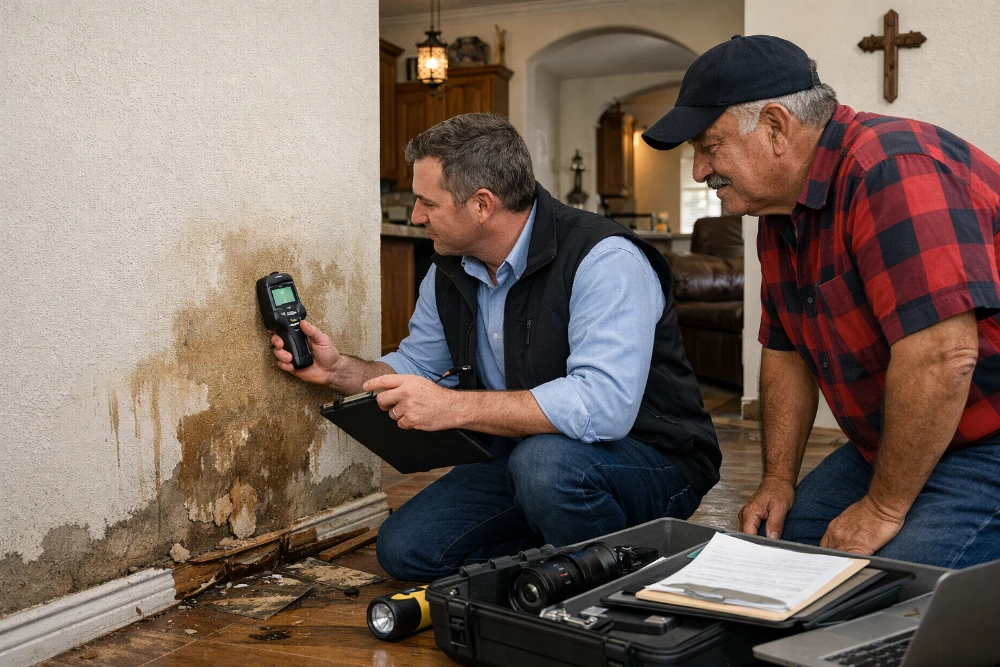
Water losses are among the most documentation-intensive property claims in Alamo. Common sources include broken supply lines, failed water heaters, appliance leaks, air-conditioning drain backups, roof leaks, overflowing fixtures, and water entering through storm-damaged openings. A water damage public adjuster can help identify affected materials, review drying and restoration documentation, and compare the insurer’s estimate with the full scope of the loss.
A complete water-damage scope may involve more than removing wet flooring. Depending on the loss, the claim could include:
- Drywall and insulation
- Baseboards and trim
- Cabinets and vanities
- Flooring and underlayment
- Paint and texture
- Electrical components
- Plumbing access
- Drying and dehumidification
- Contents handling
- Temporary protection
- Testing or specialist evaluations
The timing and source of the water are critical. Policies often distinguish between sudden accidental discharge, long-term seepage, wind-driven rain, and external flooding. TX Public Adjusting helps organize the facts and documents the affected areas before evidence is lost through demolition or cleanup.
Fire and Smoke Damage Claims
A fire claim may affect the entire property even when flames are limited to one area. Smoke, soot, heat, firefighting water, electrical damage, and odors can travel into adjacent rooms, attics, HVAC systems, contents, and concealed spaces.
Fire claims may include:
- Structural repairs
- Smoke and soot cleaning
- Contents inventory
- Debris removal
- Electrical evaluation
- HVAC cleaning or replacement
- Temporary housing or business relocation
- Code-related repairs when covered
- Business interruption
- Professional restoration services
For larger or disputed losses, a fire insurance adjuster working for the policyholder can help document structural damage, smoke contamination, contents losses, and related expenses. TX Public Adjusting helps property owners document both visible and less obvious fire-related damage. We also organize inventories and supporting records when personal property or commercial contents are involved.
Storm and Wind Damage Claims
Alamo’s location in the Lower Rio Grande Valley exposes the area to severe thunderstorms and tropical weather systems capable of producing high winds and heavy rain. The National Weather Service’s regional hurricane guidance identifies storm surge, wind, and flooding as serious tropical-cyclone hazards in Deep South Texas and the Rio Grande Valley. Property owners can also review our guide to property damage after a hurricane for more information about roof failures, interior water intrusion, broken openings, debris impacts, and equipment damage.
Even though Alamo is inland from the immediate Gulf Coast, tropical systems can still cause:
- Lifted or missing roofing materials
- Damaged flashing and roof edges
- Broken windows
- Damaged exterior doors
- Water intrusion
- Fallen limbs and impact damage
- Detached siding or trim
- Damaged fences and outbuildings
- Commercial-sign damage
- Power-related equipment losses
Wind and water damage should be documented by location and cause. When multiple causes are possible, a broad description such as “storm damage” may not be enough.
Roof Damage Claims
Roof claims frequently become underpaid because the initial scope focuses on the most visible surface damage and overlooks associated work.
A public adjuster for a roof claim can compare the carrier’s scope with the materials, labor, accessories, and related interior work required to complete covered repairs. A roof estimate may need to address:
- Roofing materials
- Underlayment
- Drip edge and flashing
- Valleys and penetrations
- Ventilation components
- Gutters and downspouts
- Skylights
- Satellite or solar-related detach-and-reset work
- Interior damage caused by a covered opening
- Labor access and height considerations
- Commercial roof insulation and membrane assemblies
A public adjuster can compare the insurer’s estimate with the observed conditions and the repair process required to return the property to its pre-loss condition, subject to policy terms.
Commercial Property Claims
Commercial property claims in Alamo can involve more than repairs to the building. Retailers, restaurants, offices, agricultural operations, warehouses, apartment properties, churches, and service businesses may also face damaged equipment, inventory loss, interrupted operations, tenant issues, and temporary relocation expenses.
TX Public Adjusting assists with residential and commercial claims. Commercial documentation may include:
- Building repair estimates
- Equipment records
- Inventory lists
- Photographs and video
- Lease documents
- Mitigation invoices
- Vendor proposals
- Financial records
- Business-interruption support
- Extra-expense records
The earlier these records are organized, the easier it is to present a coherent claim.
Alamo Storm Risks and Claim Issues
Alamo’s property risks are shaped by its location in flat, low-elevation South Texas terrain, its proximity to the Rio Grande, regional drainage constraints, intense rainfall, and exposure to tropical systems.
The Santa Ana National Wildlife Refuge south of Alamo includes wetlands, old river channels, mudflats, and Rio Grande floodplain habitat. Those features illustrate the area’s close relationship with water and the broader Lower Rio Grande landscape.
Heavy Rain and Localized Flooding
Heavy rainfall does not need to come from a direct hurricane strike to cause damage. Slow-moving thunderstorms can overwhelm streets, yards, drainage ditches, and low areas.
For insurance purposes, it is essential to determine how water entered the building. Water rising from the ground may fall under a separate flood policy, while water entering through a storm-created roof or wall opening may be evaluated under the property policy. Coverage depends on the policy language and facts of the loss.
Tropical Wind and Wind-Driven Rain
Tropical systems can retain enough strength to damage roofs, siding, windows, signs, trees, fencing, and rooftop equipment in Hidalgo County. Wind-driven rain can then enter through damaged components and spread beyond the original opening.
Photographs taken soon after the event can help show displaced materials, debris patterns, broken openings, and the path of interior water.
Severe Thunderstorms and Hail
Strong thunderstorms can produce sudden wind gusts, hail, lightning, and concentrated rainfall. A single storm may create several types of damage at once: hail impacts on the roof, wind damage at the roof edge, water staining inside, and electrical damage after a power surge.
Treating each damaged component as an unrelated issue may lead to an incomplete scope. The loss should be evaluated as a connected event when the evidence supports that conclusion.
Heat and Delayed Roof Problems
The Rio Grande Valley’s prolonged heat and sun exposure can age roofing materials. After a storm, insurers may attribute new problems to deterioration rather than the reported event.
This is one reason prompt documentation matters. Recent storm-created openings, displaced components, impact marks, and fresh interior moisture should be recorded before conditions change.
Why Alamo Insurance Claims Become Underpaid
Insurance estimates are often prepared under time constraints. An adjuster may spend limited time at the property, rely on visible conditions, or prepare an estimate before demolition reveals hidden damage. Many underpaid losses begin with avoidable common property insurance claim mistakes, such as incomplete photographs, discarded materials, missing receipts, or unclear communication about the cause of damage.
Missed or Unobserved Damage
Water may move behind cabinets, beneath flooring, into wall cavities, or through insulation. Roof damage may be difficult to see without proper access. Smoke contamination may extend well beyond the room where the fire started.
When the first inspection does not capture those conditions, the resulting estimate can be incomplete.
Scope Omissions
An estimate may include the primary damaged item but omit related work. Examples include removing and resetting fixtures, replacing underlayment, painting adjoining surfaces, accessing plumbing, moving contents, drying concealed areas, or repairing components needed to complete the work.
Depreciation Issues
Many policies initially pay actual cash value and hold back recoverable depreciation until repairs are completed and documented. Confusion can arise over what is depreciated, whether depreciation is recoverable, and what must be submitted to request the balance.
Low Repair Estimates
Carrier estimates may not reflect the full repair method, local labor conditions, material availability, access requirements, code-related work, or all damaged components.
The question is not simply whether a price is higher or lower. The first issue is whether both estimates describe the same scope of work.
Documentation Problems
A claim can lose momentum when photographs are incomplete, damaged items are discarded too soon, invoices are unavailable, the cause of loss is unclear, or communications are spread across emails and phone calls.
TX Public Adjusting helps create an organized claim file so the carrier can review the support for each requested item.
Our Public Adjusting Process
1. Claim and Policy Review
We begin by reviewing the reported loss, policy information, carrier correspondence, estimates, photographs, and prior payments. This helps identify the current status of the claim and the issues requiring attention.
2. Property Inspection
We inspect accessible damaged areas and document relevant conditions. Depending on the loss, this may include roofing, elevations, interior rooms, commercial areas, contents, or equipment.
3. Damage Documentation
We organize photographs, measurements, inventories, invoices, estimates, reports, and other records. The objective is to connect each claimed item to observable damage and policy considerations.
4. Scope Preparation and Comparison
We compare the carrier’s estimate with our findings. Missing components, measurements, quantities, or repair operations are identified and presented for review.
5. Claim Negotiation
We communicate with the insurer, respond to requests, submit documentation, attend inspections when appropriate, and negotiate the supported scope of covered damage.
6. Resolution and Payment Review
When the carrier issues a revised estimate or payment, we review it against the documented claim. Additional steps may be appropriate when unresolved differences remain.
When to Contact an Alamo Public Adjuster
Contacting a public adjuster early can help preserve evidence and create an organized claim from the beginning. However, TX Public Adjusting may also be able to assist after the carrier has inspected the property or issued an estimate. Timing can affect available options, so property owners with an older or previously closed claim should review when it is too late to hire a public adjuster.
Consider requesting a review when:
- The loss is substantial
- Several rooms or building systems are affected
- A roof claim includes interior damage
- The carrier denied part or all of the loss
- The estimate does not cover necessary repairs
- A commercial property cannot operate normally
- The insurer attributes the damage to wear and tear
- Additional damage was found during repairs
- Communication with the carrier has stalled
Get a Free Claim Review before accepting an estimate that does not appear to address the full loss.
Why Choose TX Public Adjusting
Licensed Texas Public Adjuster
TX Public Adjusting operates through Rise Public Adjusting LLC, Texas License #3356839.
Texas-Focused Claim Experience
Texas property claims involve hail, tropical weather, freeze damage, wind, water, fire, and commercial losses. Our work is focused on the conditions, policies, and claim practices Texas property owners encounter.
Residential and Commercial Experience
We work with homeowners as well as owners of commercial, multifamily, retail, industrial, religious, and mixed-use properties.
Thousands of Claims Reviewed
Our experience includes the review of thousands of residential and commercial property claims. That experience helps us recognize common scope gaps, documentation problems, and claim-handling issues without inventing or promising a specific settlement.
Independent Policyholder Representation
The insurance company’s representatives work within the carrier’s claim process. TX Public Adjusting represents the policyholder’s interests.
Detailed Claim Preparation
Strong claims are built through evidence. We focus on inspections, measurements, photographs, scope review, supporting records, and clear communication.
Areas We Serve Near Alamo
TX Public Adjusting serves property owners throughout Alamo and surrounding Hidalgo County communities, including:
- San Juan
- Donna
- Pharr
- McAllen
- Weslaco
- Edinburg
- Mission
- Mercedes
- Palmview
- Alton
- Hidalgo
- La Feria
- Progreso
- Nearby unincorporated communities and colonias
We assist properties near central Alamo, the Business 83 corridor, Tower Road, Alamo Road, FM 907, residential areas north and south of the city center, and properties extending toward Santa Ana National Wildlife Refuge.
Frequently Asked Questions
What does a public adjuster in Alamo do?
A public adjuster represents the policyholder during a property insurance claim. Our detailed guide explains what a public adjuster does, including policy review, damage inspection, documentation, estimate preparation, and claim negotiation.
TX Public Adjusting works for the property owner, not the insurance company.
When should I hire a public adjuster after property damage?
It is often helpful to contact a public adjuster soon after a significant loss, especially before damaged materials are removed or repaired. Early involvement can improve documentation and reduce confusion about the scope.
A public adjuster may also be hired after an estimate, partial denial, low payment, or disagreement has already occurred.
Can a public adjuster help with an underpaid roof claim in Alamo?
Yes. We can inspect the accessible roof damage, review the carrier’s measurements and estimate, and identify supported items that may have been omitted.
Roof disputes commonly involve causation, repairability, matching, flashing, roof accessories, interior leaks, and whether the damage resulted from hail, wind, aging, or another condition. Property owners who received a denial can also review what to do if your hail claim was denied before deciding on the next step.
Does homeowners insurance cover flooding in Alamo?
Standard property policies commonly treat rising surface water differently from water entering through a covered storm-created opening or a sudden plumbing failure. Separate flood insurance may be needed for external flooding.
Coverage must be determined from the specific policy and facts. Do not assume that all water damage is covered—or excluded—under the same provision.
Can TX Public Adjusting help with hurricane or tropical-storm claims?
Yes. We assist with wind, rain intrusion, roof damage, broken openings, exterior damage, contents losses, and commercial property damage associated with tropical systems when coverage may apply.
Because wind and flood can occur during the same event, documenting the path and source of the water is especially important.
Can you reopen a closed insurance claim?
A closed claim may sometimes be reviewed when the policyholder discovers omitted damage, receives an inadequate estimate, or has documentation supporting additional covered repairs. The available options depend on the policy, claim history, deadlines, and Texas law.
We can review the existing claim documents and explain whether further action appears practical.
How much does a public adjuster cost in Texas?
Public adjusters generally work under a written agreement that explains the fee and services. The fee structure may depend on the claim status and applicable Texas requirements.
TX Public Adjusting offers a free initial claim review with no upfront fee for that review. Any representation agreement and compensation terms are explained before services begin.
Will hiring a public adjuster make my insurance company deny the claim?
A policyholder has the right to seek professional assistance with a property claim. Hiring a public adjuster does not automatically determine whether coverage will be accepted or denied.
The insurer still evaluates the claim under the policy. Our role is to provide organized documentation and advocate for the policyholder’s supported position.
Do you handle commercial claims in Alamo?
Yes. We assist with commercial buildings, apartment properties, retail locations, restaurants, warehouses, churches, offices, and other insured properties.
Commercial claims may require documentation for the building, contents, equipment, inventory, business interruption, tenant impacts, and temporary operating expenses.
What should I do immediately after storm damage?
First, protect people from electrical, structural, fire, and standing-water hazards. Take reasonable steps to prevent additional damage when it is safe to do so.
Photograph the property before cleanup, keep damaged materials when practical, save receipts, report the loss promptly, and avoid signing repair or claim agreements that you do not understand. For hail losses, follow a consistent process to document hail damage for an insurance claim before temporary repairs or cleanup alter the evidence.
Free Insurance Claim Review in Alamo, TX
A property claim should reflect the covered damage—not only what was noticed during a brief first inspection.
TX Public Adjusting helps Alamo homeowners and commercial property owners document losses, evaluate carrier estimates, and present supported claims. We are a Texas-focused public adjusting firm operated by Rise Public Adjusting LLC, Texas License #3356839.
Contact TX Public Adjusting for a Free Claim Review.
- No upfront fee for the initial claim review
- Licensed Texas public adjuster
- Residential and commercial property claims
- Hail, water, fire, roof, wind, and storm losses
- Independent representation for policyholders