

When property damage affects your home or commercial building, the insurance claim process can quickly become overwhelming. From documenting the full extent of the loss to negotiating with the insurance company, every step has the potential to influence the final settlement. If you’re searching for a Public Adjuster in Spring, TX, you deserve an advocate who represents your interests—not the insurance carrier’s.
At TX Public Adjusting, a division of Rise Public Adjusting LLC, we work exclusively for policyholders throughout Spring and the surrounding Houston metropolitan area. As a licensed Texas public adjusting firm (Texas License #3356839), we help homeowners, business owners, property managers, HOAs, churches, industrial facilities, and commercial property owners prepare, document, and negotiate insurance claims following covered property damage. Looking for an experienced Texas public adjuster can make a significant difference when navigating a complex insurance claim.
Spring has experienced tremendous residential and commercial growth over the past two decades. Communities like Gleannloch Farms, Imperial Oaks, Harmony, Spring Trails, Windrose, and Legends Ranch continue to expand while older neighborhoods throughout the area face aging roofs, severe weather, and increasingly expensive repair costs. Combined with the region’s exposure to hailstorms, hurricanes, flooding, tornadoes, and wind events, insurance claims have become more frequent—and more complex.
Our team has reviewed thousands of residential and commercial property claims across Texas. We understand how carriers evaluate damage, interpret policy language, prepare estimates, and negotiate settlements. Our objective is straightforward: help ensure every covered loss is properly documented and fairly evaluated under your policy.
Whether your property is near Old Town Spring, Mercer Botanic Gardens, Hurricane Harbor Splashtown, or the ExxonMobil campus, TX Public Adjusting is prepared to help guide your claim from initial inspection through final settlement.
Free Claim Review
Schedule your free claim review to discuss your property damage, understand your policy, and learn how we can assist with your insurance claim.
If your property has suffered storm, hail, wind, water, fire, or roof damage, contact TX Public Adjusting for a no-obligation claim review. There are no upfront fees, and we only succeed when we help improve your claim outcome.
Why Property Owners in Spring Hire a Public Adjuster
Many property owners assume the insurance company will automatically identify every item of covered damage. Unfortunately, that is not always how claims unfold.
Insurance companies employ staff adjusters or independent adjusters to evaluate claims on behalf of the insurer. While many adjusters work professionally, their responsibility is to the insurance company. A licensed public adjuster works solely for the policyholder.
Property owners in Spring often hire a public adjuster because they want an experienced professional to independently evaluate the damage before accepting an insurance settlement.
Our role includes:
- Reviewing your insurance policy
- Performing a comprehensive property inspection
- Identifying covered damages
- Preparing detailed claim documentation
- Developing accurate repair scopes
- Reviewing insurance estimates
- Negotiating directly with the carrier
- Assisting through supplements, re-inspections, appraisal preparation when appropriate, and settlement discussions
Insurance claims frequently involve more than obvious exterior damage. Hidden moisture intrusion, structural movement, damaged flashing, insulation, HVAC components, interior finishes, electrical systems, and code-required upgrades can significantly affect repair costs. Missing these items early in the claim often results in underpaid settlements.
Having an experienced advocate involved from the beginning can help present a more complete picture of the property’s condition and the true scope of covered damage.
Common Insurance Claims in Spring, TX
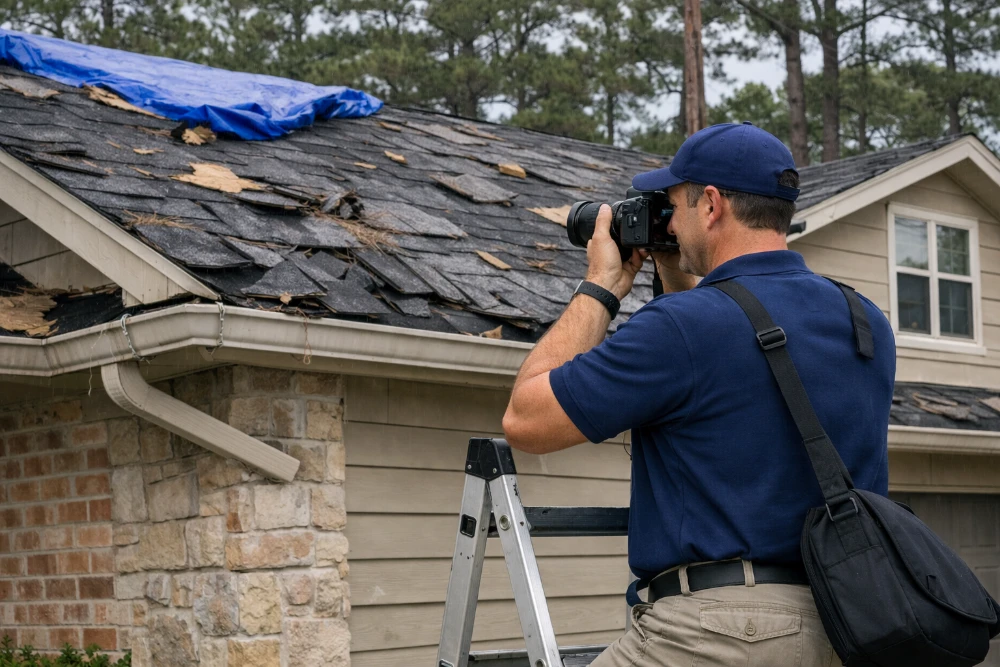
Spring’s location in northern Harris County—along with portions extending into Montgomery County—creates unique weather-related risks throughout the year. From Gulf Coast hurricanes to severe spring thunderstorms, property owners regularly face losses requiring extensive documentation.
Hail Damage Claims
Hail is among the most common causes of insurance claims in the Spring area.
Even moderate hailstorms can damage:
- Asphalt shingles
- Standing seam metal roofing
- Tile roofing
- Gutters
- Downspouts
- Skylights
- Window screens
- Exterior paint
- HVAC condenser units
- Fencing
Some hail damage is immediately visible, while other impacts shorten the roof’s service life without creating obvious leaks. Learn more about filing a hail damage roof insurance claim and the types of roof damage that are commonly overlooked after Texas hailstorms. Insurance inspections sometimes focus on isolated damage rather than evaluating the entire roofing system.
TX Public Adjusting performs detailed inspections to identify all potentially covered hail-related damage before negotiations begin. If your property was recently impacted by severe weather, our guide to hail damage insurance claims explains what insurers typically evaluate and how proper documentation can strengthen your claim.
Wind and Storm Damage Claims
Severe thunderstorms regularly move through the Houston region, bringing powerful straight-line winds capable of damaging residential and commercial properties.
Wind-related claims commonly involve:
- Missing shingles
- Lifted roofing systems
- Detached flashing
- Broken windows
- Fallen trees
- Fence failures
- Damaged siding
- Carport damage
- Exterior cladding failures
Wind damage is often accompanied by water intrusion that may not appear until weeks later. Moisture trapped inside walls or attic assemblies can lead to mold growth and hidden structural deterioration if not addressed promptly. Proper documentation is critical after severe weather, and our guide on documenting hail damage for an insurance claim outlines practical steps to preserve important evidence.
Hurricane and Tropical Storm Claims
Although Spring sits inland, hurricanes and tropical storms frequently impact the area.
Storm systems moving inland from the Gulf Coast can produce:
- Roof failures
- Interior water intrusion
- Wind-driven rain
- Broken windows
- Fallen trees
- Structural damage
- Detached siding
- Commercial roofing failures
- Business interruption losses
Events such as Hurricane Harvey and more recent Gulf Coast storms demonstrated that inland communities are not immune to catastrophic property damage.
Our team assists property owners with documenting hurricane-related losses while coordinating repair estimates, inventories, engineering documentation when necessary, and carrier negotiations. Our resource covering property damage after a hurricane explains the most common covered losses and what property owners should do immediately after a major storm.
Water Damage Claims
Water damage remains one of the most misunderstood categories of insurance claims.
Common sources include:
- Burst pipes
- Appliance failures
- Water heater leaks
- Plumbing failures
- Roof leaks
- HVAC drain backups
- Overflowing fixtures
- Ice maker supply lines
While drying equipment may remove visible moisture, the insurance claim itself often requires extensive documentation of damaged building materials, insulation, flooring, cabinetry, trim, drywall, electrical systems, and personal property.
Missing just one category of damage can significantly reduce the overall settlement. Learn how a water damage public adjuster can help identify hidden moisture damage and prepare a more complete insurance claim.
Fire and Smoke Damage Claims
Fire losses often extend well beyond what flames directly consume.
Smoke residue, soot contamination, water from firefighting efforts, odor remediation, debris removal, and structural stabilization all contribute to the overall scope of loss.
A complete fire claim may include:
- Structural repairs
- Roof replacement
- Smoke cleaning
- Contents inventory
- HVAC cleaning
- Electrical replacement
- Temporary housing
- Demolition
- Code upgrades
- Personal property documentation
Large-loss fire claims require careful organization, detailed inventories, and comprehensive estimating to support negotiations with the insurance company. Our guide to working with a fire insurance adjuster explains how smoke damage, structural repairs, and personal property losses are evaluated during the claims process.
Roof Damage Claims
Roof damage is one of the leading reasons Spring homeowners contact a public adjuster.
Roof claims may result from:
- Hail
- Wind
- Fallen trees
- Flying debris
- Hurricane-force gusts
- Aging materials impacted by storms
Insurance carriers sometimes approve partial repairs where complete replacement may be warranted based on manufacturer guidelines, repairability concerns, or matching requirements.
Our inspections evaluate the roofing system as a whole rather than focusing only on isolated visible impacts. If you believe your insurer missed damage, learn how a public adjuster for a roof claim can help document the full extent of the loss.
Commercial Property Claims
Spring’s growing commercial sector includes:
- Retail centers
- Medical offices
- Apartment communities
- Industrial facilities
- Churches
- Restaurants
- Warehouses
- Office buildings
- Self-storage facilities
Commercial claims frequently involve multiple coverages beyond building damage, including business personal property, equipment, business interruption, extra expense, tenant improvements, and ordinance or law provisions.
These claims often require extensive documentation, contractor coordination, engineering review, and detailed estimating before negotiations begin.
Our experience with commercial losses allows business owners to remain focused on restoring operations while we manage the technical aspects of the insurance claim. Learn more about our commercial property insurance claims services for businesses, apartment communities, retail properties, churches, and industrial facilities throughout Texas.
Why Insurance Claims Become Underpaid
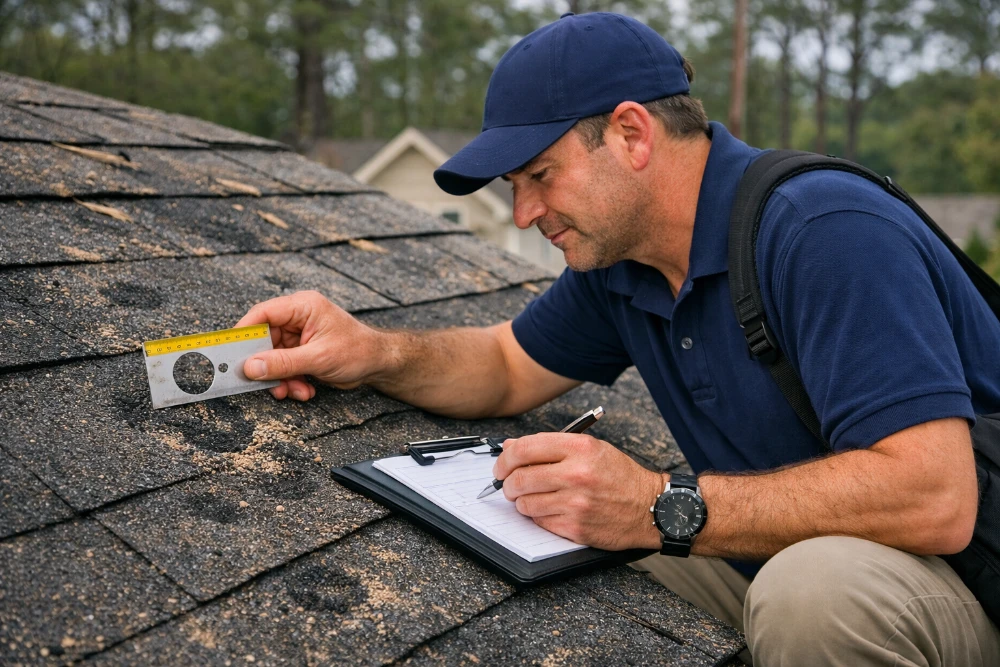
Many policyholders are surprised when the initial insurance estimate falls well below the actual cost of restoring their property. While every claim is different, underpayments often result from incomplete inspections, overlooked damage, or differences in how repair scopes are prepared.
At TX Public Adjusting, we regularly review claims throughout Spring where significant covered damage was either omitted or undervalued during the initial adjustment.
Incomplete Damage Inspections
Insurance inspections often occur shortly after a storm, when some damage may not yet be visible.
Examples include:
- Moisture trapped inside wall cavities
- Roof decking damage hidden beneath shingles
- Damaged flashing
- Compromised insulation
- HVAC system damage
- Structural movement
- Interior staining that appears days or weeks later
A comprehensive inspection helps identify these conditions before repairs begin.
Missing Items in the Scope of Loss
An insurance estimate is only as accurate as the scope of damage it includes.
Common omissions may involve:
- Flashing replacement
- Starter shingles
- Ridge ventilation
- Ice and water barriers where applicable
- Interior painting
- Trim replacement
- Gutters and downspouts
- Electrical components
- Cabinets and built-ins
- Flooring transitions
- Matching materials
- Debris removal
- Permit costs
Each missing line item can reduce the total settlement.
Our job is to prepare a complete and well-supported scope that reflects the full extent of covered damage. Avoid costly mistakes by reviewing these common property insurance claims mistakes before accepting your insurance company’s settlement offer.
Depreciation and Valuation Issues
Insurance policies frequently apply depreciation based on age and condition. However, depreciation should be calculated appropriately and consistently with the policy language.
Incorrect depreciation calculations can significantly reduce the initial payment.
We carefully review estimates to identify valuation issues that may affect the overall claim.
Code Upgrade Considerations
Building codes change over time.
If covered repairs trigger code-required upgrades, additional work may be necessary before the property can legally be restored.
Examples include:
- Roofing underlayment requirements
- Wind-resistant installation methods
- Electrical updates
- Fire protection improvements
- Accessibility requirements for certain commercial properties
These items are sometimes overlooked during initial inspections.
Documentation Challenges
Insurance companies rely heavily on documentation.
The stronger the documentation, the easier it becomes to support the value of the claim.
Our documentation process may include:
- Detailed property photographs
- Drone imagery when appropriate
- Moisture mapping
- Room-by-room inspections
- Xactimate estimating
- Contractor documentation
- Engineering reports when necessary
- Personal property inventories
- Repair invoices
- Historical maintenance records
Well-organized documentation often helps move negotiations forward more efficiently. Our comprehensive property loss recovery guide provides additional tips for organizing documentation and preparing for insurance negotiations.
Our Public Adjusting Process
Every claim follows its own path, but our overall process is designed to provide property owners with clear communication and experienced representation from beginning to end.
Step 1 – Free Claim Review
We begin with a conversation about your property, the cause of loss, and the current status of the insurance claim.
If appropriate, we schedule a property inspection to better understand the damage. If you’re unfamiliar with the claims process, our article explaining what is a public adjuster provides a detailed overview of how public adjusters represent policyholders.
Step 2 – Comprehensive Property Inspection
Our inspection goes beyond identifying obvious damage.
We evaluate:
- Roofing systems
- Exterior elevations
- Windows
- Gutters
- Interior finishes
- Attics
- Insulation
- Mechanical systems
- Water intrusion
- Structural concerns
The goal is to develop a complete understanding of the loss before negotiations begin.
Step 3 – Claim Documentation
Next, we assemble the documentation necessary to support your claim.
Depending on the loss, this may include:
- Detailed repair estimates
- Photographs
- Supporting reports
- Contents inventories
- Policy review
- Building measurements
- Code research
- Contractor coordination
Proper documentation creates a stronger foundation for negotiations.
Step 4 – Negotiation with the Insurance Carrier
Once the claim package is complete, we communicate directly with the insurance company.
Our responsibilities include:
- Reviewing carrier estimates
- Responding to requests for information
- Coordinating reinspections
- Discussing disputed damage
- Addressing scope differences
- Supporting supplemental claims when additional damage is discovered
Throughout the process, we keep you informed so you understand where your claim stands. Understanding the difference between a public adjuster vs. independent adjuster can help clarify who each professional represents during your insurance claim.
Step 5 – Settlement and Claim Resolution
Our objective is to help obtain a fair settlement based on the terms of your insurance policy and the documented damage.
Even after payments begin, additional covered damage sometimes becomes apparent during repairs.
When appropriate, we assist with supplemental documentation to support those additional claim components.
Why Choose TX Public Adjusting
Choosing a public adjuster is an important decision. You want someone with experience, technical knowledge, and a commitment to representing your interests throughout the claim. Before hiring representation, review our smart property owner’s guide to choosing the right public adjuster to learn what qualifications and experience you should look for.
Property owners throughout Spring choose TX Public Adjusting because we offer:
Licensed Texas Representation
TX Public Adjusting operates under Rise Public Adjusting LLC, Texas Public Adjuster License #3356839.
We work exclusively for policyholders—not insurance companies.
Residential and Commercial Experience
Our team has experience assisting with claims involving:
- Single-family homes
- Townhomes
- Condominiums
- Apartment complexes
- Churches
- Retail centers
- Restaurants
- Warehouses
- Office buildings
- Industrial facilities
Each property type presents unique documentation and policy considerations.
Thousands of Claims Reviewed
Having reviewed thousands of residential and commercial insurance claims across Texas, we understand the importance of:
- Accurate estimating
- Policy interpretation
- Proper documentation
- Scope development
- Professional negotiation
That experience helps us identify issues that might otherwise be overlooked.
Independent Representation
Unlike adjusters working for insurance carriers, our responsibility is to the policyholder.
Our focus is on presenting a complete, well-documented claim that reflects the covered damage to your property.
No Upfront Fees
We offer a free claim review, and our services are typically provided on a contingency basis. That means there are generally no upfront fees for our professional representation.
Areas We Serve Near Spring
In addition to Spring, TX Public Adjusting proudly assists property owners throughout the surrounding communities, including:
- The Woodlands
- Klein
- Tomball
- Cypress
- Humble
- Atascocita
- Conroe
- Porter
- New Caney
- Magnolia
- Shenandoah
- Oak Ridge North
- Jersey Village
- North Houston
- Aldine
- Kingwood
Whether your property is located in an established neighborhood near Old Town Spring or within one of the area’s rapidly growing master-planned communities, our team is available to assist with residential and commercial insurance claims across the region.
Request Your Free Claim Review
If your property has been damaged by hail, wind, fire, water, hurricanes, or another covered event, don’t wait until important documentation is overlooked.
Contact TX Public Adjusting today for a free claim review. We’ll explain your options, review your claim, and help you understand the next steps—without any upfront fees.
Frequently Asked Questions
1. What does a public adjuster do in Spring, TX?
A public adjuster represents the policyholder throughout the insurance claim process. Unlike insurance company adjusters, a public adjuster works exclusively on your behalf by reviewing your policy, documenting the damage, preparing estimates, and negotiating directly with the insurance carrier.
For Spring property owners, this can be especially valuable after widespread hailstorms, hurricanes, severe wind events, or major water losses where the full extent of the damage may not be immediately apparent.
2. When should I hire a public adjuster?
The sooner a public adjuster becomes involved, the better. Early involvement allows for thorough documentation before repairs begin and before important evidence is lost.
However, it’s often possible to hire a public adjuster after you’ve already filed a claim or even after receiving an initial settlement offer if you believe the damage was undervalued. For additional guidance, read our article on when is it too late to hire a public adjuster, which explains the different stages at which professional representation may still be available.
3. Do public adjusters work on residential and commercial claims?
Yes.
TX Public Adjusting assists homeowners, business owners, churches, apartment communities, office buildings, retail centers, industrial facilities, and other commercial property owners throughout Spring and surrounding communities.
Every property type requires a different approach to documentation, estimating, and policy interpretation.
4. What types of damage do you handle?
We assist with many covered property losses, including:
- Hail damage
- Wind damage
- Hurricane damage
- Tornado damage
- Fire and smoke damage
- Water damage
- Roof damage
- Lightning damage
- Commercial property losses
- Business interruption claims
If you’re unsure whether your damage may be covered, we’re happy to review your situation during a free claim consultation.
5. Will hiring a public adjuster delay my insurance claim?
Not necessarily.
In many situations, organized documentation and clear communication help move negotiations forward more efficiently. While complex losses naturally take longer than minor claims, presenting a complete and well-supported claim can reduce confusion and minimize unnecessary back-and-forth with the insurance company.
6. Can you help if my claim has already been denied or underpaid?
Yes.
If you believe your insurance company overlooked covered damage, underestimated repair costs, or denied your claim incorrectly, we can review the documentation, evaluate the property, and discuss potential options based on your policy and the facts of the loss. If your insurer has denied coverage following a storm, our guide on what to do if your hail claim was denied discusses common reasons for denials and potential next steps.
7. How are public adjusters paid?
Public adjusters generally work on a contingency fee basis, meaning payment is typically based on the outcome of the claim rather than an upfront hourly charge.
During your consultation, we’ll explain our fee structure clearly so you understand how representation works before making any decisions. Learn more about contingency representation in our article covering the truth about public adjuster fees and how compensation is typically structured.
8. Do you work with my contractor?
Yes.
We regularly coordinate with roofing contractors, restoration companies, engineers, mitigation professionals, and other qualified experts when additional documentation or technical information is needed to support the claim.
Our goal is to help ensure everyone involved is working from an accurate understanding of the covered damage.
9. Why are Spring properties especially vulnerable to insurance claims?
Spring’s location north of Houston exposes homes and businesses to a wide range of weather events throughout the year.
Severe thunderstorms, hail, tropical systems moving inland from the Gulf Coast, straight-line winds, localized flooding, occasional tornadoes, and even winter freeze events have all contributed to significant property losses in recent years. These conditions make thorough inspections especially important after major storms.
10. Why choose TX Public Adjusting?
TX Public Adjusting combines local Texas experience with independent representation for policyholders.
As Rise Public Adjusting LLC, Texas Public Adjuster License #3356839, we’ve reviewed thousands of residential and commercial property claims across Texas. Our focus is helping policyholders present complete, well-documented claims while providing professional guidance from inspection through settlement. If you’re waiting to hear from your insurance company, our guide explaining how long does an insurance adjuster have to contact you outlines important Texas claim timelines.
Get a Free Claim Review
Property damage can disrupt your home, your business, and your peace of mind. You don’t have to manage the insurance claim process alone.
Whether your property in Spring experienced hail damage, wind damage, water intrusion, fire, roof damage, or another covered loss, TX Public Adjusting is here to help.
Our team works exclusively for policyholders—not insurance companies—and we’re committed to preparing thorough documentation, reviewing your policy, and negotiating for a fair evaluation of your covered damages.
Contact TX Public Adjusting today to schedule your free claim review. There are no upfront fees, and we’re ready to help you move forward with confidence.