

Property damage in Uvalde can turn into a complicated insurance claim before a home or business owner has time to understand the full extent of the loss. Severe thunderstorms, hail, damaging wind, plumbing failures, fires, roof leaks, and sudden flooding can affect more than the immediately visible areas of a property. A public adjuster in Uvalde, TX helps the policyholder investigate, document, prepare, and negotiate the claim—not the insurance company.
TX Public Adjusting provides insurance claim assistance to residential and commercial property owners throughout Uvalde and Uvalde County. Our company, Rise Public Adjusting LLC, is licensed in Texas under License #3356839. We review policies, inspect damaged property, identify scope omissions, prepare supporting documentation, and communicate with the carrier throughout the claim process.
Uvalde sits at the transition between Southwest Texas and the southern edge of the Hill Country. The city is the county seat of Uvalde County, while the broader county includes communities such as Knippa, Sabinal, Concan, Utopia, Montell, and Reagan Wells. The region’s spring-fed rivers and scenic terrain are part of its identity, but intense rainfall can also create serious flash-flood and access risks.
Free Claim Review: If your Uvalde property claim was recently filed, delayed, denied, or underpaid, contact TX Public Adjusting for an initial review. There are no upfront fees for the claim review.
Why Property Owners Hire a Public Adjuster in Uvalde
Insurance companies assign adjusters to evaluate reported losses, but those adjusters work within the carrier’s claim-handling system. A licensed public adjuster represents the policyholder’s interests during the insurance claim process.
That distinction matters when a claim involves multiple damaged building components, disputed causes of loss, extensive contents damage, business interruption, or a settlement estimate that does not appear sufficient to complete proper repairs.
A Uvalde public insurance adjuster may assist by:
- Reviewing the insurance policy and applicable coverages
- Inspecting the property for visible and less obvious damage
- Comparing the carrier’s estimate with observed conditions
- Preparing a detailed repair scope
- Organizing photographs, reports, inventories, and invoices
- Identifying omitted materials or repair operations
- Communicating with the insurance carrier
- Preparing and supporting supplemental claim requests
- Negotiating the documented value of the covered loss
Property owners often contact us after receiving an estimate that addresses only the most obvious damage. Others hire TX Public Adjusting early because they do not have the time, construction knowledge, or claim experience needed to manage a large loss while also protecting their home, tenants, employees, or business operations.
Uvalde’s Property-Damage and Storm Risks
Uvalde is not a coastal community, so hurricane storm surge is not the primary local concern. Its more immediate weather risks include intense thunderstorms, flash flooding, river flooding, hail, strong straight-line winds, lightning, isolated tornadoes, and prolonged heat that can stress roofs, sealants, plumbing systems, and mechanical equipment.
Flash Flooding and Heavy Rain
Flood and water damage deserve particular attention in Uvalde. In July 2025, the State of Texas requested that Uvalde County be added to a federal major-disaster declaration after regional flooding.
The risk was reinforced in July 2026, when torrential rainfall caused a flash-flood emergency across Uvalde County. Reports described flooded roads, water rescues, damaged structures, historic river rises, and access problems affecting Uvalde, Knippa, Concan, Utopia, Montell, and other nearby communities.
Flooding can generate several separate property issues:
- Water intrusion through doors, walls, foundations, and low openings
- Damaged drywall, insulation, flooring, cabinetry, and electrical systems
- Contaminated water and debris
- Foundation movement or soil erosion
- Washed-out driveways and damaged outbuildings
- Loss of business inventory, furniture, and equipment
- Mold-related conditions after delayed drying
- Road closures that interfere with access and business operations
Coverage can depend heavily on the source of the water and the language of the policy. A standard property policy may treat wind-driven rain, plumbing discharge, roof openings, surface water, and river flooding differently. The cause and sequence of damage must therefore be documented carefully. Property owners who are dealing with an insurance adjuster after water damage should preserve photographs, drying records, damaged materials, repair invoices, and evidence identifying how the water entered the property.
Hail and Wind Damage
Thunderstorms moving across Southwest Texas can produce hail and strong wind capable of damaging asphalt shingles, metal roofing, tile, exterior coatings, gutters, vents, fences, windows, signs, and rooftop equipment. Uvalde-area storm records include reported hail, wind, tornado, and flood events near the city.
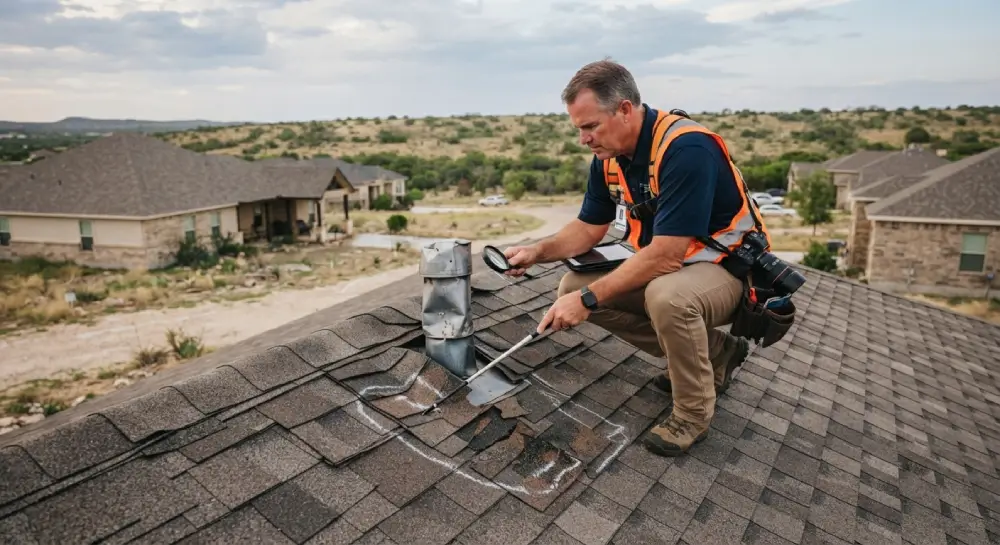
Damage supporting a hail damage insurance claim is not always obvious from the ground. A roof may remain in place while sustaining fractured shingles, displaced protective granules, dented metal components, compromised seams, damaged flashing, or impact marks on vents and soft metals.
Wind can create a different pattern. It may lift shingles, loosen fasteners, open roof edges, damage soffits, tear exterior materials, or allow rain to enter through a storm-created opening. A complete inspection should examine the roof, elevations, interior rooms, attic spaces, detached structures, fencing, and exterior equipment—not just the area where a leak first appeared.
Fire, Smoke, and Lightning Losses
Uvalde property owners may also face structure fires, electrical fires, kitchen fires, equipment fires, and lightning-related losses. A fire damage insurance claim frequently extends beyond visibly burned materials. Smoke particles, soot, heat, firefighting water, damaged wiring, odor, and debris can affect rooms far from the point of origin.
A carrier estimate may account for visibly burned construction while overlooking cleaning protocols, demolition access, matching concerns, contents manipulation, code-related repairs, temporary protection, or damage caused during emergency suppression.
Heat, Drought, and Wildland Exposure
Uvalde regularly experiences very hot summer conditions. National Weather Service forecasts for the county can include highs near 100 degrees and dangerous heat-index values.
Heat and drought do not automatically create a covered insurance claim, but they can aggravate existing weaknesses in roofing, sealants, plumbing, HVAC equipment, and exterior finishes. Dry vegetation may also increase fire exposure around rural residences, ranch properties, workshops, barns, and outbuildings.
Common Insurance Claims in Uvalde
Hail Damage Claims
A hail claim may involve more than replacing shingles. Depending on the property, covered damage may include metal panels, gutters, downspouts, vents, flashing, skylights, exterior lighting, window screens, fencing, paint finishes, rooftop mechanical equipment, and interior water damage.
TX Public Adjusting documents the complete storm-loss pattern and compares it against the carrier’s scope. When the insurer has allowed only spot repairs, we evaluate whether the proposed work reflects actual conditions and the requirements needed to complete a reasonable repair.
Water Damage Claims
Water damage can result from broken supply lines, failed appliances, plumbing backups, roof leaks, storm-created openings, overflowing fixtures, HVAC drain failures, or sudden pipe damage.
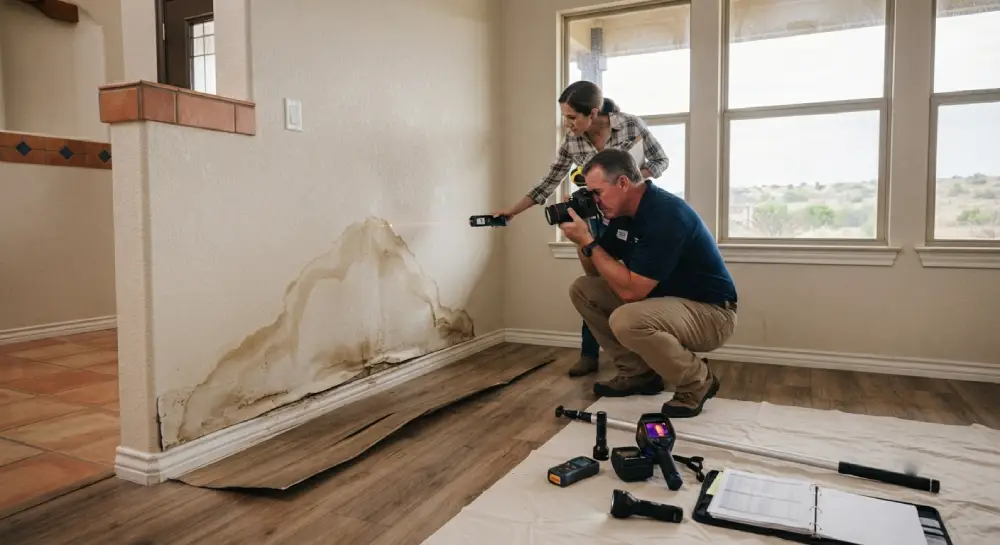
A water claim should account for the path the moisture traveled. Damage may extend beneath flooring, behind cabinets, inside wall cavities, through ceilings, or into insulation. The claim may also require drying records, moisture readings, demolition estimates, plumbing reports, contents documentation, and evidence showing the source of the loss.
Fire and Smoke Damage Claims
Fire claims can involve the building, personal property, debris removal, smoke cleaning, temporary housing, business interruption, code upgrades, electrical systems, and specialized restoration work.
A public fire insurance adjuster can develop an organized presentation of the loss so that each affected coverage category is addressed. For residential claims, that may include a room-by-room contents inventory. For commercial properties, it may involve damaged stock, equipment, tenant improvements, lost income, and extra expenses incurred to keep the operation functioning.
Storm and Wind Damage Claims
Strong wind can damage roofs, siding, windows, doors, signs, detached buildings, fences, awnings, and exterior fixtures. When rain follows the wind event, interior finishes and contents may also be affected.
The timing of the inspection matters. Temporary repairs, emergency tarping, debris removal, and later weather can change the appearance of the loss. Photographs, videos, invoices, weather information, and contractor observations should be preserved as early as possible.
Roof Damage Claims
A public adjuster for a roof claim may identify missing materials, labor operations, and connected damage when the carrier’s initial estimate concentrates on only a small area. A proper repair may also require work involving underlayment, flashing, vents, drip edge, decking, pipe jacks, ridge materials, gutters, solar components, interior protection, and access-related labor.
Properties around North Uvalde, Uvalde Estates, the Fort Clark Road area, Deer Valley, and the rural edges of the city can include different roof ages, construction types, lot conditions, and outbuilding configurations. Deer Valley, for example, experienced access problems during the severe July 2026 flooding, demonstrating how local terrain and road conditions can complicate inspections and recovery.
Commercial Property Claims
Commercial claims may affect retail buildings, offices, restaurants, warehouses, churches, apartment properties, ranch-related facilities, medical offices, and other operations serving Uvalde County. Claims involving warehouses, retail centers, and other low-slope commercial buildings may also require careful evaluation of built-up roof damage and repair requirements.
A commercial loss can involve:
- Building repairs
- Tenant improvements
- Business personal property
- Stock and inventory
- Machinery or equipment
- Electronic systems
- Lost income
- Extra operating expenses
- Temporary relocation
- Debris removal
- Code and permit costs
These claims require close attention to both physical damage and financial documentation. Missing one category can materially affect the recovery available for the business.
Why Uvalde Insurance Claims Become Underpaid
An underpaid claim does not always begin with an outright denial. It may begin with an incomplete inspection, a narrow scope, an incorrect measurement, or an estimate that leaves out operations needed to perform the work.
Missed or Hidden Damage
The first inspection may occur before moisture migration, smoke contamination, or structural effects are fully understood. Inspectors may not enter attics, move contents, examine every elevation, or investigate all connected areas.
Scope Omissions
Carrier estimates sometimes omit flashing, detach-and-reset labor, debris handling, access work, material matching, overhead items, contents manipulation, protective measures, or damage to detached structures.
Depreciation Issues
Depreciation can reduce the initial payment significantly. Some depreciation may be recoverable after repairs, depending on the policy. Problems can arise when the applied depreciation is inconsistent, excessive, or misunderstood by the property owner.
Low Repair Estimates
Pricing, labor assumptions, measurements, and repair methods can affect the estimate. A carrier may allow a limited repair while contractors identify a broader scope. The difference should be supported with documentation rather than left as an informal disagreement.
Documentation Problems
A claim is easier to challenge when the file contains clear photographs, measurements, reports, inventories, estimates, receipts, and a timeline of events. Weak or scattered documentation is one of several common property insurance claim mistakes that can make a legitimate loss harder to evaluate.
Cause-of-Loss Disputes
After a Uvalde storm, an insurer may attribute roof or interior conditions to wear, age, maintenance, prior damage, or an excluded source rather than the reported event. These disputes require careful documentation of the observed damage and the facts surrounding the loss.
Our Public Adjusting Process
1. Claim Review
We begin by reviewing the reported loss, the insurance policy, carrier correspondence, estimates, payment information, photographs, and relevant deadlines. We identify immediate concerns and determine what additional documentation may be needed.
2. Property Inspection
Our team inspects the damaged property and records the conditions through photographs, measurements, notes, and supporting reports. The inspection is tailored to the type of claim and may address the building, contents, exterior structures, equipment, and business-related losses.
3. Damage Documentation
We organize the claim into a clear scope. Depending on the loss, this can include repair estimates, contents inventories, invoices, expert findings, moisture information, contractor documents, and proof of additional expenses.
4. Claim Presentation and Communication
TX Public Adjusting communicates with the carrier and presents the documented claim. We address questions, inspection requests, scope differences, and omitted damage.
5. Negotiation and Settlement
We negotiate based on the policy, observed damage, and supporting evidence. Although no public adjuster can guarantee a specific outcome, thorough documentation gives the carrier a more complete basis for evaluating the claim.
Concerned about a low estimate? Request a free claim review before accepting the carrier’s scope as the final cost of your Uvalde property loss.
Why Choose TX Public Adjusting
Licensed Texas Representation
TX Public Adjusting operates through Rise Public Adjusting LLC, Texas License #3356839. We represent policyholders during property insurance claims.
Independent From the Insurance Company
A public adjuster works for the insured property owner, not the carrier. Our responsibility is to document and advocate for the policyholder’s covered loss.
Texas-Focused Claim Experience
Texas properties face a distinctive combination of hail, wind, fire, water, freeze, and severe-storm losses. Our work is centered on Texas residential and commercial claims.
Residential and Commercial Knowledge
We assist homeowners, landlords, investors, business owners, and commercial property stakeholders. That experience allows us to address both construction-related damage and the operational consequences of a loss.
Detailed Scope Reviews
A claim estimate is more than a total at the bottom of a page. We review measurements, quantities, labor operations, materials, depreciation, coverage categories, and overlooked components.
Experience Reviewing Large Volumes of Claims
Our team has reviewed thousands of property claims involving residential and commercial losses. We apply that practical experience when identifying missing damage, documentation gaps, and unresolved scope issues.
No Upfront Fees
Property owners can request an initial claim review without paying an upfront review fee. Any public-adjusting agreement and compensation terms are explained before representation begins.
Areas We Serve Near Uvalde
TX Public Adjusting assists policyholders throughout Uvalde and surrounding Uvalde County communities, including:
- North Uvalde
- Uvalde Estates
- Fort Clark Road
- Deer Valley
- Knippa
- Sabinal
- Concan
- Utopia
- Montell
- Reagan Wells
- Cline
- Blewett
- Rural properties across Uvalde County
The area includes city residences, commercial corridors, ranch properties, vacation accommodations, river-area properties, and rural structures. Local landmarks such as the historic Janey Slaughter Briscoe Grand Opera House and the Briscoe-Garner Museum reflect Uvalde’s long civic and cultural history. The opera house was built in 1891, and the Briscoe-Garner Museum occupies the former home of Vice President John Nance Garner.
Frequently Asked Questions
What does a public adjuster do for an Uvalde property owner?
A public adjuster represents the policyholder during the property insurance claim. The adjuster reviews the policy, documents the damage, prepares or evaluates the repair scope, communicates with the carrier, and negotiates based on the evidence supporting the loss.
This can be particularly useful when an Uvalde claim involves extensive storm damage, multiple structures, water migration, business interruption, or a substantial difference between the carrier estimate and contractor findings.
When should I hire a public adjuster after Uvalde property damage?
You can hire a public adjuster shortly after the loss, while the claim is being investigated, or after receiving an estimate that appears incomplete. Early involvement can help preserve evidence and organize the claim before repairs alter the damaged conditions.
A public adjuster may also be able to assist later in the process, depending on the policy, claim status, deadlines, and prior communications. Review the factors that determine when it is too late to hire a public adjuster before signing releases or allowing important deadlines to pass.
Can you help if my Uvalde insurance claim was underpaid?
Yes. We can review the policy, carrier estimate, payments, photographs, repair proposals, and claim correspondence to identify potential omissions or unresolved differences.
An underpayment review does not guarantee additional money. It determines whether the documented damage and applicable policy support further claim activity, including a supplement or renewed negotiation.
Can a public adjuster help with flood damage in Uvalde?
A public adjuster can help evaluate and document water-related damage, but coverage depends on how the water entered and which policy applies. River overflow and surface flooding may fall under a separate flood policy, while rain entering through storm damage or water released from a plumbing system may be evaluated under other coverage provisions.
Because Uvalde has experienced serious flash-flood and river-flood conditions, property owners should preserve evidence of the water source, waterline, timing, emergency work, and affected materials.
What should I do immediately after storm damage?
Protect people first. Follow emergency instructions and do not enter an unsafe structure or drive through floodwater. Once it is safe, photograph the property before cleanup, prevent additional damage when reasonably possible, retain damaged materials when practical, save receipts, and report the loss.
Avoid permanent repairs until the damage has been inspected and documented. Emergency measures such as tarping or water extraction may be necessary, but the pre-repair condition should be recorded.
How much does a public adjuster cost in Texas?
Public adjusters commonly work under a written agreement that bases compensation on a percentage of the insurance recovery, subject to Texas requirements and the terms of the contract.
TX Public Adjusting explains the fee arrangement before representation begins. The initial claim review does not require an upfront review fee.
Does the insurance company’s adjuster represent me?
The insurance company’s adjuster evaluates the claim for the carrier. That person may act professionally and inspect the loss, but the role is not the same as representing the policyholder. Our guide comparing a public adjuster vs. independent adjuster explains who each professional works for and how their responsibilities differ.
A public adjuster is hired by the insured and advocates for the insured’s documented position during the claim.
Can TX Public Adjusting handle commercial claims in Uvalde?
Yes. We assist with residential and commercial property claims. Commercial losses may include building damage, inventory, equipment, tenant improvements, business income, extra expense, and temporary relocation costs.
The documentation process is often more extensive than it is for a straightforward residential loss, especially when the event interrupts daily operations.
What if my roof is leaking but the carrier says it is old damage?
Age and storm damage can exist at the same time. The issue is whether a covered event caused direct physical damage or created an opening that led to additional loss.
We review the roof conditions, interior damage, reported date of loss, storm information, prior repairs, photographs, and carrier findings. The goal is to distinguish unsupported assumptions from damage that can be tied to the reported event.
How long does an Uvalde property claim take?
The timeline depends on the severity of the damage, policy requirements, carrier response, inspection availability, documentation, expert involvement, and whether the scope or coverage is disputed. Property owners experiencing early communication delays can also review how long an insurance adjuster has to contact you and what steps may help move the claim forward.
A smaller claim may move relatively quickly. A major fire, flood-related loss, commercial interruption claim, or disputed roof claim may require multiple inspections and rounds of documentation. We keep the claim organized and communicate with the carrier as the evaluation proceeds.
Get a Free Uvalde Insurance Claim Review
Property damage creates enough pressure without forcing you to become an insurance estimator, construction specialist, inventory coordinator, and claim negotiator at the same time.
TX Public Adjusting helps Uvalde homeowners and commercial property owners understand what the carrier has included, what may be missing, and what documentation is needed to support the loss.
Contact TX Public Adjusting for a free claim review if:
- Your claim payment appears too low
- Important damage was omitted
- Your roof claim was denied
- Water damage extends beyond the carrier’s scope
- Your commercial property cannot operate normally
- You are overwhelmed by claim requests and paperwork
- You want policyholder-focused representation from the beginning
There are no upfront fees for the initial claim review.
TX Public Adjusting
Rise Public Adjusting LLC
Texas License #3356839
Residential and Commercial Property Claims