

Property damage in San Juan can move fast. A hard thunderstorm rolls through the Rio Grande Valley, wind lifts shingles near the I-2/US 83 corridor, water backs up inside a home near Downtown San Juan, or a commercial roof starts leaking after heavy rain. By the time the insurance company sends its adjuster, the visible damage may only tell part of the story.
TX Public Adjusting helps San Juan property owners review, document, and negotiate insurance claims after storm, hail, roof, water, fire, and commercial property damage. As a licensed Texas public adjuster, TX Public Adjusting represents policyholders across San Juan, Hidalgo County, and the Rio Grande Valley. We are licensed in Texas through Rise Public Adjusting LLC, Texas License #3356839, and we work for policyholders — not insurance companies.
San Juan is a Hidalgo County city with a strong local identity, from San Juan City Hall on Nebraska Avenue to the Basilica of Our Lady of San Juan del Valle National Shrine, one of the best-known landmarks in the Rio Grande Valley. That local setting matters in an insurance claim. Roof systems, drainage patterns, wind exposure, and storm history in San Juan are not the same as Dallas, Austin, or Houston. Your claim should reflect the real damage at your property, not a rushed estimate built from assumptions.
Get a Free Claim Review: If your San Juan insurance claim was denied, delayed, or underpaid, TX Public Adjusting can review the damage and help you understand your options. No upfront fees.
Why Property Owners Hire a Public Adjuster in San Juan
A public adjuster represents the policyholder during the insurance claim process. The insurance company has its own adjusters, estimating guidelines, and financial interests. A public adjuster looks at the claim from your side of the table. For a deeper breakdown of the role, responsibilities, and claim process, read our guide on what a public adjuster does.
San Juan property owners often call us after they receive a settlement that does not match the visible damage, the contractor’s estimate, or the actual cost to repair the property. That can happen after hail, wind, water intrusion, roof leaks, fire damage, plumbing failures, or commercial building losses.
A public adjuster can help by:
- Reviewing your insurance policy and claim documents
- Inspecting the property for visible and hidden damage
- Preparing a detailed damage scope
- Documenting the claim with photos, measurements, estimates, and supporting evidence
- Communicating with the insurance company
- Challenging missed damage, low pricing, and incomplete estimates
- Negotiating for a fair settlement under the policy
In San Juan, this is especially important because storm damage can be uneven. A home near the Basilica area may show shingle bruising, fence damage, and interior staining, while a building a few streets away may only show damage on one slope of the roof. Commercial buildings along the I-2 corridor may have flat roof issues, HVAC damage, membrane punctures, ponding water, or damaged signage that does not show up clearly from the ground.
Insurance claims become stronger when the damage is documented correctly from the beginning.
Local Claim Risks in San Juan, TX
San Juan sits in the Rio Grande Valley, where property owners deal with a mix of severe storms, tropical moisture, wind events, hail, heavy rain, and drainage-related water issues. Hidalgo County is recognized as having notable risk tied to hazards such as hail, hurricanes, riverine flooding, tornadoes, and severe storms.
That does not mean every storm creates a covered claim. It does mean San Juan homeowners and business owners should take damage seriously after a major weather event.
San Juan Storm and Weather Risks
| Local Risk | Common Property Damage |
| Hail | Bruised shingles, dented vents, damaged gutters, cracked roof tiles, metal roof impacts |
| Windstorms | Lifted shingles, displaced flashing, fence damage, broken windows, roof edge damage |
| Heavy Rain | Interior leaks, ceiling stains, wall damage, wet insulation, flooring damage |
| Tropical Systems | Wind-driven rain, roof damage, water intrusion, exterior damage, business interruption |
| Lightning and Fire | Electrical damage, smoke damage, fire suppression damage, contents losses |
| Commercial Roof Drainage Issues | Ponding water, membrane damage, interior leaks, ceiling tile damage |
In San Juan, we often look closely at roof systems, attic areas, ceiling stains, exterior elevations, gutters, fences, HVAC units, and interior rooms where water may have entered after a storm. On commercial properties, we also review roof membranes, parapet walls, scuppers, drains, rooftop units, insulation, inventory damage, and business interruption documentation when applicable.
Common Insurance Claims in San Juan
Hail Damage Claims
Hail damage is not always obvious from the ground. On asphalt shingles, hail can knock granules loose, bruise the mat, or shorten the roof’s useful life. On metal roofs, hail may create dents that insurers sometimes label cosmetic, even when the damage affects function, coatings, seams, or water-shedding performance. San Juan property owners dealing with roof impacts should review our guide to a hail damage roof insurance claim before accepting a low settlement.
San Juan hail claims often require a careful roof inspection, test squares, photos of collateral damage, and documentation of the storm date. Insurance carriers may underpay hail claims when they only approve minor repairs instead of recognizing widespread damage across multiple slopes.
TX Public Adjusting reviews hail claims for missed roof damage, soft metal damage, gutter impacts, window screen damage, fence damage, interior leaks, and code-related repair issues. Good photos and storm records matter, which is why we recommend learning how to document hail damage for an insurance claim as early as possible.
Water Damage Claims
Water damage can come from roof leaks, plumbing failures, appliance leaks, HVAC drain issues, or storm-created openings. In San Juan, heavy rain can expose weaknesses in roofing, flashing, windows, stucco, and drainage systems.
A water damage claim should include more than a quick photo of the stained ceiling. We look at the source of the water, affected materials, moisture readings when available, damaged insulation, flooring, cabinets, drywall, baseboards, paint, and any required tear-out or dry-out work. If the carrier’s estimate only covers surface repairs, a water damage public adjuster can help review the full scope of the loss.
Insurance carriers sometimes pay for surface repairs while missing the full scope needed to return the property to pre-loss condition. That is where detailed documentation matters.
Fire Damage Claims
Fire claims can be complex because the damage is rarely limited to the burned area. Smoke, soot, odor, electrical damage, water from firefighting, debris removal, contents damage, and temporary repairs may all be part of the claim. When smoke, soot, debris removal, and repair costs are disputed, a fire insurance adjuster can help document the claim from the policyholder’s side.
For San Juan homeowners, even a small kitchen fire can affect cabinets, walls, ceilings, flooring, appliances, and personal property. For commercial properties, a fire can interrupt operations, damage inventory, and create code or safety concerns before reopening.
TX Public Adjusting helps document fire damage, smoke damage, cleanup costs, contents issues, and repair scope disputes.
Storm Damage Claims
Storm damage in San Juan may include roof damage, broken fencing, exterior impacts, blown-off shingles, damaged vents, damaged windows, and wind-driven rain. The challenge is proving what happened and connecting the damage to a covered storm event.
Insurance companies may argue that damage is old, wear-and-tear related, cosmetic, or below the deductible. A strong storm claim uses clear photos, roof measurements, weather context, contractor input, and a complete estimate to support the requested payment. Because the Rio Grande Valley can be affected by tropical moisture and severe storm systems, property owners should also understand how insurers evaluate property damage after a hurricane.
Roof Damage Claims
Roof damage is one of the most common reasons San Juan property owners call a public adjuster. The roof protects the entire building, but insurance estimates often miss key items such as flashing, drip edge, underlayment, decking, vents, gutters, code upgrades, steep charges, access issues, and interior damage caused by the roof failure. If your carrier only approved a small repair, our guide on hiring a public adjuster for a roof claim explains what may be missing from the estimate.
We review roof claims involving asphalt shingles, tile, metal, flat roofing, modified bitumen, TPO, and commercial roof systems. If your insurer only paid for a few shingles or a small repair, we can review whether the estimate reflects the actual damage.
Commercial Property Claims
San Juan businesses, churches, retail spaces, offices, restaurants, warehouses, and multifamily properties face different claim challenges than single-family homes. Commercial claims often involve larger roofs, multiple tenants, inventory, equipment, signs, interior build-outs, and income-related losses.
TX Public Adjusting handles commercial property claims involving:
- Flat roof leaks
- Wind and hail damage
- Fire and smoke damage
- Water damage
- Equipment damage
- Interior build-out damage
- Apartment and multifamily losses
- Retail and office property claims
- Business interruption documentation when covered
Commercial claims require organized documentation. The insurance company may request invoices, lease details, repair estimates, maintenance records, photos, inventories, and financial records. We help property owners stay organized and avoid leaving important claim items unsupported.
Why Insurance Claims Become Underpaid
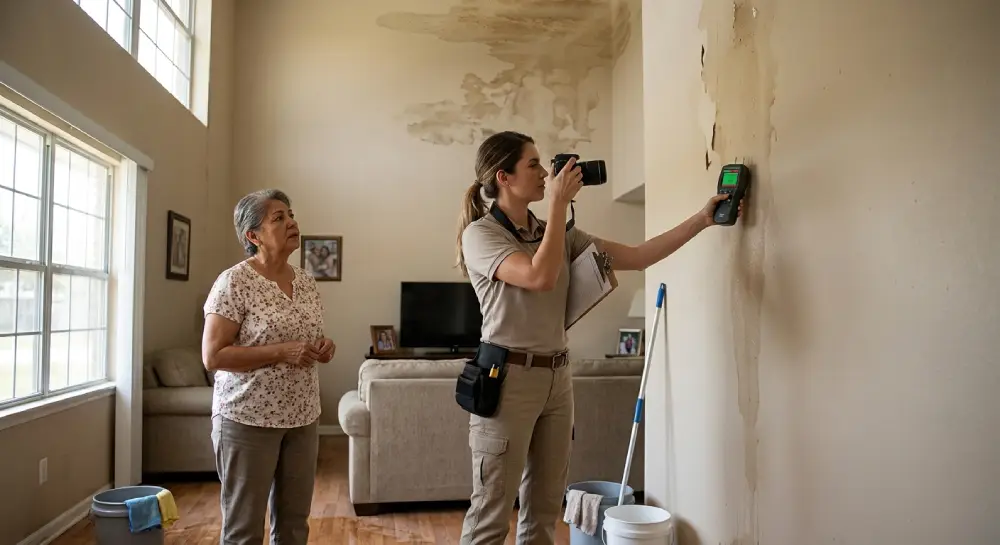
Many San Juan insurance claims are not underpaid because the damage is minor. They are underpaid because the scope is incomplete.
An insurance estimate may look official, but that does not mean it includes everything needed to repair the property correctly. Common problems include:
Missed Damage
The adjuster may inspect too quickly, avoid difficult roof areas, miss interior moisture, overlook soft metal damage, or fail to inspect every affected room. On commercial roofs, missed damage may include seams, drains, flashing, rooftop units, coping metal, and insulation. This is especially common when an insurance adjuster missed roof damage during a short inspection or only reviewed the most obvious areas.
Scope Omissions
A scope omission happens when the estimate leaves out required repair items. For example, the insurer may pay to replace shingles but leave out underlayment, drip edge, flashing, gutters, paint, detach-and-reset items, or interior texture matching.
Depreciation Issues
Insurance companies often apply depreciation to roof, interior, contents, and exterior items. Some depreciation may be recoverable after repairs, depending on the policy. Many policyholders do not realize they may need to submit proof of completed work to recover additional funds.
Low Estimates
Insurance estimates can use pricing that does not reflect real labor, material, or access conditions in the local market. A roof in San Juan with steep sections, multiple layers, complex edges, or difficult access may cost more than a basic estimate suggests.
Documentation Problems
A claim can stall when there are missing photos, unclear repair estimates, incomplete inventories, poor communication, or no explanation connecting the damage to the covered event. Insurance companies rely on documentation. So should you.
Our Public Adjusting Process
TX Public Adjusting uses a clear process to help San Juan property owners move from confusion to a better-documented claim.
Step 1: Claim Review
We start by reviewing the claim status. That may include your insurance estimate, denial letter, settlement letter, photos, contractor estimate, policy documents, and any communication from the insurance company.
If you have not filed yet, we can still review the situation and explain what documentation may be helpful before the claim begins.
Step 2: Property Inspection
We inspect the property to identify covered damage and determine whether the insurance company’s estimate appears complete. For San Juan homes, this often includes the roof, exterior, attic, ceilings, walls, floors, and damaged contents. For commercial properties, we may review roof systems, interior units, common areas, equipment, inventory, and tenant spaces. If the first carrier inspection seemed rushed or incomplete, a roof claim second inspection may help identify damage that was overlooked.
Step 3: Documentation
We prepare claim documentation designed to support the full scope of damage. This can include photos, measurements, diagrams, estimates, itemized repair scopes, moisture-related information, contents lists, and supporting explanations.
Good documentation helps reduce confusion. It also gives the insurance company less room to dismiss legitimate damage as unrelated or unsupported.
Step 4: Negotiation
We communicate with the insurance company and present the claim from the policyholder’s side. That may involve explaining missed items, responding to carrier questions, requesting reinspection, reviewing revised estimates, and pushing for a settlement that reflects the documented damage.
Step 5: Settlement Review
When the insurance company responds, we review the settlement and compare it to the documented scope. If items are still missing, we identify the gaps and discuss the next steps. Our goal is to help San Juan property owners make informed decisions and avoid accepting a low claim payment without understanding what may have been left out.
Why Choose TX Public Adjusting
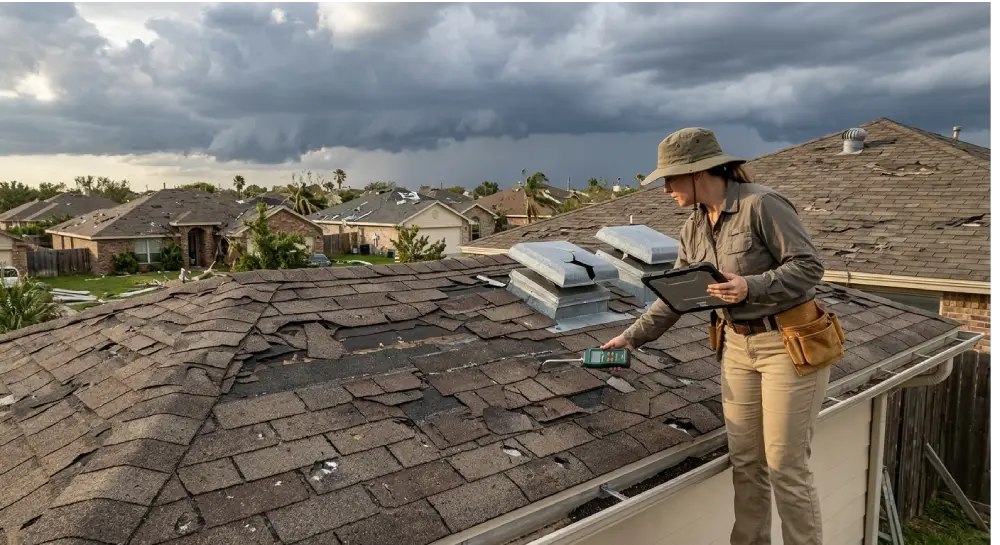
San Juan property owners have choices when they need claim help. TX Public Adjusting brings Texas-focused experience, policyholder-first representation, and practical claim knowledge to the process.
Licensed Texas Public Adjuster
TX Public Adjusting operates through Rise Public Adjusting LLC, Texas License #3356839. We are licensed to represent policyholders in Texas property insurance claims.
We Work for You, Not the Insurance Company
The insurance company’s adjuster represents the carrier. A public adjuster represents the policyholder. That difference matters when there is a dispute about the amount of damage, the repair method, the estimate, or the settlement.
Residential and Commercial Experience
We assist with both residential and commercial claims. From a roof leak in a San Juan home to storm damage at a retail building near the I-2 corridor, we understand that every claim needs a scope built around the property, the policy, and the loss.
Thousands of Claims Reviewed
Our team has reviewed thousands of property damage claims across Texas. That experience helps us spot missed damage, weak estimates, and documentation gaps before they cost the policyholder money.
Localized Claim Strategy
San Juan is not a generic Texas city. Claims here are shaped by Rio Grande Valley storms, tropical rain, Hidalgo County drainage patterns, wind exposure, hail risk, and the mix of residential and commercial properties around San Juan, Pharr, Alamo, and McAllen.
Areas We Serve Near San Juan
TX Public Adjusting helps property owners throughout San Juan and nearby Hidalgo County communities, including:
- Downtown San Juan
- Basilica and San Antonio Avenue area
- I-2 / US 83 commercial corridor
- Nebraska Avenue area
- Raul Longoria Road area
- Pharr
- Alamo
- McAllen
- Edinburg
- Donna
- Weslaco
- Mission
- Hidalgo
- Palmview
- Mercedes
If your property is in or near San Juan and you are dealing with an underpaid, delayed, or denied insurance claim, we can review the damage and explain your options.
When to Call a Public Adjuster in San Juan
You do not have to wait until the claim becomes a fight. A public adjuster can help at several stages.
Call TX Public Adjusting when:
- Your insurance payment is lower than the contractor’s estimate
- The insurance company denied your claim
- The adjuster missed roof, interior, or exterior damage
- Your claim has been delayed without clear answers
- The carrier says the damage is wear and tear
- You have a commercial claim with multiple damaged areas
- You are unsure what your policy covers
- You need help documenting storm, water, fire, or roof damage
The earlier the claim is documented correctly, the easier it is to avoid avoidable disputes. But even if the insurance company has already issued a payment or denial, it may still be worth getting a professional review.
Frequently Asked Questions
How much does a public adjuster cost in San Juan?
TX Public Adjusting offers a free claim review and charges no upfront fees. Public adjusters are typically paid from the claim recovery, which means the fee is connected to the work performed on the claim.
Before we begin, we explain the agreement clearly so you understand how the process works. No property owner should feel pressured or confused before hiring claim help.
Do I need a public adjuster if the insurance company already inspected my San Juan property?
You may still need a public adjuster if the insurance company’s estimate seems low, incomplete, or inaccurate. Insurance adjusters can miss damage, especially on roofs, interiors, commercial buildings, and claims involving wind-driven rain or hail.
A second review from a licensed public adjuster can help identify whether the settlement reflects the full damage. If the estimate is fair, you will know. If it is missing important items, you will have a clearer path forward.
Can TX Public Adjusting help with a denied claim in San Juan?
Yes. We review denied claims to understand why the insurance company refused payment and whether the denial appears supported by the facts, policy language, and damage evidence.
Some denied claims involve poor documentation, missed storm evidence, incorrect cause-of-loss assumptions, or incomplete inspections. We cannot guarantee a reversal, but we can review the file and help you understand whether the claim should be challenged.
What types of storm damage are common in San Juan?
Common storm damage in San Juan includes roof damage, lifted shingles, hail impacts, damaged gutters, broken fencing, wind-driven rain, ceiling stains, water intrusion, and commercial roof leaks.
Because San Juan is in Hidalgo County, property owners should also watch for heavy rainfall, drainage issues, tropical moisture, severe thunderstorms, and wind events. After a storm, document damage quickly and avoid making permanent repairs before taking photos.
Can you help with commercial claims near the San Juan I-2 corridor?
Yes. TX Public Adjusting assists commercial property owners with storm, roof, water, fire, and interior damage claims. Businesses along major corridors often have flat roofs, signage, equipment, inventory, and tenant improvements that require detailed documentation.
Commercial claims can become underpaid when the insurer misses roof components, interior build-outs, inventory losses, or business-related documentation. We help organize the claim and present the damage clearly.
What should I do after hail hits my San Juan property?
Start with safety. Do not climb on the roof if conditions are unsafe. Take photos of hailstones if possible, note the date and time, photograph visible damage, and check gutters, downspouts, window screens, fences, vehicles, and outdoor equipment.
Then request a professional roof inspection. Hail damage may not show from the ground, and waiting too long can make the claim harder to document.
My roof is leaking after heavy rain. Is that covered by insurance?
It depends on the cause of the leak and your policy. If wind, hail, or another covered event created an opening that allowed water to enter, the resulting interior damage may be covered. If the leak is caused by long-term wear, maintenance issues, or deterioration, the insurance company may dispute coverage.
A public adjuster can inspect the damage, review the policy, and help determine what evidence is needed to support the claim.
Why did my insurance company only pay for part of my roof?
Insurance companies may pay for partial roof repairs when they believe only one area is damaged. That may be reasonable in some claims, but it can also be wrong if hail or wind affected multiple slopes, matching is an issue, or repairs cannot be performed properly under code or manufacturer requirements.
TX Public Adjusting reviews roof estimates for missed slopes, low quantities, missing components, and repair methods that may not restore the property correctly.
Can a public adjuster help after I already accepted a payment?
Yes, it may still be possible to review the claim after payment, especially if the estimate missed damage or the repairs cost more than the insurance company allowed. The next steps depend on the policy, deadlines, claim status, and documentation.
Do not assume the first payment is the final word. Many property claims involve supplements when additional damage is discovered or pricing is incomplete.
Why hire TX Public Adjusting for a San Juan claim?
TX Public Adjusting is Texas-focused, licensed, and experienced with residential and commercial property claims. We understand storm damage, roof claims, water losses, fire damage, documentation issues, and the negotiation process.
For San Juan property owners, we bring a local claim approach that considers Hidalgo County weather risks, Rio Grande Valley construction conditions, and the real repair scope needed to restore the property.
Get a Free Claim Review in San Juan, TX
Ready to move forward? Contact TX Public Adjusting for a free claim review and no upfront fees. If your San Juan property damage claim was underpaid, denied, delayed, or confusing, TX Public Adjusting can help you take the next step.
You do not have to handle the insurance company alone. Our job is to review the damage, document the claim, and represent your interests through the claim process.
Rise Public Adjusting LLC
Texas Public Adjuster License #3356839
Serving San Juan, Hidalgo County, and property owners throughout Texas.