

Property damage in Plainview can develop quickly. A spring thunderstorm may leave hail marks across a roof, tear metal panels from an agricultural building, or drive rain through damaged flashing. Winter freezes can rupture plumbing inside homes and businesses. Fire, wind, and water losses can also create repair costs that extend far beyond the first visible signs of damage.
A licensed Texas public adjuster serving Plainview helps property owners document the full loss and present their insurance claim from the policyholder’s side of the table. TX Public Adjusting represents homeowners, business owners, landlords, agricultural property owners, and other insured clients—not the insurance company.
TX Public Adjusting is operated by Rise Public Adjusting LLC, Texas License #3356839. Our team reviews residential and commercial claims across Texas, including new claims, delayed claims, denied claims, and claims that appear to have been underpaid.
Request a Free Claim Review. There are no upfront fees. Contact TX Public Adjusting to discuss your Plainview property damage claim.
Why Property Owners Hire a Public Adjuster in Plainview
Plainview sits on the Llano Estacado in Hale County, between Lubbock and Amarillo. Its open High Plains setting can expose residential, commercial, industrial, and agricultural properties to fast-moving thunderstorms, large hail, damaging winds, blowing debris, drought conditions, winter freezes, and sudden temperature changes.
The city is located near the intersection of Interstate 27, U.S. Highways 70 and 87, and State Highway 194. That transportation access supports a mix of homes, retail properties, warehouses, agricultural operations, offices, churches, restaurants, multifamily buildings, and light-industrial facilities. Plainview is also the Hale County seat and home to Wayland Baptist University.
Each property type presents different insurance claim issues. A hail claim on a single-family home may involve shingles, vents, gutters, fencing, windows, interior leaks, and personal property. A commercial loss may involve a low-slope roof, rooftop equipment, inventory, tenant improvements, business interruption, or specialized machinery. Agricultural and industrial properties may include metal roof systems, siding, grain-handling equipment, storage buildings, electrical systems, and exterior equipment.
The insurance company sends an adjuster to evaluate the claim for the carrier. A public adjuster works for the insured property owner. Property owners who want a closer look at that distinction can review our guide to a public adjuster vs. independent adjuster. That distinction matters when the loss is large, the damage is difficult to identify, or the carrier’s estimate leaves out necessary repairs.
Property owners often contact a Plainview public insurance adjuster when:
- A carrier estimate appears too low
- Roof damage was described as cosmetic or caused by age
- Interior water damage was excluded from the repair scope
- A claim was denied after a limited inspection
- The insurer requested extensive documentation
- Depreciation reduced the initial payment
- The loss involves multiple buildings or roof systems
- A commercial claim is interfering with normal operations
- The policyholder does not have time to manage repeated inspections and negotiations
- Additional damage is discovered after the first estimate
A careful claim review can help determine whether the carrier’s scope reflects the actual condition of the property and the repairs reasonably required.
Plainview Storm Risks and Property Damage Patterns
Plainview’s weather risks differ from those faced by coastal Texas cities. Hurricanes are not the primary concern here. The most serious property threats generally come from High Plains thunderstorms, hail, straight-line wind, tornado-producing storms, winter freezes, fire, and wind-driven rain.
Large Hail and Roof Damage
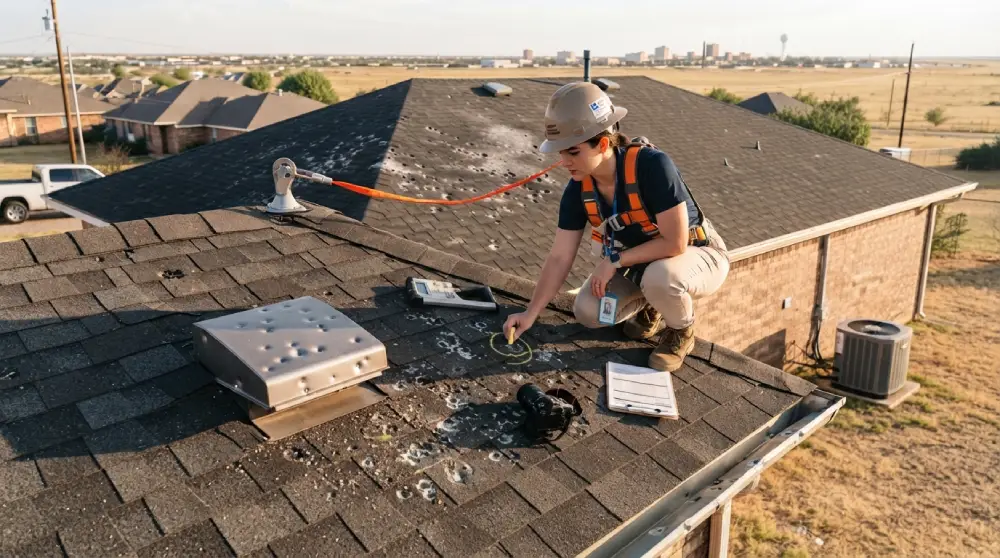
Hail is one of the most important property claim risks in Plainview and the surrounding Texas Panhandle and South Plains region. Severe thunderstorms can produce hail large enough to bruise asphalt shingles, fracture roofing materials, dent metal roofs, damage rooftop equipment, crack skylights, and leave impact marks on gutters, downspouts, siding, fencing, and vehicles.
Recent National Weather Service-based reporting has continued to identify large hail as a leading severe-weather threat around Plainview and the broader Panhandle. In one March 2026 outlook, Plainview faced a severe-weather risk in which hail was identified as the primary concern, with the possibility of stones exceeding 1.5 inches.
Hail damage is not always obvious from the ground. A roof may continue shedding water after a storm while its expected service life has been shortened. On asphalt shingles, impact can loosen granules and damage the mat beneath the surface. On metal systems, hail may dent panels, damage coatings, affect seams, or harm associated components. On commercial roofs, hail can affect membranes, insulation, flashing, drains, rooftop units, and edge metal.
A complete hail damage roof insurance claim should evaluate the entire building envelope, not just a few test areas on the roof.
Straight-Line Wind and Wind-Driven Rain
Open terrain can allow strong winds to reach properties with fewer natural barriers. Wind can lift shingles, loosen roof edges, damage flashing, bend metal panels, detach siding, break windows, topple trees, and push debris into exterior surfaces.
Wind damage can also create openings that allow rain into attics, ceilings, wall cavities, insulation, flooring, and electrical components. When the interior water damage is documented separately from the exterior opening, the carrier’s estimate may fail to connect the full sequence of loss.
Tornado and Severe Thunderstorm Damage
Not every severe storm produces a tornado, but tornado-capable systems are part of the regional weather risk. Tornadoes and rotating supercells can produce concentrated structural damage, debris impact, roof uplift, broken glazing, damaged garage doors, detached exterior components, and widespread power interruption.
Even when a tornado does not directly strike a property, its parent storm may produce damaging hail and strong winds. Owners should avoid assuming that visible exterior damage is the only insured loss.
Winter Freeze and Pipe Damage
Plainview winters can bring freezing temperatures and snowfall. Local economic-development information notes that the area typically receives winter snowfall, while the region’s semiarid climate can produce significant temperature swings.
Frozen pipes may split inside walls, ceilings, attics, mechanical rooms, restrooms, vacant spaces, or commercial facilities. Once the pipe thaws, water can spread through drywall, insulation, flooring, cabinetry, contents, and electrical systems.
A freeze claim may involve more than plumbing repair. Moisture mapping, demolition, drying, reconstruction, personal property, mold prevention, and loss-of-use expenses may all require documentation.
Fire and Smoke Damage
Dry conditions, electrical failures, kitchen incidents, equipment malfunctions, heating systems, and accidental fires can cause severe damage to Plainview homes and commercial properties.
Fire claims frequently extend beyond burned materials. Smoke can travel through HVAC systems and penetrate rooms far from the source. Heat can damage wiring, structural components, windows, roofing materials, appliances, and finishes. Water used during fire suppression can create a second category of loss.
A strong fire claim documents direct fire damage, smoke residue, odor, water damage, demolition, debris removal, code-related work, contents, and temporary relocation or business interruption when covered.
Common Insurance Claims in Plainview
Hail Damage Claims
A Plainview hail damage claim may include:
- Asphalt shingle bruising and granule loss
- Metal roof dents or coating damage
- Damaged vents, flashing, and roof accessories
- Dented gutters and downspouts
- Broken skylights or windows
- Damaged siding, screens, fencing, and exterior finishes
- Rooftop HVAC or mechanical damage
- Interior staining caused by storm-created openings
Property owners should document hail damage for an insurance claim as soon as it is safe to inspect the property. Photographs of the roof, gutters, vents, siding, windows, fencing, and interior leaks can help establish the extent of the loss. The date of loss, storm conditions, roof type, repairability, matching concerns, and policy language can all affect the claim. Property owners who have already received an adverse decision can also review what to do if your hail claim was denied.
Water Damage Claims
Water losses may arise from frozen pipes, appliance failures, plumbing leaks, roof openings, HVAC drainage problems, or water intrusion after a storm. A water damage public adjuster can help document both the visible damage and moisture that has spread into concealed areas.
The visible stain is rarely the entire loss. Moisture may extend beneath flooring, behind cabinets, into insulation, or through multiple rooms. Documentation should address emergency mitigation, moisture readings, damaged materials, access requirements, reconstruction, contents, and potential additional living expenses.
Fire Damage Claims
A fire insurance claim can become highly detailed. A fire insurance adjuster working for the policyholder can help document structural damage, smoke cleaning, soot contamination, odor treatment, damaged personal property, electrical inspections, HVAC cleaning, demolition, debris removal, and code requirements.
For a commercial property, the claim may also involve damaged inventory, equipment, tenant improvements, lost income, extra expenses, or interrupted operations.
Storm Damage Claims
Severe weather can create overlapping categories of loss. One storm may produce hail, wind, debris impact, broken windows, roof damage, water intrusion, and power-related equipment damage.
When the claim is divided into isolated repair items, the estimate may not reflect how the building must actually be restored. A public adjuster can organize the damage into a connected and supportable scope.
Roof Damage Claims
Roof claims are commonly disputed because carriers may attribute damage to wear, installation defects, deferred maintenance, or previous storms. Hiring a public adjuster for a roof claim can help the property owner compare those conclusions with the storm evidence, roof condition, and necessary repair scope.
A roof claim review may consider:
- Storm-created openings
- Lifted, creased, or missing shingles
- Hail impact to shingles and metal components
- Damaged flashing and roof edges
- Membrane punctures or displaced commercial roofing
- Water entry and interior damage
- Repairability and matching
- Local code requirements
- Roofing labor and material pricing
- Damage to vents, skylights, gutters, and rooftop equipment
The carrier’s estimate should be compared with the physical damage, policy provisions, and realistic repair requirements.
Commercial Property Claims
Plainview’s commercial property mix includes retail buildings, offices, restaurants, churches, warehouses, multifamily properties, agricultural facilities, and industrial locations. A commercial public adjuster can help organize building, contents, equipment, inventory, business-income, and extra-expense portions of a covered loss. Local commercial listings reflect demand for office, retail, restaurant, warehouse, shop, multifamily, logistics, manufacturing, and agribusiness spaces.
Commercial insurance claims may involve:
- Large or complex roof systems
- Multiple buildings
- Rooftop equipment
- Inventory and stock
- Machinery and specialized equipment
- Tenant improvements
- Business interruption
- Extra expenses
- Code upgrades
- Temporary protection
- Loss of rents
- Damage to signs, parking areas, fencing, and exterior systems
Claims involving older low-slope commercial roofing may also require a careful review of the roof assembly, drainage system, insulation, flashing, and appropriate built-up roof repair requirements. These losses require organized documentation and close attention to the applicable commercial policy.
Why Plainview Insurance Claims Become Underpaid
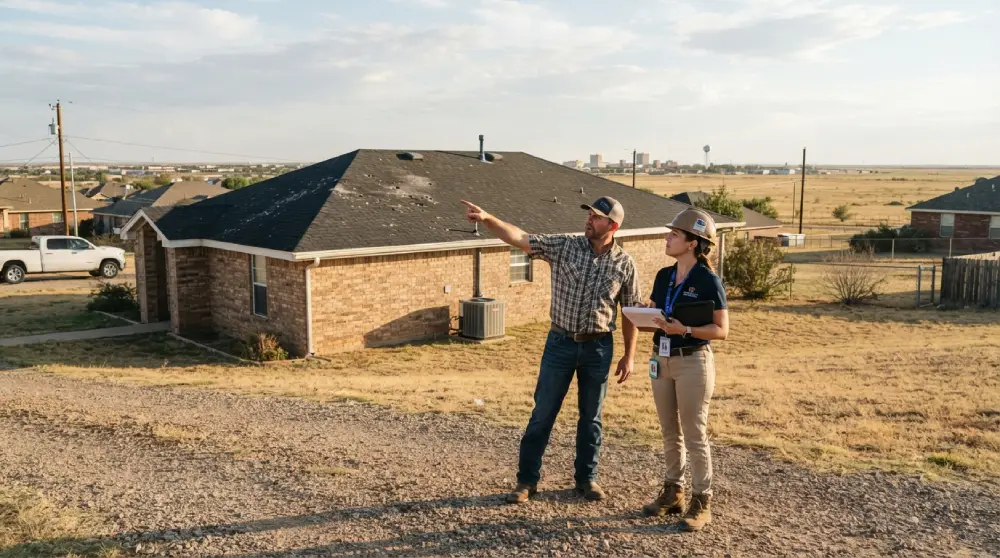
Insurance claim estimates can be incomplete even when the carrier acknowledges coverage. Underpayment often begins with a narrow inspection or an incomplete repair scope.
Missed Damage
An adjuster may inspect only the most obvious area. Roof accessories, interior rooms, soft metals, rooftop equipment, concealed moisture, detached structures, fencing, and code-related repairs may receive little attention.
Scope Omissions
An estimate may list replacement of a damaged material but omit the labor or access needed to complete the work. It may also leave out demolition, debris removal, protective measures, detach-and-reset work, permits, overhead, or associated finishes.
Depreciation Issues
Many policies initially pay an actual cash value amount after depreciation. Recoverable depreciation may become available after repairs are completed and properly documented. Confusion about deadlines, invoices, proof of completion, or policy requirements can prevent a property owner from recovering the remaining amount.
Low Estimates
Carrier pricing may not match real local contractor costs, current material prices, specialized trades, or the complexity of the building. Commercial and agricultural properties can be especially difficult to price when repairs involve metal systems, large roof areas, machinery, specialty equipment, or operational constraints.
Documentation Problems
A claim may weaken when photographs are incomplete, invoices are disorganized, damaged items are discarded too early, or the connection between exterior and interior damage is unclear. Avoiding common property insurance claim mistakes can help preserve evidence and reduce preventable disputes.
A public adjuster helps create a consistent record of the loss so the claim can be evaluated on documented facts rather than assumptions.
Our Public Adjusting Process
1. Claim Review
We begin by reviewing the facts of the loss, available policy documents, carrier correspondence, photographs, estimates, payments, and inspection history.
For an existing claim, we compare what the carrier included with what may have been omitted. For a new claim, we help the policyholder understand what information should be preserved and organized.
2. Property Inspection
We inspect accessible areas related to the reported loss. Depending on the claim, this may include roofing, exterior components, interior rooms, detached structures, commercial spaces, equipment, and visible contents damage.
The goal is to identify the full extent of the loss—not simply confirm that some damage exists.
3. Documentation and Scope Preparation
We organize photographs, measurements, estimates, inventories, invoices, reports, and other supporting information. A detailed scope helps explain what was damaged, what work is required, and how the requested amount was calculated.
4. Carrier Communication and Negotiation
TX Public Adjusting communicates with the insurance carrier regarding the documented claim. We address questions, submit supporting materials, participate in inspections when appropriate, and challenge omissions or unsupported reductions.
5. Settlement and Claim Resolution
We continue working through the claim process toward a documented resolution under the policy. No public adjuster can guarantee a specific result, but organized evidence and consistent claim presentation can place the property owner in a stronger position.
Concerned that your Plainview claim was underpaid? Request a Free Claim Review from TX Public Adjusting. No upfront fees.
Why Choose TX Public Adjusting
Texas-Focused Claim Experience
Texas properties face a wide range of losses, from High Plains hail and wind to Gulf Coast hurricanes, urban water losses, freeze damage, and large commercial claims. Our work is focused on Texas policyholders and Texas property conditions.
Licensed Representation
TX Public Adjusting is operated by Rise Public Adjusting LLC, Texas License #3356839.
Licensing provides an important trust signal for property owners deciding who should assist with a major insurance claim.
Independent Policyholder Representation
We do not work for the insurance company. We represent the insured property owner.
That means our role is to identify and document the policyholder’s loss, prepare the claim, and communicate with the carrier from the insured’s perspective.
Residential and Commercial Knowledge
Our experience includes both residential and commercial property losses. The team has reviewed thousands of claims involving roofs, hail, water, fire, wind, smoke, interior damage, contents, and complex business properties.
We do not invent damage or promise unsupported results. We build the claim around what can be inspected, documented, and supported.
Detailed Claim Preparation
A claim is stronger when the evidence is organized. We focus on scope accuracy, repair requirements, supporting photographs, estimates, inventories, and clear communication.
Plainview Neighborhoods and Areas We Serve
TX Public Adjusting serves property owners throughout Plainview and surrounding Hale County communities.
Within Plainview, we assist insured properties near and around:
- Downtown Plainview and the Commercial Historic District
- Wayland Baptist University
- Runningwater Draw
- Seth Ward
- West Plainview residential areas
- Quincy Street and Olton Road commercial corridors
- Properties near Interstate 27
- Neighborhoods near Broadway, Fifth Street, and Southwest Third
- Residential and commercial properties near the Plainview Country Club area
- Agricultural, warehouse, and industrial properties outside the city core
Downtown Plainview includes historic commercial properties subject to distinct local development and building considerations. Older downtown buildings may present claim issues involving masonry, roofing access, code compliance, matching materials, interior finishes, and business interruption.
We also serve nearby communities, including:
- Hale Center
- Abernathy
- Petersburg
- Cotton Center
- Edmonson
- Olton
- Lockney
- Floydada
- Tulia
- Kress
- Halfway
- Aiken
- Lubbock and surrounding South Plains communities
Property owners outside the Plainview city limits can contact us to confirm service availability.
Frequently Asked Questions
What does a public adjuster in Plainview do?
A public adjuster represents the policyholder during a property insurance claim. Property owners unfamiliar with the role can review our complete explanation of what a public adjuster does. The adjuster reviews the loss, inspects damage, organizes supporting documents, prepares the claim scope, and communicates with the insurance carrier.
Unlike the insurance company’s adjuster, a public adjuster does not represent the carrier. TX Public Adjusting works for the insured property owner.
When should I hire a Plainview public adjuster?
Property owners often hire a public adjuster after a major hail, wind, fire, freeze, water, or commercial loss. You may also seek help when a claim is denied, delayed, underpaid, or missing significant damage.
Early involvement can make documentation easier, but it may still be possible to assist after the carrier has issued an estimate or payment. The answer to when it is too late to hire a public adjuster depends on the claim status, policy deadlines, completed repairs, and available documentation.
Can TX Public Adjusting review an existing claim?
Yes. We review open and previously adjusted claims to determine whether visible damage, repair items, depreciation, or supporting documentation may have been overlooked.
Bring the carrier estimate, payment letters, photographs, contractor proposals, policy documents, and relevant correspondence to the review when available.
How much does a public adjuster cost in Texas?
Public adjusters commonly work under a written fee agreement tied to the insurance recovery. The exact fee structure depends on the claim and must comply with Texas requirements.
TX Public Adjusting offers a Free Claim Review and does not charge upfront fees. The terms are explained before any representation agreement is signed.
Can a public adjuster help with a Plainview hail claim?
Yes. Hail claims are a major part of property damage work in the Plainview area. A public adjuster can inspect the roof and related components, document collateral damage, review the carrier’s estimate, and identify missing items.
The inspection may include shingles, metal panels, flashing, vents, gutters, siding, windows, fencing, rooftop equipment, and interior water damage.
What should I do immediately after storm damage?
Protect people first. Avoid unstable roofs, fallen power lines, broken glass, standing water near electricity, and damaged structural areas.
Take photographs and video before temporary repairs when it is safe to do so. Prevent additional damage with reasonable temporary measures, save receipts, preserve damaged materials when practical, and avoid signing broad repair contracts before understanding the claim.
What if the insurance company says my roof damage is old?
Age and wear exclusions are common issues in roof claims, but they do not automatically resolve whether a recent storm caused covered damage.
The roof’s condition, storm date, impact patterns, lifted or creased materials, collateral damage, previous documentation, repairability, and policy language should all be evaluated before accepting that conclusion.
Can you help with commercial claims in Plainview?
Yes. TX Public Adjusting assists with commercial property claims involving warehouses, retail buildings, offices, churches, restaurants, multifamily properties, agricultural facilities, and industrial locations.
Commercial claims may include building damage, contents, equipment, inventory, tenant improvements, loss of rents, business interruption, and extra expenses, depending on the policy.
What happens if additional damage is found later?
Additional damage may be addressed through a supplemental claim when supported by the policy, timing, and documentation. The property owner should photograph the newly discovered condition and preserve contractor findings, invoices, and related records.
Do not assume the first carrier estimate is the final possible scope. Large roof, water, fire, and commercial claims often develop as damaged materials are removed.
How long does a property insurance claim take?
The timeline depends on the severity of the loss, policy requirements, inspection availability, documentation, contractor input, carrier response, and whether parts of the claim are disputed. Texas property owners may also want to understand how long an insurance adjuster has to contact you after notice of a claim.
A straightforward residential claim may move faster than a large commercial fire or multi-building hail loss. Our role is to keep the claim organized, document requested items, and maintain communication throughout the process.
Get Insurance Claim Help in Plainview
A property loss can place pressure on your home, finances, tenants, employees, or business operations. You do not have to evaluate a complicated insurance estimate alone.
TX Public Adjusting helps Plainview property owners document hail, wind, roof, water, fire, freeze, storm, and commercial property claims. We represent policyholders—not insurance companies.
Contact TX Public Adjusting for a Free Claim Review.
- Licensed Texas Public Adjuster
- Rise Public Adjusting LLC
- Texas License #3356839
- Residential and commercial claims
- No upfront fees
- Policyholder-focused representation