

Property damage in New Territory can become an insurance problem long before repairs begin. A Gulf Coast thunderstorm can damage shingles and fencing in minutes. Tropical systems can bring wind-driven rain, tree damage, and widespread roof losses. Plumbing failures can spread water beneath flooring and behind walls before the source is even discovered. For property owners dealing with a serious loss, a public adjuster in New Territory can provide independent claim representation focused on the policyholder—not the insurance company.
TX Public Adjusting represents homeowners, landlords, investors, and commercial property owners throughout New Territory and Fort Bend County. We inspect damage, review insurance policies and carrier estimates, prepare claim documentation, identify missing scope items, and negotiate covered property claims. TX Public Adjusting operates through Rise Public Adjusting LLC, Texas License #3356839.
Need a second opinion on a denied, delayed, or underpaid claim? Contact TX Public Adjusting for a Free Claim Review. There are no upfront fees.
New Territory has a particularly relevant property-loss profile. The community was annexed into Sugar Land in 2017, and its mature residential areas sit near the Grand Parkway, U.S. 90A, extensive greenbelts, lakes, and drainage infrastructure. The area includes established sections such as Autumn Ridge, Sanders Ridge, Stonehaven, Clayton’s Bend, Pointe Royale, Wilkins Crossing, and Homeward Way. Those mature trees and established homes add character, but severe wind, falling limbs, aging roofing systems, plumbing failures, and heavy rainfall can also create complicated insurance losses.
Why Property Owners Hire a Public Adjuster in New Territory
An insurance company sends an adjuster to investigate its claim obligations. A public adjuster represents the policyholder.
That difference becomes especially valuable when a New Territory property owner is facing a large loss, competing repair estimates, confusing policy language, or an insurance estimate that does not appear to address everything that was damaged.
A public insurance adjuster in New Territory can assist with:
- Reviewing the policy, endorsements, deductibles, exclusions, and applicable limits
- Inspecting the property independently
- Documenting damaged building components and personal property
- Comparing the carrier’s estimate against observed damage
- Identifying omitted or inadequately scoped items
- Preparing supporting estimates, photographs, inventories, and documentation
- Communicating with the insurance carrier during the adjustment process
- Presenting supplements when additional covered work is discovered
- Negotiating disputed scope and valuation issues
The goal is not to inflate a claim. It is to document the covered loss accurately and support it with evidence.
TX Public Adjusting has experience reviewing thousands of residential and commercial claims. That experience matters when a loss involves more than a few damaged shingles or a small drywall repair. Large claims often involve roofing, interior finishes, mechanical systems, personal property, mitigation work, code-related considerations, depreciation, and multiple estimates at the same time.
New Territory Storm Risks Are Different From Many Inland Texas Communities
New Territory sits in the Houston-area weather environment, so property owners can encounter tropical systems, intense thunderstorms, hail, straight-line wind, extreme rainfall, flash flooding, and occasional hard freezes.
The local history is not theoretical.
During Hurricane Beryl in July 2024, the National Weather Service recorded 10.40 inches of rainfall at a gauge on New Territory Boulevard. Fort Bend County experienced widespread downed trees, structural damage, power outages, and significant rainfall, while the Sugar Land Municipal Airport recorded a 76 mph wind gust during the storm.
Severe thunderstorms remain another recurring concern. In July 2026, the National Weather Service specifically included New Territory in a strong-thunderstorm statement warning of wind gusts up to 40 mph, hail, torrential rainfall, and possible localized flooding.
Those weather patterns help explain why roof, water, wind, tree-impact, and exterior-envelope claims are common concerns for property owners in this part of Fort Bend County.
Tropical Storm and Hurricane Damage
New Territory is inland from the Gulf Coast, but that does not eliminate hurricane exposure. Property owners dealing with property damage after a hurricane may face roof damage, wind-driven rain, broken windows, fallen trees, and interior water intrusion from the same storm. Tropical systems can still produce:
- Lifted or missing shingles
- Damaged ridge caps and flashing
- Wind-driven rain
- Broken windows
- Fence and exterior structure damage
- Fallen trees and limbs
- Interior water intrusion
- Ceiling and insulation damage
- Power-related equipment losses
A claim may become difficult when the roof looks largely intact from the ground while lifted shingles, broken seals, displaced flashing, or water entry points remain less obvious.
Heavy Rain and Water Intrusion
New Territory contains extensive lakes, trails, parks, greenbelts, and drainage corridors. The community’s recreation system alone includes more than 450 acres of parks and greenbelts and eight lakes. Fort Bend County also maintains detailed floodplain and watershed resources because heavy-rain and flood risk are significant considerations across the county.
Property policies do not treat every source of water the same way. A plumbing loss, roof leak following covered storm damage, sewer event, groundwater intrusion, and rising floodwater may involve very different coverage provisions. Flood damage is commonly handled under separate flood insurance rather than a standard property policy.
That distinction makes documentation of the source and pathway of the water especially important.
Hail and Severe Thunderstorm Damage
Hail does not have to break through a roof to create a disputed insurance claim. A hail damage roof insurance claim can involve asphalt shingles, flashing, vents, gutters, siding, screens, windows, fencing, and other exterior components even when there is no obvious hole in the roof. Asphalt shingles can suffer impact marks, granule displacement, bruising, and fractures. Metal components may dent. Gutters, vents, screens, window components, siding, fences, and outdoor equipment can also show storm evidence.
New Territory homeowners dealing with a questionable roof decision can benefit from comparing the carrier’s findings with a detailed roof and exterior assessment rather than assuming the first inspection captured every damaged component.
Freeze and Pipe-Burst Losses
Southeast Texas is better known for heat and hurricanes than extended freezes, which can make cold-weather events particularly disruptive. Frozen or failed plumbing can damage ceilings, drywall, cabinetry, flooring, insulation, and contents across multiple rooms.
The visible water is often only part of the loss. Moisture may continue underneath flooring or inside wall cavities after standing water has been removed.
Common Insurance Claims in New Territory
| Claim Type | Damage We Frequently Review |
| Hail Damage Claims | Shingles, flashing, vents, gutters, siding, screens and exterior components |
| Water Damage Claims | Drywall, flooring, cabinets, ceilings, insulation and contents |
| Fire Damage Claims | Structural damage, smoke, soot, contents and additional living expenses |
| Storm Damage Claims | Wind, falling trees, debris impact, wind-driven rain and exterior damage |
| Roof Damage Claims | Missing shingles, lifted materials, leaks, flashing and roof accessories |
| Commercial Property Claims | Buildings, equipment, inventory, tenant improvements and business-related losses |
Hail Damage Claims
A hail claim should document more than the roof surface. We look at the entire property for storm indicators that may help establish the extent and direction of the event.
Roof claims can become underpaid when damaged accessories, gutters, flashing, vents, fencing, exterior finishes, or interior water damage are not included in the original scope.
Water Damage Claims
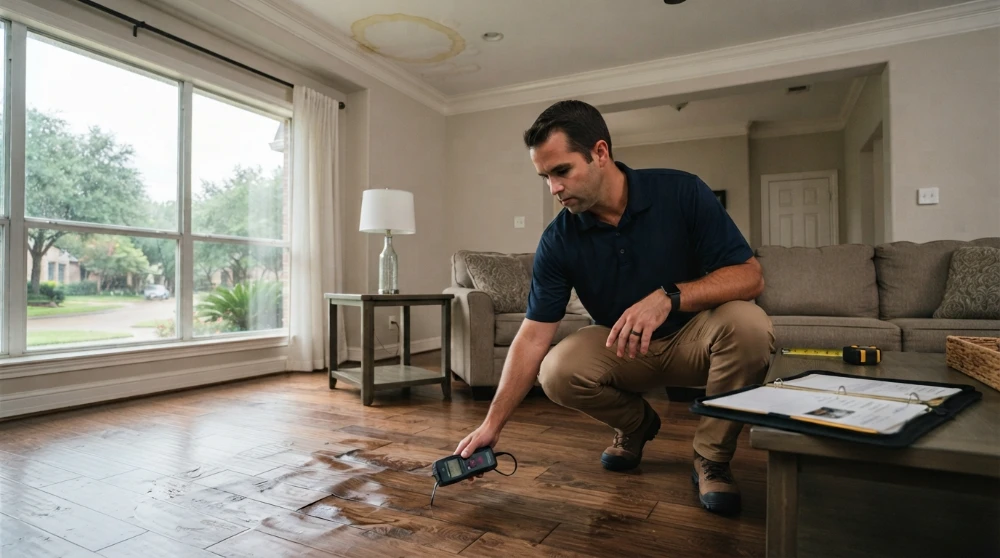
Water can migrate well beyond the area where it first becomes visible. Working with a water damage public adjuster can be particularly useful when the carrier’s estimate addresses the visible drywall or flooring but does not account for the complete path of the water or the materials affected behind the finished surfaces. A leak near a kitchen, bathroom, attic, or mechanical system may affect adjacent rooms, insulation, cabinetry, subflooring, baseboards, drywall, and personal property.
A New Territory public adjuster can review the carrier’s estimate against the documented moisture path, mitigation records, photographs, repair requirements, and policy.
Fire and Smoke Damage Claims
Fire claims can involve the structure, contents, smoke contamination, soot, demolition, debris removal, temporary housing, and numerous specialist reports. A fire insurance adjuster working for the policyholder can help document these different parts of the loss rather than limiting the claim to visibly burned materials.
Smoke can travel far beyond the room where a fire started. That is one reason a fire-loss scope should not automatically end at visibly burned materials.
Storm and Wind Damage Claims
New Territory’s mature landscaping can create an additional storm-loss issue: falling trees and branches. The City of Sugar Land notes that New Territory contributed substantially to the city’s tree canopy after annexation.
Wind claims may involve roofing, windows, gutters, fences, detached structures, water intrusion, and tree impact. After a widespread storm, documenting the loss promptly can be especially helpful before temporary repairs change the original condition.
Roof Damage Claims
Roof claims frequently involve disagreements over cause, repairability, matching, age, depreciation, prior wear, and whether individual components require repair or replacement. Hiring a public adjuster for a roof claim gives the policyholder an independent review of the roof damage, carrier scope, measurements, pricing, and related property damage.
A quick inspection may identify obvious missing shingles while overlooking flashing, vents, soft metals, underlayment-related work, steep-slope access considerations, or interior damage resulting from the same event.
Commercial Property Claims
Businesses near New Territory Boulevard, the Grand Parkway, U.S. 90A, and the surrounding Sugar Land commercial corridors can face a different level of claim complexity.
Commercial losses may include:
- Roof and building-envelope damage
- Interior water damage
- Inventory
- Equipment
- Electrical or mechanical systems
- Tenant improvements
- Emergency mitigation
- Business interruption where coverage applies
TX Public Adjusting handles both residential and commercial property losses. Business owners facing a significant building, roof, water, fire, or storm loss can learn more about working with a commercial public adjuster for complex Texas property claims.
Why New Territory Insurance Claims Become Underpaid
An underpaid claim does not always result from one dramatic disagreement. Often, the difference is created by dozens of smaller omissions.
Missed Damage
A roof inspection may focus on shingles but omit gutters, vents, flashing, screens, fencing, interior staining, or related exterior components.
With water losses, the estimate may address drywall without fully accounting for flooring removal, cabinetry, insulation, subflooring, painting, trim, or access required to complete covered repairs.
Scope Omissions
An estimate is a repair scope expressed in dollars. If necessary work is absent from the scope, the total can remain low even when every listed line item is priced correctly.
That is why we review both what the carrier priced and what the carrier did not include.
Depreciation Issues
Many claims involve replacement cost, actual cash value, and recoverable depreciation. Property owners can receive an initial payment that is lower than the eventual covered replacement cost because depreciation is being withheld subject to policy terms.
Understanding how that calculation works can prevent confusion about what has been paid, what remains potentially recoverable, and what documentation may still be required.
Low or Incomplete Estimates
Carrier estimates and contractor estimates may differ because they are based on different measurements, material assumptions, repair methods, labor requirements, or quantities.
The answer is not simply to choose the bigger number. The scope should be supported by actual property conditions and the policy.
Documentation Problems
Photographs taken days later, missing invoices, incomplete inventories, discarded materials, and undocumented emergency repairs can make a legitimate claim harder to establish.
When possible, photograph damage before major demolition or disposal and keep records of emergency work, mitigation, temporary repairs, receipts, reports, and carrier communications.
Our Public Adjusting Process
1. Claim Review
We start by understanding the loss, claim status, carrier position, payments already issued, and the concerns that caused you to request a review.
If you already have an estimate, denial letter, photographs, repair proposal, or proof-of-loss documentation, we review those materials as part of the claim picture.
2. Property Inspection
We inspect the affected property and document observed damage.
For a New Territory storm claim, that may include roofing, exterior elevations, gutters, windows, fencing, detached structures, attic areas, ceilings, flooring, and other affected components.
3. Documentation and Scope
We organize photographs, measurements, estimates, inventories, reports, and supporting claim information.
The objective is to present a clear connection between the covered event, resulting damage, and requested scope of repair.
4. Insurance Company Communication and Negotiation
TX Public Adjusting communicates with the carrier as your licensed public adjuster. We address questions about damage, scope, documentation, and valuation and provide additional support when justified.
5. Claim Resolution
We continue working through the adjustment process until the covered claim issues within our representation have been addressed.
No public adjuster can guarantee a particular settlement. The value of professional representation is in building and presenting a well-documented claim grounded in the policy and the actual loss.
Already received a low estimate? You do not necessarily have to accept it without review. Request a Free Claim Review from TX Public Adjusting before assuming the claim is finished.
Why Choose TX Public Adjusting in New Territory?
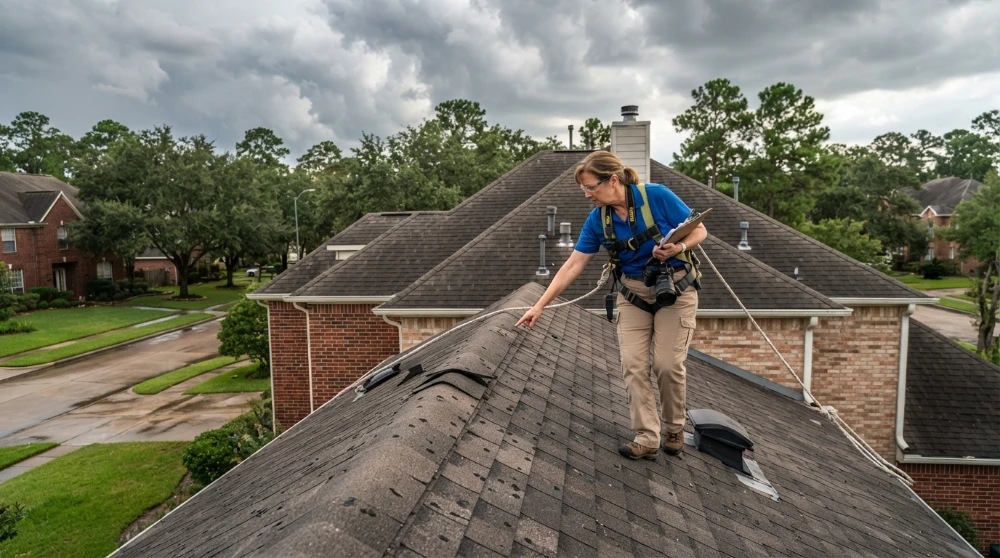
Property owners hire us because they want someone on the claim whose duty is to represent the policyholder.
Licensed Texas Public Adjuster
TX Public Adjusting operates through Rise Public Adjusting LLC, Texas License #3356839.
Texas-Focused Experience
Texas claims involve regional weather patterns ranging from Gulf Coast hurricanes and Fort Bend County flooding to hail, windstorms, freezes, and severe thunderstorms.
That experience helps when evaluating the cause, scope, documentation, and repair issues involved in a New Territory property claim.
Independent Policyholder Representation
We do not work for your insurance carrier.
A public adjuster represents the insured. That allows us to evaluate a claim from the property owner’s side of the transaction.
Residential and Commercial Experience
Our work includes homes, rental properties, multifamily buildings, offices, retail properties, warehouses, restaurants, churches, and other commercial losses.
Thousands of Claims Reviewed
Experience across thousands of reviewed claims helps our team recognize recurring problems such as incomplete scopes, missed components, inconsistent measurements, insufficient documentation, and valuation disputes.
Local Property Claim Help Throughout New Territory
New Territory is much more than one entrance sign. Property types and construction characteristics vary from section to section.
We assist property owners around Autumn Ridge, Sanders Ridge, Stonehaven, Clayton’s Bend, Pointe Royale, Wilkins Crossing, Homeward Way, and surrounding sections identified within the New Territory area.
Local landmarks and facilities such as The Club at New Territory, Ellis Creek Park, the New Territory Sports Complex, and LCPL Garrett Gamble Veterans’ Memorial Park help define the community’s geography. The Club is located on Walker School Road, while Ellis Creek Park sits along Homeward Way and connects with the Ellis Creek Pathway through the community.
Areas We Serve Near New Territory
TX Public Adjusting also assists property owners throughout Sugar Land and nearby Fort Bend County communities, including Telfair, River Park, Greatwood, Pecan Grove, Richmond, Stafford, Missouri City, and Rosenberg.
Frequently Asked Questions About Public Adjusters in New Territory
What does a public adjuster in New Territory do?
A public adjuster represents the policyholder during a property insurance claim. That can include inspecting damage, reviewing the policy and carrier estimate, documenting the loss, preparing supporting information, communicating with the insurance company, and negotiating disputed scope or valuation issues.
The insurance company’s adjuster represents the carrier. TX Public Adjusting represents you.
When should I hire a public adjuster for a New Territory property claim?
Many property owners call after receiving a low payment, denial, incomplete estimate, or repeated requests for information. Others bring in a public adjuster early when the loss is large enough that documentation mistakes could materially affect the claim.
You can also request a review after the carrier has already inspected the property. The fact that an initial estimate has been issued does not automatically mean every covered item was captured.
Can you help with Hurricane Beryl claims in New Territory?
Potentially, depending on the claim status, policy, deadlines, and circumstances of the loss. Hurricane Beryl produced significant wind and rainfall in Fort Bend County, including a recorded 10.40 inches of rain at a New Territory Boulevard gauge.
If a Beryl claim was denied, underpaid, or left unresolved, TX Public Adjusting can review the existing documentation and explain what options may remain.
Can a public adjuster help if my New Territory roof claim was underpaid?
Yes. Roof claims are a common reason property owners seek a second review.
We can compare the insurance estimate with the observed roof and exterior damage, measurements, photographs, repair requirements, policy provisions, and related interior damage. If justified, additional documentation may be presented to the carrier.
If the carrier rejected the roof damage entirely, you can also review what to do if your hail claim was denied before deciding that the insurance company’s first decision is the end of the claim.
Does homeowners insurance cover flooding in New Territory?
Standard property policies commonly distinguish floodwater from other types of water damage, and flood coverage is often purchased separately. Coverage always depends on the specific policy and source of water.
Fort Bend County maintains floodplain and flood-risk mapping resources for residents, so property owners should review both their property policy and any separate flood policy rather than assuming all water intrusion is handled the same way.
What if a pipe bursts and damages several rooms?
A pipe failure can create damage well beyond the immediate leak location. Water may travel beneath flooring, into cabinets, through walls, or between levels.
Document the original condition, mitigation work, moisture readings where available, removed materials, and resulting damage. A public adjuster can then compare that evidence with the carrier’s repair scope.
Can you help with commercial property claims near New Territory?
Yes. TX Public Adjusting handles commercial property claims as well as residential losses.
Commercial claims may involve building damage, inventory, equipment, tenant improvements, mitigation costs, and business interruption issues when included by the applicable policy.
How much does a public adjuster in New Territory cost?
Public adjuster compensation is typically established in a written agreement and is subject to Texas law and the terms of the engagement.
TX Public Adjusting offers a Free Claim Review with no upfront fees. Before representation begins, the fee structure and scope of services should be explained in writing so you know how the arrangement works.
Can I hire a public adjuster after the insurance company has already paid me?
Possibly. Many clients contact a public adjuster precisely because they believe an issued payment or estimate does not reflect the full covered damage. If the claim has already been open for some time, our guide explains when it is too late to hire a public adjuster and why policy deadlines and claim status should be reviewed promptly.
Timing still matters. Policy provisions, contractual deadlines, statutes, prior releases, repairs, and claim status can affect available options. It is better to request a review promptly rather than allowing an unresolved claim to sit.
What should I send TX Public Adjusting for a Free Claim Review?
Start with whatever you already have: the carrier estimate, coverage or denial letters, photographs, repair estimates, mitigation invoices, proof-of-loss forms, engineering reports, payment information, and relevant emails.
Do not worry if your file is incomplete. We can begin by reviewing the current claim position and identifying what additional information may be useful.
Get a Free New Territory Claim Review
A property loss can be stressful enough without wondering if the insurance estimate missed half the damage.
If you own a home, rental property, or commercial building in New Territory and your claim has been underpaid, denied, delayed, or inadequately scoped, TX Public Adjusting can review it.
TX Public Adjusting
Rise Public Adjusting LLC
Texas License #3356839
Residential & Commercial Property Claims
Free Claim Review
No Upfront Fees
Contact TX Public Adjusting for a Free Claim Review and find out what your claim documentation actually supports.