

Property damage in Iowa Colony can quickly turn into a complicated insurance claim. Homes and businesses in this growing Brazoria County community face heavy Gulf Coast rainfall, tropical systems, strong winds, hail, roof damage, plumbing failures, and drainage-related water intrusion. When the insurance company’s estimate does not reflect the full scope of the loss, an experienced public adjuster in Iowa Colony can help document the damage and present the claim from the policyholder’s side.
TX Public Adjusting represents homeowners, landlords, commercial property owners, and other policyholders—not insurance companies. We inspect damaged property, review policy terms, prepare detailed claim documentation, identify missing line items, and negotiate with the carrier for the amount supported by the loss.
TX Public Adjusting is operated by Rise Public Adjusting LLC, a licensed Texas public adjusting firm under Texas License #3356839.
Request a Free Claim Review. There are no upfront fees.
Insurance Claim Help for Iowa Colony Property Owners
Iowa Colony has changed significantly from its rural roots. New homes, retail corridors, schools, neighborhood amenities, and master-planned developments continue to expand around State Highway 288, Highway 6, and County Road 56. Communities such as Meridiana, Sterling Lakes, Sierra Vista, Glendale Lakes, Creekhaven, and Terreno Vista have added thousands of newer homes to the area.
That growth creates a diverse mix of property claims. Some losses involve newer construction with builder-grade roofing, exterior finishes, drainage systems, and modern mechanical equipment. Other claims affect older homes, acreage properties, detached structures, barns, fencing, workshops, or commercial buildings.
Iowa Colony is located in northern Brazoria County, south of Houston and near Pearland and Manvel. The city’s Gulf Coast location exposes properties to tropical weather, intense rain, strong thunderstorms, wind-driven rain, tornadoes, and occasional hail. Iowa Colony’s own master drainage planning documents identify stormwater runoff and flood-risk management as major local concerns.
An insurance company adjuster may inspect the property and prepare an estimate, but that adjuster works for the carrier. A public adjuster works for the policyholder. Property owners who are unfamiliar with claim representation can learn more about how a public adjuster works before deciding whether professional help fits their situation. That difference matters when the scope is incomplete, the claim has stalled, or the settlement does not appear sufficient to complete covered repairs.
Why Property Owners Hire a Public Adjuster in Iowa Colony
Many property owners begin a claim expecting the process to be straightforward. They report the loss, meet the carrier’s adjuster, receive an estimate, and assume the insurance company has included everything.
That does not always happen.
Damage can be missed because portions of the property were not inspected closely, because the effects of wind or water were not immediately visible, or because the carrier assigned a narrow repair scope. A roof estimate may include only a small patch. A water claim may omit damaged cabinets, insulation, flooring, baseboards, electrical components, or required demolition. A commercial estimate may fail to account for code requirements, equipment, business contents, or access costs.
Property owners often contact an Iowa Colony public insurance adjuster when:
- The insurance payment is lower than expected
- The carrier has denied part or all of the claim
- Roof damage was classified as wear, age, or maintenance
- Water damage was limited to a small visible area
- The insurer’s estimate leaves out materials or labor
- The claim involves several buildings or damage categories
- The property owner does not have time to manage inspections and paperwork
- The carrier and contractor disagree about the repair scope
- The claim has been delayed or repeatedly reassigned
- Additional damage is discovered after work begins
Hiring a public adjuster does not change the policy. It gives the policyholder professional representation during the documentation, estimating, and negotiation process.
Iowa Colony Storm and Property-Damage Risks
Iowa Colony’s claim patterns are influenced by its position within Southeast Texas and the broader Houston-Galveston weather region.
Tropical Storm and Hurricane Damage
Although Iowa Colony is inland from the Gulf, tropical systems can still bring damaging winds, prolonged rainfall, wind-driven water, fallen trees, roof failures, broken fencing, damaged siding, and power-related losses.
Property damage after a hurricane may involve several causes of loss at once, including wind damage, roof openings, fallen trees, exterior damage, and interior water intrusion. A storm can lift shingles, damage flashing, open roof penetrations, drive water through exterior assemblies, and cause interior staining or insulation damage. The carrier may separate covered wind damage from excluded surface flooding, making documentation of the cause and entry point especially important.
Properties near Meridiana, Sterling Lakes, and Sierra Vista may have newer roof systems, but newer construction is not immune to wind damage. Ridge caps, vents, gutters, window screens, garage doors, fencing, and exterior fixtures can still sustain damage during a severe storm.
Heavy Rain and Drainage-Related Water Damage
Flooding and heavy rainfall are among the most significant environmental risks affecting Iowa Colony. Independent risk assessments characterize the city’s flood exposure as high or severe, while the city has also undertaken formal drainage planning to address runoff and infrastructure needs.
Property owners who are dealing with an insurance adjuster after water damage should document the entry point, affected materials, emergency work, and progression of moisture as early as possible. Standard property policies commonly treat rain entering through storm-created openings differently from rising surface water or flooding. Because of that distinction, a claim should clearly document:
- Where the water entered
- Whether wind damaged the roof or exterior first
- The timing of interior moisture
- Water lines and affected rooms
- Damaged building materials
- Emergency mitigation work
- Whether moisture traveled behind walls or under flooring
A public adjuster can help organize the evidence and identify which portions of the loss may fall within the policy’s covered causes.
Wind, Tornado, and Thunderstorm Claims
Southeast Texas experiences powerful thunderstorms capable of producing straight-line winds, tornadoes, hail, lightning, and heavy rain. A late-December 2024 severe-weather outbreak produced multiple tornadoes across the region, including a deadly tornado in Brazoria County.
Wind damage is not always obvious from ground level. Shingles may crease or lift without fully detaching. Flashing can loosen. Roof vents may shift. Fences can lean while remaining upright. Water may enter days or weeks later when another rainstorm reaches the weakened area.
After a severe storm, property owners should photograph exterior conditions, preserve damaged materials when practical, and avoid making permanent repairs until the loss has been adequately documented.
Hail and Roof Damage
Iowa Colony does not experience hail as frequently as some parts of North Texas, but severe Gulf Coast thunderstorms can still produce damaging hail. Hail claims may involve:
- Asphalt shingle bruising or granule loss
- Cracked or displaced tile
- Dents in metal roofing
- Damaged gutters and downspouts
- Dented vents, flashing, and soft-metal components
- Window-screen and siding damage
- Damage to fences, sheds, and outdoor equipment
- Commercial membrane punctures or insulation damage
A hail damage insurance claim should be evaluated across the full property—not only the field shingles. Collateral damage to gutters, vents, fencing, screens, air-conditioning fins, and exterior finishes can help establish the storm’s effects.
Freeze and Plumbing Damage
Although Iowa Colony is known for heat and humidity, Southeast Texas properties can also experience sudden winter freezes. Frozen pipes, attic plumbing failures, cracked exterior lines, and damaged fire-suppression systems can release large amounts of water.
The resulting claim may involve drying, demolition, plumbing access, insulation, drywall, paint, cabinetry, flooring, electrical work, and temporary housing. A narrow estimate that pays only for the broken pipe or a small drywall opening may not account for the full covered repair scope.
Common Insurance Claims in Iowa Colony
Hail Damage Claims
Hail can damage roofing materials without creating an immediate leak. The problem may become apparent later through staining, missing granules, loosened components, or accelerated deterioration.
TX Public Adjusting evaluates hail claims by comparing the reported storm, roof condition, collateral damage, carrier photographs, measurements, and estimate. We also review whether the insurer omitted accessories, underlayment, flashing, steep or high charges, waste factors, or other necessary repair items.
Water Damage Claims
Water claims are common in residential and commercial properties. Causes may include plumbing failures, appliance leaks, supply-line breaks, roof openings, air-conditioning drain backups, or storm-driven rain.
Visible water is often only part of the loss. Moisture can travel beneath flooring, into insulation, behind cabinets, and through wall cavities. Proper documentation may require moisture readings, photographs, mitigation records, demolition details, and repair estimates.
Fire and Smoke Damage Claims
A fire damage insurance claim can involve far more than visibly burned materials. Smoke residue, heat, soot, water from firefighting, electrical damage, odor, debris removal, contents cleaning, and temporary living expenses may all require attention.
Our team helps organize the building and contents portions of fire claims, review the carrier’s repair methodology, and document areas that may require cleaning, sealing, replacement, or specialized treatment. For a large residential or commercial loss, working with a fire insurance adjuster who represents the policyholder can help organize structural damage, smoke contamination, contents, debris removal, and related expenses.
Storm and Wind Damage Claims
Storm claims may include roofing, siding, windows, doors, gutters, fencing, detached structures, landscaping, and interior water damage. We examine how the storm affected the property as a connected system rather than treating each symptom in isolation.
Roof Damage Claims
Roof claims are frequently under-scoped because the estimate focuses on the most visible area. A public adjuster for a roof claim can review whether the carrier included all damaged slopes, components, accessories, and necessary repair work.
Properties in Iowa Colony include asphalt shingle roofs, metal components, tile installations, and commercial low-slope systems. Each requires a different inspection and estimating approach.
Commercial Property Claims
Our team assists with commercial property claims affecting retail centers, offices, warehouses, churches, restaurants, apartment communities, schools, storage facilities, and mixed-use buildings.
These claims often involve:
- Multiple roof sections
- Mechanical equipment
- Tenant improvements
- Inventory or business contents
- Signage and exterior systems
- Code upgrades
- Business interruption documentation
- Complex repair access
- Coordination among owners, tenants, contractors, and insurers
TX Public Adjusting handles both residential and commercial claims throughout Texas.
Why Iowa Colony Insurance Claims Become Underpaid
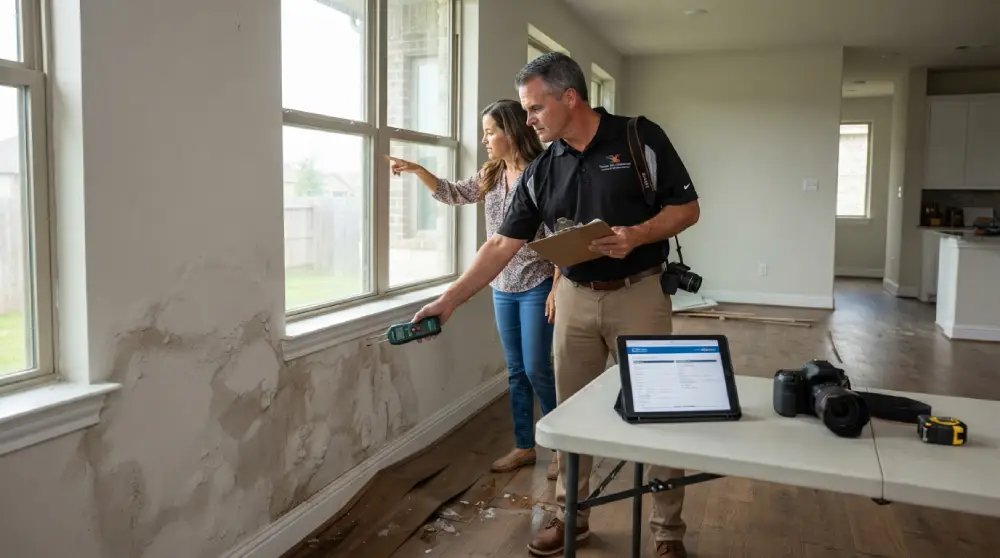
An underpaid claim is not always the result of one obvious mistake. It is often the combined effect of missed damage, limited documentation, pricing differences, and incomplete repair assumptions.
Missed or Hidden Damage
The first inspection may occur before moisture staining, material separation, mold concerns, or interior deterioration becomes visible. Roof damage may also be missed when the inspection is brief or limited to a few test areas.
Scope Omissions
A carrier estimate may omit necessary items such as:
- Removal and disposal
- Protection of unaffected areas
- Detaching and resetting fixtures
- Matching adjoining finishes
- Contractor overhead and profit
- Access equipment
- Permit costs
- Code-required work
- Painting complete wall or ceiling sections
- Flooring transitions
- Contents manipulation
- Post-construction cleaning
Individually, these items may appear small. Across a large loss, they can substantially affect the repair budget.
Depreciation Issues
Recoverable depreciation may be withheld until repairs are completed and documented. Problems arise when depreciation is applied incorrectly, when the policy limits recovery, or when the initial payment is too low to start the work.
We review the estimate and policy documentation to identify how depreciation was calculated and what may be required to recover eligible amounts.
Low or Incomplete Estimates
Carrier estimates may use different quantities, labor assumptions, material prices, or repair methods than local contractors. A low estimate does not automatically mean the carrier acted improperly, but it should be reviewed line by line when it does not reflect the actual work required.
Documentation Problems
Insurance claims depend heavily on evidence. Some common property insurance claim mistakes include discarding damaged materials too early, failing to photograph the loss, overlooking additional damage, and accepting an incomplete scope without review. Missing photographs, unclear timelines, incomplete inventories, discarded materials, and undocumented emergency work can make the claim harder to prove.
That is why early documentation is valuable. Even when a claim has already been filed, a public adjuster may be able to identify additional evidence and organize the file more effectively.
Our Public Adjusting Process
1. Claim Review
We begin by learning what happened, when the loss occurred, what the carrier has done, and where the claim currently stands.
We may review:
- The insurance policy
- Carrier estimates
- Payment letters
- Coverage correspondence
- Photographs
- Contractor estimates
- Mitigation invoices
- Engineering reports
- Proof-of-loss requests
- Prior claim records
The goal is to identify potential gaps before determining the next step.
2. Property Inspection
We inspect the affected property and document visible conditions. Depending on the claim, this may include roofing, exterior components, interior rooms, detached structures, mechanical systems, commercial areas, or damaged contents.
3. Damage Documentation and Estimating
We prepare the claim support needed to present the loss. This can include photographs, measurements, inventories, repair scopes, estimates, reports, and supporting records.
We do not simply argue that the payment is too low. We work to show why the documented scope supports a different conclusion.
4. Claim Presentation and Negotiation
TX Public Adjusting communicates with the insurance company, submits supporting documents, responds to questions, attends inspections when appropriate, and negotiates disputed portions of the claim.
5. Settlement Support
We help track the claim through resolution, including supplemental payments and eligible depreciation when applicable. Final coverage and payment decisions remain subject to the policy and the insurer’s claim determination.
What a Public Adjuster Reviews That May Be Missed
| Claim Area | Items That May Require Additional Review |
| Roofing | Slopes, ridge caps, flashing, vents, valleys, underlayment, decking and accessories |
| Water damage | Moisture migration, flooring, cabinets, insulation, drywall and drying costs |
| Fire damage | Smoke, soot, odor, contents, electrical systems, cleaning and debris removal |
| Exterior damage | Siding, gutters, fencing, windows, screens, paint and detached structures |
| Commercial loss | Equipment, tenant improvements, inventory, code work and business interruption |
| Estimate accuracy | Measurements, quantities, labor, material pricing, waste and access charges |
| Policy issues | Deductibles, depreciation, exclusions, endorsements and claim duties |
Mid-Claim Help for Underpaid or Denied Losses
You do not necessarily have to hire a public adjuster before reporting a claim. Many Iowa Colony property owners contact TX Public Adjusting after they receive a low estimate, partial denial, repair-only decision, or request for more documentation.
The earlier the claim is reviewed, the more opportunity there may be to preserve evidence and address problems before deadlines or repairs complicate the file.
Have an underpaid, delayed, or denied claim in Iowa Colony? Request a free claim review from TX Public Adjusting.
Why Choose TX Public Adjusting
Licensed Texas Representation
TX Public Adjusting is operated by Rise Public Adjusting LLC under Texas License #3356839.
We Represent Policyholders
We do not work for the insurance company. Our responsibility is to the homeowner, business owner, landlord, or other policyholder who hires us.
Residential and Commercial Experience
Our team has reviewed thousands of property claims involving homes, multifamily properties, commercial buildings, roofing systems, water losses, fires, storms, and complex damage documentation.
Texas-Focused Claim Knowledge
Texas claims are shaped by hail, hurricanes, freezes, windstorms, intense rainfall, and region-specific construction. We understand how those losses appear across residential and commercial properties.
Detailed Claim Preparation
A strong claim requires more than a verbal disagreement with the carrier. We focus on inspection findings, measurements, photographs, scope preparation, documentation, and policy-based presentation.
No Upfront Fees
TX Public Adjusting offers a Free Claim Review and does not charge upfront fees. Compensation terms are explained in the written agreement before representation begins.
Areas We Serve Near Iowa Colony
TX Public Adjusting assists property owners throughout Iowa Colony and nearby Brazoria County communities, including:
- Meridiana
- Sterling Lakes
- Sierra Vista
- Glendale Lakes
- Creekhaven
- Terreno Vista
- Lakes of Savannah
- Manvel
- Pearland
- Rosharon
- Arcola
- Alvin
- Fresno
- Angleton
- Missouri City
We also assist policyholders along the Highway 288 corridor and across the greater Houston area.
Local reference points include the Iowa Colony City Hall area, State Highway 288, the Highway 6 corridor, Meridiana’s Amenity Village, and the Sterling Lakes community. Iowa Colony’s residential growth is closely connected to large master-planned developments such as Meridiana, Sierra Vista, and Sterling Lakes.
Frequently Asked Questions
What does a public adjuster in Iowa Colony do?
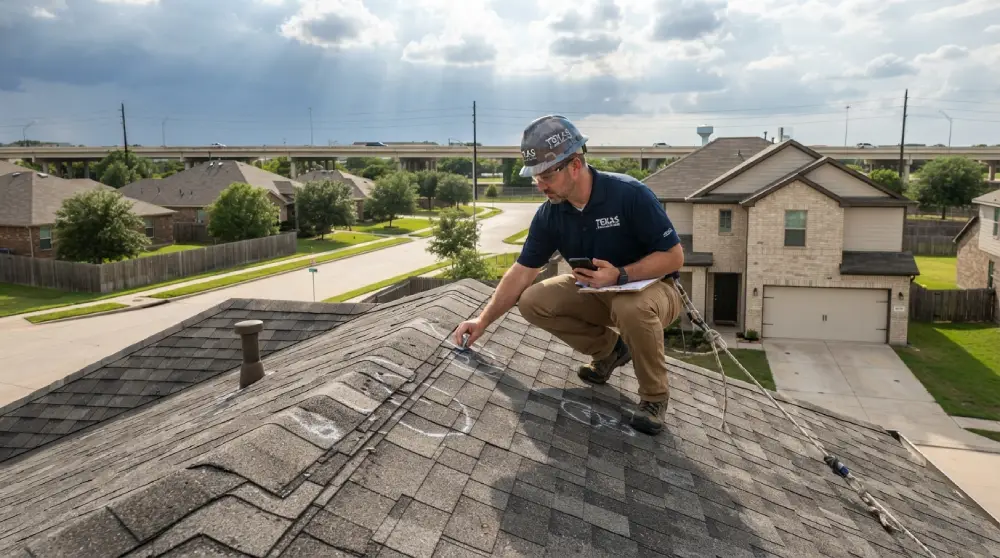
A public adjuster represents the policyholder during a property insurance claim. The adjuster may inspect the loss, document damage, review the policy and carrier estimate, prepare a repair scope, communicate with the insurer, and negotiate disputed claim items.
The main difference between a public adjuster and an independent adjuster is who each professional represents. A public adjuster represents the policyholder, while an independent adjuster is generally retained by an insurance company.
When should I hire a public adjuster for an Iowa Colony claim?
Property owners commonly seek help when a loss is large, the repair scope is complicated, the carrier’s payment is too low, or the claim has been partially denied. You may also hire a public adjuster before the initial inspection if you want help documenting the loss from the beginning.
It is usually better to request a review before discarding damaged materials, completing permanent repairs, or approaching a policy deadline.
Can TX Public Adjusting help after my claim has already been paid?
Possibly. A prior payment does not always mean every covered portion of the claim has been resolved. We can review the policy, estimate, payment letter, photographs, contractor documents, and remaining damage to determine whether there are supportable items that may not have been included.
The available options depend on the policy, claim status, deadlines, releases, and facts of the loss.
Can a public adjuster help with hurricane or tropical-storm damage in Iowa Colony?
Yes. Tropical claims may involve wind damage, roof openings, wind-driven rain, fallen trees, exterior damage, interior water intrusion, and temporary living or operating expenses.
Because floodwater and wind-driven rain may be treated differently under a policy, documenting the source and sequence of damage is especially important.
Does homeowners insurance cover flooding in Iowa Colony?
Standard homeowners insurance generally treats rising surface water differently from water entering through a covered storm-created opening. Separate flood insurance may apply to certain rising-water losses.
Coverage depends on the policy and the precise cause of damage. Property owners should avoid assuming that all water damage is either covered or excluded without reviewing the facts and policy language.
What if the insurer says my roof damage is only wear and tear?
Age and wear may affect coverage, but they do not automatically rule out storm damage. A roof can have normal aging and still sustain new damage from wind or hail.
We review the roof condition, storm evidence, collateral damage, photographs, repair history, and carrier findings to determine whether the decision deserves further examination.
How much does a public adjuster cost in Texas?
Public adjusters are generally compensated through a contractually agreed fee tied to the claim recovery, subject to Texas law and the terms of the agreement.
TX Public Adjusting charges no upfront fees. The fee structure is explained before you sign a representation agreement.
How long does an Iowa Colony property claim take?
Claim timelines vary. A smaller, well-documented loss may move faster than a hurricane, fire, large water loss, or commercial claim involving engineers and multiple inspections. The initial response period is only one part of the timeline. This guide explains how long an insurance adjuster has to contact you and what may affect communication after a claim is reported.
Carrier response time, documentation, coverage questions, repair estimates, supplemental requests, and disagreement over causation can all affect the timeline.
Can you help with commercial property claims near Highway 288?
Yes. We assist owners of commercial buildings, retail spaces, offices, warehouses, churches, apartment properties, restaurants, storage facilities, and other insured properties.
Commercial claims may involve roofing, equipment, tenant improvements, inventory, code upgrades, and business-income issues that require detailed documentation.
What should I do immediately after property damage?
Protect people first. Then take reasonable steps to prevent additional damage, photograph the property, save receipts, preserve damaged materials when practical, and report the loss according to your policy.
Avoid agreeing to a final scope or signing broad repair authorizations before you understand the damage and available coverage. For a large or disputed loss, request a professional claim review early.
Get a Free Iowa Colony Claim Review
A low insurance estimate can leave you responsible for major repair costs. A denied claim can make the situation even more stressful. You do not have to evaluate the carrier’s estimate alone.
TX Public Adjusting helps Iowa Colony homeowners and business owners document property damage, identify omitted claim items, review underpaid settlements, and communicate with insurance carriers.
TX Public Adjusting
Rise Public Adjusting LLC
Texas License #3356839
Request Your Free Claim Review
- No upfront fees
- Residential and commercial claims
- Roof, hail, water, fire, wind, hurricane, and storm losses
- Independent representation for policyholders
- Service throughout Iowa Colony and Brazoria County
Contact TX Public Adjusting to discuss your claim.