

Property damage in Big Spring can develop quickly when a West Texas thunderstorm brings large hail, powerful straight-line winds, blowing debris, and sudden heavy rain. Even when the visible damage appears limited to a few shingles or a ceiling stain, the full insurance loss may include damaged roofing components, exterior finishes, insulation, interior materials, equipment, and code-related repairs.
TX Public Adjusting provides insurance claim assistance to homeowners, commercial property owners, landlords, and business operators throughout Big Spring and Howard County. As a licensed Texas public adjuster, we represent the policyholder—not the insurance company—during the property claim process.
Our firm, Rise Public Adjusting LLC, operates as TX Public Adjusting under Texas License #3356839. We review policies, inspect damaged property, prepare detailed documentation, identify omitted damage, and negotiate covered claims with the carrier.
Concerned that your Big Spring insurance claim was underpaid, delayed, or incorrectly scoped? Contact TX Public Adjusting for a free claim review. There are no upfront fees.
Why Property Owners Hire a Public Adjuster in Big Spring
An insurance carrier assigns an adjuster to investigate a claim on behalf of the insurance company. A public adjuster serves a different role. We work for the policyholder and build the claim from the property owner’s perspective.
That distinction can matter after a severe storm moves through Big Spring.
A carrier inspection may be brief. Damage can be spread across multiple roof slopes, exterior elevations, detached structures, mechanical equipment, and interior rooms. Some problems are easy to overlook from the ground. Others require a closer review of roof surfaces, flashing, vents, gutters, windows, siding, fencing, insulation, ceilings, and building systems.
Big Spring is the county seat of Howard County and sits at the intersection of Interstate 20 and U.S. Highway 87. Its location in West Texas places local properties in an environment known for strong sun, temperature swings, severe thunderstorms, high winds, and hail. The city lies near the Caprock and Edwards Plateau transition, where open terrain can leave structures exposed to wind-driven weather.
Property owners may hire a public adjuster when:
- The carrier’s estimate appears too low.
- The insurance company omitted rooms, slopes, elevations, or damaged components.
- A roof claim was denied as wear, deterioration, or maintenance.
- The claim involves extensive residential or commercial damage.
- The policyholder does not have time to manage inspections and documentation.
- Repair bids are substantially higher than the insurer’s estimate.
- The carrier applied depreciation or deductibles incorrectly.
- New damage is discovered after demolition begins.
- A supplement needs to be prepared and supported.
- Communication with the insurance company has stalled.
Hiring a public adjuster does not guarantee that every requested item will be covered. Coverage depends on the policy, the cause of loss, exclusions, endorsements, deductibles, and the available evidence. Our job is to investigate the loss carefully, document covered damage, and present the claim as thoroughly as possible.
Big Spring Storm Risks and Property Damage
Big Spring does not face the same hurricane exposure as Houston or Corpus Christi. Its storm profile is distinctly West Texas.
Large Hail
Hail is one of the most important property risks in and around Big Spring, and property owners often need help understanding how hail damage insurance claims should be documented and evaluated. West Texas experiences frequent severe thunderstorms, and the region’s elevation and atmospheric conditions can support damaging hail.
In May 2025, the National Weather Service documented a storm system that produced giant hail, heavy rain, and strong winds across the broader West Texas region, including a hail report near Big Spring. Historical storms have also brought roof damage, broken windows, damaged vehicles, downed power lines, and other losses in the city and surrounding parts of Howard County.
Hail damage can affect:
- Asphalt shingles
- Metal roofing
- Modified bitumen and built-up roofing
- Roof vents and flashing
- Skylights
- Gutters and downspouts
- Window screens and glazing
- Siding and exterior coatings
- HVAC fins and rooftop equipment
- Fences, sheds, carports, and detached structures
After a storm, photographs should be taken before temporary or permanent repairs begin whenever it is safe to do so. Our guide explains how to document hail damage for an insurance claim, including the types of photographs, records, and supporting evidence that may strengthen the claim file. Some hail damage is obvious. Other impacts create bruising, fractured shingle mats, loosened granules, cracked seals, or dents that shorten the service life of the affected material.
Straight-Line Wind and Tornado Activity
Open land around Big Spring can allow severe thunderstorm winds to reach residential neighborhoods, commercial corridors, agricultural properties, and industrial sites with limited obstruction.
Powerful winds may lift shingles, loosen membrane roofing, damage perimeter flashing, bend metal panels, break windows, topple trees, and drive rain through openings. A 2016 Howard County storm brought destructive winds, hail, flooding, overturned vehicles, and roof damage to homes southwest of Big Spring.
Wind claims can become disputed when the carrier attributes the damage to installation defects, age, prior repairs, or ordinary wear. A careful inspection can help distinguish storm-created openings from unrelated conditions.
Sudden Heavy Rain and Interior Water Damage
Big Spring has a comparatively dry climate, but severe storms can release intense rainfall over a short period. Water may enter through wind-damaged roofing, displaced flashing, broken windows, roof penetrations, or drainage systems that cannot handle the volume.
Interior water damage may affect:
- Drywall and ceilings
- Insulation
- Flooring
- Cabinets
- Electrical components
- Interior paint and texture
- Personal property
- Commercial inventory
- Office equipment
- Mechanical systems
The source of the water is critical. Most property policies distinguish between rain entering through storm damage, plumbing losses, groundwater, surface flooding, and repeated seepage. These distinctions can determine whether coverage applies.
Heat, Drought, and Fire Exposure
West Texas heat and dry conditions can increase fire risk. Residential fires, electrical fires, cooking fires, equipment fires, and commercial building fires may create damage far beyond the visibly burned area.
Smoke, soot, heat, water from fire suppression, and corrosive residues can migrate into rooms and systems that did not experience direct flame contact. A complete fire claim may require structural repairs, contents documentation, cleaning protocols, temporary protection, debris removal, and business interruption analysis.
Freeze and Plumbing Losses
Although Big Spring is known for heat, winter cold fronts can still produce freezing temperatures. Frozen plumbing, failed water heaters, supply-line breaks, and damage to vacant or lightly heated buildings can result in extensive water losses.
These claims frequently involve questions about the duration of the leak, mitigation efforts, damaged materials, and whether hidden moisture remains inside walls, cabinets, or flooring systems.
Common Insurance Claims in Big Spring
Hail Damage Claims
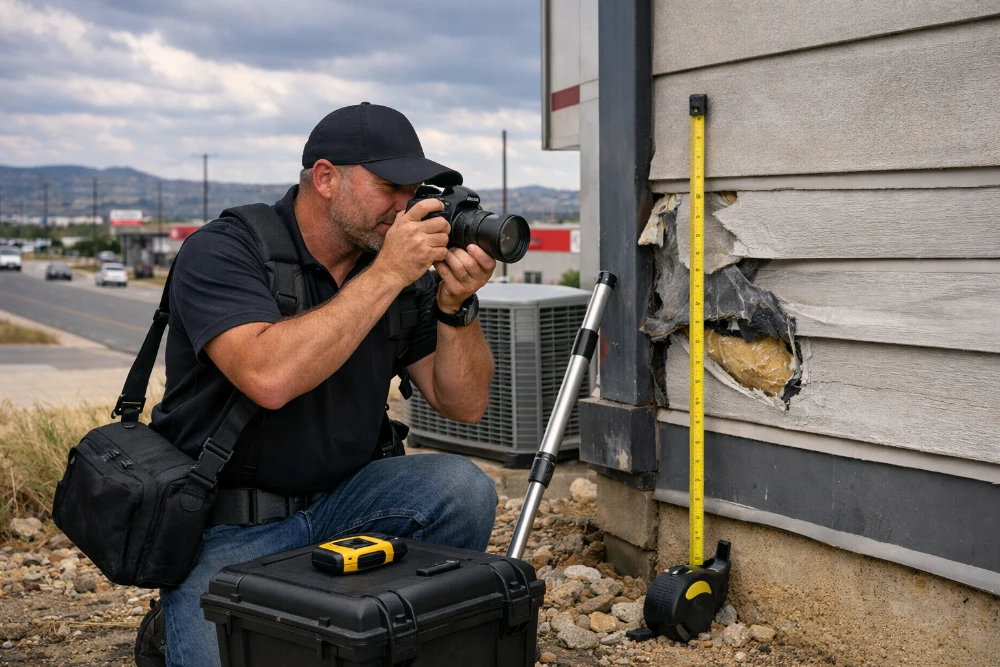
A hail claim should account for more than the roof covering. We inspect associated metals, exterior elevations, windows, screens, fencing, rooftop components, and interior areas where water may have entered. Property owners can also review our hail damage roof insurance claim guide for a closer look at the claim process and commonly disputed roofing issues.
We also review whether the carrier’s estimate includes appropriate removal, disposal, labor, access, flashing, underlayment, ventilation, and code-related work when covered by the policy.
Roof Damage Claims
Big Spring roofs endure strong sunlight, heat, wind, dust, hail, and abrupt temperature changes. After a storm, an insurer may argue that the roof was already deteriorated. A public adjuster for a roof claim can review whether the carrier’s inspection and estimate address the full storm-related scope.
TX Public Adjusting evaluates the condition of the roof, the reported date of loss, storm-created damage, repairability, matching considerations, and the carrier’s estimate. We then prepare documentation that connects the observed damage to the claimed event when the evidence supports that conclusion.
Water Damage Claims
Water losses may come from burst pipes, failed appliances, damaged supply lines, roof openings, broken windows, or HVAC systems. A water damage public adjuster can help document affected materials, hidden moisture, demolition needs, and disputed repair costs.
An insurance estimate may include only the most visibly wet materials. Hidden damage can remain under flooring, behind cabinets, inside wall cavities, or above ceilings. We review moisture documentation, demolition requirements, affected finishes, labor needs, and the extent of necessary repairs.
Fire and Smoke Damage Claims
Fire claims are often among the most complicated losses because they combine structural damage, smoke contamination, water damage, debris removal, contents loss, and temporary living or operating expenses. A fire insurance adjuster working for the policyholder can help organize these separate loss categories and compare them with the carrier’s scope.
We help organize the claim, document affected areas, review restoration estimates, and identify categories that may have been overlooked.
Wind and Storm Damage Claims
Wind can lift roof coverings without removing them completely. It can also loosen flashing, damage awnings, compromise metal panels, crack exterior finishes, and create openings for rain.
Storm claims should be evaluated as a connected loss rather than a list of isolated repairs.
Commercial Property Claims
Big Spring’s economy includes healthcare, retail, hospitality, energy-related businesses, industrial operations, restaurants, offices, multifamily properties, and businesses serving travelers along the I-20 corridor.
Commercial claims may involve:
- Flat and low-slope roofing
- Rooftop HVAC equipment
- Exterior signs and lighting
- Inventory and stock
- Tenant improvements
- Machinery and specialized equipment
- Business personal property
- Loss of income
- Extra expenses
- Code upgrades
- Multiple buildings or locations
A commercial loss can affect both the building and the operation inside it. We review the property damage while also considering the documentation needed for covered business interruption or extra-expense portions of the claim.
Property Types We Serve in Big Spring
TX Public Adjusting assists with residential and commercial claims involving:
- Single-family homes
- Rental homes
- Apartment and multifamily properties
- Retail buildings
- Restaurants
- Offices
- Warehouses
- Churches
- Hotels and motels
- Medical facilities
- Industrial properties
- Self-storage facilities
- Mixed-use buildings
- Agricultural and support structures when covered
We serve properties near Downtown Big Spring, the I-20 business corridor, South Big Spring, Kentwood, Coronado Hills, Western Hills, Wasson Road, FM 700, and surrounding Howard County communities.
Local landmarks such as Scenic Mountain and Big Spring State Park reflect the elevated, exposed terrain around the city. Comanche Trail Park and the historic downtown district are also familiar reference points within the community. The Downtown Big Spring Historic District includes the Howard County Courthouse, historic post office properties, and the Big Spring Municipal Building.
Why Insurance Claims Become Underpaid
An underpaid claim does not always begin with an explicit denial. It often begins with an incomplete inspection or an estimate that leaves out necessary work.
Missed Damage
A carrier may inspect the primary roof but overlook detached structures, exterior walls, window screens, gutters, HVAC equipment, fencing, or interior moisture.
Scope Omissions
The estimate may acknowledge damage but omit steps required to complete the repair properly. Common omissions include removal and disposal, access, masking, detach-and-reset work, flashing, underlayment, starter materials, ventilation, surface preparation, or protection of adjacent finishes.
Low Measurements or Quantities
Incorrect roof measurements, room dimensions, material quantities, waste factors, or labor assumptions can materially reduce an estimate.
Depreciation Issues
Depreciation may be applied to materials, labor, or components in ways that require closer review. Recoverable depreciation may also depend on whether repairs are completed and documentation is submitted within policy deadlines.
Damage Classified as Wear and Tear
Insurance policies generally do not cover ordinary deterioration. However, a roof can have age-related wear and also sustain new storm damage. The existence of an older condition does not automatically answer whether a covered event caused additional loss.
Documentation Problems
Claims are easier to evaluate when the file contains clear photographs, measurements, repair estimates, invoices, moisture readings, expert reports, inventories, and a documented timeline.
Missing records can make it harder to establish what happened and what repairs are reasonably necessary. Property owners should also avoid the common property insurance claim mistakes that can create delays, evidence gaps, or disagreements over the scope of loss.
Repair Costs That Exceed the Carrier Estimate
Local labor availability, access conditions, material pricing, code requirements, and the complexity of the building can make real-world repair costs higher than the initial estimate.
A contractor’s proposal alone may not resolve the dispute. The differences must often be explained line by line and supported with documentation.
Our Public Adjusting Process
1. Claim Review
We begin by discussing the loss, the current status of the claim, inspections already completed, payments issued, and concerns raised by the policyholder.
We may review:
- The insurance policy
- The carrier’s estimate
- Payment letters
- Reservation-of-rights letters
- Denial or partial-denial letters
- Photographs
- Contractor estimates
- Repair invoices
- Engineering reports
- Prior claim documents
2. Property Inspection
We inspect accessible damaged areas and document the conditions related to the claim.
Depending on the loss, the inspection may include roofing, exterior surfaces, interiors, detached structures, commercial equipment, or other covered property.
3. Damage Documentation and Estimate Review
We organize photographs, measurements, notes, estimates, inventories, and supporting records. We compare the observed conditions with the insurance company’s scope.
Our goal is to identify legitimate differences, not to inflate a claim.
4. Claim Presentation
We submit the documented claim information to the carrier and explain the basis for requested additions or corrections.
This may involve a supplemental estimate, photographs, invoices, reports, policy references, or written responses to the carrier’s questions.
5. Negotiation and Resolution
We communicate with the insurer, respond to claim inquiries, review revised estimates, and continue negotiations within the scope of our Texas public adjuster license.
The insurance company makes the coverage decision and issues payment. Our role is to advocate for a fair evaluation based on the policy and documented damage.
Already received an estimate for your Big Spring property? TX Public Adjusting can review the scope and help identify damage or repair items that may have been missed. Request a free claim review.
Why Choose TX Public Adjusting
Licensed Texas Public Adjuster
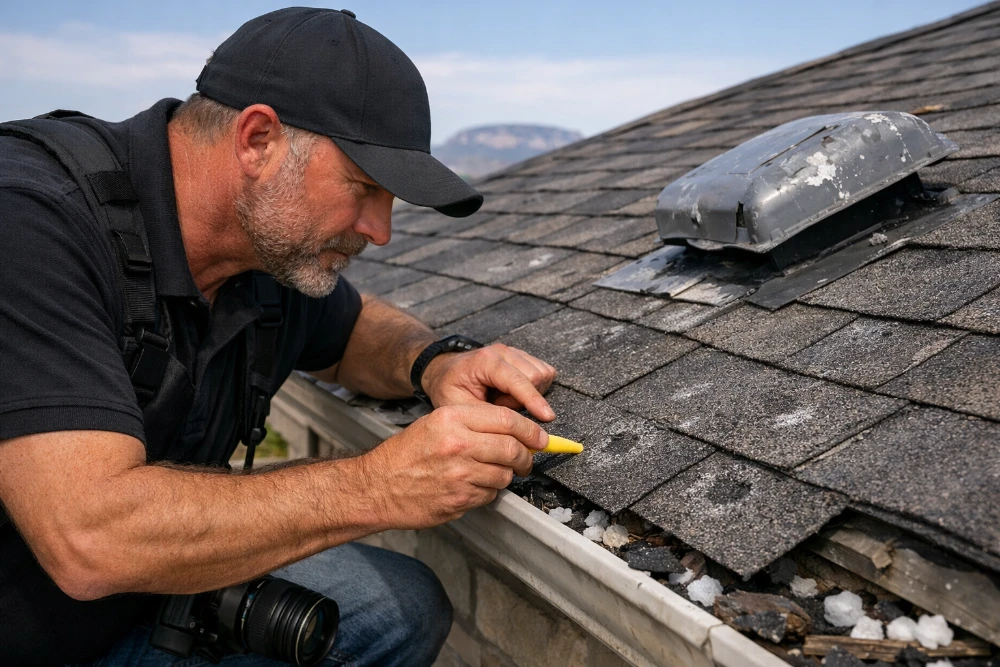
TX Public Adjusting is operated by Rise Public Adjusting LLC under Texas License #3356839.
We Represent Policyholders
We do not work for the insurance carrier. Our responsibility is to the residential or commercial policyholder who hires us.
Texas-Focused Claim Experience
Texas losses require knowledge of hail, wind, freeze, fire, water, hurricane, and commercial property claims. Our work is focused on Texas policyholders and Texas property conditions.
Residential and Commercial Experience
Our team has experience reviewing thousands of claim files involving homes, apartment properties, retail locations, offices, warehouses, churches, restaurants, and other commercial buildings.
Detailed Scope Review
We compare the insurer’s scope with the observed damage and the work reasonably required to complete covered repairs.
No Upfront Fees
A claim review is free, and there are no upfront fees to begin the evaluation. Any fee arrangement is explained in writing before representation begins and remains subject to Texas law and the signed public adjusting contract.
Areas We Serve Near Big Spring
Our service area extends throughout Big Spring and nearby Howard County communities, including:
- Coahoma
- Forsan
- Sand Springs
- Knott
- Luther
- Elbow
- Lomax
- Vealmoor
- Rural Howard County
- Properties along Interstate 20
- Properties near U.S. Highway 87
- Surrounding areas toward Stanton, Colorado City, and Snyder
We assist policyholders across neighborhoods and commercial corridors near Downtown Big Spring, Scenic Mountain, Comanche Trail Park, FM 700, Wasson Road, Birdwell Lane, Gregg Street, and the northern I-20 corridor.
Frequently Asked Questions
What does a public adjuster in Big Spring do?
A public adjuster represents the policyholder during a first-party property insurance claim. We review the policy and carrier documents, inspect the damage, prepare supporting documentation, identify scope differences, and negotiate with the insurance company.
The carrier’s adjuster works for the insurer. TX Public Adjusting works for the property owner who hires us.
When should I hire a public adjuster after a Big Spring hailstorm?
The best time to involve a public adjuster depends on the size and complexity of the loss. Some property owners contact us immediately after a major hailstorm so the claim can be documented from the beginning. Others call after receiving a low estimate, partial denial, or roof-damage denial.
Early involvement can help preserve evidence and reduce documentation gaps, but we also review claims that are already in progress.
Can you help if my Big Spring roof claim was denied?
We can review the denial, policy language, inspection documents, photographs, and available evidence. Some claims are denied because the insurer concluded the damage resulted from wear, deterioration, poor installation, or a cause excluded by the policy.
A review does not guarantee the decision will change. It can determine whether the file appears incomplete or whether additional evidence may support reconsideration. Property owners facing this situation can also review what to do if your hail claim was denied before accepting the carrier’s decision as final.
Can a public adjuster reopen an underpaid insurance claim?
Some claims may be supplemented or reopened, depending on the policy, claim status, applicable deadlines, prior payments, releases, and Texas law.
Do not assume a closed claim is permanently finished without having the documents reviewed. Delays can affect available options, so it is better to evaluate the file promptly. Our guide explains when it may be too late to hire a public adjuster and why policy deadlines should be reviewed early.
How much does a public adjuster cost in Texas?
Public adjusters typically charge a fee based on the claim recovery or additional recovery, subject to Texas regulations and the signed contract.
TX Public Adjusting provides a free initial claim review and charges no upfront fee. The fee structure is explained clearly before the policyholder signs an agreement.
Do you handle commercial insurance claims in Big Spring?
Yes. We handle commercial property claims involving roofs, interiors, equipment, inventory, tenant improvements, multiple structures, and other covered property.
We can also review documentation related to business income and extra expense when those coverages are part of the policy and affected by the loss.
What types of hail damage do insurance companies miss?
Frequently disputed or omitted items include damage to less-visible roof slopes, soft metals, vents, flashing, gutters, window screens, HVAC fins, fencing, siding, detached structures, and interior areas affected by resulting water intrusion.
The carrier may also recognize hail damage but underestimate the work required to restore the property.
What should I do immediately after storm damage?
Protect people first. Then take reasonable steps to prevent additional damage, such as emergency tarping or shutting off water when safe.
Photograph the property before cleanup, save damaged materials when practical, keep receipts, avoid permanent repairs until the damage is documented, and report the loss according to the policy requirements.
Is flooding covered by a standard property insurance policy?
Standard property policies often exclude surface water or flood damage, which may require separate flood insurance. Rain entering through a storm-created opening may be treated differently, depending on the policy language and facts.
Because the source and path of water matter, avoid assuming that every water loss is covered—or excluded—without reviewing the policy.
How long does a Big Spring property claim take?
The timeline varies based on the severity of the damage, the carrier’s investigation, access to the property, documentation, coverage questions, expert involvement, and whether the scope is disputed.
A straightforward loss may move quickly. A large commercial claim, fire loss, denied roof claim, or claim involving multiple inspections can take longer.
Get a Free Big Spring Insurance Claim Review
Property owners should not have to guess whether an insurance estimate includes the full scope of covered damage.
TX Public Adjusting helps Big Spring homeowners and commercial property owners evaluate hail, wind, roof, water, fire, and storm claims. We document the loss, review the insurance company’s estimate, and represent the policyholder throughout the claim process.
TX Public Adjusting is operated by Rise Public Adjusting LLC, Texas License #3356839.
Contact TX Public Adjusting for a free claim review. There are no upfront fees.