

Filing an insurance claim often comes with a strange mix of relief and uncertainty. You’ve reported the damage. The paperwork is submitted. Now comes the question nearly every policyholder asks: how long does an insurance adjuster have to contact you?
The answer matters more than most people realize. Your claim can’t move forward until an adjuster reviews the situation, schedules an inspection, and begins evaluating the loss. If that first call takes too long, everything else slows down—repairs, payments, and recovery.
I’ve seen this frustration firsthand. Homeowners expect immediate communication. Insurance companies, on the other hand, operate within specific timelines and procedures. Somewhere in between sits the policyholder, waiting for answers.
Let’s break down exactly how long an insurance adjuster has to contact you, what the law says (especially in Texas), and what you should do if that call never comes.
Understanding the Role of an Insurance Adjuster
Before talking about timelines, it helps to understand what an adjuster actually does.
An insurance adjuster investigates claims on behalf of an insurance company or a policyholder. Their job is to determine the cause of damage and estimate the financial value of the loss.
This process usually involves several steps:
- Reviewing the insurance policy
- Contacting the policyholder
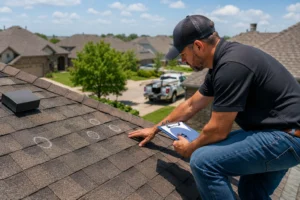
- Inspecting the property
- Gathering documentation
- Estimating repair costs
- Recommending a settlement
Adjusters are essentially the middle layer between the insurance company and the claim itself. Nothing moves forward without them.
Types of Insurance Adjusters
Not all adjusters work the same way. In fact, there are three main types you might encounter.
| Type of Adjuster | Who They Work For | Main Role |
| Staff Adjuster | Insurance company | Handles claims directly for the insurer |
| Independent Adjuster | Insurance company contractor | Works on claims during high demand |
| Public Adjuster | Policyholder | Represents the homeowner or property owner |
This distinction matters. If you’re wondering how long does an insurance adjuster have to contact you, the answer may depend on which type of adjuster is assigned to your claim.
How Long Does an Insurance Adjuster Have to Contact You?

Let’s get straight to the core question.
How long does an insurance adjuster have to contact you?
In most situations, insurance companies try to contact policyholders within 24 to 72 hours after a claim is filed. That is the general industry expectation.
However, the actual legal requirement depends on state law.
For policyholders in Texas, the timeline is governed by the Texas Prompt Payment of Claims Act, which requires insurers to acknowledge a claim within 15 days.
That acknowledgment may come in the form of:
- A phone call
- An email
- A written notice
- An adjuster scheduling an inspection
So technically, the answer to how long does an insurance adjuster have to contact you in Texas is often within 15 days of filing the claim.
Most insurers respond much sooner. But the law gives them that window.
Typical Claim Timeline
To better understand where adjuster contact fits into the process, here’s a simplified timeline.
| Claim Stage | Typical Timeframe |
| Claim filed | Day 0 |
| Claim acknowledgment | Within a few days |
| Adjuster assignment | Usually within 1–5 days |
| Adjuster contact | Typically within 24–72 hours |
| Inspection scheduled | Within several days |
This means the first phone call usually happens quickly. But not always.
Texas Insurance Law and Claim Deadlines
Texas is actually one of the more structured states when it comes to claim timelines.
Under the Texas Prompt Payment of Claims Act, insurance companies must follow specific steps after a claim is submitted.
Key Deadlines for Insurers
Here are the main rules.
| Requirement | Deadline |
| Acknowledge claim | Within 15 days |
| Request documents if needed | Within 15 days |
| Accept or reject claim | Within 15 days after receiving documentation |
| Pay approved claim | Within 5 days |
This means the first step—contacting you—should occur early in the process.
If you’re asking how long does an insurance adjuster have to contact you, these legal deadlines give you a clear framework.
Insurers must begin investigating the claim within that acknowledgment period. And that investigation usually involves an adjuster reaching out.
What Happens After the Adjuster Contacts You
Once the adjuster finally calls, things start moving.
This initial contact usually includes several key steps.
1. Scheduling the Property Inspection
The adjuster will set up a time to inspect the damage. Depending on the type of claim, this inspection might involve:
- Roof inspections
- Structural damage assessment
- Interior damage review
- Documentation of affected property
This visit is critical. It forms the foundation of the claim evaluation.
2. Damage Documentation
Adjusters collect information during the inspection.
They may:
- Photograph damage
- Measure affected areas
- Review repair estimates
- Ask questions about the incident
The more accurate this documentation is, the smoother the claim process becomes.
3. Estimate Preparation
After the inspection, the adjuster prepares an estimate of repair costs.
This estimate determines how much the insurance company may offer for the claim.
Why Adjusters Sometimes Take Longer to Contact You
Even though insurers aim for quick communication, delays happen.
When policyholders ask how long does an insurance adjuster have to contact you, they’re often asking because the wait feels longer than expected.
Several factors can slow things down.
Major Weather Events
Storms create massive claim surges.
Examples include:
- Hurricanes
- Hailstorms
- Tornado outbreaks
- Winter freezes
During these events, thousands of claims may be filed within days. Adjusters get overwhelmed.
Claim Backlogs
Insurance companies may assign adjusters based on workload.
If the claim volume is high, adjusters may be juggling dozens—or even hundreds—of claims simultaneously.
Administrative Errors
Sometimes delays are surprisingly simple.
Common issues include:
- Incorrect contact information
- Missing claim details
- Misrouted claims
When that happens, the adjuster may not reach out as quickly as expected.
What You Should Do While Waiting for the Adjuster
Waiting doesn’t mean sitting still.
In fact, the actions you take immediately after filing a claim can significantly impact the outcome.
Document Everything
Take photos and videos of all damage.
Capture:
- Structural damage
- Roof damage
- Water intrusion
- Damaged personal property
The more evidence you collect early, the stronger your claim becomes.
Prevent Further Damage
Insurance policies usually require policyholders to mitigate damage.
That means you should take reasonable steps to prevent the situation from getting worse.
Examples include:
- Covering roof damage with tarps
- Turning off water sources
- Boarding broken windows
Keep receipts for any temporary repairs.
Track All Communication
Keep a record of every conversation.
Include:
- Date and time of calls
- Names of representatives
- Summary of discussions
If you later need to prove delays, this documentation becomes valuable.
When You Should Follow Up With the Insurance Company
Sometimes waiting is reasonable.
Other times, it isn’t.
If you’re still wondering how long does an insurance adjuster have to contact you, and several days have passed without communication, it may be time to follow up.
Signs You Should Call the Insurer
Consider contacting the insurance company if:
- You haven’t heard anything within 3–5 days
- The claim hasn’t been acknowledged
- No inspection has been scheduled
A simple call to the claims department can often resolve the issue quickly.
Questions to Ask
When you call, ask directly:
- Has an adjuster been assigned to my claim?
- When should I expect contact?
- Is additional documentation needed?
This keeps the process moving forward.
When Delays Become a Warning Sign
Short delays are normal.
Long unexplained delays are not.
If weeks pass without progress, it may signal a deeper problem.
Possible issues include:
- Claim mishandling
- Internal insurance delays
- Administrative errors
- Bad faith claim practices
Policyholders have rights. Insurance companies must comply with state laws governing claim timelines.
If those laws are violated, complaints can be filed with regulators.
How a Public Adjuster Can Help Move the Claim Forward

Sometimes the claim process becomes frustrating.
Calls go unanswered. Estimates feel low. Timelines stretch.
This is where a public adjuster can make a difference.
Unlike insurance company adjusters, public adjusters represent the policyholder.
Their responsibilities often include:
- Documenting damage thoroughly
- Preparing independent repair estimates
- Negotiating with insurance companies
- Managing communication during the claim
When policyholders ask how long does an insurance adjuster have to contact you, the truth is that having professional representation often speeds up the process.
Why?
Because insurance companies respond faster when experienced claim professionals are involved.
Common Misunderstandings About Adjuster Contact
There are several misconceptions about claim timelines.
Let’s clear up a few of them.
“The Adjuster Must Contact Me Immediately”
Not necessarily.
While most insurers respond within a couple of days, laws typically allow longer acknowledgment windows.
“The Adjuster Works for Me”
Insurance company adjusters represent the insurer.
Their job is to evaluate the claim for the company.
“Nothing Can Be Done If They Delay”
That’s not true.
Policyholders can:
- Follow up with insurers
- File complaints with regulators
- Hire public adjusters
- Seek legal guidance
Understanding how long does an insurance adjuster have to contact you helps you recognize when something isn’t right.
Tips to Keep Your Claim Moving Quickly
The claim process works best when both sides stay organized.
Here are practical steps that help prevent delays.
Claim Process Best Practices
- File your claim immediately after damage occurs
- Provide clear documentation and photos
- Respond quickly to insurer requests
- Be available for inspection appointments
- Keep detailed communication records
Small actions early in the process can prevent major problems later.
Final Thoughts
After filing a claim, waiting for that first call can feel stressful.
But knowing the rules helps.
So let’s answer the core question again: how long does an insurance adjuster have to contact you?
In most cases, adjusters reach out within 24 to 72 hours. However, under Texas law, insurance companies generally have up to 15 days to acknowledge a claim and begin investigating it.
That timeline includes assigning an adjuster and initiating contact.
If communication stalls beyond that point, it’s time to follow up. Ask questions. Document everything. Stay proactive.
And if the process becomes complicated or delayed, professional assistance from a public adjuster can help ensure your claim receives the attention it deserves.
Because when property damage happens, waiting endlessly for answers should never be part of the recovery process.
FAQs
In many cases, an insurance adjuster contacts you within 24 to 72 hours. However, in Texas insurers generally have up to 15 days to acknowledge a claim and begin investigating it.
If several days pass without contact, call your insurance company’s claims department and ask if an adjuster has been assigned to your claim.
Yes. Under the Texas Prompt Payment of Claims Act, insurance companies must acknowledge a claim within 15 days and begin investigating it.
Yes, and it’s highly recommended. Take photos, videos, and notes about the damage immediately after it occurs.
The adjuster typically introduces themselves, reviews the details of the claim, and schedules a property inspection.
Yes. Major storms, hurricanes, or widespread disasters can create thousands of claims, which may slow adjuster response times.
You should follow up with your insurance company and document the delay. If the issue continues, you may consider filing a complaint or seeking professional assistance.
Yes. A public adjuster works on behalf of the policyholder and can help manage the claim and negotiate with the insurance company.
The adjuster evaluates the damage and prepares an estimate, which the insurance company uses to determine the settlement amount.
Not necessarily. Even if the adjuster contacts you quickly, the investigation, estimate review, and claim approval process can still take time.