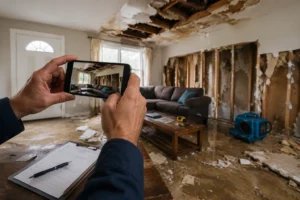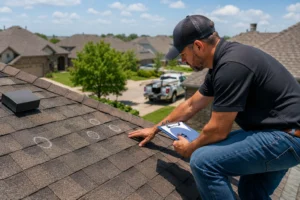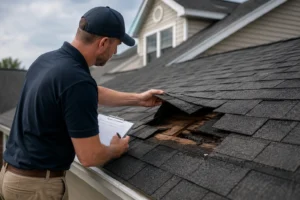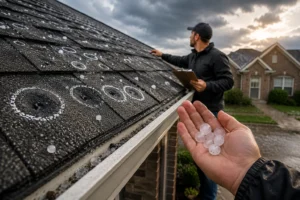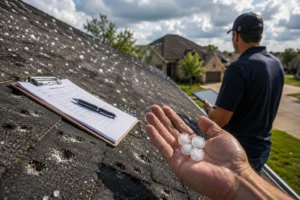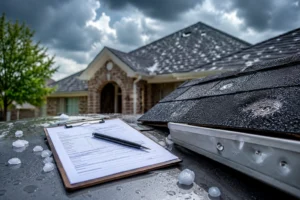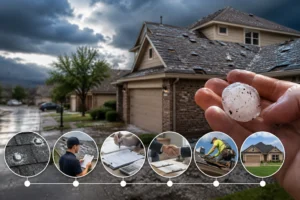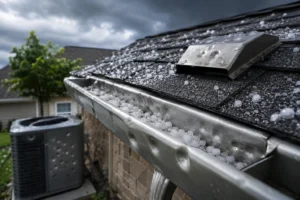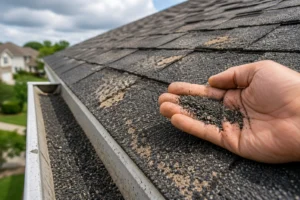

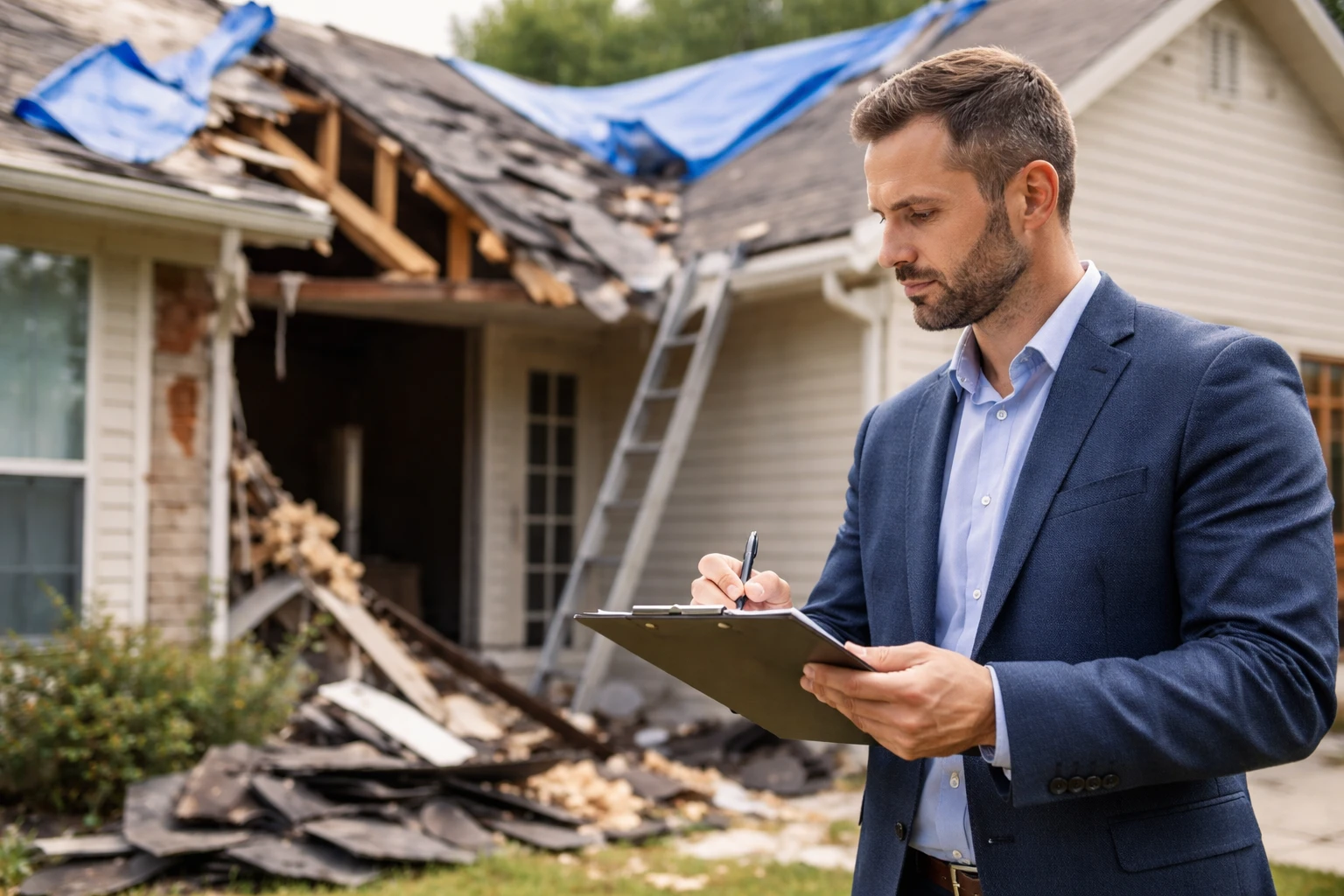
Property damage rarely arrives quietly. A storm tears through the roof. A burst pipe floods the kitchen. Fire leaves behind smoke, debris, and a hundred questions about what comes next.
In moments like these, many property owners suddenly begin searching for answers—especially the important question: why hire public adjusters when dealing with an insurance claim?
The answer is simple. Insurance claims are not just about reporting damage. They are about documentation, negotiation, and ensuring the compensation truly reflects the loss. That process can quickly become overwhelming for homeowners and business owners who are already dealing with disruption in their daily lives.
This is where public adjusters step in.
They work on behalf of the policyholder, not the insurance company. Their role is to analyze damage, interpret policy coverage, prepare the claim properly, and negotiate with insurers to reach a fair settlement. In many cases, hiring professional representation changes the outcome of a claim dramatically.
Let’s explore exactly why hire public adjusters, when they make the most sense, and how they help protect your financial recovery after property damage.
What Is a Public Adjuster?
A public adjuster is a licensed professional who represents policyholders during insurance claims. Unlike other adjusters involved in the process, they work directly for the property owner.
Their responsibility is simple: advocate for the insured party.
Insurance companies send their own adjusters to inspect damage and estimate losses. These adjusters work for the insurer. Their job is to evaluate claims on behalf of the company.
Public adjusters operate differently.
They analyze damage independently, review the policy language, prepare the claim, and negotiate the settlement from the policyholder’s perspective.
Types of Insurance Adjusters
Understanding the different types of adjusters makes it easier to see why hire public adjusters when a claim becomes complex.
| Type of Adjuster | Who They Work For | Primary Role |
| Company Adjuster | Insurance Company | Evaluates claims for the insurer |
| Independent Adjuster | Insurance Company (contracted) | Handles claims on behalf of insurers |
| Public Adjuster | Policyholder | Represents the property owner |
Only one of these professionals is legally required to prioritize the interests of the property owner: the public adjuster.
Why Hire Public Adjusters After Property Damage

Insurance claims involve far more than reporting that damage occurred. A successful claim requires evidence, estimates, documentation, and negotiation.
Many homeowners quickly realize the process is more complex than expected.
Insurance Policies Are Complicated
Insurance policies contain detailed language that determines what is covered, what is excluded, and how losses are calculated.
Understanding terms such as:
- replacement cost
- actual cash value
- depreciation
- policy endorsements
- coverage limits
requires careful reading and interpretation.
Public adjusters review the policy line by line to determine which damages qualify under the coverage.
This policy analysis is one of the biggest reasons people ask why hire public adjusters when facing significant property damage.
Accurate Damage Assessment
Not all damage is visible.
For example, storm damage may involve:
- roof structure problems
- water intrusion behind walls
- insulation saturation
- electrical hazards
- mold growth
A public adjuster performs a detailed inspection to ensure every affected component is included in the claim.
Missing even one category of damage can reduce the final settlement significantly.
Professional Claim Documentation
Insurance claims rely on documentation. Without proper records, compensation may be limited.
Public adjusters prepare organized claim packages that typically include:
- detailed repair estimates
- photo documentation
- contractor reports
- inventory lists
- structural damage assessments
This level of preparation makes it easier for insurers to review the claim and reduces the chance of overlooked losses.
Negotiating With Insurance Companies
Insurance companies negotiate claims every day. It is their core business.
Most policyholders only deal with insurance claims once or twice in their lifetime.
Public adjusters bring professional negotiation experience into the process. They understand how insurers evaluate claims and how to present evidence effectively.
For many property owners, this negotiation expertise explains why hire public adjusters rather than handling the process alone.
Situations Where Hiring a Public Adjuster Makes Sense
Not every claim requires professional representation. Minor claims can sometimes be resolved quickly without additional help.
However, certain situations strongly justify bringing in a public adjuster.
Major Property Damage
Large-scale damage increases the complexity of the claim.
Common scenarios include:
- fire damage
- hurricane damage
- tornado damage
- severe water damage
- structural collapse
These events often affect multiple areas of a property and require extensive documentation.
Large or Complex Claims
Commercial properties and multi-unit buildings often involve complicated claim structures.
Examples include:
- apartment buildings
- office complexes
- warehouses
- retail spaces
These claims may include structural damage, equipment loss, tenant impact, and business interruption.
Handling such claims without professional support can be difficult.
Claim Delays or Disputes
Sometimes the issue is not the damage itself but the claim process.
Situations where hiring a public adjuster helps include:
- claim underpayment
- delayed responses from insurers
- disputed damage assessments
- denied claims that may be reopened
When disagreements arise, public adjusters provide independent evaluations that strengthen the policyholder’s position.
Limited Time to Manage the Claim
Insurance claims require significant attention.
Property owners often must:
- meet adjusters
- gather documents
- review repair estimates
- communicate with insurers
- track deadlines
For someone balancing work, family, and property repairs, managing the claim alone becomes exhausting.
This time commitment is another practical reason why hire public adjusters during stressful situations.
The Benefits of Hiring a Public Adjuster

Professional representation offers several advantages throughout the claim process.
Higher Settlement Accuracy
Public adjusters focus on identifying every covered damage component.
They evaluate:
- structural repairs
- building systems
- interior damage
- personal property loss
- additional living expenses
This comprehensive approach often leads to more accurate claim valuations.
Reduced Stress During Recovery
Property damage disrupts daily life. Managing the insurance process adds another layer of pressure.
Public adjusters handle much of the communication and documentation required during the claim.
This allows property owners to focus on repairs and recovery.
Faster Claim Organization
Insurance companies rely on documentation to process claims.
When a claim is properly organized from the beginning, reviews tend to move more efficiently.
Public adjusters prepare detailed claim packages that streamline this process.
Expert Policy Knowledge
Insurance policies contain detailed conditions that affect claim payouts.
Public adjusters understand how these clauses apply to specific situations. They identify coverage areas that policyholders may overlook.
This expertise is another important answer to the question why hire public adjusters when facing complicated claims.
How Public Adjusters Handle the Claims Process
Public adjusters follow a structured process to prepare and negotiate insurance claims.
Step 1: Property Inspection
The process begins with a detailed property inspection.
The adjuster examines:
- exterior structures
- roofing systems
- interior spaces
- utilities
- visible and hidden damage
This inspection establishes the foundation of the claim.
Step 2: Policy Review
Next, the adjuster reviews the insurance policy carefully.
They identify:
- coverage limits
- exclusions
- endorsements
- deductible amounts
This ensures the claim aligns with the policy’s terms.
Step 3: Claim Preparation
Once coverage is understood, the adjuster prepares the claim documentation.
This includes:
- repair estimates
- material costs
- labor calculations
- damage reports
- photo evidence
Proper preparation strengthens the claim during negotiation.
Step 4: Negotiation With the Insurer
After submitting the claim, the public adjuster communicates with the insurance company.
This stage may involve:
- responding to insurer questions
- reviewing company estimates
- negotiating settlement amounts
The goal is to reach a fair resolution based on the documented losses.
Step 5: Settlement Review
Once the insurer presents a settlement offer, the public adjuster reviews the details with the policyholder.
They verify that the offer reflects the documented damages before the claim is finalized.
Common Misconceptions About Public Adjusters
Despite their value, several misconceptions surround the profession.
Myth: Public Adjusters Are Only for Massive Claims
Even moderate claims can benefit from professional review.
Hidden damages and overlooked coverage can affect claims of many sizes.
Myth: Hiring One Slows the Claim
In many cases, the opposite happens.
Well-prepared claims reduce back-and-forth communication and help insurers review documentation faster.
Myth: Insurance Companies Will Reject Claims With Public Adjusters
Insurance companies routinely work with public adjusters.
Clear documentation and professional communication often improve claim clarity.
How to Choose the Right Public Adjuster
Not all adjusters offer the same level of experience or service.
Before hiring one, property owners should evaluate several factors.
Licensing
Public adjusters must hold valid state licenses.
Verify credentials through the state insurance department before signing a contract.
Relevant Experience
Different claims require different expertise.
Look for adjusters who have handled:
- fire damage claims
- storm damage claims
- commercial property claims
- large residential losses
Fee Structure
Public adjusters typically work on a contingency basis. This means their fee is a percentage of the claim settlement.
Understanding this structure helps avoid surprises later.
Professional Reputation
Ask for references and reviews from previous clients.
Strong reputations often reflect consistent results.
Key Questions to Ask Before Hiring a Public Adjuster
Property owners should ask direct questions before making a decision.
Examples include:
- How many years of experience do you have?
- What types of claims do you specialize in?
- What percentage fee do you charge?
- How often will you update me during the claim process?
- Can you provide references from past clients?
Clear answers help establish trust before the claim begins.
When You Might Not Need a Public Adjuster
While there are many reasons why hire public adjusters, there are also situations where handling the claim alone may work.
Examples include:
- minor claims with obvious damage
- small repairs below policy deductibles
- claims where the insurer quickly accepts full responsibility
However, even in these cases, some property owners still request consultations to ensure the claim is handled correctly.
Acting Quickly After Property Damage
Time plays an important role in insurance claims.
Property owners should act quickly after damage occurs.
Key steps include:
- documenting damage immediately
- protecting the property from further loss
- notifying the insurance company
- keeping repair receipts
- saving communication records
Early documentation strengthens the claim and reduces disputes later.
According to the Federal Emergency Management Agency, property owners should carefully document losses after disasters to support insurance claims and recovery assistance.
These resources highlight the importance of accurate documentation and professional claim evaluation
Final Thoughts: Why Hire Public Adjusters
Insurance claims are rarely simple. Damage assessments, policy interpretation, documentation, and negotiation all shape the final outcome.
When a property owner faces a complex claim, the question naturally arises: why hire public adjusters?
The answer comes down to representation.
Public adjusters advocate for the policyholder. They analyze damage thoroughly, prepare claims carefully, and negotiate with insurers professionally. Their involvement often leads to clearer claims, stronger documentation, and more accurate settlements.
For homeowners and businesses recovering from property damage, professional representation can make a meaningful difference.
Sometimes the most important step after a loss is ensuring the claim truly reflects the damage.
And that is exactly why many property owners ultimately decide why hire public adjusters when navigating the insurance claims process.
FAQs
A public adjuster evaluates property damage, prepares insurance claim documentation, and negotiates with the insurance company on behalf of the policyholder.
Public adjusters understand insurance policies and claim procedures, helping ensure damages are properly documented and fairly compensated.
You should consider hiring a public adjuster after significant property damage, when a claim becomes complex, or if you believe your insurer’s offer is too low.
Most public adjusters work on a contingency fee basis, meaning they receive a percentage of the final insurance settlement.
Yes, in some cases a public adjuster can review the claim documentation and help reopen or renegotiate a denied or underpaid claim.
Yes, public adjusters must be licensed by the state in which they operate and must follow state insurance regulations.
No, public adjusters work exclusively for the policyholder, representing the property owner’s interests during the claim process.
Not usually; well-prepared claims with proper documentation can actually move through the insurance review process more efficiently.
Public adjusters commonly assist with fire, storm, water, hurricane, and other property damage claims for both residential and commercial properties.
For many property owners dealing with complex or large losses, hiring a public adjuster can improve claim accuracy and reduce the stress of negotiating with insurers.