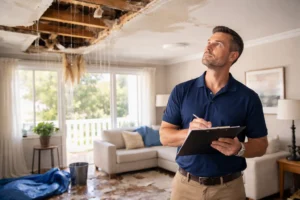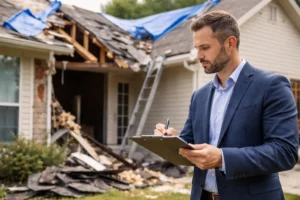


Property damage changes everything in a moment. A storm rolls through. A pipe bursts. Fire spreads faster than anyone expects. Suddenly you’re staring at repairs, paperwork, and an insurance claim that feels like a second job. And somewhere in that chaos, one question pops up again and again: are public adjusters good or bad?
It’s a fair question. In fact, I hear it all the time. Some homeowners swear a public adjuster helped them secure a better settlement. Others say they handled the claim alone just fine. The reality sits somewhere in the middle. Public adjusters can be incredibly helpful in the right situation—but they are not always necessary.
So let’s break it down clearly. No hype. No scare tactics. Just practical information Texas property owners can use when deciding whether to bring in a professional.
This guide will walk through what public adjusters actually do, when they can help, when they might not be needed, and how to spot a reputable professional if you decide to hire one.
What Is a Public Adjuster?
A public adjuster is a licensed professional who represents the policyholder during an insurance claim. That distinction matters.
When damage occurs, an insurance company typically sends someone to inspect the property and estimate the cost of repairs. Many people assume that adjuster works for them. In reality, they work for the insurer.
Public adjusters exist to represent the other side of the table—the property owner.
Three Types of Insurance Adjusters
Understanding the difference helps answer the question are public adjusters good or bad.
| Adjuster Type | Who They Work For | Primary Goal |
| Insurance Company Adjuster | The insurance company | Evaluate claim cost for the insurer |
| Independent Adjuster | Hired by insurance companies | Assess claims on behalf of insurers |
| Public Adjuster | The policyholder | Advocate for the property owner |
Public adjusters step in to manage the claim process from the homeowner’s perspective. Their job is to ensure damages are documented properly and that the policyholder receives compensation according to the insurance policy.
Typical Responsibilities of a Public Adjuster
A good public adjuster often handles tasks like:
- Inspecting and documenting property damage
- Reviewing insurance policy language
- Preparing detailed repair estimates
- Gathering photos and evidence of loss
- Communicating directly with insurance adjusters
- Negotiating settlement offers
In other words, they take a complicated process and make it manageable.
Why Homeowners Ask: Are Public Adjusters Good or Bad?

The insurance claim process can feel overwhelming. One moment you’re dealing with repairs. The next you’re sorting through policy language that reads like legal code.
Naturally, people start searching for help. That’s when they encounter public adjusters—and the opinions about them.
Some homeowners report significantly higher claim settlements after hiring one. Others say they handled the claim themselves and saved the fee. This mixed feedback leads people to ask: are public adjusters good or bad?
Several factors fuel the debate.
Insurance Claims Are Stressful
Property damage often follows disasters—fires, hurricanes, floods, or severe storms. Emotions run high. Decisions are made quickly.
That environment can create confusion about who represents whom.
Conflicting Information Online
Search results about public adjusters can be wildly different. Some articles praise them. Others warn homeowners away. The truth usually depends on the size and complexity of the claim.
Misunderstanding the Role
Many people mistakenly believe public adjusters replace insurance adjusters. That isn’t the case. Both may work on the same claim, but they represent different sides.
Public adjusters advocate for policyholders. Insurance adjusters represent the insurer.
The Benefits of Hiring a Public Adjuster
When used appropriately, a public adjuster can provide real value. Let’s explore why some homeowners feel strongly that they are beneficial.
They Work for You
This is the biggest advantage. Public adjusters represent the policyholder, not the insurance company.
Their goal is simple: ensure the claim reflects the full extent of the damage covered by the policy.
They Understand Insurance Policies
Insurance policies are dense documents. Coverage terms, exclusions, depreciation, and limits can make interpretation tricky.
A public adjuster reviews the policy carefully and identifies what should be included in the claim.
They Help Document Damage Thoroughly
Insurance claims rely heavily on documentation. Missing or incomplete details can lead to lower settlements.
Public adjusters often create detailed inventories and estimates that include:
- Structural damage
- Personal property losses
- Hidden water damage
- Code upgrade requirements
More complete documentation often leads to clearer claim evaluations.
They Reduce Stress
Let’s be honest—handling a claim is exhausting.
There are inspections. Emails. Estimates. Calls from contractors. Follow-up questions from insurance representatives.
A public adjuster manages much of that workload so homeowners can focus on restoring their property.
They Save Time
Large claims can take months to resolve. Having someone handle communication and paperwork speeds things up and keeps the claim organized.
Situations Where a Public Adjuster Can Be Extremely Helpful
Public adjusters are not always necessary. However, certain situations make them particularly valuable.
Large Property Damage Claims
Major losses often involve complex estimates and multiple contractors.
Examples include:
- Fire damage
- Hurricane damage
- Severe roof damage
- Major water damage
Large claims can involve hundreds of thousands of dollars. In these situations, professional representation can make a difference.
Disputed Insurance Claims
Sometimes the insurance company and homeowner disagree on the scope of damage.
Common issues include:
- Underestimated repair costs
- Disputed structural damage
- Coverage disagreements
A public adjuster can help document and present additional evidence.
Commercial Property Claims
Commercial policies often contain complicated coverage structures and business interruption provisions.
Public adjusters experienced with commercial claims can help business owners calculate losses accurately.
Busy Property Owners
Not everyone has time to manage a claim.
Property owners juggling work, family responsibilities, or multiple properties may benefit from having a professional oversee the process.
Potential Downsides of Public Adjusters
While many homeowners benefit from their services, it’s important to discuss potential drawbacks as well.
Understanding both sides helps answer the central question: are public adjusters good or bad?
Contingency Fees
Most public adjusters charge a percentage of the final settlement.
Typical fee structures may look like this:
| Claim Settlement | Example Fee (10%) |
| $50,000 | $5,000 |
| $100,000 | $10,000 |
| $250,000 | $25,000 |
For large claims, this fee can be significant.
However, supporters argue that a higher settlement may offset the cost.
Not Necessary for Small Claims
Minor claims—such as small roof repairs or minor water leaks—may be simple enough for homeowners to manage themselves.
In these cases, hiring a public adjuster may not provide additional value.
Quality Can Vary
Like any profession, skill levels vary.
Some adjusters are highly experienced. Others may be new or inexperienced. That’s why research and licensing verification matter.
Communication Issues
Occasionally, delays can occur if communication between the public adjuster and insurer becomes complicated.
That said, experienced professionals usually manage these situations effectively.
Common Myths About Public Adjusters
Misconceptions contribute heavily to the debate about whether public adjusters are good or bad.
Let’s clear up a few common myths.
Myth: Public Adjusters Are Scammers
In reality, most states—including Texas—require public adjusters to hold licenses and follow strict regulations.
Licensed professionals must meet education and compliance standards.
Myth: Insurance Companies Refuse to Work With Them
Insurance companies encounter public adjusters regularly. While negotiations may occur, they are a recognized part of the claims process.
Myth: They Guarantee Higher Settlements
No ethical professional can promise a specific claim outcome. A public adjuster can improve documentation and negotiation, but results depend on policy coverage and damages.
Myth: Only Denied Claims Need Public Adjusters
Many policyholders hire public adjusters at the beginning of the claim to help manage the entire process.
Texas Laws Regulating Public Adjusters
Texas has clear regulations governing public adjusters.
These rules exist to protect consumers and maintain industry standards.
Licensing Requirements
Public adjusters must be licensed through the Texas Department of Insurance (TDI).
Licensing ensures professionals meet training requirements and follow state regulations.
Contract Requirements
Texas law requires written contracts outlining:
- Fee structure
- Scope of services
- Cancellation rights
Homeowners should review these documents carefully before signing.
Consumer Protection Rules
State regulations prohibit deceptive practices and misleading advertising.
This helps maintain professional accountability within the industry.
How to Choose a Trustworthy Public Adjuster

If you decide to hire one, choosing the right professional is essential.
Here are practical steps homeowners can take.
Verify Licensing
Check licensing status through the Texas Department of Insurance database.
This confirms the adjuster is legally authorized to operate.
Ask About Experience
Claims vary widely. Look for professionals with experience in the specific type of damage involved.
Examples include:
- Fire claims
- Water damage claims
- Hurricane damage claims
Experience matters.
Understand the Fee Structure
Before signing a contract, confirm:
- Percentage fee
- Whether expenses are included
- Payment timing
Transparency prevents misunderstandings later.
Read Reviews and References
Past clients provide valuable insight. Look for consistent feedback about professionalism, communication, and results.
Avoid High-Pressure Sales Tactics
Reputable professionals allow homeowners time to consider their options.
If someone pushes you to sign immediately, that’s a red flag.
When You Might Not Need a Public Adjuster
There are situations where hiring one may not make sense.
For example:
Small Claims
Minor claims with clear repair estimates may not require professional representation.
Smooth Claims Process
Sometimes insurance companies handle claims efficiently and fairly.
If communication is clear and the settlement matches repair costs, additional representation may not be necessary.
Homeowners Comfortable Managing Claims
Some property owners prefer handling claims themselves, particularly if they have construction or insurance experience.
Are Public Adjusters Good or Bad? The Final Verdict
So let’s return to the original question: are public adjusters good or bad?
The honest answer is that they are neither universally good nor universally bad.
They are tools. And like any tool, their value depends on how and when they are used.
For large or complex claims, public adjusters can provide meaningful support. They bring expertise, documentation skills, and negotiation experience to a stressful situation.
For smaller claims, homeowners may be perfectly capable of handling the process on their own.
The key factor isn’t whether public adjusters are good or bad. It’s whether the specific situation benefits from professional representation.
Conclusion
Insurance claims are rarely simple. They involve policy interpretation, damage assessments, repair estimates, and negotiation.
For many property owners, that’s unfamiliar territory.
That’s why the debate around are public adjusters good or bad continues to surface. The truth is that public adjusters can be powerful advocates when used appropriately.
When claims are large, disputed, or complicated, their expertise can help homeowners navigate the process with greater confidence.
But the most important step is research. Verify credentials. Understand the fee structure. Ask questions.
When homeowners make informed decisions, they gain control over the claim process—and that makes all the difference.
FAQs
A public adjuster represents the policyholder during an insurance claim by inspecting damage, documenting losses, and negotiating with the insurance company.
The answer depends on the situation; they can be very helpful for complex or large claims but may not be necessary for smaller, straightforward ones.
They can sometimes help identify additional covered damages, which may lead to a higher settlement, but no adjuster can guarantee a specific outcome.
Most public adjusters work on a contingency fee, meaning they receive a percentage of the final insurance settlement.
No, homeowners can handle their own claims, but some choose to hire a public adjuster for professional assistance.
Yes, public adjusters must be licensed through the Texas Department of Insurance and follow state regulations.
It may be helpful to hire one for large property damage claims, disputed settlements, or complex insurance policies.
Yes, they may review the policy and damage documentation to help challenge or reopen a denied claim.
Insurance companies may negotiate with them differently, but public adjusters are a recognized part of the claims process.
Verify their license, review client feedback, and ensure they provide a clear written contract outlining their fees and services.