

Property damage in Woodbranch can become complicated fast. A severe thunderstorm can damage shingles and fencing in one part of the property while wind-driven rain enters through a roof opening somewhere else. A tropical system can bring strong winds, heavy rainfall, downed trees, and extended moisture problems. When the insurance company’s estimate does not reflect the full scope of the loss, a Public Adjuster in Woodbranch, TX can help document the damage and present the claim from the policyholder’s side.
TX Public Adjusting, operated by Rise Public Adjusting LLC, provides insurance claim assistance for residential and commercial property owners throughout Texas. We are a licensed Texas public adjusting firm, License #3356839, and our role is different from the insurance company’s adjuster: we represent the policyholder’s interests during the property claim.
Woodbranch is a small community in southeastern Montgomery County near U.S. 59/I-69, New Caney, Roman Forest, Patton Village, and Splendora. The area grew from a wooded subdivision developed in the 1960s, and the City of Woodbranch Village continues to emphasize its natural setting, including trails, parks, and access to Peach Creek.
If your Woodbranch home, rental property, or commercial building has been damaged and you are unsure whether the insurance estimate is complete, contact TX Public Adjusting for a Free Claim Review. There are no upfront fees for the initial claim review.
Why Property Owners Hire a Public Adjuster in Woodbranch
An insurance claim involves much more than reporting that a storm damaged your property. The amount ultimately considered by the carrier can depend on the documented scope of damage, measurements, repair requirements, policy provisions, depreciation, supporting photographs, contractor information, inventories, and other claim documentation.
A public adjuster works for the policyholder rather than the insurance company. Texas regulates public insurance adjusters through the Texas Department of Insurance, and TDI explains that a public adjuster may be hired to negotiate with an insurance company regarding settlement of a claim.
Woodbranch property owners commonly contact us when:
- The insurance estimate appears too low for the repairs needed.
- Roof or exterior damage was left out of the carrier’s scope.
- Interior water damage developed after a wind or storm event.
- Different adjusters or contractors disagree about the cause or extent of damage.
- The claim involves several areas of a home or commercial property.
- A claim was partially paid but important repairs remain unaddressed.
- The documentation required by the insurer has become difficult to manage.
- A business owner needs help organizing a larger commercial property loss.
- The policyholder wants an independent review before accepting the carrier’s assessment.
Our job is to investigate the property loss, document covered damage, prepare a detailed claim position, and communicate with the insurance company throughout the adjusting process.
Property Damage Risks in Woodbranch and Southeast Montgomery County
Woodbranch’s location matters when evaluating property claims.
The community sits in southeastern Montgomery County, roughly northeast of Houston and near New Caney. Peach Creek is part of the immediate local landscape, making heavy-rain and drainage issues particularly relevant to property owners in this wooded part of the county.
Heavy Rain and Flash Flooding
Southeast Texas can receive intense rainfall during thunderstorms and tropical systems. National Weather Service records document major flooding events affecting Montgomery County, and historical reports identify flooding associated with Peach Creek in the eastern portion of the county.
For property claims, water can create several different questions. Damage from rain entering through a storm-created roof opening is not necessarily treated the same way as rising surface water or creek flooding. Coverage depends on the policy, the cause of loss, endorsements, exclusions, and the facts surrounding the damage.
That distinction is one reason documentation matters.
A Woodbranch property may experience:
- Roof leaks after wind damage
- Ceiling and drywall staining
- Wet attic insulation
- Flooring damage
- Cabinet or trim swelling
- Moisture behind walls
- Electrical damage
- Detached structure damage
- Water intrusion around windows or doors
- Contents damage
We review the physical damage and available policy information rather than assuming that every form of water damage is treated the same way.
Tropical Storm and Hurricane-Related Wind
Woodbranch is inland, but inland does not mean immune from Gulf Coast tropical systems. Historical National Weather Service information shows that Montgomery County has experienced tropical-storm-force winds, near-hurricane-force gusts, roof damage, downed trees, power disruptions, and substantial rainfall during major Gulf Coast storms.
Gulf Coast systems can produce significant hurricane property damage well beyond the immediate coastline. For a heavily wooded community like Woodbranch, wind can also create secondary damage. A falling limb may puncture roofing, damage a garage, strike exterior siding, or affect fencing and accessory structures. If wind compromises the building envelope, rain can then create additional interior damage.
These losses need to be documented as a connected sequence rather than reduced to a single visible roof repair.
Hail and Severe Thunderstorms
Severe thunderstorms across Southeast Texas can produce hail and damaging winds. National Weather Service records for the region document storms capable of causing roof, tree, utility, and structural damage.
Hail claims can be particularly contentious because damage is not always obvious from ground level. Depending on the roof system and storm severity, hail may affect:
- Asphalt shingles
- Metal roofing
- Roof vents
- Flashing
- Gutters and downspouts
- Window screens
- Siding
- HVAC components
- Exterior paint or finishes
- Fencing and other outdoor structures
A detailed inspection can help determine whether the carrier’s scope accounts for all storm-related damage rather than only the most visible areas.
Falling Trees and Wind Damage
Woodbranch’s mature tree cover is one of the community’s defining features, but wooded properties can face additional exposure during high-wind events.
Tree and limb impacts may damage roofs, decking, fascia, gutters, windows, siding, detached garages, fences, sheds, and other structures. Even after debris is removed, there may be damage beneath the impact point that deserves closer inspection.
Common Insurance Claims in Woodbranch
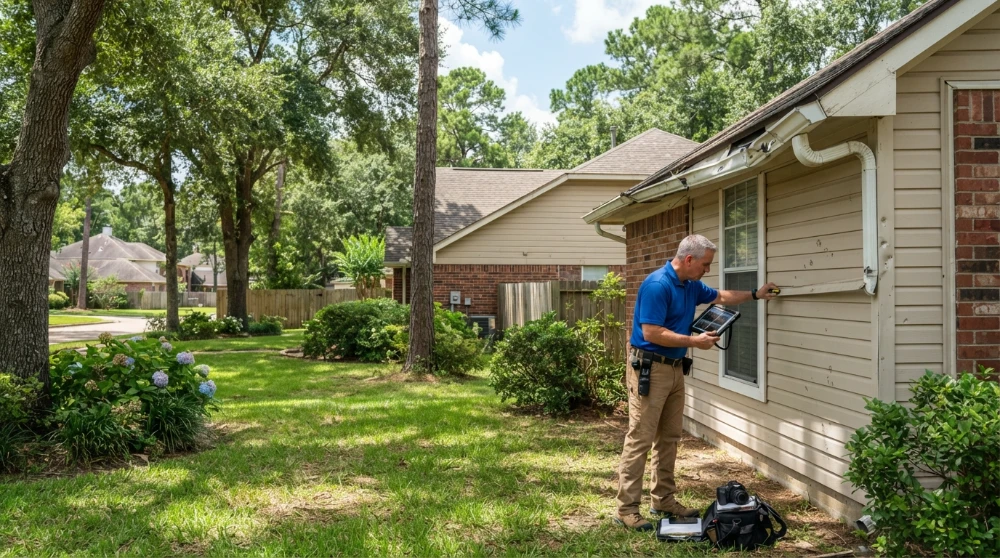
Our Woodbranch public adjusters assist with a wide range of residential and commercial property claims.
Hail Damage Claims
Hail losses frequently involve more than shingles. A hail damage roof insurance claim may need to address roofing accessories, metal components, gutters, vents, flashing, siding, windows, fencing, or mechanical equipment.
If an insurer acknowledges hail damage but the estimate seems incomplete, we can review the scope and supporting documentation to identify potential omissions.
Water Damage Claims
Water claims can involve plumbing failures, appliance leaks, roof-related water intrusion, broken supply lines, or storm-created openings. A water damage public adjuster can help document how far the moisture traveled and whether affected building materials were included in the carrier’s scope.
The visible water stain is often only the beginning. Moisture may travel through insulation, wall cavities, flooring systems, cabinetry, and adjoining rooms.
Our review looks at the full affected area and the circumstances that caused the damage.
Fire and Smoke Damage Claims
Fire claims can involve structural repairs, smoke contamination, contents damage, debris removal, temporary protection, cleaning, and other expenses. A fire insurance adjuster working for the policyholder can help organize the different components of a significant fire loss.
Smoke can also migrate well beyond the room where the fire started. Documentation should account for the actual extent of the loss rather than focusing only on visibly burned materials.
Storm Damage Claims
A major Woodbranch storm may combine several causes of damage: wind, hail, tree impact, roof openings, and subsequent water intrusion.
We inspect and document those components so the claim tells the complete story of what occurred.
Roof Damage Claims
Roof claims are among the most common reasons property owners seek a second opinion. Hiring a public adjuster for a roof claim may be worth considering when the carrier’s estimate leaves out damaged components or differs significantly from the documented repair scope.
Problems can arise when the insurance estimate addresses a small repair while contractors identify broader storm damage. Other disputes may involve repairability, matching, roof accessories, flashing, code-related work where applicable, or interior damage associated with the roof loss.
Commercial Property Claims
Commercial losses can create additional complications because business operations may depend on getting the building repaired correctly and efficiently.
Our commercial public adjuster services assist property owners with losses involving roofing systems, water intrusion, fire, hail, wind, structural components, interior finishes, equipment, and other covered property.
Our experience includes both residential and commercial property claims, with thousands of claims reviewed across our broader adjusting work.
Why Woodbranch Insurance Claims Become Underpaid
An underpaid claim does not always result from one major mistake. Often, several smaller omissions add up.
Damage Was Missed During the Initial Inspection
Carrier inspections can occur quickly, especially after widespread storms. Roof accessories, elevations, interior rooms, fencing, exterior finishes, or secondary water damage can be overlooked.
The Scope Does Not Include Every Necessary Repair
An insurance estimate may acknowledge that damage exists but still omit work required to complete the repair.
A scope review can compare what is included against what the documented damage actually requires.
Measurements or Quantities Are Incomplete
Incorrect roof measurements, missing elevations, insufficient drywall quantities, overlooked insulation, or incomplete flooring measurements can materially affect an estimate.
Depreciation Creates Confusion
Many property owners receive an initial payment without understanding how depreciation, deductibles, replacement cost benefits, or recoverable amounts apply to their claim.
The policy and carrier estimate should be reviewed together before conclusions are drawn about the final amount potentially available.
Documentation Is Weak
Photos, measurements, inventories, reports, receipts, estimates, and other supporting materials can influence how clearly a loss is presented.
A claim that is poorly documented can leave the insurer evaluating only part of what happened.
Interior Damage Is Separated From Exterior Damage
After a Woodbranch thunderstorm, the roof and interior water loss may be evaluated separately even when they resulted from the same event.
Establishing a clear chronology can help explain how the damage developed.
Our Public Adjusting Process
Every claim is different, but our work generally follows a structured process.
1. Claim Review
We begin by discussing what happened, the current status of the claim, what the insurance company has already done, and the concerns you have about the estimate or coverage position.
When available, we may review documents such as:
- Insurance estimates
- Claim correspondence
- Contractor estimates
- Photos and videos
- Repair invoices
- Proof-of-loss documents
- Relevant policy information
2. Property Inspection
We inspect the damaged property to identify and document affected areas.
For Woodbranch storm claims, that may include the roof, attic, interior rooms, exterior elevations, fencing, detached structures, and areas affected by fallen trees or water intrusion.
3. Claim Documentation
We organize the loss into a detailed, supportable claim presentation.
Depending on the circumstances, documentation can include photographs, measurements, estimates, inventories, reports, supporting invoices, and other evidence relevant to the claim.
4. Communication and Negotiation
We communicate with the insurance carrier about the documented loss and advocate for the policyholder during the adjustment process.
The insurance company’s adjuster represents the carrier. TX Public Adjusting represents you.
5. Claim Resolution
We continue working through the claim process, addressing questions and supporting the documented scope so the insurer has the information needed to evaluate the loss.
No public adjuster can guarantee a specific settlement. Our responsibility is to present the claim thoroughly, accurately, and professionally.
Need a Second Look at Your Woodbranch Claim?
If your insurance company already inspected the property, you are not necessarily out of options.
Many property owners contact a public adjuster after receiving the first estimate because that is when they discover discrepancies between the carrier’s scope and the actual repair needs.
You may also have options when a claim is already underway. Property owners often ask when it is too late to hire a public adjuster after receiving an initial payment, low estimate, or claim decision. The answer depends on the circumstances, policy requirements, applicable deadlines, and the current stage of the loss.
Get a Free Claim Review from TX Public Adjusting. We can review what has happened so far and help you understand whether professional public adjusting assistance may make sense.
Why Choose TX Public Adjusting in Woodbranch?
Licensed Texas Public Adjuster
TX Public Adjusting operates through Rise Public Adjusting LLC, Texas License #3356839.
Public insurance adjusting is a licensed activity in Texas. TDI states that public adjusters must be licensed and are subject to Texas requirements governing their work with policyholders.
We Represent Policyholders
An insurance company adjuster evaluates a claim for the carrier, while a public adjuster is hired by the insured to assist with the policyholder’s claim. Our guide to public adjuster vs. independent adjuster explains the difference in representation and why that distinction matters during a property claim.
That distinction is fundamental to what we do.
Texas-Focused Claims Experience
Texas property losses have their own patterns: severe thunderstorms, hail, high winds, Gulf Coast tropical systems, plumbing losses, freeze-related damage, fire, and water intrusion.
Our work focuses on Texas property claims rather than treating Woodbranch as just another location on a national service map.
Residential and Commercial Experience
We assist homeowners, landlords, business owners, investors, and commercial property owners.
The documentation needs of a residential roof claim can be very different from those of a larger commercial building loss. We approach each claim based on the property and the damage involved.
Detailed Claim Documentation
Insurance claims are built on evidence.
Our focus is identifying damage, documenting it, reviewing the scope, organizing supporting information, and presenting the claim clearly.
Free Claim Review
If something about your Woodbranch insurance claim does not look right, you can have us review the situation before deciding what to do next.
Areas We Serve Near Woodbranch
Woodbranch is part of the rapidly growing southeastern Montgomery County corridor. The community sits near New Caney and is convenient to neighboring areas along I-69 and the Grand Parkway.
We assist property owners in and around:
- New Caney
- Roman Forest
- Patton Village
- Porter
- Splendora
- Valley Ranch
- Tavola
- Kingwood-area communities
- Cleveland-area communities
- Other communities throughout Montgomery County and Southeast Texas
Woodbranch itself is relatively compact, so many residents use nearby New Caney and Porter for schools, shopping, services, and major destinations. The surrounding area includes destinations such as Valley Ranch, Randall Reed Stadium, and the broader Grand Texas/New Caney development corridor.
Frequently Asked Questions About Public Adjusters in Woodbranch
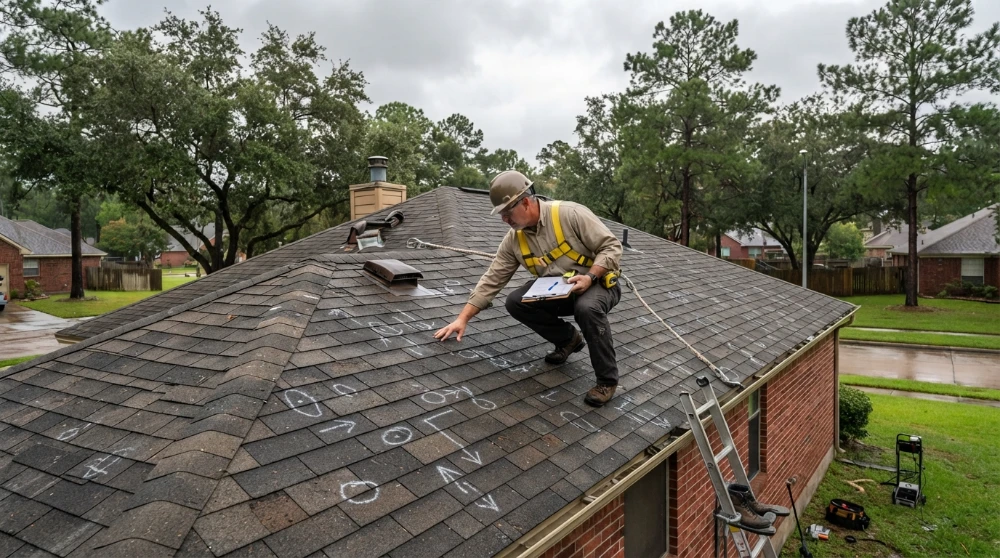
What does a public adjuster in Woodbranch do?
A public adjuster represents the policyholder during a first-party property insurance claim. That may include inspecting damage, reviewing the insurer’s estimate, developing documentation, preparing a repair scope, communicating with the carrier, and negotiating the claim.
TX Public Adjusting works for the insured rather than the insurance company.
When should I hire a public adjuster after Woodbranch storm damage?
You can speak with a public adjuster early in the claim or after you receive an estimate that appears incomplete. Many Woodbranch homeowners contact us after discovering that roof, exterior, or interior water damage was omitted from the original scope.
The right timing depends on the claim, so having the paperwork reviewed before accepting the insurer’s assessment can be useful.
Can you help if the insurance company already paid my claim?
Potentially. Receiving an initial payment does not automatically tell us whether every covered item was included or whether additional claim procedures may remain available.
We can review the carrier’s estimate, the documented damage, prior payments, and the current status of the claim to determine what issues may still need attention.
What types of Woodbranch property damage do you handle?
We assist with hail, wind, storm, roof, water, fire, smoke, and other covered property damage claims, including residential and commercial losses.
Because Woodbranch is in Southeast Texas, storm-related roof damage, tree impact, wind-driven rain, hail, and heavy-rain losses are especially relevant concerns for local property owners.
Can a public adjuster help with a denied claim?
A denied claim may warrant review, but a public adjuster is not an attorney and cannot provide legal advice.
We can examine the property damage and claim documentation within the scope of public adjusting services. When a dispute requires legal interpretation or litigation, legal counsel may be appropriate.
Is flood damage covered by homeowners insurance?
Standard property insurance and flood insurance are different, and coverage depends on the policy and cause of the water.
This is particularly relevant around Woodbranch because Peach Creek and heavy rainfall are part of the local environment. Damage from rising floodwater may be treated differently from rain that enters after covered wind damage creates an opening. The actual policy language and facts of the loss must be reviewed.
How much does a public adjuster charge in Texas?
Texas regulates public insurance adjuster compensation. TDI states that a public adjuster’s fee may be based on the claim settlement and is subject to limits established by Texas law.
TX Public Adjusting offers a Free Claim Review, allowing you to discuss the claim before deciding whether to hire us.
Do I still need a public adjuster if my contractor already inspected the roof?
A contractor and public adjuster perform different roles.
A contractor evaluates construction and repair work. A licensed public adjuster represents the policyholder in the insurance claim and may prepare and negotiate claim documentation. Texas also places restrictions on conflicts between public adjusting and repair work on the same claim.
How long does a Woodbranch property insurance claim take?
There is no single timeline. A straightforward loss with clear documentation may move faster than a large commercial claim, disputed roof claim, fire loss, or claim requiring supplemental inspections and documentation. Property owners who are still waiting for the carrier can also review how long an insurance adjuster has to contact you after a claim is reported.
Carrier response time, property access, the extent of damage, documentation, coverage questions, and negotiations can all affect how long the process takes.
Why hire TX Public Adjusting for a Woodbranch insurance claim?
We are a Texas-focused public adjusting firm serving policyholders rather than insurance companies. Rise Public Adjusting LLC operates under Texas License #3356839, and our experience includes residential and commercial property claims.
For Woodbranch owners, we also understand that local losses often involve overlapping storm issues—roof damage, tree impact, wind, hail, and water intrusion—rather than a single isolated repair.
Get a Free Woodbranch Insurance Claim Review
If your Woodbranch home or commercial property has suffered damage, you do not have to rely solely on the insurance company’s estimate to understand the scope of your loss.
TX Public Adjusting can review the claim, inspect the documented damage, evaluate the carrier’s scope, and help determine whether important items may have been missed.
TX Public Adjusting
Rise Public Adjusting LLC
Texas License #3356839
Free Claim Review
Residential & Commercial Property Claims
No upfront fee for the initial claim review
Contact TX Public Adjusting today for a free claim review and insurance claim assistance in Woodbranch, Texas.