

Property damage in Clute can turn into a complicated insurance claim quickly. A tropical system may damage the roof, force rain through flashing or vents, and leave moisture inside walls before the full extent of the loss is visible. A plumbing failure can affect several rooms. Fire or smoke damage can create questions about structural repairs, contents, cleanup, and temporary living expenses. When the carrier’s estimate does not reflect the actual work needed, a public adjuster in Clute, TX can help you document the loss and present a more complete claim.
TX Public Adjusting represents homeowners, landlords, business owners, and other policyholders—not insurance companies. We review policies, inspect damaged property, prepare supporting documentation, evaluate the carrier’s scope, and negotiate covered property claims on behalf of our clients.
TX Public Adjusting is operated by Rise Public Adjusting LLC, Texas License #3356839.
Request a Free Claim Review. There are no upfront fees. Contact TX Public Adjusting to discuss a new, delayed, denied, or underpaid Clute property damage claim.
Why Property Owners Hire a Public Adjuster in Clute
Clute sits in Brazoria County near Lake Jackson, Freeport, Richwood, Oyster Creek, and the industrial and coastal communities of the Brazosport area. Its location close to the Texas Gulf Coast creates a different claim environment than property owners face in inland parts of the state.
Hurricanes and tropical storms can produce several types of damage during the same event. Strong winds may affect shingles, metal roofing, flashing, gutters, windows, fences, exterior equipment, and commercial roof systems. Wind-driven rain may enter through openings that are difficult to identify during a brief carrier inspection. Heavy rainfall can overwhelm drainage systems and contribute to water intrusion or localized flooding.
Brazoria County has documented serious flood exposure and continues to undertake elevation, reconstruction, and mitigation work. Clute itself sustained major damage during the 2016 floods, leading to drainage and flood-mitigation planning.
A public insurance adjuster in Clute provides independent representation during this process. The insurance company assigns an adjuster to evaluate the loss for the carrier. A public adjuster works for the policyholder and focuses on identifying, documenting, and valuing covered damage under the terms of the policy.
Property owners often contact TX Public Adjusting when:
- The insurance company’s estimate appears too low.
- The adjuster inspected the property too quickly.
- Roof or exterior damage was described as cosmetic or unrelated.
- Interior moisture damage was omitted from the scope.
- The carrier approved a repair when replacement may be required.
- The claim has stalled because additional documents were requested.
- A commercial loss involves multiple buildings, systems, or tenants.
- The owner does not have time to manage repeated inspections and insurer communications.
- A claim was denied, partially denied, or closed before all damage was addressed.
Hiring a Clute public adjuster does not guarantee coverage or a particular settlement. It gives the policyholder a licensed representative who can investigate the loss, organize the claim, and challenge supported scope or valuation issues.
Clute Property Risks Are Closely Tied to the Gulf Coast
Clute property owners are familiar with humid weather, heavy rain, tropical systems, and fast-changing coastal forecasts. A storm does not have to make landfall directly over Clute to cause a significant claim. Outer rain bands, sustained winds, windborne debris, tornado activity, and prolonged rainfall can affect Brazoria County while the center of a system remains elsewhere.
Hurricane and Tropical-Storm Damage
Hurricanes can produce roof damage, broken openings, water intrusion, structural movement, electrical problems, damaged equipment, spoiled inventory, and business interruption. Our guide to hurricane property damage explains the different parts of a loss that Texas property owners may need to document.
After a major storm, adjusters and contractors may be handling a high volume of losses. Inspections can become rushed, and damage hidden beneath roofing or inside wall and ceiling cavities may not appear in the first estimate.
For Clute properties, hurricane claim documentation may need to address:
- Missing, creased, lifted, or fractured roofing materials
- Damaged flashing, vents, coping, gutters, and downspouts
- Wind-driven rain entering around windows, doors, and roof penetrations
- Wet insulation and concealed moisture
- Ceiling and drywall staining
- Damaged fencing, signage, awnings, and exterior structures
- Mechanical or electrical equipment damage
- Debris removal and emergency mitigation
- Contents damage
- Temporary housing or additional living expenses
- Lost business income or extra expenses when covered
Heavy Rain and Drainage-Related Water Damage
Clute’s low-lying Gulf Coast setting makes heavy rainfall and drainage performance especially relevant. Brazoria County reports extensive long-term flood exposure, while local planning materials identify storm damage and older-neighborhood revitalization as ongoing community concerns.
Insurance treatment depends heavily on the cause of water entry. Surface flooding, storm surge, plumbing discharge, roof-created openings, wind-driven rain, and sewer backup may fall under different policy provisions or exclusions. A public adjuster cannot create coverage that the policy does not provide, but careful cause-of-loss documentation can be critical when several sources of water are possible. The cause and extent of the loss should be documented carefully. Property owners can learn more about dealing with an insurance adjuster after water damage before accepting an estimate that may omit concealed moisture or related repairs.
Wind and Roof Damage
Strong coastal winds can loosen shingles or roofing components without removing the entire roof. On commercial properties, wind can disturb membranes, seams, flashing, edge metal, rooftop units, or drainage components.
A carrier estimate may include a small repair without accounting for access, matching, manufacturer requirements, code-related work, or damage across multiple roof slopes. Those issues need to be supported with photographs, measurements, repair analysis, and applicable policy language.
Hail and Severe Thunderstorms
Hail is not the dominant Clute risk in the same way it is across parts of North Texas, but severe thunderstorms can still damage roofs, gutters, vents, siding, windows, fences, exterior finishes, and HVAC components. Hail damage may be overlooked when it occurs alongside wind or heavy rain.
A complete inspection should distinguish functional storm damage from age, wear, manufacturing conditions, and prior repairs.
Fire, Smoke, and Electrical Losses
Residential and commercial fires create complicated claims because the visible burn area may represent only part of the loss. Smoke residue can travel through rooms, ductwork, equipment, inventory, and porous materials. Water used to suppress the fire may cause additional damage.
A Clute fire claim may include:
- Structural repairs
- Smoke and soot cleaning
- Odor treatment
- Damaged personal property or business contents
- Debris removal
- Electrical and mechanical evaluations
- Temporary housing
- Lost rental income
- Business interruption
- Code-related upgrades when covered
Common Insurance Claims in Clute
Hail Damage Claims
A Texas hail damage insurance claim may involve more than visible marks on the roof. Hail can bruise or fracture asphalt shingles, dent soft metals, damage roof vents, affect gutters, and mark exterior HVAC components.
TX Public Adjusting reviews the reported storm date, roof materials, exterior components, photographs, carrier findings, and available repair information. The goal is to identify covered hail damage accurately and document the complete repair scope.
Water Damage Claims
Water claims may begin with a pipe failure, appliance leak, roof leak, air-conditioning drain problem, or sudden plumbing discharge. The visible water line rarely shows every affected material. Moisture can spread behind cabinets, beneath flooring, into insulation, and through wall cavities.
We evaluate the cause of loss, affected rooms, demolition needs, drying records, moisture documentation, repairs, and resulting damage. This can be especially important when the carrier’s estimate includes surface repairs but omits work needed to access wet materials.
Fire and Smoke Damage Claims
A fire insurance adjuster can help a policyholder organize a loss involving the building, personal property, cleanup, temporary living costs, and specialized restoration services.
TX Public Adjusting helps organize these categories so the claim is not limited to the most obvious burned materials.
Storm and Hurricane Damage Claims
A tropical-weather claim may combine wind, rain, falling debris, roof damage, broken openings, interior water intrusion, and power-related losses. Determining the sequence and source of damage can be central to the coverage decision.
We document the property as a connected loss rather than treating every damaged item in isolation.
Roof Damage Claims
Property owners often contact a public adjuster for a roof claim when the carrier approves a limited repair, attributes damage to wear, or excludes important portions of the roofing system from its estimate. A proper scope may need to account for roofing material, underlayment, flashing, vents, edge metal, decking, access, steep or high charges, and interior resulting damage.
Clute properties may have asphalt shingles, metal systems, modified bitumen, built-up roofs, or other commercial roofing assemblies. Each requires a material-specific inspection.
Commercial Property Claims
Clute and the surrounding Brazosport area include retail buildings, offices, apartments, warehouses, restaurants, industrial support businesses, medical offices, churches, and other commercial properties.
Commercial claims can involve:
- Building repairs
- Roofing systems
- Exterior cladding
- Machinery and equipment
- Inventory and stock
- Tenant improvements
- Business personal property
- Code compliance
- Debris removal
- Business interruption
- Extra expense
- Multiple deductibles or coverage sections
These claims require careful coordination because an omitted building item can affect operations, tenant access, repair sequencing, and the final cost of recovery.
Why Clute Insurance Claims Become Underpaid
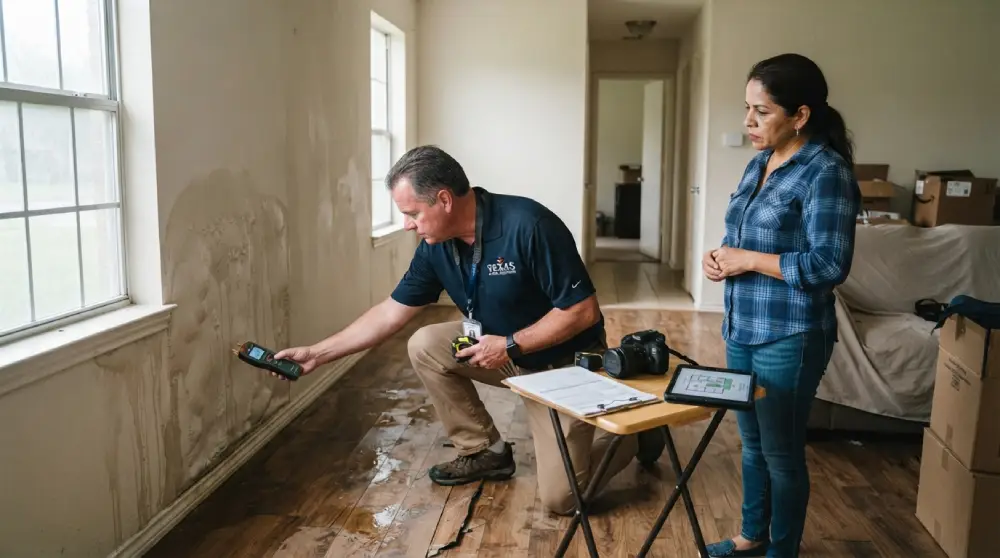
An underpaid claim is not always the result of one obvious error. More often, several smaller omissions reduce the estimate. Many underpayments begin with common property insurance claim mistakes, such as incomplete photographs, discarded materials, missed deadlines, unclear inventories, or accepting an estimate before the full scope has been evaluated.
Damage Was Missed During the Initial Inspection
A short inspection may identify visible roof or ceiling damage but miss wet insulation, damaged flashing, hidden moisture, detached materials, or related exterior components.
The Scope Does Not Include Every Required Repair
The carrier may pay for shingles but omit underlayment, vents, flashing, edge metal, detach-and-reset work, interior protection, debris handling, or access costs. On water claims, it may include drywall replacement without cabinets, flooring transitions, insulation, texture, or painting needed to complete the repair.
Depreciation Was Applied Incorrectly or Misunderstood
Insurance estimates may include recoverable and nonrecoverable depreciation. Policyholders sometimes believe the first payment represents the entire available settlement. Others complete repairs but do not submit the documentation required to request recoverable depreciation.
A public adjuster can review how depreciation was calculated and explain what the policy requires.
The Estimate Uses Low Quantities or Incomplete Measurements
A small measurement error can affect roofing, flooring, drywall, paint, insulation, siding, and other trades. Waste factors, roof geometry, openings, material transitions, and affected elevations can also change the estimate.
Documentation Was Incomplete
Insurance companies rely on records. Photographs without dates, unclear invoices, missing mitigation logs, unsupported contents lists, and incomplete proof-of-loss submissions can slow or reduce a claim.
Cause-of-Loss Questions Were Not Resolved
This is particularly important in Clute water claims. Wind-created openings, wind-driven rain, plumbing discharge, surface flooding, storm surge, and long-term seepage can be treated differently. The damage should be investigated and documented before unsupported conclusions become the basis of a denial.
The Claim Was Closed Too Early
A claim can be marked closed after payment even when the policyholder still has questions or discovers additional damage. Closing a file does not necessarily resolve every policy right, but deadlines and post-loss obligations may apply. The safest approach is to request a review promptly.
Our Public Adjusting Process
1. Claim Review
We begin by discussing what happened, when the damage occurred, what the carrier has done, and where the claim stands. We may review the policy, declarations, correspondence, estimates, photographs, payment letters, repair proposals, and denial language.
This initial review helps determine whether there are documented issues that justify further involvement.
2. Property Inspection
Our team inspects the damaged property and records conditions relevant to the claim. Depending on the loss, this may include roofing, exterior elevations, interior rooms, contents, moisture-affected materials, commercial equipment, or multiple structures.
The inspection is focused on the insurance scope—not simply identifying that damage exists.
3. Documentation and Estimate Preparation
We organize photographs, measurements, inventories, repair information, and other supporting records. When appropriate, we prepare or review a detailed estimate that separates the work by trade and area.
Complex losses may require input from contractors, engineers, hygienists, restoration specialists, roof consultants, accountants, or other qualified professionals. Their involvement depends on the claim and is not assumed in every case.
4. Claim Presentation and Communication
TX Public Adjusting communicates with the insurance carrier regarding documented claim issues. We submit supporting materials, respond to reasonable requests, coordinate inspections, and explain differences between our scope and the carrier’s position.
5. Negotiation and Settlement Review
We negotiate supported differences involving scope, quantities, repair methods, pricing, depreciation, and covered categories of loss. We also review revised estimates and settlement documents with the policyholder.
The objective is a properly documented claim resolution consistent with the available evidence and policy—not an unsupported or inflated demand.
A Clute Claim Review Can Start Before the Dispute Gets Worse
You do not have to wait for a denial to speak with a public adjuster. Early involvement can help preserve evidence, improve documentation, and reduce confusion about estimates or insurer requests.
You may also contact TX Public Adjusting after receiving a payment when the scope still appears incomplete.
Free Claim Review
- New and existing claims
- Residential and commercial losses
- No upfront fees
- Independent policyholder representation
- Licensed Texas public adjuster
Contact TX Public Adjusting to discuss your Clute insurance claim.
Why Choose TX Public Adjusting
Texas-Focused Property Claim Experience
Texas claims involve state-specific policy forms, deadlines, weather conditions, deductibles, and carrier practices. TX Public Adjusting concentrates on property claims across Texas, including coastal losses in Brazoria County.
Licensed Representation
TX Public Adjusting is operated by Rise Public Adjusting LLC, Texas License #3356839. Licensing provides an important trust signal and establishes that the firm is authorized to perform public adjusting services in Texas.
We Work for Policyholders
Understanding the difference between a public adjuster versus an independent adjuster helps explain who each professional represents. An independent adjuster is generally hired by an insurance carrier, while a public adjuster is retained by the policyholder.
TX Public Adjusting represents the homeowner or business owner—not the insurance company. We investigate the policyholder’s damage, prepare supporting documentation, and advocate for the policyholder’s covered claim.
Residential and Commercial Knowledge
A family home, rental property, restaurant, warehouse, apartment complex, and industrial support facility do not produce identical claims. Our team understands that documentation and recovery needs vary by property type and occupancy.
Experience Reviewing Thousands of Claims
Our experience includes the review of thousands of residential and commercial property claims. That background helps our team recognize common scope omissions, documentation problems, and disputed repair issues without relying on invented settlement promises.
Detailed Claim Management
Property owners often have jobs, tenants, customers, families, and repairs to manage. We take on the documentation and claim-negotiation work so the owner can make informed decisions without personally managing every carrier communication.
Serving Clute and the Brazosport Area
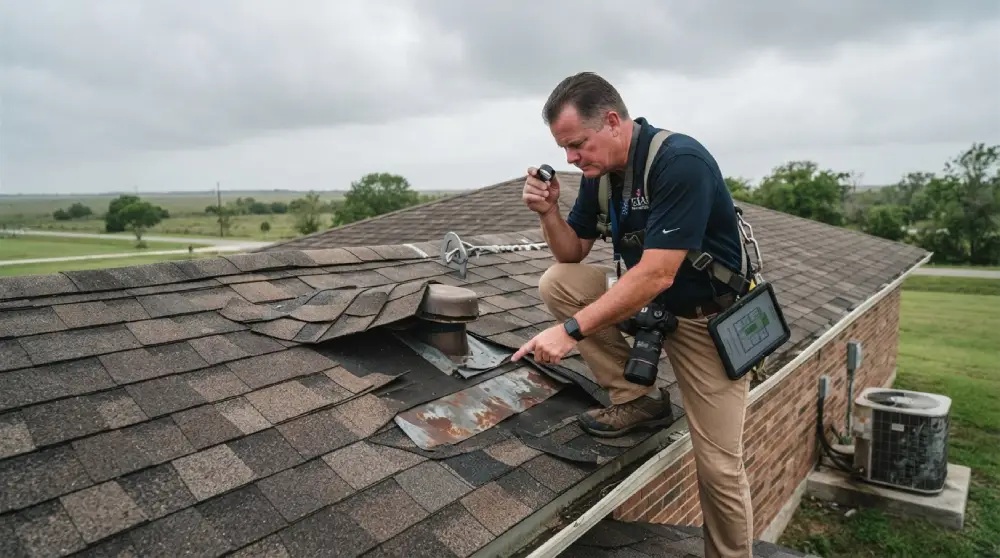
TX Public Adjusting assists property owners throughout Clute and nearby Brazoria County communities.
In and around Clute, we can help owners near:
- Brazoswood and the southern Clute residential areas
- Main Street and central Clute
- College Boulevard
- Plantation Drive
- Dixie Drive
- Old Angleton Road
- The Clute–Lake Jackson boundary
- Neighborhoods near Richwood and Oyster Creek
- Commercial corridors connecting Clute and Freeport
We also serve nearby communities including:
- Lake Jackson
- Freeport
- Richwood
- Oyster Creek
- Angleton
- Surfside Beach
- Quintana
- Brazoria
- Jones Creek
- West Columbia
- Danbury
- Alvin
- Pearland
- Other Brazoria County communities
Clute is home to the Center for the Arts & Sciences, which includes an art gallery, natural-science museum, planetarium, and performance spaces. The community is also known as the original home of Buc-ee’s and sits within the closely connected Brazosport area.
Whether the damaged property is a home near Brazosport College, a rental near central Clute, or a commercial building serving the Freeport and Lake Jackson corridor, the insurance claim should reflect the actual covered loss.
Frequently Asked Questions About Public Adjusters in Clute
What does a public adjuster in Clute do?
A public adjuster represents the policyholder during a property insurance claim. The work may include reviewing the policy and carrier estimate, inspecting damage, documenting the repair scope, preparing supporting materials, communicating with the insurance company, and negotiating disputed claim issues.
TX Public Adjusting does not work for the carrier. Our responsibility is to the homeowner or business owner who hired us.
When should I hire a public adjuster after a Clute storm?
Contacting a public adjuster early can be helpful when the loss is substantial, the cause is complicated, several parts of the property were affected, or you do not have time to manage the claim. Early documentation can be especially valuable after hurricanes and tropical storms because temporary repairs and cleanup may change the condition of the property.
You can also request help after receiving an estimate, payment, partial denial, or denial. Do not delay unnecessarily because policy deadlines may apply.
Can a public adjuster help with a hurricane claim in Clute?
Yes. Hurricane claims are a major reason Clute property owners seek insurance claim assistance. A public adjuster can evaluate roof and exterior damage, interior water intrusion, contents, emergency work, temporary housing, and commercial-loss categories when covered.
The exact services depend on the policy, the cause of damage, and the status of the claim.
Can you help when rain entered through my roof?
Potentially. Coverage often depends on why the rain entered. If wind or falling debris created an opening, the policy may treat the loss differently than water entering through long-term deterioration or an excluded source.
We review the reported event, roof conditions, interior damage, carrier findings, and policy language before advising the owner about the claim.
What if my Clute insurance claim was already paid?
A payment does not always mean the scope is complete. We can compare the carrier estimate with the observed damage and available repair information. If supported items were omitted or undervalued, additional documentation may be submitted subject to the policy and applicable deadlines.
Do not deposit or spend funds without understanding what the payment covers, but receiving a payment by itself does not necessarily prevent a claim review.
Can you help with a denied property claim?
We review denied claims to understand the carrier’s stated reason, the policy language it relied upon, and the available damage evidence. Some denials are supported by the policy. Others may result from an incomplete inspection, disputed cause, missing documentation, or an interpretation that warrants further evaluation.
A public adjuster cannot overturn every denial, but a detailed review can help determine whether the decision should be challenged.
How much does a public adjuster cost in Texas?
Public adjusters commonly work under a contingency-fee agreement, meaning the fee is tied to funds recovered through their work. The written contract should explain the fee and services before representation begins.
TX Public Adjusting offers a free claim review and does not charge an upfront fee. Specific fee terms are discussed before a contract is signed.
Do I need a public adjuster for a small claim?
Not every minor claim requires professional representation. A straightforward loss with an accurate carrier estimate may be manageable without a public adjuster.
Professional help becomes more valuable when the damage is widespread, the scope is disputed, the claim involves several coverage categories, the carrier’s estimate is significantly below repair proposals, or the owner cannot manage the documentation and negotiation process.
Do you handle commercial insurance claims in Clute?
Yes. We assist Clute and Brazosport-area businesses with building, roof, contents, equipment, inventory, business-income, and extra-expense claim issues when applicable.
Commercial losses should be reviewed promptly because mitigation decisions, tenant responsibilities, operational interruptions, and documentation requirements can affect the recovery.
How long does a Clute property insurance claim take?
The timeline depends on the size of the loss, policy questions, inspection scheduling, document availability, expert involvement, carrier response times, and whether the parties dispute the cause or repair scope.
A small water claim may move faster than a hurricane loss affecting a commercial building and its operations. We keep the policyholder informed and work to move supported issues forward without making unrealistic timeline promises.
Get Insurance Claim Help in Clute
A property insurance claim is not just a form and an inspection. It is the process used to fund repairs, replace damaged property, restore operations, and help a family or business recover from a loss.
When damage has been missed, the estimate is too low, or communication has stalled, you deserve an experienced representative who works for you.
TX Public Adjusting helps Clute homeowners and business owners with:
- Hurricane and tropical-storm claims
- Wind and roof damage
- Water damage
- Fire and smoke losses
- Hail claims
- Residential property claims
- Commercial property claims
- Denied and underpaid claims
- Supplemental claim documentation
TX Public Adjusting is operated by Rise Public Adjusting LLC, Texas License #3356839.
Request your Free Claim Review today. There are no upfront fees. Contact TX Public Adjusting for independent help with your Clute property damage claim.