

Property damage in Seagoville can escalate quickly. A spring thunderstorm may leave hail impacts across a roof, wind can loosen shingles and flashing, and heavy rain can enter through openings that are difficult to see from the ground. Plumbing failures, appliance leaks, fires, and commercial losses create their own documentation challenges. When the insurance company’s estimate does not reflect the full scope of the damage, a public adjuster in Seagoville can represent the property owner throughout the claim.
TX Public Adjusting helps residential and commercial policyholders document covered damage, review insurance estimates, prepare claim scopes, and negotiate with insurance carriers. We represent the policyholder—not the insurance company. A property owner may also find it helpful to understand the difference between a public adjuster versus an independent adjuster. A public adjuster is hired by the policyholder, while an independent adjuster is generally assigned by an insurance carrier.
TX Public Adjusting is operated by Rise Public Adjusting LLC, Texas License #3356839. Contact our team for a free claim review with no upfront fees.
Seagoville is primarily located in Dallas County, with a small portion extending into Kaufman County. The community sits southeast of Dallas along the U.S. Highway 175 corridor. That location places local properties within the North Texas severe-weather zone, where hail, damaging wind, lightning, tornado-producing storms, and sudden heavy rainfall can all contribute to property losses.
Licensed Texas Public Adjuster | Residential and Commercial Claims | Free Claim Review
Why Property Owners Hire a Public Adjuster in Seagoville
The insurance company assigns an adjuster to investigate a reported loss. That adjuster may be employed by the carrier or hired as an independent contractor, but the assignment still comes from the insurance company.
A public adjuster has a different role. We work for the policyholder.
That distinction can matter when a claim involves widespread roof damage, multiple interior rooms, structural components, business equipment, personal property, or disagreements about repair methods. A carrier inspection may be brief, particularly when adjusters are handling a large number of claims after a North Texas storm. Damage that is overlooked during the first visit may never appear in the initial estimate.
Seagoville also has a varied property mix. Local housing includes older ranch-style homes, rural and semi-rural properties, established residential streets, newer subdivisions, multifamily buildings, retail properties, churches, warehouses, and other commercial structures. Homes.com describes the community as combining a small-town or country setting with convenient access to Dallas, and it specifically notes both mature ranch-style housing and newer development.
Different buildings create different claim problems. An older home may have discontinued materials or layers of previous repairs. A newer roof may appear intact from the yard while still having hail-related bruising, fractured shingles, damaged vents, or compromised flashing. A metal commercial roof can suffer functional damage that is not obvious in a general inspection.
A Seagoville public adjuster can help by:
- Inspecting visible and potentially hidden areas of damage
- Reviewing the policy and carrier estimate
- Preparing photographs, measurements, inventories, and supporting records
- Identifying omitted repair items
- Comparing the insurer’s scope with the actual loss
- Communicating and negotiating with the insurance company
- Helping the policyholder respond to requests and claim deadlines
A large claim can become a second job for a property owner. Our role is to organize the loss, support the claimed scope with evidence, and present it clearly.
Concerned that your claim is underpaid, incomplete, or stalled? Request a free claim review from TX Public Adjusting.
Seagoville Storm Risks and Property Damage
Seagoville’s position in southeastern Dallas County exposes local homes and businesses to the same severe-thunderstorm patterns that affect the broader Dallas–Fort Worth region. North Texas storms can produce large hail, high winds, intense rainfall, and occasional tornadoes. NOAA’s disaster records identify severe hail and damaging wind as recurring causes of major losses across North and Central Texas, while the National Weather Service maintains ongoing severe-weather monitoring for the Dallas–Fort Worth forecast area.
Hail Damage
Hail is one of the most common reasons Seagoville property owners file roof claims. Damage may affect much more than shingles. Property owners who want a more detailed explanation can review our guide to a hail damage roof insurance claim, including common roof impacts and issues that may arise during the insurance inspection. A complete inspection may need to include:
- Asphalt shingles, metal panels, tile, or modified roofing
- Roof vents, turbines, flashing, and pipe jacks
- Gutters and downspouts
- Window screens and glazing
- Exterior paint and siding
- Fences, garage doors, and outdoor equipment
- HVAC condenser fins
- Commercial rooftop units and roof membranes
Photographs should be taken before temporary repairs or cleanup alter the condition of the property. Our guide explains how to document hail damage for an insurance claim without overlooking roofing components, exterior elevations, HVAC equipment, or interior water intrusion. Hail damage is not always immediately visible. A roof may continue shedding water after a storm even though impact marks have shortened its service life or compromised the material. Problems may become obvious months later when wind or rain exploits weakened areas.
A claim may also be underpaid when an estimate includes spot repairs without considering whether matching materials are available or whether the proposed repair can be completed without disturbing surrounding components.
A denial does not always mean the claim evaluation was complete. Seagoville property owners can review the next steps to consider after a denied hail claim, including reviewing the denial letter, inspecting the property, and preserving supporting evidence.
Wind and Tornado Damage
Straight-line winds can lift shingles, detach ridge caps, bend metal components, break tree limbs, and drive rain under roofing materials. More intense storms may damage fences, detached structures, windows, siding, and exterior electrical equipment.
Tornado-related claims often involve several damage categories at once. A single event may produce roof damage, broken openings, water intrusion, debris impact, structural movement, contents damage, and loss-of-use expenses. Those losses require careful coordination because the visible exterior damage may be only part of the claim.
Properties near open land or less densely developed areas around Seagoville can face direct wind exposure. Buildings with older roof coverings, aging seals, previous patchwork, or large overhanging trees may be especially vulnerable during severe storms.
Heavy Rain and Water Intrusion
Strong North Texas storms can release substantial rainfall in a short period. Water may enter through storm-created openings around shingles, vents, flashing, windows, doors, or damaged siding. Localized drainage problems can also affect low-lying portions of a property.
Insurance coverage depends on the source of the water and the policy language. Rain entering through a wind-created opening is evaluated differently from rising surface water. That is why the cause of loss needs to be documented carefully.
A water claim may include:
- Wet insulation
- Ceiling and drywall damage
- Flooring damage
- Cabinet and millwork damage
- Electrical concerns
- Contents damage
- Moisture trapped behind walls
- Mold-related concerns
- Emergency drying and mitigation expenses
Communicating with the carrier can become especially difficult when the insurer questions the cause, duration, or extent of the moisture. Property owners can learn more about dealing with an insurance adjuster after water damage before submitting additional statements or accepting a limited scope. The first visible stain rarely defines the entire loss. Moisture readings, thermal imaging when appropriate, demolition records, mitigation logs, and photographs can help establish how far the water traveled.
Freeze and Plumbing Losses
North Texas winter weather can produce freezing temperatures that stress plumbing systems. A ruptured supply line, frozen exterior connection, failed water heater, or broken pipe in an attic can release a large amount of water before anyone notices.
These claims often become disputed over the extent of tear-out, drying, access, plumbing repairs, matching finishes, and damage to cabinets or flooring. A detailed scope should distinguish the failed component from the resulting covered damage.
Common Insurance Claims in Seagoville
Hail Damage Claims
Hail claims commonly involve disagreements over whether roof marks are storm-related, whether the damage is functional, and whether repair or replacement is appropriate. We inspect the full roofing system and compare our findings with the carrier’s scope.
Water Damage Claims
Water can spread beyond the obvious wet area. We review the reported source, affected rooms, drying records, material damage, and repair requirements. We also examine whether the carrier estimate accounts for access, removal, replacement, and finish continuity. A water damage public adjuster can review the source of the loss, affected materials, mitigation documentation, repair scope, and insurance estimate.
Fire and Smoke Damage Claims
Fire claims are rarely limited to the burned area. Smoke, soot, heat, suppression water, and demolition can affect rooms far from the origin. The claim may need to include structural repairs, cleaning, contents inventory, debris removal, temporary housing, code-related work, and professional services. A fire insurance adjuster working for the policyholder can help organize the structural, contents, cleanup, debris-removal, and additional-living-expense portions of the loss.
Storm Damage Claims
A severe storm may create overlapping hail, wind, rain, and debris-impact damage. We help organize those components into a documented claim rather than treating each visible defect as an isolated repair.
Roof Damage Claims
Roof claims may involve shingles, metal systems, underlayment, decking, vents, flashing, gutters, rooftop equipment, and interior water damage. Roof claims may involve shingles, metal systems, underlayment, decking, vents, flashing, gutters, rooftop equipment, and interior water damage. Our guide explains when hiring a public adjuster for a roof claim may help when the carrier’s estimate omits components or proposes a limited repair.
Commercial Property Claims
Commercial claims can affect rental income, inventory, equipment, tenant improvements, common areas, building systems, and business operations. TX Public Adjusting assists owners of retail properties, offices, multifamily buildings, churches, warehouses, restaurants, and other insured commercial structures.
Properties along the Highway 175 corridor and near Seagoville’s commercial areas may require faster documentation because delayed repairs can interfere with customers, tenants, deliveries, and business continuity.
Why Seagoville Insurance Claims Become Underpaid
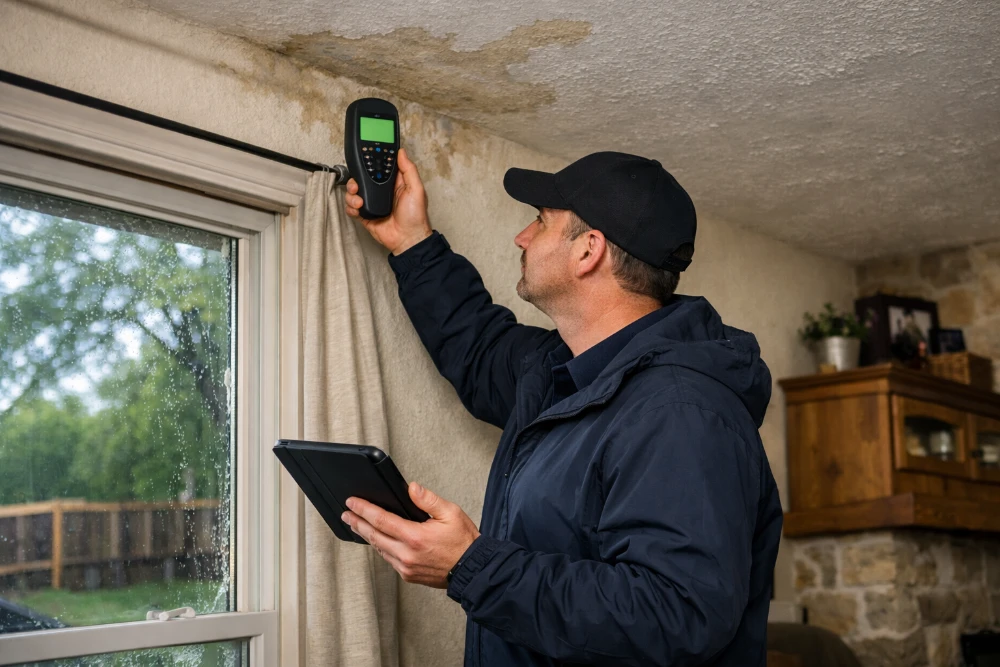
An underpaid claim does not always begin with an outright denial. In many cases, the carrier accepts that a covered loss occurred but prepares an incomplete scope.
Missed Damage
The inspection may not include every roof slope, elevation, room, detached structure, or building component. Interior moisture may also extend beyond the area visible during the carrier’s visit.
Scope Omissions
The estimate might include shingles but omit flashing, vents, gutters, underlayment, steep-roof charges, access requirements, debris handling, interior protection, or required detach-and-reset work.
For a water loss, an estimate may address drywall without including insulation, baseboards, cabinets, flooring transitions, painting, contents manipulation, or equipment used during drying.
Depreciation Issues
Many property policies calculate an initial payment using actual cash value and withhold recoverable depreciation until qualifying repairs are completed. Disagreements can arise over material age, condition, useful life, and which items are eligible for depreciation recovery.
Low Labor or Material Pricing
Estimate pricing may not reflect the actual labor, material, equipment, and contractor availability associated with the project. A line item can also appear in the estimate but include an insufficient quantity.
Documentation Problems
Insurance companies rely heavily on documentation. Missing photographs, incomplete inventories, delayed moisture records, unclear invoices, or inconsistent descriptions can weaken a claim.
Repair Versus Replacement Disputes
The carrier may propose isolated repairs that do not restore the property to a reasonably consistent condition. This can occur with roofing, siding, flooring, cabinets, paint, tile, and other materials that fade, age, or become unavailable.
Cause-of-Loss Disagreements
A claim can change dramatically depending on whether damage is attributed to hail, wind, wear and tear, deterioration, maintenance, surface water, or another cause. Photographs, weather information, inspection findings, and a clear timeline can help support the reported event.
Our Public Adjusting Process
1. Claim Review
We begin by reviewing the loss, claim status, carrier correspondence, policy documents, estimates, photographs, and payments. This helps us identify immediate concerns and determine what additional information is needed.
A public adjuster may be hired before a claim is filed, during the investigation, after an initial estimate, or when a claim appears underpaid or delayed. Waiting too long can make documentation more difficult, especially after repairs begin or damaged materials are discarded.
2. Property Inspection
We inspect the affected property and document visible damage. Depending on the loss, this may include roofing, exterior elevations, interiors, mechanical systems, detached structures, contents, and commercial areas.
We look for relationships between damage. A lifted shingle may connect to ceiling staining. A broken window may explain rain intrusion and flooring damage. A fire in one room may create smoke contamination throughout the building.
3. Claim Documentation
We organize evidence into a supportable claim package. Documentation may include:
- Detailed photographs and video
- Measurements and diagrams
- Repair estimates
- Contents inventories
- Moisture and mitigation records
- Contractor reports and invoices
- Receipts for emergency expenses
- Business-loss information when applicable
- Relevant policy provisions and claim correspondence
The goal is to explain what happened, what was damaged, and what is reasonably required to restore the property.
4. Scope and Estimate Comparison
We compare the insurer’s estimate with the documented loss. This review can reveal omitted rooms, missing components, inaccurate quantities, unsupported repair assumptions, or pricing differences.
We also review how depreciation, deductibles, prior payments, and coverage limits are applied.
5. Negotiation and Claim Resolution
TX Public Adjusting communicates with the insurance company and presents the supporting documentation. We respond to questions, address scope disagreements, and negotiate for the amount supported by the policy and evidence.
We do not guarantee a particular outcome. Every claim depends on its facts, documentation, policy language, exclusions, limits, and carrier evaluation. Our responsibility is to represent the policyholder thoroughly and professionally.
Residential Claims Across Seagoville
Seagoville’s housing ranges from established homes on mature streets to newer subdivisions and properties with larger lots. Areas and developments commonly associated with the community include Highland Meadows, Seagoville Farms, Brook Valley, Oakridge, Stonehaven, Edmonds Ranch, and residential pockets near Malloy Bridge Road, Kaufman Street, North Highway 175, and Seagoville Road.
Neighborhood and subdivision names can overlap with nearby unincorporated areas, so service is based on the property address rather than a subdivision label.
Local features such as mature trees, broad roof surfaces, detached garages, workshops, fences, and outbuildings can increase the number of components affected by a storm. After hail or wind, the claim should not stop at the main dwelling. The inspection may also need to address:
- Detached garages and storage buildings
- Carports and patio covers
- Fencing and gates
- Exterior lighting
- HVAC equipment
- Outdoor kitchens
- Solar components
- Private drives and insured appurtenant structures
Seagoville landmarks and gathering places such as C.O. Bruce Central Park and Freedom Park reflect the city’s family-oriented character. C.O. Bruce Central Park also serves as a community-event location and includes open recreational areas that are recognizable to local residents.
Commercial Property Claim Help in Seagoville
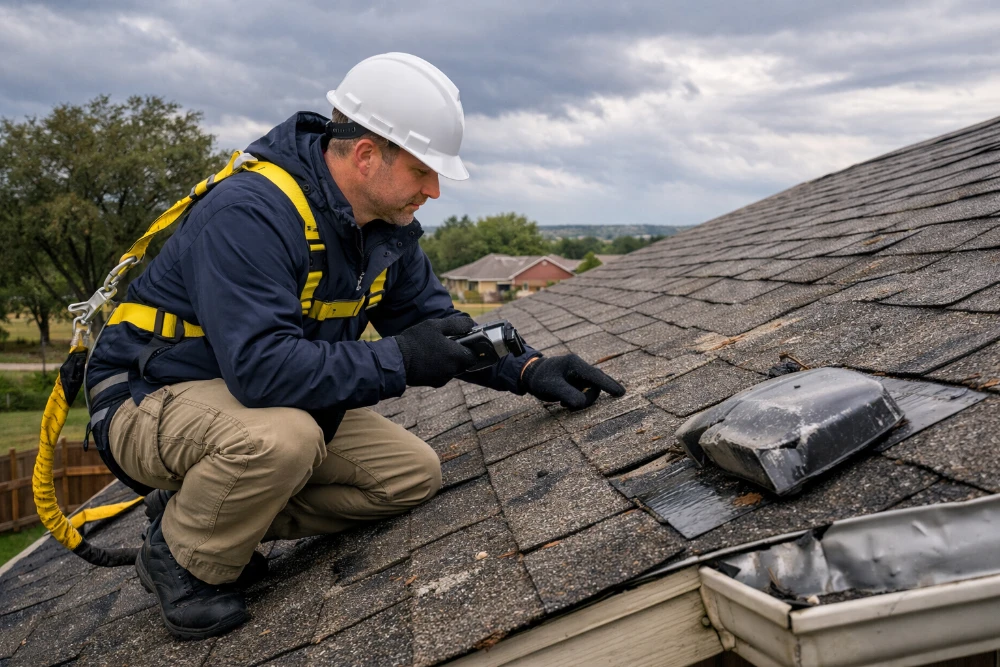
Commercial losses require attention to both the building and the business operating inside it.
A warehouse roof leak may damage stored inventory. A fire in a restaurant may affect cooking equipment, electrical systems, furnishings, food inventory, and income. A storm at an apartment property may damage multiple roofs, units, fences, HVAC systems, and common areas.
Our commercial claim review may address:
| Claim component | Examples |
| Building damage | Roofing, walls, windows, mechanical systems |
| Business personal property | Inventory, furniture, tools, equipment |
| Tenant improvements | Flooring, counters, partitions, fixtures |
| Loss of income | Reduced or interrupted operations |
| Extra expense | Temporary space, equipment rental, emergency services |
| Code-related work | Potential covered upgrades required during repairs |
| Professional expenses | Engineers, consultants, specialized testing |
Commercial policies vary significantly. Coverage limits, deductibles, coinsurance, valuation methods, waiting periods, and reporting requirements should be reviewed early.
Own or manage a commercial property in Seagoville? Contact TX Public Adjusting for a free claim review before accepting an estimate that may not cover the full loss.
Why Choose TX Public Adjusting
Texas-Focused Claim Experience
Our work is focused on Texas property claims, including hail, wind, roof, water, fire, freeze, and commercial losses. We understand the documentation demands that follow major storm activity across North Texas.
Licensed Representation
TX Public Adjusting is operated by Rise Public Adjusting LLC, Texas License #3356839.
Independent Advocacy for Policyholders
We do not work for the insurance company. Our duty is to the residential or commercial policyholder who hires us.
Residential and Commercial Knowledge
The documentation needed for a single-family roof claim differs from the work required for a multifamily, warehouse, church, retail, or restaurant loss. Our team has experience reviewing thousands of claims involving both residential and commercial properties.
Detailed Claim Preparation
A well-prepared claim connects the cause of loss, physical damage, policy coverage, repair scope, and supporting documents. We work to make that connection clear.
No Upfront Fees
Property owners can request a free claim review without paying an upfront fee. Any engagement terms, services, and fees are explained in the written agreement before representation begins.
Areas We Serve Near Seagoville
TX Public Adjusting assists policyholders throughout Seagoville and surrounding southeastern Dallas County and western Kaufman County communities, including:
- Balch Springs
- Mesquite
- Sunnyvale
- Forney
- Crandall
- Combine
- Kaufman
- Terrell
- Wilmer
- Hutchins
- Lancaster
- Southeast Dallas
- Kleberg
- Heartland
Property owners east of Seagoville can also learn about insurance claim assistance from a public adjuster in Terrell. The existing TX Public Adjusting sitemap includes dedicated area pages for Seagoville and nearby communities such as Terrell, confirming the city-page structure already used across the site.
Frequently Asked Questions
What does a public adjuster in Seagoville do?
A public adjuster represents the policyholder during a property insurance claim. The work can include reviewing the policy, inspecting damage, preparing estimates and inventories, comparing the carrier’s scope with the actual loss, and negotiating with the insurance company.
TX Public Adjusting does not replace your contractor or act as the insurance company’s adjuster. We focus on claim preparation and policyholder representation.
When should I hire a Seagoville public adjuster?
Property owners often contact us when the damage is extensive, the claim involves several rooms or building systems, the carrier estimate appears low, coverage is disputed, or the documentation has become difficult to manage.
It can be helpful to seek guidance before damaged materials are discarded or major repairs begin. Property owners who already have an open or partially paid claim can also review when it is too late to hire a public adjuster.
Can you help after the insurance company has already inspected my property?
Yes. A public adjuster can review the carrier’s inspection results, estimate, photographs, correspondence, and payments. We can then inspect the property and identify potentially missed or undervalued items.
The fact that an inspection has occurred does not necessarily mean the claim has been fully evaluated.
Can a public adjuster help with an underpaid hail claim?
Yes. We can evaluate the roofing system, exterior components, interior damage, quantities, repair assumptions, and depreciation calculations. We then compare our documentation with the insurance company’s scope.
The company’s content strategy identifies hail and roof claims as priority services, and the sitemap contains dedicated resources for documenting hail damage, denied hail claims, appraisal, and roof-claim inspections.
Does homeowners insurance cover storm damage in Seagoville?
Many policies cover certain types of sudden and accidental wind or hail damage, but coverage depends on the individual policy, cause of loss, exclusions, endorsements, deductible, and reporting requirements.
A public adjuster cannot create coverage that the policy does not provide. We can help document the loss and identify the provisions relevant to the claim.
Can you help with water damage that started after a storm?
Potentially. The source and path of the water matter. Rain entering through a storm-created opening may be treated differently from rising water or long-term seepage.
We examine the reported cause, exterior damage, interior moisture, timeline, mitigation records, and policy language. TX Public Adjusting also maintains a dedicated water-damage public adjuster resource in its sitemap.
Do you handle fire and smoke claims?
Yes. Fire claims may include structural damage, smoke and soot contamination, contents, debris removal, suppression water, temporary living expenses, and code-related repairs.
The TX Public Adjusting sitemap includes a dedicated fire insurance adjuster guide that can support this city page through contextual internal linking.
Do you represent Seagoville businesses?
Yes. We assist commercial policyholders with covered building damage, inventory, equipment, tenant improvements, business personal property, and potential business-income components.
Commercial claims should be reviewed promptly because policy requirements and business interruption records can become more difficult to reconstruct over time.
How much does a public adjuster cost in Texas?
Public adjusting services are commonly provided under a written fee agreement. The exact fee and terms depend on the engagement and must be explained before representation begins.
TX Public Adjusting offers a free initial claim review and does not require an upfront fee. Review the written agreement carefully and ask questions before signing.
Can TX Public Adjusting guarantee a larger settlement?
No ethical public adjuster should guarantee a particular result. Insurance claim outcomes depend on the policy, cause of loss, available evidence, damage, exclusions, limits, and carrier decisions.
What we provide is independent policyholder representation, detailed documentation, estimate review, and professional negotiation.
Get a Free Seagoville Insurance Claim Review
You do not have to accept an incomplete estimate without asking questions.
TX Public Adjusting helps Seagoville homeowners, landlords, business owners, property managers, and commercial policyholders evaluate property damage claims. We can review a new claim, an existing estimate, an underpayment, or a claim that has become difficult to move forward.
Contact TX Public Adjusting for a free review of your Seagoville property damage claim.
- No upfront fees
- Licensed Texas public adjuster
- Residential and commercial claims
- Independent representation for policyholders
- Rise Public Adjusting LLC
- Texas License #3356839