

Property damage in Fate can develop quickly after a North Texas storm. Large hail can bruise shingles and damage metal roofing, straight-line winds can lift flashing and siding, and wind-driven rain can enter through openings that are easy to overlook during an initial inspection. When the insurer’s estimate does not reflect the full scope of damage, a public adjuster in Fate, TX can help document the loss and present the claim from the policyholder’s side.
As a licensed Texas public adjuster, TX Public Adjusting represents residential and commercial property owners—not insurance companies. Our team reviews policies, inspects damaged property, prepares supporting documentation, and negotiates covered claims based on the actual repair scope. TX Public Adjusting is operated by Rise Public Adjusting LLC, Texas License #3356839.
Fate sits in Rockwall County, east of Rockwall and near Lake Ray Hubbard, with convenient access to the greater Dallas area through Interstate 30. The city combines an established downtown area with rapidly growing residential communities, making local claims especially varied. Property losses may involve newer construction in Woodcreek or Monterra, established homes near Downtown Fate, retail property along the I-30 corridor, or commercial buildings near State Highway 66.
Request a Free Claim Review: If your Fate insurance claim was delayed, denied, underpaid, or based on an incomplete estimate, contact TX Public Adjusting. There are no upfront fees for the initial claim review.
Why Property Owners Hire a Public Adjuster in Fate
Insurance carriers assign adjusters to investigate losses and prepare estimates for the insurer. A public adjuster has a different role. We work for the policyholder and focus on documenting the covered damage, reviewing the carrier’s scope, and advocating for a claim settlement supported by the policy and evidence.
That distinction can matter after a major storm affects many properties across Fate and Rockwall County. Carrier adjusters may be handling a high volume of claims, inspections may be brief, and roof surfaces may be evaluated without enough attention to related damage involving gutters, vents, window screens, fencing, insulation, interior finishes, detached structures, and exterior mechanical equipment.
Fate property owners often hire a public adjuster when:
- The insurance estimate appears too low for the required repairs
- The carrier omitted visible or concealed damage
- A roof claim was denied as wear, age, or maintenance
- Water damage affected several rooms or building systems
- The claim includes complicated residential or commercial contents
- The insurer applied depreciation that the owner does not understand
- Repair contractors identify damage that is missing from the carrier’s scope
- A supplemental claim has stalled
- The property owner does not have time to manage inspections, documents, and negotiations
- The claim involves multiple structures or coverage categories
A public adjuster does not guarantee a particular result. The goal is to make sure the insurer receives a well-supported presentation of the covered loss, including photographs, measurements, repair estimates, inventories, reports, and policy-based explanations when applicable.
Fate’s Most Significant Property-Damage Risks
Fate is part of the North Texas severe-weather environment. Thunderstorms in this region can produce large hail, damaging wind, lightning, heavy rain, flash flooding, and tornadoes. During a six-day North and Central Texas storm sequence in April 2026, the National Weather Service recorded hundreds of reports involving hail, wind, flooding, and tornadoes, including large hail reports across the region.
Large Hail and Roof Damage
Hail is one of the most common reasons Fate homeowners and commercial property owners file hail damage insurance claims. A single storm can affect thousands of roofs across Rockwall County.
Hail damage is not always obvious from the ground. Asphalt shingles may show bruising, fractured matting, loosened granules, or impact marks that resemble ordinary aging. Metal roof panels may be dented at seams and fasteners. Tile can crack beneath the surface. Flat commercial roofing systems can suffer membrane, insulation, flashing, coping, and rooftop-equipment damage.
A proper hail claim inspection may need to include:
- Roofing materials and underlayment
- Ridge caps, vents, flashing, and pipe boots
- Gutters and downspouts
- Window screens and glazing
- Garage doors and exterior siding
- Fences, pergolas, sheds, and detached structures
- HVAC fins, housings, and rooftop units
- Interior ceilings and walls where storm-created openings allowed water intrusion
Recent reports have specifically documented damaging hail and flooded road conditions during severe thunderstorms in Fate, reinforcing that hail and heavy rain can occur together and produce more than a simple roofing loss.
Straight-Line Wind and Tornado Damage
Strong thunderstorm winds can lift shingles, loosen roof edges, pull fasteners from metal panels, damage fencing, break tree limbs, and force rain into attic or wall cavities. Tornadic circulation can produce a more concentrated path of structural damage, but even storms without a confirmed tornado can cause serious wind losses.
Wind claims sometimes become disputed because the roof still appears intact from the street. Damage may instead involve lifted seals, displaced flashing, loosened components, cracked siding, or openings around vents and penetrations. These conditions can lead to leaks during later rainfall.
For homes in communities such as Woodcreek, Williamsburg, Avondale, and Monterra, a neighborhood-wide storm may affect similar building materials across many properties. That does not mean every claim is identical. Roof age, installation method, orientation, maintenance history, prior repairs, and storm exposure must still be evaluated property by property.
Wind-Driven Rain and Interior Water Damage
Heavy rainfall does not need to produce deep flooding to create an expensive insurance loss. Water may enter through storm-damaged shingles, flashing, windows, doors, wall penetrations, or roof-to-wall transitions.
Interior damage can spread beyond the first visible stain. Wet insulation may remain concealed in attic spaces. Moisture can move behind drywall or beneath flooring. Cabinet bases, trim, electrical components, and personal property may be affected even when the initial leak appears small.
Fate’s continuing residential development also means many homes have open floor plans and interconnected finishes. A limited roof opening can damage ceilings, flooring, cabinetry, and painted surfaces across multiple adjoining spaces.
Plumbing Leaks and Appliance Failures
Not every Fate water claim begins with a storm. Supply-line failures, water-heater leaks, overflowing fixtures, refrigerator lines, washing-machine hoses, and frozen or damaged pipes can cause significant losses.
Coverage often depends on the source, timing, policy language, and resulting damage. The cost of repairing the failed plumbing component may be treated differently from the damage caused by the released water. Accurate documentation is essential before damaged materials are removed.
Fire, Smoke, and Electrical Claims
House fires and commercial fires can create several overlapping categories of damage:
- Direct flame damage
- Smoke and soot contamination
- Water damage from firefighting
- Structural demolition
- Electrical and mechanical damage
- Debris removal
- Personal-property damage
- Temporary housing or business interruption
Smoke can travel through HVAC systems and enclosed cavities well beyond the room where a fire started. A superficial cleaning estimate may not address porous materials, insulation, ductwork, electronics, or concealed soot.
Common Insurance Claims in Fate
Hail Damage Claims
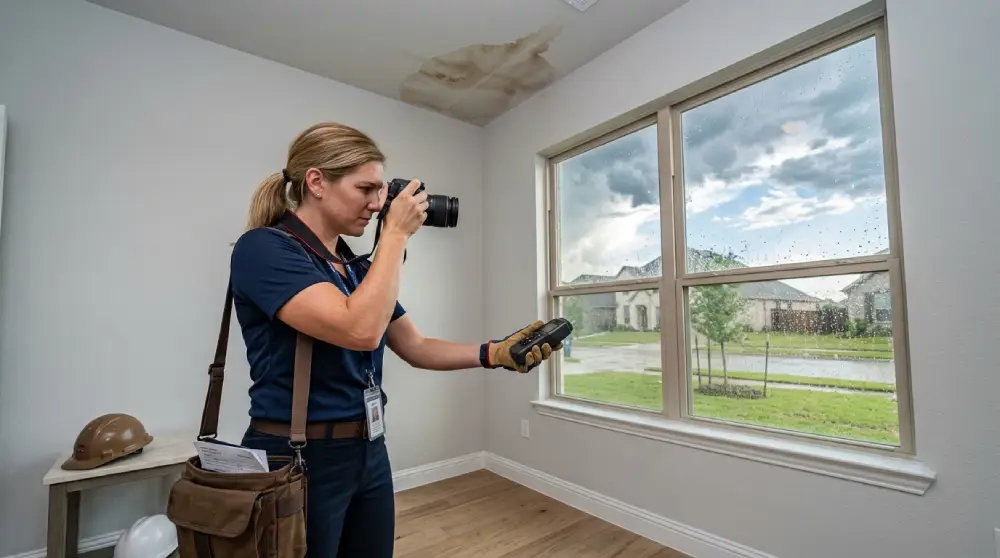
A Fate hail claim may involve much more than replacing several shingles. The carrier’s estimate should be reviewed for all affected elevations, roof components, exterior finishes, detached structures, code-related items, labor requirements, and interior water damage.
Disputes often arise over whether marks are caused by hail, manufacturing defects, foot traffic, age, or ordinary wear. Property owners should carefully document hail damage for an insurance claim using clear photographs, weather information, material identification, and a consistent record of the affected areas. Our hail damage roof insurance claim guide explains how roofing materials, storm evidence, repair scope, and carrier omissions can affect a Texas claim.
Water Damage Claims
Water losses require prompt action. Property owners should stop the source when safely possible, take photographs, preserve failed components, and document emergency mitigation. A water damage public adjuster can then review whether the carrier’s scope accounts for both visible and concealed damage.
The claim scope may need to include drying, demolition, flooring, cabinetry, drywall, insulation, painting, electrical work, plumbing access, contents handling, and testing. A public adjuster can compare the insurer’s estimate against the observed damage and available documentation.
Fire and Smoke Damage Claims
Fire claims are often document-intensive. A fire insurance adjuster working for the policyholder can help organize building damage, personal property, debris removal, code upgrades, additional living expenses, lost income, and restoration questions.
TX Public Adjusting can help organize the loss, review inventories, document affected materials, and communicate claim support to the insurer.
Storm and Wind Damage Claims
Storm claims can include roof damage, fallen trees, damaged fencing, broken windows, exterior cladding, water intrusion, and detached structures. Wind damage is particularly easy to underestimate when the roof covering remains in place but its ability to resist future weather has been compromised.
Roof Damage Claims
Roof claims may involve asphalt shingles, standing-seam metal, exposed-fastener metal panels, tile, modified bitumen, TPO, or other systems. Each material responds differently to hail, wind, heat, foot traffic, and installation defects.
A meaningful roof assessment should identify the roofing system, affected components, repairability, matching considerations, roof access, pitch, code requirements, and interior consequences. Property owners facing an incomplete estimate can learn more about hiring a public adjuster for a roof claim.
Commercial Property Claims
Fate’s Interstate 30 corridor and continued development support retail, office, service, warehouse, restaurant, multifamily, and other commercial properties. The city reports substantial available commercial acreage along I-30, Downtown Fate, and Highway 66.
Commercial claims can include:
- Roofing and building-envelope damage
- Interior improvements
- Inventory and equipment
- Tenant improvements
- Signage and exterior features
- Business-income losses
- Extra expenses
- Code upgrades
- Multiple tenants or insured interests
These claims require organized communication and detailed documentation. Even a relatively small roof opening can affect operations, customer access, stored inventory, technology, or tenant spaces.
Why Fate Insurance Claims Become Underpaid
An underpaid claim is not always the result of one dramatic error. More often, several small omissions combine to create a large difference between the carrier’s estimate and the actual cost of restoring the property.
Missed Damage
A short inspection may focus on the most visible area while overlooking roof accessories, elevations, interior rooms, detached structures, mechanical systems, or concealed moisture. When the insurer has already denied the storm loss, review the available evidence before accepting the decision and learn what to do if a hail claim was denied.
Scope Omissions
The carrier may acknowledge damage but leave out necessary tasks. Examples include removing and resetting components, protecting finished areas, accessing damaged plumbing, replacing underlayment, detaching fixtures, matching continuous finishes, or completing required trade work.
Depreciation Issues
Insurance estimates may apply depreciation based on age and condition. Some policies allow recoverable depreciation after repairs are completed, while others provide actual-cash-value coverage. Property owners should understand which amounts are withheld, what documentation is required, and whether deadlines apply.
Low or Inconsistent Pricing
An estimate can contain the right line-item names but still be too low because of incorrect quantities, labor assumptions, material grades, waste factors, access charges, or local pricing.
Documentation Problems
Claims become harder to prove when damaged materials are discarded before being photographed, temporary repairs are undocumented, receipts are missing, or the cause of loss is unclear.
Repairability and Matching Disputes
A damaged component may not be reasonably repairable without affecting surrounding materials. Discontinued shingles, faded siding, continuous flooring, specialty finishes, and brittle materials can create disputes over the proper scope.
Concerned about an underpaid Fate claim? TX Public Adjusting offers a Free Claim Review for residential and commercial losses. We can compare the insurance estimate with the available damage documentation and explain where additional investigation may be warranted.
Our Public Adjusting Process
1. Claim Review
We begin by discussing the loss, current claim status, insurance estimate, communications, photographs, and known repair concerns. When appropriate, we review relevant policy provisions and identify documentation that may still be needed.
2. Property Inspection
We inspect accessible damaged areas and document conditions with photographs, measurements, notes, and supporting records. Depending on the loss, this may include the roof, exterior elevations, interior finishes, contents, commercial equipment, or detached structures.
3. Damage Documentation
We organize the loss into a supportable claim package. This may include an itemized estimate, photographs, inventories, contractor information, invoices, receipts, reports, and a comparison with the carrier’s scope.
4. Claim Presentation and Negotiation
We communicate with the insurance carrier and explain the basis for requested revisions or supplements. The focus is not simply asking for more money. The focus is proving covered work and costs through evidence.
5. Settlement Review
When the insurer responds, we review the revised estimate, payment explanation, depreciation, deductibles, and outstanding items. We also help the property owner understand what may still be required to recover withheld benefits under the policy.
Why Choose TX Public Adjusting
Texas-Focused Claim Experience
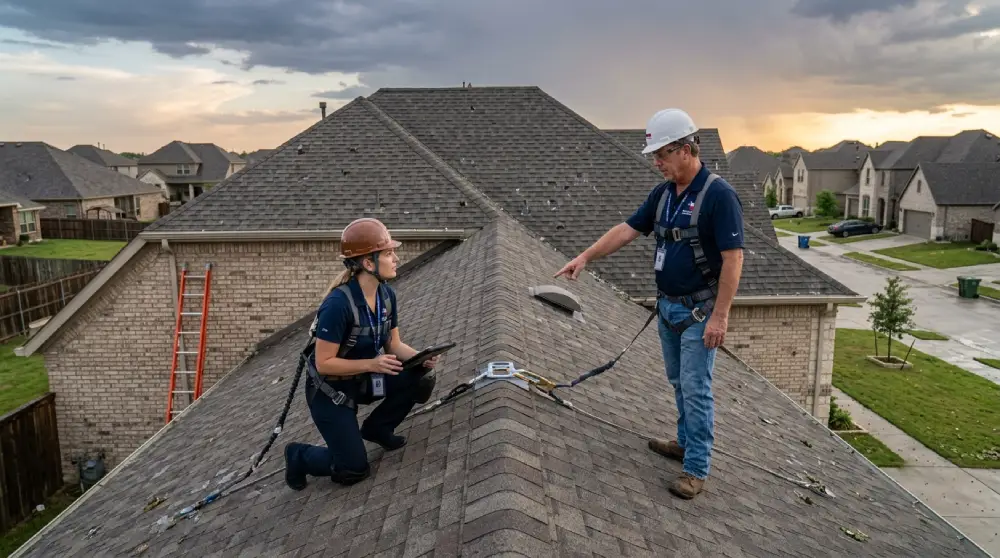
TX Public Adjusting works with Texas property owners and understands the types of losses commonly seen across North Texas, including hail, wind, roof, water, freeze, and fire claims.
Licensed Representation
TX Public Adjusting is operated by Rise Public Adjusting LLC, Texas License #3356839. Licensing gives policyholders a verifiable credential and establishes professional requirements for public-adjusting services.
We Represent Policyholders
Insurance-company adjusters work for the carrier, while independent adjusters are generally assigned by carriers. Our guide to a public adjuster vs. independent adjuster explains this distinction in more detail. A public adjuster is hired by the insured and represents the policyholder’s interests in the property claim.
Residential and Commercial Knowledge
Our experience includes both residential and commercial losses. Commercial claims may involve larger roofing systems, operational impacts, tenant spaces, equipment, inventory, and business-income issues that require a more structured presentation.
Experience Reviewing Thousands of Claims
Our team has reviewed thousands of property claims involving different policies, causes of loss, building systems, and claim stages. That experience helps us recognize common estimating omissions and documentation gaps without assuming that every claim should be handled the same way.
Free Initial Claim Review
Property owners can request a Free Claim Review before deciding how to proceed. We review the available information and explain whether the claim appears to need additional documentation or professional representation.
Areas We Serve Near Fate
TX Public Adjusting assists property owners throughout Fate and nearby Rockwall County communities, including:
- Rockwall
- Royse City
- Heath
- McLendon-Chisholm
- Mobile City
- Rowlett
- Garland
- Lavon
- Nevada
- Josephine
- Caddo Mills
- Forney
Within Fate, we assist property owners in and around Woodcreek, Williamsburg, Monterra, Avondale, Spring Meadow, the Downtown Fate area, the Highway 66 corridor, and neighborhoods near Interstate 30.
Fate is only minutes from Lake Ray Hubbard and sits between Rockwall and Royse City, so many local properties share the same severe-weather systems that affect the eastern side of the Dallas-Fort Worth area.
Frequently Asked Questions
What does a public adjuster in Fate do?
A public adjuster represents the property owner during a first-party insurance claim. Our complete guide explains what a public adjuster does, including reviewing the loss, evaluating the insurance estimate, documenting damage, preparing a repair scope, and communicating with the carrier concerning covered claim items.
TX Public Adjusting works independently of the insurance company. Our responsibility is to the policyholder who hires us.
When should I hire a public adjuster after property damage in Fate?
Consider speaking with a public adjuster when the loss is substantial, the damage affects multiple areas, the claim is delayed, the insurer’s estimate appears incomplete, or the carrier has denied coverage for damage you believe was caused by a covered event.
You do not always need to wait for a denial. Early documentation may help preserve evidence and reduce confusion later in the claim.
Can a public adjuster help with an already underpaid claim?
Potentially, yes. A public adjuster can review the carrier’s estimate and payment explanation, inspect the property, and identify documented damage or repair work that may have been omitted.
The ability to pursue additional payment depends on the policy, cause of loss, evidence, deadlines, prior communications, and current status of the claim.
How much does a public adjuster cost in Texas?
Public adjusters commonly work for a percentage-based fee tied to the claim recovery, subject to the agreement and applicable Texas requirements. The exact fee should be clearly stated in the contract before services begin.
TX Public Adjusting offers a Free Claim Review and does not charge an upfront fee for that initial evaluation.
Does homeowners insurance cover hail damage in Fate?
Many homeowners policies cover sudden hail damage, but coverage depends on the policy. Deductibles, exclusions, cosmetic-damage provisions, actual-cash-value roof endorsements, and reporting requirements can affect the amount payable.
The insurer may also dispute whether observed conditions were caused by hail or by age, wear, installation, or prior damage.
Can you help when the insurer says my roof is too old?
Yes, the claim can still be reviewed. Roof age may affect depreciation or available coverage, but age alone does not necessarily establish the cause of damage.
The key questions are what the policy covers, whether a storm caused direct physical damage, how the roof was valued, and whether the insurer properly documented its decision.
What should I do immediately after a Fate hailstorm?
Photograph visible damage from a safe location, protect the property from additional damage when reasonably possible, save receipts, and avoid signing repair contracts you do not understand.
Do not climb onto a wet or damaged roof. Arrange for a qualified inspection and preserve damaged materials when possible.
Can a public adjuster help with commercial claims in Fate?
Yes. We assist with commercial building, roofing, water, fire, storm, contents, equipment, and business-related property claims.
Commercial losses often involve several coverage categories and stakeholders. Early organization can help keep documentation, repair estimates, mitigation records, and operational-loss information consistent.
How long does an insurance claim take?
Claim timing varies. A straightforward roof loss may move faster than a fire, large water loss, or commercial claim involving engineering, inventories, multiple inspections, or business-income calculations. Property owners waiting for an initial response can also review how long an insurance adjuster has to contact you.
Delays can also occur when the carrier requests additional records, disputes causation, changes adjusters, or receives a high volume of claims after a regional storm.
Is it too late to hire a public adjuster after receiving a settlement check?
Not necessarily. Receiving a payment does not always mean every covered issue has been resolved. Some claims remain open for supplements, recoverable depreciation, or additional documented damage. Review when it may be too late to hire a public adjuster before assuming that no further options remain.
The policy, release language, deadlines, prior payments, and claim status should be reviewed promptly. Waiting too long can reduce the available options.
Get a Free Fate Insurance Claim Review
A damaged property is stressful enough without having to determine whether every shingle, room, fixture, and repair operation was included in the insurance estimate.
TX Public Adjusting helps Fate homeowners, landlords, business owners, property managers, and commercial insureds document property losses and present supported claims to their insurance carriers. We represent policyholders—not insurance companies.
Contact TX Public Adjusting for a Free Claim Review.
- Licensed Texas Public Adjuster
- Residential and Commercial Claims
- Rise Public Adjusting LLC
- Texas License #3356839
- No upfront fee for the initial claim review