

Insurance claims are stressful. Anyone who has dealt with property damage knows the feeling—documents everywhere, repair estimates piling up, and an insurance company asking for endless details. That’s exactly when many homeowners begin asking an important question: who regulates public adjusters? It’s a fair question, and honestly, it’s one every policyholder should ask before hiring someone to help with a claim.
Public adjusters can play a powerful role in insurance disputes. They represent the policyholder—not the insurance company—and they negotiate settlements after property damage. But because they handle financial negotiations and sensitive claims, oversight matters. A lot.
So let’s break it down. Who regulates them? What rules do they follow? And how can homeowners make sure they’re working with someone legitimate?
The answer is more structured than many people realize.
What a Public Adjuster Actually Does
Before understanding regulation, it helps to know what a public adjuster does in the first place.
A public adjuster is a licensed professional hired by a policyholder to assist with an insurance claim. Unlike insurance company adjusters who work for the insurer, public adjusters work exclusively for the policyholder.
Their role often includes:
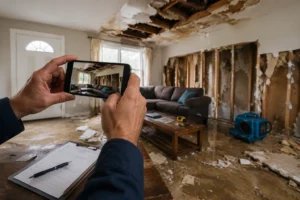
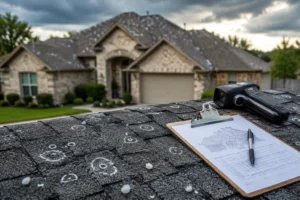
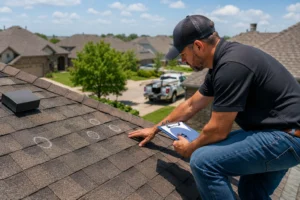
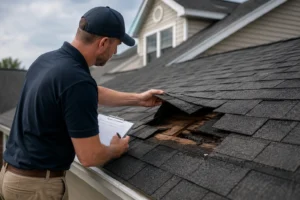
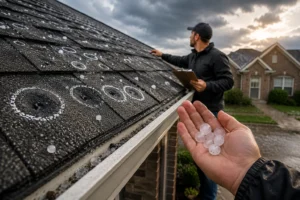
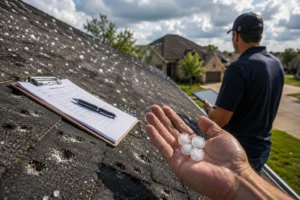
- Inspecting property damage
- Documenting losses
- Preparing claim estimates
- Interpreting insurance policies
- Negotiating settlements with insurance companies
When major property damage happens—fires, storms, water losses—claims can become complex quickly. Public adjusters step in to help level the playing field.
But because they handle negotiations and often receive a percentage of the settlement, regulation becomes essential. That leads to the central question homeowners ask: who regulates public adjusters?
The short answer: state governments do.
Who Regulates Public Adjusters in the United States?
In the United States, public adjusters are regulated almost entirely at the state level.
There is no single national agency that oversees them. Instead, each state creates its own laws governing licensing, conduct, and fees.
So when someone asks who regulates public adjusters, the real answer is this: state departments of insurance are responsible for oversight.
These state regulators set rules designed to protect policyholders and maintain professional standards.
Their responsibilities typically include:
- Licensing public adjusters
- Setting education requirements
- Investigating complaints
- Enforcing disciplinary actions
- Establishing ethical standards
Every state structures these regulations slightly differently, but the goal remains the same—consumer protection.
Several states are particularly well known for having strong public adjuster oversight systems.
Examples include:
| State | Regulatory Authority |
| Texas | Texas Department of Insurance |
| Florida | Florida Office of Insurance Regulation |
| California | California Department of Insurance |
| New York | New York Department of Financial Services |
Even though the agencies differ, the function remains consistent.
They regulate the profession.
The Role of State Insurance Departments
State insurance departments serve as the backbone of regulation within the insurance industry.
They oversee insurers, agents, brokers, and public adjusters alike.
When people ask who regulates public adjusters, these agencies are the primary answer.
Their responsibilities are extensive.
Licensing
Public adjusters cannot legally operate in most states without a license issued by the state insurance department.
Licensing ensures professionals meet minimum qualifications before representing policyholders.
Consumer Protection
State regulators exist to protect policyholders from misconduct.
They enforce rules about contracts, fees, and professional behavior.
Complaint Investigation
If a homeowner believes an adjuster acted improperly, they can file a complaint with the state insurance department.
The department investigates and may take disciplinary action.
Enforcement
Violations can lead to:
- fines
- license suspension
- license revocation
- civil penalties
This regulatory framework ensures the profession operates within ethical and legal boundaries.
Who Regulates Public Adjusters in Texas?
For Texas homeowners, the answer to who regulates public adjusters is straightforward.
Public adjusters in Texas are regulated by the Texas Department of Insurance (TDI).
TDI is responsible for licensing, oversight, and enforcement related to insurance professionals across the state.
The department sets the rules that public adjusters must follow when assisting policyholders with claims.
What the Texas Department of Insurance Oversees
The Texas Department of Insurance regulates several aspects of the profession.
These include:
- licensing requirements
- continuing education
- contract transparency
- fee limitations
- ethical conduct standards
Anyone operating as a public adjuster in Texas must hold an active license issued by TDI.
Operating without one is illegal.
Contract Requirements in Texas
Texas also regulates how public adjusters structure their agreements with homeowners.
Contracts must:
- be written
- clearly explain fees
- describe services provided
- outline cancellation rights
This ensures homeowners understand exactly what they’re agreeing to before signing anything.
Licensing Requirements for Public Adjusters
Because the question who regulates public adjusters often leads to licensing rules, it’s worth examining what adjusters must do to become licensed.
While requirements vary slightly by state, the process typically involves several steps.
Common Licensing Requirements
| Requirement | Purpose |
| Minimum age (usually 18) | Ensures legal eligibility |
| Licensing exam | Demonstrates knowledge of insurance law |
| Background check | Screens for fraud or criminal activity |
| Application fees | Administrative processing |
| Surety bond | Protects consumers from misconduct |
| Continuing education | Maintains professional competence |
Licensing exams often cover topics like:
- insurance policy interpretation
- claim documentation procedures
- negotiation practices
- state insurance regulations
These requirements exist to ensure public adjusters understand both the legal and technical sides of insurance claims.
Ethical Rules Public Adjusters Must Follow
Regulation goes beyond licensing.
States also enforce ethical rules governing how adjusters operate.
These rules exist because policyholders often hire adjusters during stressful situations after property damage.
Ethical standards protect homeowners from exploitation.
Common professional requirements include:
- honest damage assessments
- accurate documentation
- transparency about fees
- disclosure of conflicts of interest
- clear written contracts
Some states also regulate how public adjusters interact with contractors.
For example, certain jurisdictions prohibit adjusters from directing repair work to specific companies if it creates a conflict of interest.
Violations of ethical rules can lead to regulatory action.
Fee Regulations and Consumer Protection

Another reason people ask who regulates public adjusters is related to fees.
Public adjusters are usually paid through contingency fees, meaning they receive a percentage of the insurance settlement.
Because of this, many states place limits on how much adjusters can charge.
Typical Fee Structures
| Claim Type | Typical Fee Range |
| Standard property claims | 5% – 15% |
| Large commercial claims | 3% – 10% |
| Catastrophe claims | Often capped by law |
After major disasters such as hurricanes or wildfires, some states impose temporary caps on contingency fees to protect consumers.
These rules prevent predatory pricing when homeowners are most vulnerable.
How Complaints Against Public Adjusters Are Handled
If a policyholder believes an adjuster violated regulations, the state insurance department can investigate.
The process usually follows a clear structure.
Complaint Process
- A consumer files a complaint with the state insurance department.
- The department reviews documentation and contracts.
- Investigators may interview both parties.
- The agency determines whether violations occurred.
If wrongdoing is found, regulators can impose penalties.
Possible Disciplinary Actions
- written warnings
- fines
- license suspension
- license revocation
This enforcement process is one reason regulation matters so much in the industry.
Why Regulation of Public Adjusters Matters
Insurance claims involve real money. Often large sums.
Without regulation, there would be little protection for homeowners navigating the claims process.
Oversight benefits everyone involved.
Homeowners
Regulation protects homeowners from fraud, misrepresentation, and unethical practices.
Insurance Companies
Insurance companies benefit from clear rules governing negotiations and documentation.
The Industry
Professional licensing raises the standard of the entire field.
It encourages accountability.
And it builds trust.
In short, the answer to who regulates public adjusters isn’t just about bureaucracy—it’s about protecting people during vulnerable moments.
How to Verify a Licensed Public Adjuster
Before hiring anyone to assist with an insurance claim, homeowners should verify licensing.
It only takes a few minutes, but it can prevent major problems.
Steps to Verify a Public Adjuster
- Visit your state insurance department website.
- Use the license lookup tool.
- Confirm the adjuster’s license status.
- Check for disciplinary actions.
- Verify expiration dates.
Texas residents can verify licenses through the Texas Department of Insurance database.
You can also review public insurance regulatory information from the National Association of Insurance Commissioners
Red Flags That Suggest an Unlicensed Adjuster
Not everyone claiming to be a public adjuster is legitimate.
Homeowners should watch for warning signs.
Common Red Flags
- refusing to provide a license number
- high-pressure sales tactics
- asking for large upfront payments
- promising unrealistic settlements
- vague or incomplete contracts
Legitimate professionals operate transparently.
If something feels rushed or unclear, pause.
Then verify licensing before signing anything.
Federal Oversight vs State Regulation
One of the biggest misconceptions about the profession involves federal oversight.
Many people assume a national agency regulates public adjusters.
That’s not the case.
There is no federal licensing authority for public adjusters.
Instead, regulation is handled at the state level.
Organizations such as the National Association of Insurance Commissioners help coordinate regulatory standards across states, but they do not directly license adjusters.
So again, when someone asks who regulates public adjusters, the answer always comes back to state insurance departments.
Final Thoughts
Insurance claims are complicated. Sometimes overwhelming.
That’s exactly why public adjusters exist—to help policyholders navigate difficult situations and negotiate fair settlements.
But because they play such an important role, oversight is essential.
So the next time someone asks who regulates public adjusters, the answer is clear.
State insurance departments provide the primary oversight, licensing, and enforcement that keeps the profession accountable. In Texas, that responsibility falls to the Texas Department of Insurance, which establishes the rules public adjusters must follow when representing policyholders.
For homeowners, the takeaway is simple.
Always verify licensing.
Always review contracts carefully.
And always work with professionals who operate within the regulatory framework designed to protect you.
That framework exists for a reason—and when used properly, it helps ensure insurance claims are handled fairly, ethically, and professionally.
FAQs
Public adjusters are primarily regulated by state governments through their state departments of insurance. These agencies handle licensing, oversight, and enforcement of professional standards.
In Texas, public adjusters are regulated by the Texas Department of Insurance (TDI). The agency oversees licensing, ethical standards, and complaint investigations.
Yes. In most states, public adjusters must obtain a state-issued license before legally representing policyholders in insurance claims.
No, there is no single federal regulator for public adjusters. Regulation is handled at the state level by insurance departments.
State regulators can investigate complaints and impose penalties such as fines, license suspension, or license revocation.
You can check your state insurance department’s license lookup database online to confirm whether a public adjuster is properly licensed.
Yes, many states regulate the contingency fees public adjusters can charge, especially after natural disasters or large-scale events.
Yes. Homeowners can file complaints with their state insurance department if they believe a public adjuster acted improperly.
State regulation helps protect policyholders from fraud, unethical practices, and unqualified individuals handling insurance claims.
Always verify their license, review their contract terms, and confirm they are registered with the state insurance department that regulates public adjusters.