

Property damage is stressful. One moment everything is normal. The next, you’re staring at water damage, fire debris, or storm destruction and wondering what comes next. Insurance is supposed to help, yet the claims process can feel complicated and slow. That’s where understanding how to find a public adjuster becomes extremely valuable.
A skilled public adjuster works on your side. Not the insurance company’s side. Yours. They evaluate damage, interpret your policy, and negotiate with insurers to reach a fair settlement. But not every adjuster offers the same level of skill or professionalism. Finding the right one requires research, careful questions, and a bit of patience.
This guide walks through how to find a public adjuster, what they do, where to search, and how to choose the right professional for your situation. Let’s break it down step by step.
What a Public Adjuster Does
Before diving deeper into how to find a public adjuster, it helps to understand what they actually do.
The Role of a Public Adjuster in Insurance Claims
Public adjusters represent policyholders. That means homeowners or business owners who file insurance claims after property damage.
Their responsibilities often include:
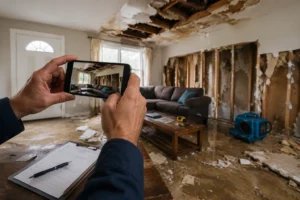
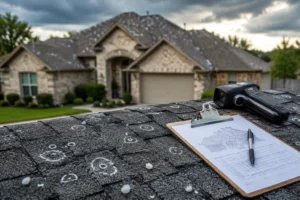
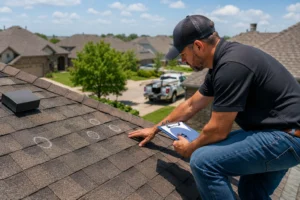
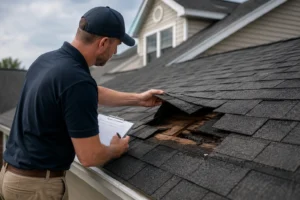
- Inspecting and documenting property damage
- Reviewing the insurance policy for coverage details
- Preparing claim estimates and documentation
- Communicating with the insurance company
- Negotiating settlements on behalf of the property owner
In simple terms, they manage the claim process so you don’t have to handle everything alone.
Many property owners attempt to navigate claims themselves. Sometimes that works. But large or complex claims often benefit from professional help.
Public Adjuster vs Insurance Company Adjuster
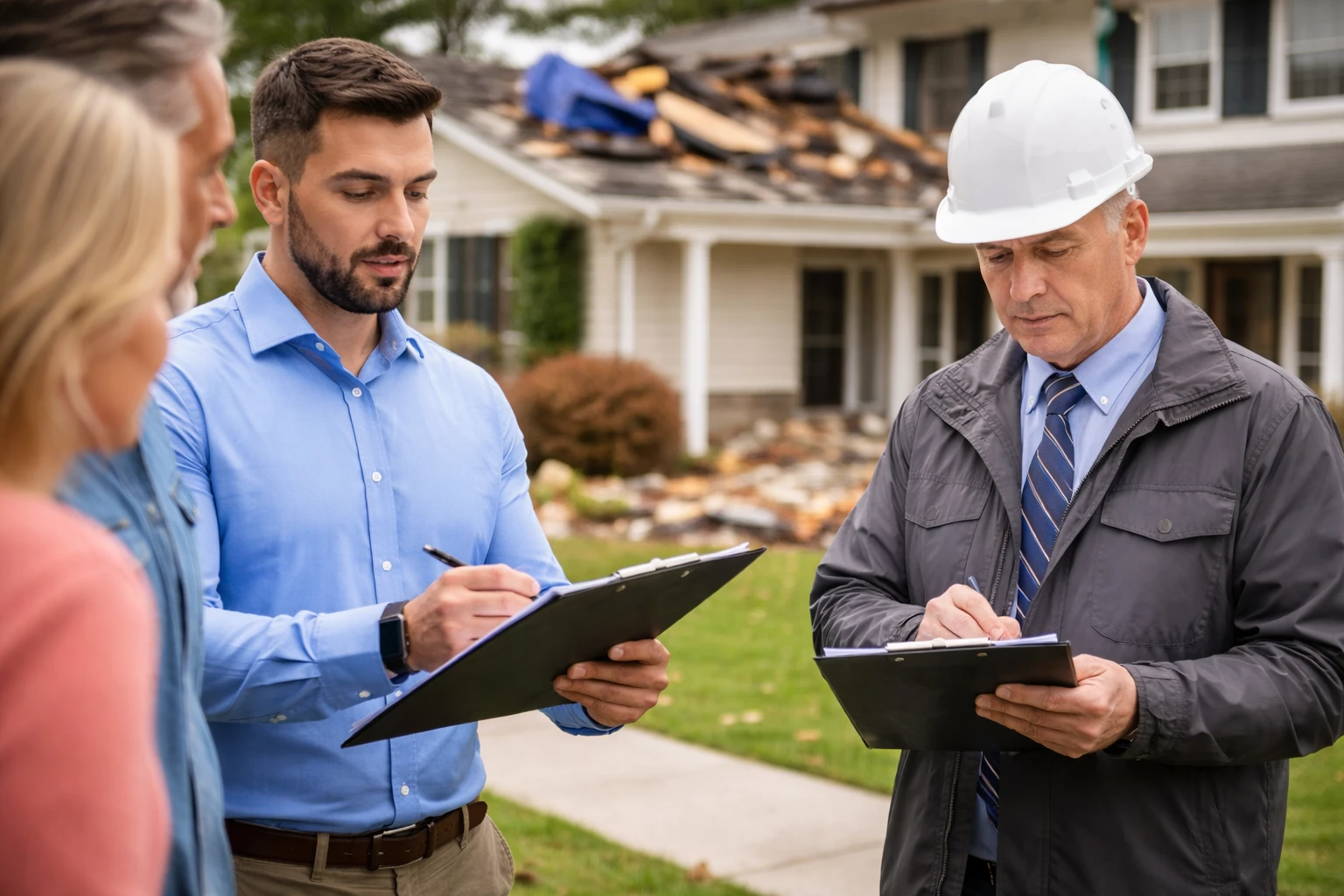
This difference matters.
| Type of Adjuster | Who They Represent | Main Responsibility |
| Insurance Company Adjuster | Insurance company | Evaluates claims for the insurer |
| Independent Adjuster | Insurance company (contracted) | Handles claims for insurers during high volume |
| Public Adjuster | Policyholder | Advocates for the property owner |
Insurance adjusters aim to protect the insurer’s financial interests. Public adjusters aim to protect yours.
That distinction alone explains why many people start researching how to find a public adjuster after experiencing claim disputes.
When Property Owners Typically Hire Public Adjusters
Public adjusters are especially helpful in situations like:
- Major fire damage
- Hurricane or storm destruction
- Large water damage claims
- Commercial property damage
- Insurance claim disputes
If a claim is complicated or the settlement seems lower than expected, professional representation can make a difference.
Signs You May Need a Public Adjuster
Not every claim requires outside help. But certain situations make hiring an expert a smart move.
Major Property Damage
Large claims create complex paperwork and negotiations. For example:
- Fire damage affecting multiple rooms
- Structural damage from storms
- Flood or plumbing failures
- Roof and exterior damage
When repair costs climb into the tens or hundreds of thousands of dollars, experienced representation can protect your financial interests.
Complicated Insurance Claims
Insurance policies are detailed. Sometimes confusing. Coverage limits, exclusions, and endorsements can affect the outcome of a claim.
A public adjuster understands how to interpret these policies and ensure nothing is overlooked.
Limited Time to Handle the Claim
Insurance claims take work.
Documentation. Phone calls. Inspections. Follow-ups. Negotiations.
If you’re managing a business, rebuilding your home, or simply trying to restore normal life after damage, hiring help may reduce stress and improve efficiency.
That’s often when people start seriously researching how to find a public adjuster.
Where to Find a Public Adjuster
The next step is locating qualified professionals. Several reliable sources exist.
State Licensing Databases
In Texas, public adjusters must be licensed by the Texas Department of Insurance (TDI).
Before hiring anyone, verify their license. It only takes a few minutes.
Why it matters:
- Confirms legal authorization to operate
- Verifies professional credentials
- Protects homeowners from fraud
Searching a licensing database should always be part of how to find a public adjuster.
Professional Associations
Professional organizations often maintain directories of qualified members.
Examples include:
- National Association of Public Insurance Adjusters (NAPIA)
- Texas Association of Public Insurance Adjusters (TAPIA)
Membership in these groups typically indicates commitment to professional standards.
Referrals and Recommendations
Word-of-mouth referrals remain powerful.
You might receive recommendations from:
- Attorneys handling insurance disputes
- Contractors or restoration companies
- Neighbors who recently filed claims
- Real estate professionals
These referrals often lead to experienced adjusters with proven results.
Online Research
Online research helps compare multiple options quickly.
Look for:
- Google reviews
- Business websites
- Local directories
- Client testimonials
Pay attention to patterns in reviews. Consistent praise for communication, professionalism, and results is a good sign.
How to Verify a Public Adjuster’s Credentials
Learning how to find a public adjuster is only half the process. Verification is equally important.
Confirm Licensing
Always confirm the adjuster holds an active license in Texas.
An unlicensed adjuster may expose you to risk. Worse, they may not legally represent you during negotiations.
Check Experience and Specialization
Experience matters. Especially in complex claims.
Ask questions such as:
- How long have you worked as a public adjuster?
- What types of claims do you handle most often?
- Have you handled claims similar to mine?
Different adjusters specialize in different claim types. Fire, water, commercial property, and hurricane damage each involve unique challenges.
Review Reputation and References
Reputation tells a story.
Look for:
- Client testimonials
- Online ratings
- Case studies
- Professional references
If possible, ask the adjuster for past client contacts. Speaking directly with someone who used their services can provide valuable insight.
Questions to Ask Before Hiring a Public Adjuster
Interviews matter. They help determine whether the adjuster fits your needs.
Experience and Track Record
Ask about their claim history.
Examples:
- Number of claims handled annually
- Average settlement range
- Experience with similar damage types
A confident adjuster should comfortably discuss past experience.
Fee Structure
Most public adjusters work on contingency.
That means they receive a percentage of the claim settlement rather than charging upfront fees.
Typical ranges include:
| Fee Type | Typical Range |
| Contingency fee | 5% – 15% of claim settlement |
| Consultation | Often free |
| Additional fees | Rare but possible |
Always request written fee agreements.
Communication and Process
Clear communication makes the process smoother.
Ask:
- How often will I receive updates?
- Who will handle my claim directly?
- What timeline should I expect?
Transparency early on builds trust later.
Understanding How Public Adjusters Are Paid
Money matters. And understanding the payment structure helps avoid surprises.
Contingency Fee Structure
Public adjusters typically earn a percentage of the final insurance settlement.
If the claim pays $100,000 and the adjuster’s fee is 10%, their compensation would be $10,000.
This model aligns incentives. The adjuster succeeds when the policyholder receives a larger settlement.
State Fee Regulations
Some states regulate maximum contingency fees. Texas guidelines may also affect how adjusters structure agreements depending on the situation.
Review the contract carefully.
Why Fee Transparency Matters
Always read the agreement before signing.
Look for:
- Fee percentage
- Payment timing
- Contract cancellation terms
- Scope of services
Transparency prevents misunderstandings later.
Red Flags to Watch For When Choosing a Public Adjuster
Unfortunately, not every adjuster operates ethically. Recognizing warning signs helps protect homeowners.
Lack of Licensing
An unlicensed adjuster should immediately raise concerns.
Licensing protects consumers and ensures professionals follow state regulations.
High-Pressure Sales Tactics
Some adjusters approach homeowners immediately after storms.
While many are legitimate, aggressive tactics like:
- Rushed contracts
- Immediate signing requests
- Pressure to act quickly
should trigger caution.
Unrealistic Settlement Promises
No adjuster can guarantee a specific settlement amount.
Be wary of anyone promising unusually high payouts before reviewing the property and policy.
Steps to Hiring the Right Public Adjuster

Now let’s combine everything into a practical process.
Step 1: Research Local Options
Start by creating a short list of licensed adjusters in your area.
Look for:
- Local experience
- Positive reviews
- Industry affiliations
Step 2: Interview Multiple Adjusters
Speaking with multiple professionals provides perspective.
Compare:
- Communication style
- Experience level
- Fee structure
This stage is critical when learning how to find a public adjuster who truly fits your needs.
Step 3: Review the Contract Carefully
Never rush this step.
Read the agreement carefully and confirm:
- Services included
- Fee percentage
- Termination policies
If anything seems unclear, ask questions.
Step 4: Choose the Adjuster Who Best Represents Your Interests
The right adjuster should demonstrate:
- Professionalism
- Strong communication
- Clear explanations
- Proven experience
Trust matters here.
How Public Adjusters Help Maximize Insurance Settlements
Many property owners wonder whether hiring an adjuster truly improves outcomes.
Often, it does.
Accurate Damage Documentation
Insurance claims depend heavily on documentation.
Public adjusters conduct detailed inspections and prepare comprehensive reports that include:
- Structural damage estimates
- Replacement costs
- Inventory of damaged property
These details strengthen the claim.
Policy Interpretation
Insurance policies contain many provisions.
Coverage limits. Exclusions. Endorsements.
An experienced adjuster identifies every applicable coverage area.
Negotiating With Insurance Companies
Negotiation requires evidence and persistence.
Public adjusters present documentation, explain policy language, and advocate for fair compensation.
For property owners unfamiliar with insurance negotiations, this support can be extremely valuable.
Common Mistakes to Avoid When Searching for a Public Adjuster
Many homeowners rush the process. That’s understandable after major damage. But rushing can create problems.
Avoid these mistakes:
- Hiring the first adjuster who contacts you
- Failing to verify licensing
- Ignoring online reviews
- Signing contracts without reading them
- Not interviewing multiple candidates
Taking extra time upfront improves the chances of finding the right professional.
Final Thoughts: Finding the Right Public Adjuster for Your Claim
Property damage creates uncertainty. Insurance claims can feel overwhelming. But understanding how to find a public adjuster helps property owners regain control.
The key steps are simple:
Research carefully.
Verify licensing.
Ask smart questions.
Compare multiple professionals.
A qualified public adjuster can simplify the claims process, reduce stress, and help secure a fair settlement.
Most importantly, they represent you.
And when large property claims are involved, having someone in your corner makes all the difference.
If you’re dealing with property damage and wondering how to find a public adjuster, start with careful research and professional guidance. The right expert can turn a confusing claims process into a manageable path toward recovery.
FAQs
A public adjuster is a licensed professional who represents policyholders during insurance claims. They help evaluate damage, prepare claim documentation, and negotiate with the insurance company.
You may want to hire one when property damage is significant, the claim process becomes complicated, or the insurance settlement seems too low.
You can check their license through the Texas Department of Insurance website or your state’s insurance regulatory agency.
Most public adjusters work on a contingency fee, meaning they receive a percentage of the insurance settlement.
Fees typically range from about 5% to 15% of the final insurance payout, depending on the claim and the state regulations.
No professional can guarantee a specific payout, but experienced public adjusters often help ensure claims are thoroughly documented and fairly negotiated.
For minor claims, many homeowners handle the process themselves, but larger or complex claims may benefit from professional assistance.
Ask about their license, experience with similar claims, fee structure, and how they communicate updates during the claim process.
Yes, insurance company adjusters represent the insurer, while public adjusters work exclusively for the policyholder.
The timeline varies depending on the claim complexity, but a public adjuster helps manage the process and communicate with the insurance company throughout the claim.