
When property damage happens, the insurance claim process can quickly become overwhelming. Roof leaks after a storm. Fire damage in the kitchen. Water flooding a hallway. Suddenly, you are dealing with inspections, paperwork, estimates, and negotiations. That’s when many homeowners begin asking an important question: what is public adjuster, and how can one help during an insurance claim?
A public adjuster is a licensed professional who represents policyholders, not insurance companies. Their job is to evaluate property damage, prepare insurance claims, and negotiate with insurers to help property owners receive fair settlements.
If you’ve ever felt unsure about an insurance claim, you’re not alone. Insurance policies are long. Damage assessments can be complicated. And settlements don’t always reflect the true cost of repairs.
In this guide, we’ll break everything down clearly. You’ll learn what is public adjuster, how they work, when to hire one, and how they can help protect your financial recovery after property damage.
What Is a Public Adjuster?
Let’s start with the basics.
A public adjuster is a licensed insurance professional hired by the policyholder to manage and negotiate an insurance claim.
Unlike adjusters working for insurance companies, public adjusters work only for you. Their goal is simple: help ensure your claim is properly documented and fairly paid.
When people ask what is public adjuster, the easiest way to explain it is this:
A public adjuster is your advocate during the insurance claims process.
Their responsibilities often include:
- Inspecting property damage
- Reviewing insurance policies
- Documenting losses
- Preparing claim reports
- Negotiating settlements with insurers
Insurance claims often involve complex details. Missing documentation or underestimating damage can reduce the final payout. Public adjusters help prevent those mistakes.
And that can make a significant difference.
How Public Adjusters Work
Understanding what is public adjuster also means understanding how they actually help with a claim.
The process usually follows several key steps.
Initial Property Damage Assessment
The first step is a thorough inspection.
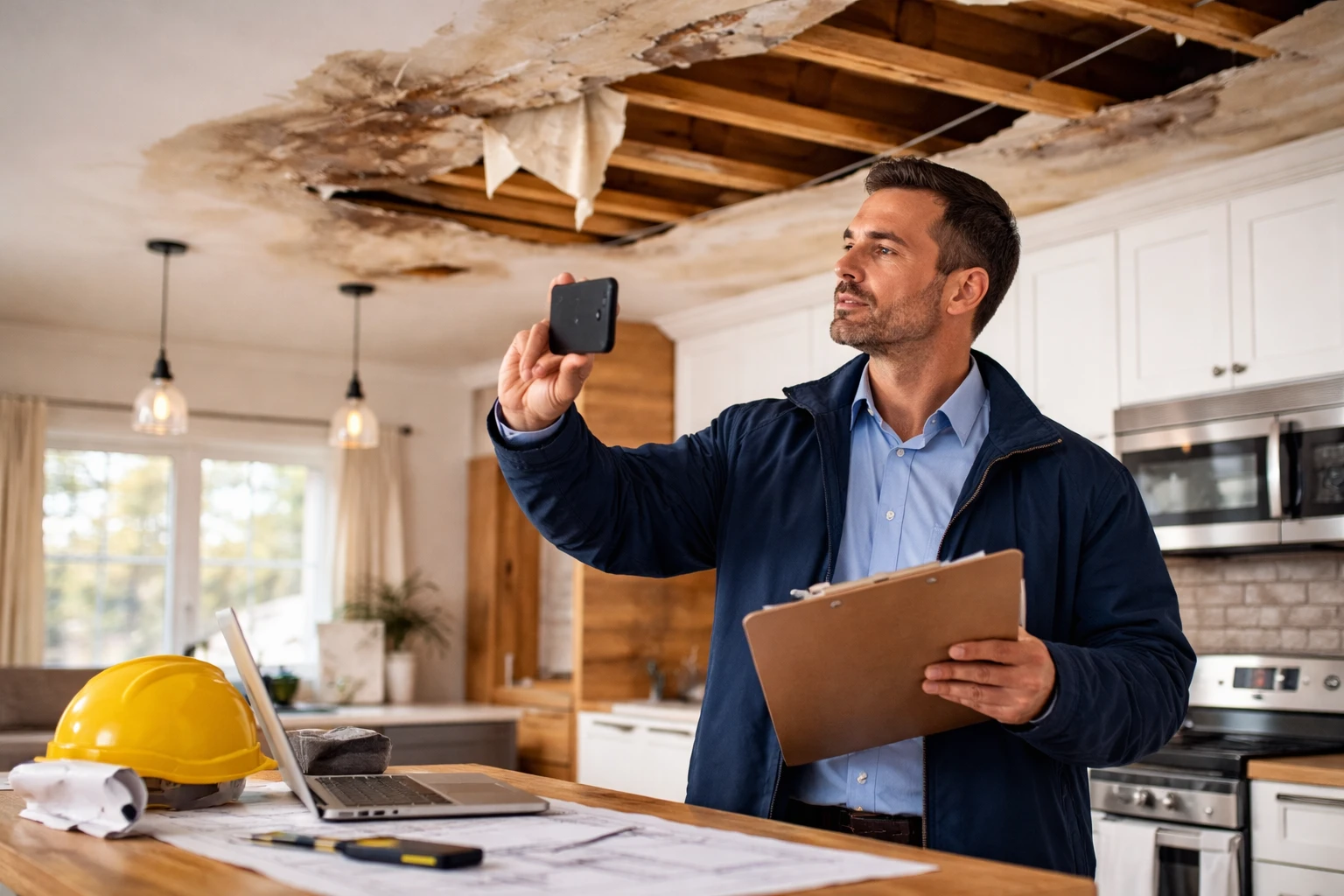
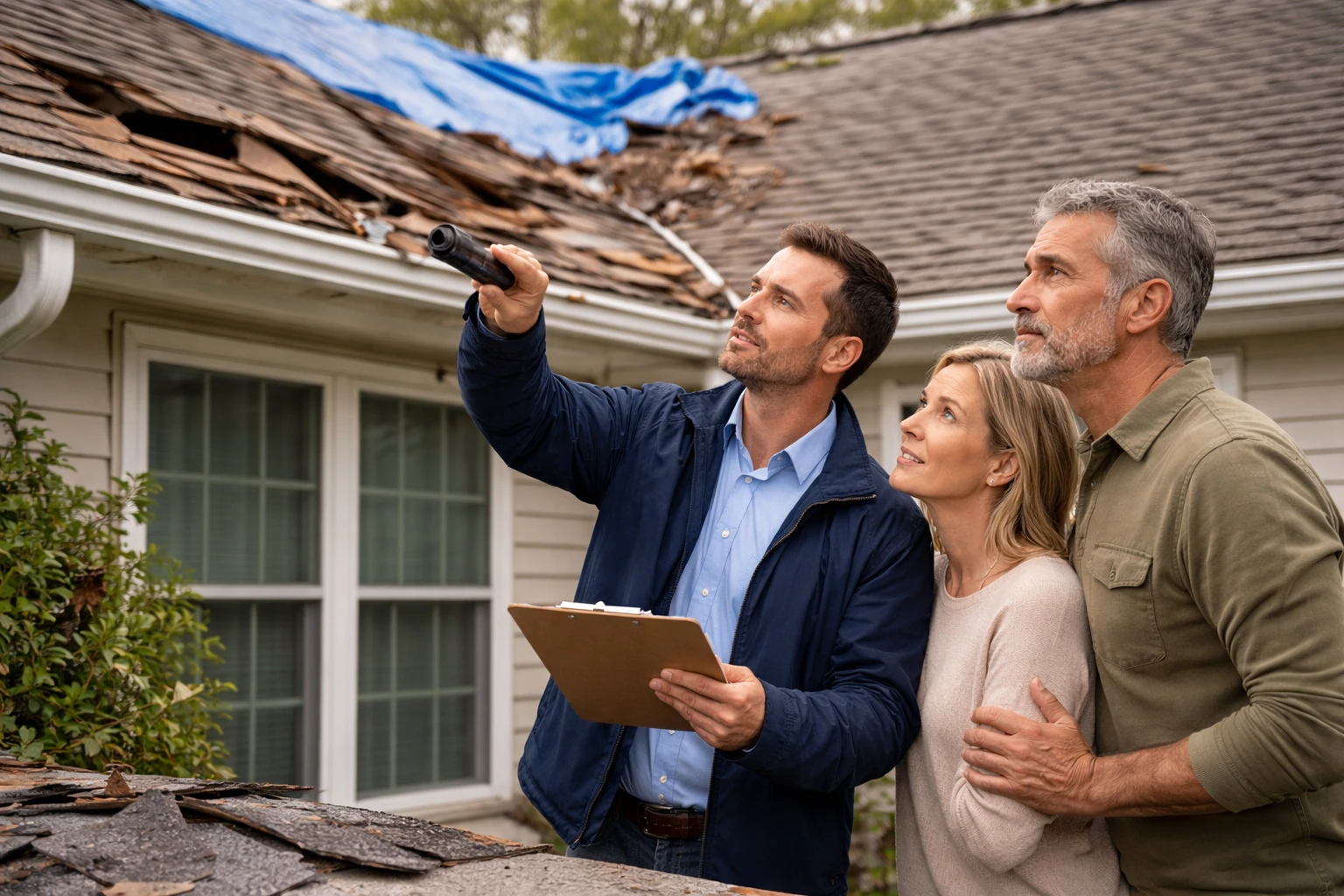
A public adjuster will visit the property and carefully examine the damage. They look beyond obvious issues. Hidden damage often exists inside walls, roofs, insulation, and structural components.
During the inspection they typically:
- Photograph damaged areas
- Document structural issues
- Identify affected materials
- Measure repair or replacement needs
This level of detail matters. Insurance companies rely heavily on documentation when evaluating claims.
Policy Review
Insurance policies can be confusing. Coverage language isn’t always easy to interpret.
Public adjusters carefully review policies to determine:
- What damage is covered
- Coverage limits
- Deductibles
- Additional benefits such as temporary housing
Sometimes coverage exists that policyholders don’t even realize they have. A professional review ensures nothing is missed.
Claim Preparation
Next comes the paperwork.
A well-prepared claim package may include:
- Damage reports
- Repair estimates
- Contractor evaluations
- Photographic evidence
- Itemized loss inventories
This documentation forms the foundation of the claim. Strong evidence often leads to stronger settlements.
Negotiation With the Insurance Company
Finally, negotiations begin.
Insurance adjusters representing the insurer evaluate the claim and may propose settlement amounts. Public adjusters negotiate these offers to ensure they accurately reflect repair costs.
They handle communication with the insurance company so the property owner doesn’t have to manage every discussion.
For many homeowners, this step alone is worth the help.
Public Adjuster vs Insurance Adjuster vs Independent Adjuster
One reason people ask what is public adjuster is because the insurance industry uses several different types of adjusters.
Understanding the differences is important.
| Type of Adjuster | Who They Work For | Who Pays Them | Main Goal |
| Insurance Company Adjuster | Insurance company | Insurance company | Protect insurer’s financial interests |
| Independent Adjuster | Insurance company (contracted) | Insurance company | Evaluate claims for insurers |
| Public Adjuster | Policyholder | Policyholder | Maximize claim settlement |
Insurance Company Adjuster
This adjuster works directly for the insurance company. Their role is to review claims and determine how much the insurer will pay.
They are trained professionals, but their responsibility is to the insurer.
Independent Adjuster
Independent adjusters are hired by insurance companies when claim volume increases, especially after major storms.
They are contractors but still represent the insurance company.
Public Adjuster
A public adjuster represents only the policyholder.
Their responsibility is to the homeowner or business owner who hires them.
That’s the core difference when asking what is public adjuster.
When Should You Hire a Public Adjuster?
Not every claim requires outside help. But certain situations make hiring a public adjuster much more beneficial.
Here are common scenarios.
Major Property Damage
Large losses often involve complicated documentation and repair estimates.
Examples include:
- Fire damage
- Hurricane damage
- Tornado damage
- Severe roof collapse
Large claims involve higher financial stakes.
Insurance Settlement Seems Too Low
Sometimes insurers provide estimates that don’t cover full repair costs.
If the numbers don’t add up, a public adjuster can review the claim and negotiate improvements.
Complicated Claims
Claims involving multiple types of damage can quickly become complex.
For example:
- Fire followed by water damage from firefighting
- Storm damage affecting roofing, siding, and interior areas
- Business interruption losses
These situations require detailed analysis.
Limited Time
Insurance claims take time.
Phone calls. Documentation. Contractor estimates. Inspections.
Many property owners simply don’t have the schedule to manage everything themselves.
A public adjuster takes that responsibility off their shoulders.
Types of Claims Public Adjusters Handle
Public adjusters help with many types of property damage claims.
Common examples include:
Storm and Hurricane Damage
Texas property owners frequently face severe storms.
Claims may include:
- Roof damage
- Broken windows
- Structural damage
- Water intrusion
Fire Damage
Fire claims are often complex.
They may involve:
- Structural rebuilding
- Smoke damage
- Water damage from firefighting
- Temporary relocation expenses
Water Damage
Leaks, burst pipes, and appliance failures can cause significant damage.
Water claims often require careful documentation of affected materials.
Commercial Property Loss
Businesses may experience:
- Property damage
- Equipment loss
- Business interruption
Public adjusters help document financial losses tied to downtime.
Benefits of Hiring a Public Adjuster
Understanding what is public adjuster also means understanding the advantages they provide.
Professional Documentation
Insurance claims rely heavily on documentation.
Public adjusters know exactly what insurers expect to see.
They prepare organized claim packages that include detailed evidence.
Stronger Negotiation
Negotiation experience matters.
Public adjusters understand claim evaluation methods used by insurers and can respond accordingly.
Reduced Stress
Insurance claims are stressful enough without managing the entire process.
Public adjusters handle:
- Communication
- Inspections
- Documentation
- Negotiations
Property owners can focus on recovery.
Potentially Higher Settlements
Many claims increase after professional review.
Damage that was initially overlooked may be added to the claim.
Accurate repair estimates also help ensure settlements reflect real rebuilding costs.
How Public Adjusters Are Paid

Another common question tied to what is public adjuster involves payment.
Public adjusters typically work on a contingency fee basis.
That means they are paid only after the claim is settled.
Typical fee ranges:
| Claim Type | Typical Fee Range |
| Residential claims | 5% – 15% |
| Large commercial claims | 3% – 10% |
| Small claims | May vary |
The exact percentage depends on the size and complexity of the claim.
Most agreements require no upfront payment.
Are Public Adjusters Licensed in Texas?
Yes. Public adjusters must be licensed.
In Texas, public adjusters are regulated by the Texas Department of Insurance.
Licensing requirements generally include:
- Passing an examination
- Background checks
- Continuing education
- Compliance with state regulations
This regulation helps protect property owners from unqualified claim representatives.
When hiring help, always verify licensing status.
Common Misconceptions About Public Adjusters
Many people misunderstand what is public adjuster because of myths surrounding the profession.
Let’s clear up a few.
Myth: They Are Only for Large Claims
While they often help with major losses, public adjusters can also assist with moderate claims where documentation and negotiation matter.
Myth: Hiring One Slows Down Claims
In many cases, professional claim preparation actually speeds up the process.
Clear documentation reduces disputes.
Myth: Hiring One Means You Are Suing the Insurance Company
Public adjusters negotiate claims. They do not file lawsuits.
Legal action only occurs in rare disputes handled by attorneys.
Myth: Insurance Companies Do Not Allow Them
Public adjusters are recognized professionals within the insurance industry.
They are legally allowed to represent policyholders.
How to Choose the Right Public Adjuster
Not all adjusters have the same experience. Choosing the right one matters.
When evaluating candidates, consider these factors.
Verify Licensing
Always confirm the adjuster holds a valid state license.
Ask About Experience
Look for adjusters who have handled claims similar to yours.
Review References
Past client reviews and testimonials can provide valuable insight.
Understand the Contract
Make sure you understand:
- Fee structure
- Services included
- Communication expectations
Transparency matters.
Questions to Ask Before Hiring a Public Adjuster
A quick conversation can reveal a lot about an adjuster’s professionalism.
Consider asking:
- Are you licensed in Texas?
- How many claims like mine have you handled?
- What percentage do you charge?
- How long do claims like this typically take?
- How often will you update me on progress?
Clear answers build trust.
The Public Adjusting Process Step by Step
To fully understand what is public adjuster, it helps to see the full claim process.
Here is a simplified timeline.
- Initial consultation with the property owner
- On-site inspection of the damage
- Review of the insurance policy
- Documentation and loss inventory preparation
- Claim submission to the insurer
- Meetings with insurance adjusters
- Negotiation of the final settlement
The goal throughout the process is clear: secure a fair claim payout.
Is Hiring a Public Adjuster Worth It?
For some property owners, managing a claim alone works fine.
But for many others, the process becomes overwhelming.
Hiring help can make sense when:
- Damage is significant
- Claims involve multiple areas of loss
- Insurance estimates seem low
- Time is limited
Understanding what is public adjuster allows policyholders to make informed decisions about their claims.
Sometimes professional guidance makes all the difference.
Final Thoughts
Property damage can disrupt life quickly. Storms, fires, and water leaks don’t wait for convenient moments.
When insurance claims begin, property owners face a complicated process involving documentation, inspections, and negotiations.
That’s why understanding what is public adjuster matters.
A public adjuster works on behalf of the policyholder. They inspect damage, prepare detailed claims, and negotiate settlements with insurance companies.
For many homeowners and business owners, that expertise provides clarity during a stressful situation.
Insurance claims are about recovery. About rebuilding homes, restoring businesses, and moving forward.
And sometimes, having the right professional on your side makes the path to recovery a little smoother.
FAQs
A public adjuster is a licensed professional who represents policyholders during insurance claims. They help document damage, prepare claims, and negotiate settlements with insurance companies.
An insurance adjuster works for the insurance company, while a public adjuster works for the policyholder. Their role is to protect the property owner’s interests during the claim.
You may consider hiring one after major property damage, when a claim becomes complicated, or if the insurance settlement seems too low.
Most public adjusters work on a contingency fee, meaning they receive a percentage of the final claim settlement. They are typically paid only after the claim is resolved.
Yes, public adjusters must be licensed and regulated by the Texas Department of Insurance before they can legally represent policyholders.
A public adjuster may help identify overlooked damages and prepare stronger documentation, which can lead to a more accurate settlement.
They commonly assist with claims related to storm damage, fire damage, water damage, roof damage, and commercial property losses.
Not always. Smaller or straightforward claims can often be handled directly with the insurance company.
In many cases, it can actually help organize the claim process and prevent delays caused by missing documentation or unclear damage estimates.
Yes, public adjusters work with both homeowners and commercial property owners to manage and negotiate insurance claims.